· 9 min read
Can Dogs Eat Pork Fat? What Pet Parents Need to Know
Picture this: You’re sizzling up a batch of bacon for breakfast, the aroma filling the kitchen. At your feet, your furry sidekick sits, tail thumping a rapid rhythm against the floor, eyes locked on the pan. “Just a tiny piece won’t hurt, right?” you think. After all, dogs love fatty treats—but is pork fat actually safe for your pup?
If you’ve ever found yourself wondering whether to share that crispy pork rind or leftover bacon grease with your dog, you’re not alone. Pork fat is a common kitchen scrap, and its rich, savory scent is practically irresistible to our four-legged friends. But before you toss them a bite, it’s crucial to understand the risks and benefits.
In this guide, we’ll break down everything you need to know about feeding pork fat to dogs—from whether it’s toxic (spoiler: it’s not) to the hidden dangers that make it a risky choice. Let’s dive in!
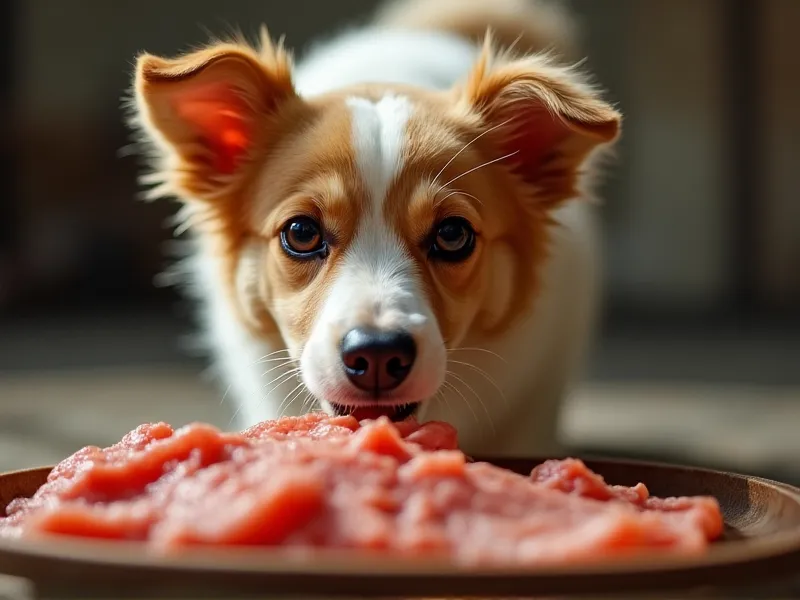
Table of Contents
- Can Dogs Eat Pork Fat? The Short Answer
- Potential Benefits of Pork Fat for Dogs (Spoiler: They’re Minimal)
- The Risks of Feeding Pork Fat to Dogs: What You Need to Know
- How Much Pork Fat Is Safe for Dogs? Guidelines for Pet Parents
- Healthier Alternatives to Pork Fat for Treats
- Frequently Asked Questions (FAQ)
- Conclusion: Prioritize Your Dog’s Health
- References
Can Dogs Eat Pork Fat? The Short Answer
Let’s cut to the chase: Dogs can technically eat small amounts of plain, unseasoned pork fat without immediate toxicity, but that doesn’t mean it’s a good idea. Unlike chocolate, grapes, or onions—all of which are toxic to dogs—pork fat isn’t poisonous. However, its high fat content and potential for causing serious health issues make it a risky choice for regular treats.
Think of it like junk food for dogs: A tiny bite might not harm them, but overindulging (or even occasional small servings) can lead to long-term problems. Most veterinarians recommend avoiding pork fat altogether, or limiting it to extremely rare, minuscule portions.
Potential Benefits of Pork Fat for Dogs (Spoiler: They’re Minimal)
Before we dive into the risks, let’s address the elephant in the room: Are there any upsides to feeding pork fat to dogs? The short answer is… not many. Here’s what you need to know:
1. Palatability: Dogs Love the Taste
Let’s be real—pork fat is delicious to dogs. Its rich, meaty flavor makes it a highly motivating treat, which might seem like a win for training or spoiling your pup. However, “tasty” doesn’t equal “healthy,” and there are plenty of other treats that are both delicious and good for them.
2. Calorie Density (But Most Dogs Don’t Need Extra Calories)
Pork fat is high in calories (about 9 calories per gram, compared to 4 calories per gram for protein or carbs). In theory, this could help underweight dogs gain weight, but most pet dogs in the U.S. are already overweight or obese. Unless your vet has specifically recommended a high-calorie diet for your dog (e.g., a working dog or a underweight senior), this “benefit” is irrelevant at best and harmful at worst.
3. Trace Nutrients (But Not Enough to Matter)
Pork fat contains tiny amounts of vitamins like vitamin D and E, and minerals like selenium. However, these amounts are so minimal that they won’t contribute meaningfully to your dog’s diet. Your dog’s regular food is already formulated to provide all the nutrients they need—pork fat adds nothing but extra fat and calories.
Bottom line: The “benefits” of pork fat are negligible. The risks, however, are significant.
The Risks of Feeding Pork Fat to Dogs: What You Need to Know
Now, let’s get serious about the dangers. Pork fat might not be toxic, but it can lead to severe health issues—even in small amounts. Here’s what pet parents should watch out for:
Pancreatitis: A Serious Threat
The biggest risk of feeding pork fat to dogs is pancreatitis—inflammation of the pancreas. The pancreas produces enzymes that help digest food, but when a dog eats a high-fat meal, the pancreas can become overstimulated, releasing enzymes prematurely. These enzymes then attack the pancreas itself, causing severe pain, swelling, and even tissue damage.
Pancreatitis is not a minor issue. Symptoms include:
- Vomiting (often repeatedly)
- Loss of appetite
- Abdominal pain (your dog may hunch their back or resist being touched near the stomach)
- Lethargy
- Diarrhea (sometimes with blood)
In severe cases, pancreatitis can lead to organ failure, sepsis, or death. According to the American Kennel Club (AKC), fatty foods like bacon grease, pork fat, and fried foods are a top trigger for pancreatitis in dogs. Even a single indulgence—like stealing a plate of bacon grease—can cause an attack, especially in dogs with a history of pancreatitis or those predisposed to it (e.g., small breeds like Miniature Schnauzers, or overweight dogs).
Gastrointestinal Upset: Vomiting, Diarrhea, and Discomfort
Even if pancreatitis doesn’t develop, pork fat can wreak havoc on your dog’s digestive system. Dogs have sensitive stomachs, and high-fat foods can cause gastroenteritis (inflammation of the stomach and intestines). This leads to symptoms like vomiting, diarrhea, gas, and abdominal cramps—no fun for your pup (or your carpet).
Puppies, senior dogs, and dogs with sensitive stomachs are especially prone to digestive upset from fatty foods.
Obesity and Weight Gain
Pork fat is calorie-dense, and extra calories add up quickly. A single tablespoon of pork fat contains about 120 calories—that’s equivalent to a 10-pound dog eating an entire day’s worth of calories in one treat! Over time, regular feeding of pork fat can lead to obesity, which increases the risk of diabetes, joint pain, heart disease, and other health problems.
According to the Association for Pet Obesity Prevention, over 50% of dogs in the U.S. are overweight or obese. Feeding high-fat treats like pork fat only exacerbates this issue.
Choking and Intestinal Blockages
Large chunks of pork fat (like a thick strip from a pork belly) can pose a choking hazard, especially for small dogs. Even if your dog swallows it whole, the fat can harden in their digestive tract, leading to an intestinal blockage. Blockages are life-threatening and often require surgery to remove.
Hidden Dangers: Salt, Seasonings, and Additives
Most pork fat we cook with isn’t plain. Bacon, for example, is loaded with salt (sodium), which is harmful to dogs in excess. Too much salt can cause sodium ion poisoning, leading to symptoms like excessive thirst, urination, vomiting, diarrhea, tremors, or even seizures.
Additionally, pork fat is often cooked with seasonings like garlic, onion, or spices—all of which are toxic to dogs. Garlic and onion contain thiosulfate, which damages red blood cells and can cause anemia. Even “mild” seasonings like pepper can irritate your dog’s stomach.
How Much Pork Fat Is Safe for Dogs? Guidelines for Pet Parents
If you’re still tempted to share a tiny piece of unseasoned, cooked pork fat with your dog (e.g., a small scrap from a pork chop), here’s the golden rule: Less is better, and “rarely” is best.
There’s no official “safe” amount, but most veterinarians recommend avoiding it entirely. If you must share (and we don’t recommend it), stick to:
- Small dogs (under 20 lbs): A piece no larger than a grain of rice (yes, that small).
- Medium dogs (20–50 lbs): A piece the size of a pea.
- Large dogs (over 50 lbs): A piece the size of a dime.
And even then, only once in a blue moon. Remember: Even this tiny amount can cause digestive upset in sensitive dogs.
Never feed:
- Raw pork fat (risk of bacteria like Salmonella or E. coli).
- Seasoned pork fat (garlic, onion, salt, etc.).
- Large chunks (choking/blockage risk).
- Pork skin or rinds (extra crispy, high in salt, and hard to digest).
Healthier Alternatives to Pork Fat for Treats
Instead of risking pork fat, opt for these dog-friendly treats that are both safe and nutritious:
1. Lean Meats
- Cooked chicken or turkey breast: No skin, bones, or seasoning. High in protein, low in fat.
- Lean beef (unseasoned): Small pieces of cooked steak or ground beef (90% lean or higher).
2. Fruits (In Moderation)
- Blueberries: Packed with antioxidants.
- Apples: Remove seeds and core; great source of fiber.
- Bananas: A little goes a long way (high in sugar, but safe as an occasional treat).
3. Vegetables
- Carrots: Crunchy, low-calorie, and great for dental health.
- Green beans: Fresh or steamed (no salt); high in fiber.
- Sweet potato: Cooked, mashed, or diced (no added sugar).
4. Healthy Fats (In Small Amounts)
If you want to give your dog a fatty treat (for a shiny coat, for example), try:
- Salmon oil: 1–2 drops per day (check with your vet for dosage). Rich in omega-3s.
- Coconut oil: ¼–1 teaspoon per day (depending on size). Supports skin and coat health.
Frequently Asked Questions (FAQ)
Q: Can puppies eat pork fat?
A: Puppies have even more sensitive digestive systems than adult dogs. It’s best to avoid pork fat entirely—their developing pancreases and stomachs can’t handle the high fat content.
Q: My dog stole a bunch of pork fat! What should I do?
A: If your dog ate a large amount (e.g., a plate of bacon grease or a chunk of pork belly), contact your vet immediately. Watch for symptoms of pancreatitis (vomiting, lethargy, abdominal pain) and seek emergency care if they appear. For small amounts, monitor for diarrhea or vomiting—if symptoms last more than 24 hours, call your vet.
Q: Is cooked pork fat safer than raw?
A: Cooked is safer than raw (raw can contain bacteria), but it’s still high in fat and risky for pancreatitis. Avoid both, but if you must choose, cooked is the lesser evil.
Q: Can dogs eat pork bones with fat?
A: No! Pork bones (cooked or raw) are brittle and can splinter, causing choking or intestinal blockages. The fat on the bone only adds to the risk of pancreatitis.
Q: My dog loves bacon—what’s a safe alternative?
A: Look for dog-specific “bacon” treats made with lean meats and no added salt or seasonings. Or make your own: Bake turkey or chicken “bacon” (thinly sliced, no oil) in the oven until crispy.
Conclusion: Prioritize Your Dog’s Health
At the end of the day, sharing a tiny scrap of pork fat with your dog might seem harmless, but the risks—pancreatitis, digestive upset, obesity—far outweigh the momentary tail wags. Your dog’s health is worth more than a fleeting treat, and there are plenty of safer, healthier options to spoil them with.
If you’re ever unsure about a food, consult your veterinarian. They know your dog’s unique health history and can give personalized advice. When in doubt, stick to their regular diet and approved treats—your furry friend will thank you with years of happy, healthy tail wags.
References
- American Kennel Club (AKC). “Can Dogs Eat Bacon?” akc.org/expert-advice/nutrition/can-dogs-eat-bacon
- ASPCA. “People Foods to Avoid Feeding Your Pets.” aspca.org/pet-care/animal-poison-control/people-foods-avoid-feeding-your-pets
- VCA Hospitals. “Pancreatitis in Dogs.” vcahospitals.com/know-your-pet/pancreatitis-in-dogs
- PetMD. “Human Foods Dogs Can and Can’t Eat.” petmd.com/dog/nutrition/human-foods-dogs-can-and-cant-eat
- Association for Pet Obesity Prevention. “Pet Obesity Statistics.” petobesityprevention.org/resource-library/statistics/