· 7 min read
Can Dogs Eat Eggs and Cheese? Benefits, Risks & Safe Feeding Guide
It’s a quiet Sunday morning. You’re standing at the stove, flipping a fluffy omelet, when you feel a wet nose nudge your hand. There’s your dog, tail wagging furiously, eyes locked on your breakfast. “Just a little bite?” you wonder, holding up a碎 piece of egg. Then you glance at the cheese slice on your plate—could that be safe, too?
If you’ve ever found yourself asking, “Can dogs eat eggs and cheese?” you’re not alone. As pet parents, we want to share the joy of food with our furry friends, but it’s crucial to know what’s actually safe for their tummies. Eggs and cheese are staples in many human diets, but are they suitable for dogs? Let’s dive in and separate fact from fiction, so you can treat your pup wisely.
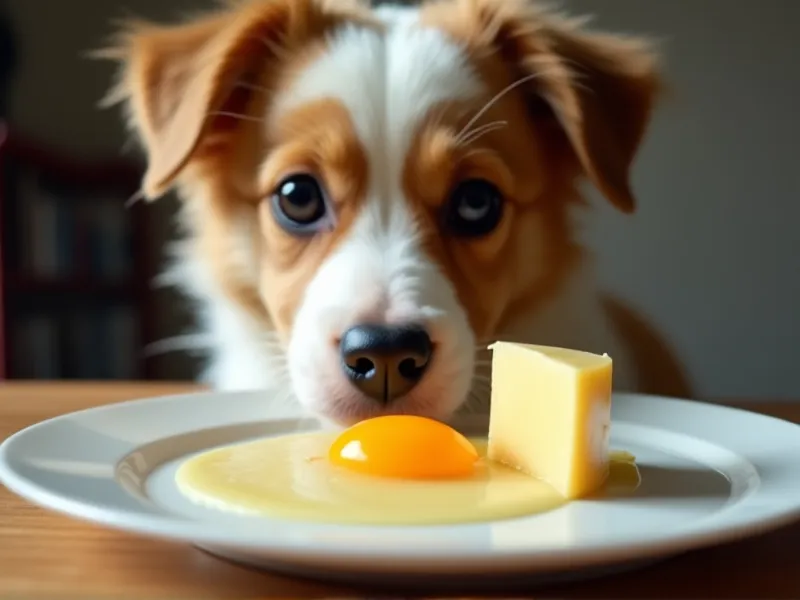
Table of Contents
- Can Dogs Eat Eggs and Cheese? The Short Answer
- The Benefits of Eggs for Dogs: A Nutritional Powerhouse
- The Pros of Cheese for Dogs: Calcium, Protein, and More
- The Risks: What to Watch Out For
- How Much Eggs and Cheese Can Dogs Safely Eat?
- Healthier Alternatives & Smart Serving Tips
- FAQ: Your Top Questions Answered
- Conclusion: Moderation is Key
Can Dogs Eat Eggs and Cheese? The Short Answer
Yes, dogs can eat eggs and cheese—in moderation. Both foods offer nutritional benefits, but they come with important caveats. Eggs are generally safe and packed with nutrients, making them a great occasional treat. Cheese, on the other hand, is riskier: some types are fine in small amounts, but others can cause digestive upset or even toxicity. Let’s break down the details to keep your pup happy and healthy.
The Benefits of Eggs for Dogs: A Nutritional Powerhouse
Eggs are often called “nature’s multivitamin,” and for good reason. When cooked properly, they’re a low-calorie, nutrient-dense food that can boost your dog’s diet in several ways:
1. Complete Protein
Eggs contain all nine essential amino acids, making them a “complete protein.” Protein is vital for dogs’ muscle growth, tissue repair, and immune function—especially for active pups, growing puppies, or senior dogs needing to maintain muscle mass.
2. Vitamins & Minerals
- Vitamin A: Supports eye health and a shiny coat.
- B Vitamins (B12, B6, Folate): Aid energy metabolism and brain function.
- Vitamin D: Crucial for bone health (since dogs can’t always get enough from sunlight).
- Selenium: An antioxidant that protects cells from damage.
- Iron & Zinc: Support red blood cell production and immune health.
3. Healthy Fats
Egg yolks contain omega-3 and omega-6 fatty acids, which reduce inflammation and keep skin and coat healthy.
4. Easy to Digest
Cooked eggs are gentle on sensitive stomachs, making them a go-to for dogs recovering from illness or with digestive issues (always check with your vet first!).
The Pros of Cheese for Dogs: Calcium, Protein, and More
Cheese isn’t as universally beneficial as eggs, but it can offer some perks when chosen carefully:
1. Calcium & Protein
Cheese is rich in calcium (great for bones and teeth) and protein, which helps with muscle maintenance. For dogs who struggle to eat regular food (like picky eaters or seniors), a small cheese cube can be a tasty way to sneak in nutrients.
2. Vitamins
- Vitamin A: Supports vision and skin health.
- Vitamin B12: Aids nerve function and energy production.
3. Training Tool
Cheese is incredibly motivating for most dogs. Its strong smell and flavor make it a perfect reward for training sessions—just keep portions tiny!
The Risks: What to Watch Out For
While eggs and cheese have benefits, they’re not without risks. Let’s break down what to avoid:
Risks of Eggs for Dogs
-
Raw Eggs = Salmonella Risk
Raw eggs (or undercooked eggs) can harbor harmful bacteria like Salmonella or E. coli, which cause vomiting, diarrhea, or even severe illness in dogs (and humans!). Cooking eggs kills these pathogens, making them safe. -
The Biotin Myth (Debunked!)
You may have heard raw egg whites block biotin (a B vitamin) absorption. While raw egg whites contain avidin, a protein that binds to biotin, this is rarely a problem unless your dog eats large amounts of raw eggs daily for months. Cooking eggs denatures avidin, so it’s a non-issue for cooked eggs.
Risks of Cheese for Dogs
-
Lactose Intolerance
Most dogs lose the ability to digest lactose (milk sugar) after puppyhood. Lactose intolerance can cause gas, bloating, diarrhea, or vomiting. Signs usually appear within 12–24 hours of eating cheese. -
High Fat = Pancreatitis Risk
Cheese is high in fat, and fatty foods can trigger pancreatitis—a painful, life-threatening inflammation of the pancreas. Symptoms include vomiting, lethargy, and loss of appetite. breeds prone to pancreatitis (like Miniature Schnauzers) are especially at risk. -
Sodium Overload
Many cheeses (e.g., feta, blue cheese, processed cheese slices) are high in salt. Too much sodium leads to thirst, increased urination, or even salt toxicity (seizures, kidney damage) in severe cases. -
Toxic Cheeses to Avoid
- Moldy Cheeses: Blue cheese, Roquefort, and gorgonzola contain Penicillium roqueforti, a mold that produces mycotoxins toxic to dogs. These can cause vomiting, diarrhea, or seizures.
- Flavored Cheeses: Cheese with garlic, onion, or chives is dangerous—these ingredients damage red blood cells and cause anemia.
How Much Eggs and Cheese Can Dogs Safely Eat?
Moderation is key! Treats (including eggs and cheese) should make up no more than 10% of your dog’s daily calories. Here’s a general guide:
Eggs: Serving Size
- Small dogs (under 20 lbs): ¼–½ cooked egg, 1–2 times per week.
- Medium dogs (20–50 lbs): ½–1 cooked egg, 1–2 times per week.
- Large dogs (50+ lbs): 1–2 cooked eggs, 1–2 times per week.
Always cook eggs plain—no salt, butter, oil, or seasonings. Scrambled, boiled, or poached works best.
Cheese: Serving Size
Stick to low-fat, low-sodium options like mozzarella, cottage cheese, or plain cheddar. Avoid processed cheeses (e.g., American cheese) or high-fat varieties (brie, cream cheese).
- Small dogs: 1–2 tiny cubes (about ¼ oz) per day, max.
- Medium dogs: ½ oz per day, max.
- Large dogs: 1 oz per day, max.
Example: A 1-oz cube of cheddar has ~114 calories—for a 30-lb dog, that’s about 5% of their daily calories (assuming 2000 calories/day).
Healthier Alternatives & Smart Serving Tips
Want to treat your dog without the risks? Try these swaps and tips:
Egg Hacks
- Hard-Boiled > Fried: Skip butter or oil—boil eggs for a no-fuss, healthy snack.
- Egg Shells (Yes, Really!): Crushed, baked eggshells are a natural calcium supplement (ask your vet first!).
Better Cheese Options
- Cottage Cheese: Low in lactose and fat, high in protein—great for dogs with sensitive stomachs.
- String Cheese: Low-moisture mozzarella is low in lactose and easy to portion.
- Plain Greek Yogurt: A probiotic-rich alternative to cheese (opt for unsweetened, plain yogurt).
Other Healthy Treats
- Pumpkin: Canned, plain pumpkin (not pie filling) is high in fiber and soothes tummies.
- Carrots: Crunchy, low-calorie, and great for dental health.
- Blueberries: Packed with antioxidants (fresh or frozen!).
FAQ: Your Top Questions Answered
Q: Can puppies eat eggs and cheese?
A: Yes, but in tiny portions. Puppies have sensitive tummies, so start with 1 tsp of cooked egg or 1 small cheese cube. Watch for diarrhea or vomiting—if they react, stop feeding.
Q: Is raw egg safe for dogs?
A: No. Raw eggs carry salmonella risk, and there’s no benefit to feeding them raw over cooked.
Q: My dog ate blue cheese—what should I do?
A: Call your vet immediately. Blue cheese can be toxic, especially in large amounts. Symptoms (vomiting, tremors) may appear within hours.
Q: How do I know if my dog is lactose intolerant?
A: Look for gas, bloating, diarrhea, or vomiting within 12–24 hours of eating dairy. If this happens, stick to lactose-free treats like yogurt or cottage cheese.
Q: Can dogs with pancreatitis eat cheese?
A: No. High-fat foods like cheese can worsen pancreatitis. Ask your vet for safe, low-fat treat options.
Conclusion: Moderation is Key
So, can dogs eat eggs and cheese? Yes—but with caution. Eggs are a nutrient-dense, safe treat when cooked plain and served in moderation. Cheese, while tasty, is riskier: opt for low-lactose, low-fat varieties, and keep portions tiny.
Every dog is different, so always introduce new foods slowly. If your dog has health issues (diabetes, pancreatitis, allergies), check with your vet first. And remember: treats should never replace balanced dog food—they’re just a little extra love.
Now go ahead—share a boiled egg slice with your pup (they’ll wag their tail in thanks!). 🐾