· 9 min read
Can Dogs Eat Egg Noodles? A Pet Parent’s Guide to Safe Treats
It’s 6:30 PM, and you’re settling in for a cozy dinner of chicken and egg noodles. The steam rises from your bowl, carrying the warm, buttery scent of your favorite comfort food. At your feet, your dog—let’s call her Bella—sits perfectly still, tail thumping a steady rhythm against the floor. Her eyes lock onto your fork as you twirl a noodle, and she tilts her head, as if to say, “Please? Just one tiny bite?”
We’ve all been there. Those puppy-dog eyes are impossible to resist, but as responsible pet parents, we know better than to share human food without checking first. So, before you slide that noodle off your fork, let’s get to the bottom of the question: Can dogs eat egg noodles?
In this guide, we’ll break down everything you need to know—from the potential benefits of egg noodles to the risks, how much is safe to feed, and even healthier alternatives to keep Bella’s tail wagging (and her tummy happy). Let’s dive in!
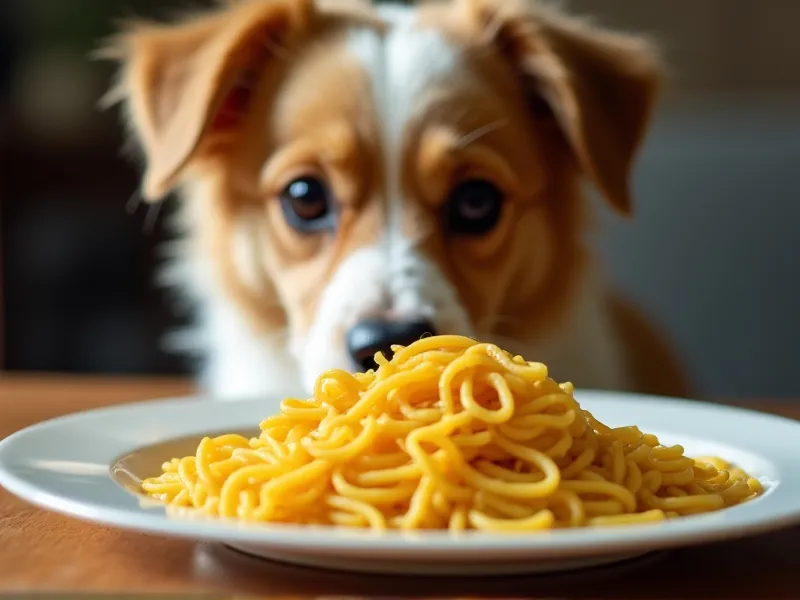
Table of Contents
- Can Dogs Eat Egg Noodles? The Short Answer
- The Benefits of Egg Noodles for Dogs (Yes, There Are Some!)
- The Risks: Why Egg Noodles Should Be a Treat, Not a Staple
- How Much Egg Noodle Can You Safely Feed Your Dog?
- Healthier Alternatives to Egg Noodles for Dogs
- Frequently Asked Questions (FAQ)
- Conclusion: Noodles and Pups—A Balanced Approach
- References
Can Dogs Eat Egg Noodles? The Short Answer
Yes, dogs can eat egg noodles in small, plain portions.
Egg noodles are made from a simple mix of eggs, flour, and water (and sometimes salt), which are generally non-toxic to dogs. The eggs in the noodles provide a boost of protein, and the cooked noodles themselves are soft and easy to digest (when prepared properly).
But here’s the catch: Egg noodles should never be a regular part of your dog’s diet. They’re high in carbohydrates and low in the essential nutrients dogs need to thrive. Think of them as a “sometimes treat”—like sharing a cookie with a friend, not a meal replacement.
Now, let’s unpack the details: the good, the not-so-good, and how to keep your pup safe.
The Benefits of Egg Noodles for Dogs (Yes, There Are Some!)
While egg noodles aren’t a superfood for dogs, they do offer a few minor perks when served plain and in moderation. Let’s break down the key benefits:
1. A Source of Protein (Thanks to Eggs!)
Eggs are a nutritional powerhouse for dogs. They’re packed with high-quality protein, which helps build and repair muscle, support a healthy coat, and keep energy levels steady. Since egg noodles contain eggs (the “egg” in their name, after all!), they inherit a small amount of this protein.
According to the American Kennel Club (AKC), eggs are safe for dogs and can even be a great occasional treat, as they’re rich in amino acids, vitamins (like B12 and riboflavin), and minerals (like selenium).
2. Easy to Digest (When Cooked)
Cooked egg noodles are soft and gentle on a dog’s stomach, making them a possible option for pups with temporary digestive upset—if recommended by your vet. For example, if your dog has an upset tummy and needs a bland diet, a tiny portion of plain, unseasoned egg noodles (mixed with boiled chicken) might help soothe their stomach (though rice is usually the go-to for bland diets, as we’ll discuss later).
3. A Low-Risk Treat for Picky Eaters
If your dog turns up their nose at regular treats, a small bite of plain egg noodle might pique their interest. The mild flavor and chewy texture can be appealing, especially for dogs who prefer “people food” over kibble. Just remember: This should never replace their balanced dog food!
The Risks: Why Egg Noodles Should Be a Treat, Not a Staple
While egg noodles aren’t toxic, they come with some risks—especially when overfed or prepared with added ingredients. Let’s cover the biggest concerns:
1. Empty Calories and Weight Gain
Egg noodles are primarily made of refined flour, which is high in carbohydrates. Dogs’ bodies are designed to thrive on protein and healthy fats, not excess carbs. Too many carbs can lead to weight gain, obesity, and even diabetes over time (especially in inactive dogs or breeds prone to weight issues, like Labs or Beagles).
Think of it this way: A cup of cooked egg noodles has about 220 calories and 40 grams of carbs—nearly half the daily calorie needs of a 10-pound dog! Feeding even a small bowl could throw off their calorie balance.
2. Added Ingredients: Salt, Butter, Garlic, and More
Here’s where things get risky: Most egg noodles we eat aren’t “plain.” We toss them in butter, sprinkle on garlic powder, mix in cheese, or drown them in creamy sauces. These additives are dangerous for dogs:
- Salt: Too much salt can cause sodium ion poisoning, leading to vomiting, diarrhea, seizures, or even death. Many store-bought egg noodles already contain added salt—check the label!
- Garlic/Onion: These are toxic to dogs, even in small amounts. They damage red blood cells and can cause anemia (ASPCA, 2023).
- Butter/Oil: High in fat, which can trigger pancreatitis—a painful and potentially life-threatening condition in dogs.
- Cheese/Cream Sauces: Dairy can cause stomach upset (many dogs are lactose intolerant), and creamy sauces often have added sugar or xylitol (a sugar substitute that’s toxic to dogs).
Rule of thumb: Only share plain, unseasoned, cooked egg noodles with your dog. No butter, no salt, no extras!
3. Choking Hazard (If Not Prepared Properly)
Long, uncut noodles can pose a choking risk—especially for small dogs or dogs who gulp their food. Cooked noodles are slippery and can get stuck in your pup’s throat. To avoid this, always cut noodles into small, bite-sized pieces before serving.
4. Stomach Upset (From Overindulgence)
Even plain egg noodles can cause digestive issues if your dog eats too much. The sudden influx of carbs can lead to bloating, gas, or diarrhea—no fun for you or your pup!
How Much Egg Noodle Can You Safely Feed Your Dog?
The golden rule: Less is more.
Egg noodles should make up no more than 10% of your dog’s daily calorie intake (the rest should come from their balanced dog food). To put that into perspective, here’s a rough guide based on your dog’s size:
| Dog Size | Weight | Safe Portion of Plain, Cooked Egg Noodles |
|---|---|---|
| Small | 5–20 lbs | 1–2 tablespoons (about 10–20 calories) |
| Medium | 20–50 lbs | 2–4 tablespoons (about 20–40 calories) |
| Large | 50–100+ lbs | ¼–½ cup (about 50–100 calories) |
Example: If you have a 30-pound Corgi, 3 tablespoons of plain egg noodles is plenty—about the size of a ping-pong ball.
And remember: This is a treat, not a meal. If you feed egg noodles, reduce their regular kibble slightly that day to avoid overfeeding.
Healthier Alternatives to Egg Noodles for Dogs
If you want to share a “noodle-like” treat with your dog, there are better options than egg noodles—ones that are more nutritious and lower in empty carbs. Here are our top picks:
1. Plain Scrambled Eggs (No Butter!)
Skip the noodles and go straight for the star ingredient: eggs! Scrambled eggs (cooked in water, not oil) are packed with protein, vitamins, and minerals—plus, they’re easier to digest than noodles. A small scrambled egg (no salt) is a far healthier treat than a bowl of carbs.
2. Whole-Grain Pasta
If your dog loves noodles, opt for whole-grain pasta instead of egg noodles. Whole grains (like whole wheat or brown rice pasta) have more fiber and nutrients than refined flour, which helps support digestion and keeps your pup full longer. Just serve plain, cooked, and cut into small pieces.
3. Spiralized Veggies (“Zoodles” or “Sweet Potato Noodles”)
For a low-carb, nutrient-dense alternative, try spiralized veggies! Zucchini noodles (“zoodles”) or sweet potato noodles are soft, chewy, and packed with vitamins A, C, and fiber. Cook them lightly (steamed or boiled) to make them easier to digest—no sauce needed!
4. Cooked Brown Rice or Quinoa
Rice and quinoa are bland, easy to digest, and rich in fiber. They’re often recommended by vets for dogs with upset tummies (mixed with boiled chicken) and make a better “carby treat” than egg noodles.
Frequently Asked Questions (FAQ)
Got more questions? We’ve got answers! Here are the most common ones pet parents ask about dogs and egg noodles:
Q: Can puppies eat egg noodles?
A: Yes, but in even smaller portions. Puppies have tiny tummies and sensitive digestive systems, so stick to 1–2 teaspoons (for toy breeds) or 1 tablespoon (for medium puppies) of plain, cooked egg noodles. Always consult your vet first, especially if your puppy has dietary restrictions.
Q: My dog ate a whole bowl of egg noodles—should I panic?
A: Probably not, but monitor them closely. A one-time indulgence is unlikely to cause serious harm, but your dog may experience bloating, gas, or diarrhea. If they vomit, act lethargic, or have diarrhea for more than 24 hours, contact your vet.
Q: Are raw egg noodles safe for dogs?
A: No! Raw egg noodles (or raw flour/eggs) can contain bacteria like Salmonella or E. coli, which can make your dog sick. Always cook egg noodles thoroughly before sharing.
Q: Can dogs with diabetes eat egg noodles?
A: It’s best to avoid them. Egg noodles are high in carbs, which can spike blood sugar levels. If your dog has diabetes, ask your vet for low-carb treat options instead (like green beans or plain chicken).
Q: Are egg noodles better than regular pasta for dogs?
A: Not really. Both are high in refined carbs, but egg noodles have a tiny bit more protein (thanks to the eggs). For a healthier choice, go with whole-grain pasta or veggies instead.
Conclusion: Noodles and Pups—A Balanced Approach
Sharing a small bite of plain, cooked egg noodles with your dog is a sweet way to bond, but remember: Moderation is key. These noodles are a treat, not a meal, and they should never replace your dog’s balanced, vet-approved food.
When in doubt, ask yourself: Is this helping my dog thrive, or just satisfying my urge to share? If it’s the latter, opt for a healthier alternative like scrambled eggs or zoodles. And if your dog has health issues (like obesity, diabetes, or food allergies), always check with your vet before introducing new treats.
At the end of the day, your pup’s favorite “treat” is probably just spending time with you—noodle or no noodle. So twirl that fork, enjoy your dinner, and maybe share a tiny bite (plain, of course) with your loyal companion. They’ll wag their tail either way!
References
- American Kennel Club (AKC). (2023). Can Dogs Eat Eggs? https://www.akc.org/expert-advice/nutrition/can-dogs-eat-eggs/
- ASPCA. (2023). Toxic and Non-Toxic Plants & Foods. https://www.aspca.org/pet-care/animal-poison-control/toxic-and-non-toxic-plants
- PetMD. (2023). Human Foods Dogs Can and Can’t Eat. https://www.petmd.com/dog/nutrition/human-foods-dogs-can-and-cant-eat
- Veterinary Centers of America (VCA). (2023). Pancreatitis in Dogs. https://vcahospitals.com/know-your-pet/pancreatitis-in-dogs