· 8 min read
Can Dogs Eat Dried Coconut? Benefits, Risks, and Safe Feeding Guidelines
Picture this: You’re curled up on the couch, snacking on a bowl of unsweetened dried coconut flakes—crunchy, slightly sweet, and totally addictive. Your dog, ever the opportunist, plops down beside you, nose twitching, tail thumping a hopeful rhythm. “Just a tiny piece?” you think. After all, coconut is everywhere these days—touted as a superfood for humans. But is it safe for your pup?
If you’ve ever wondered whether dried coconut belongs in your dog’s treat jar, you’re not alone. Let’s dive into the details: the benefits, the risks, and how to decide if this tropical snack is a go or a no for your four-legged friend.
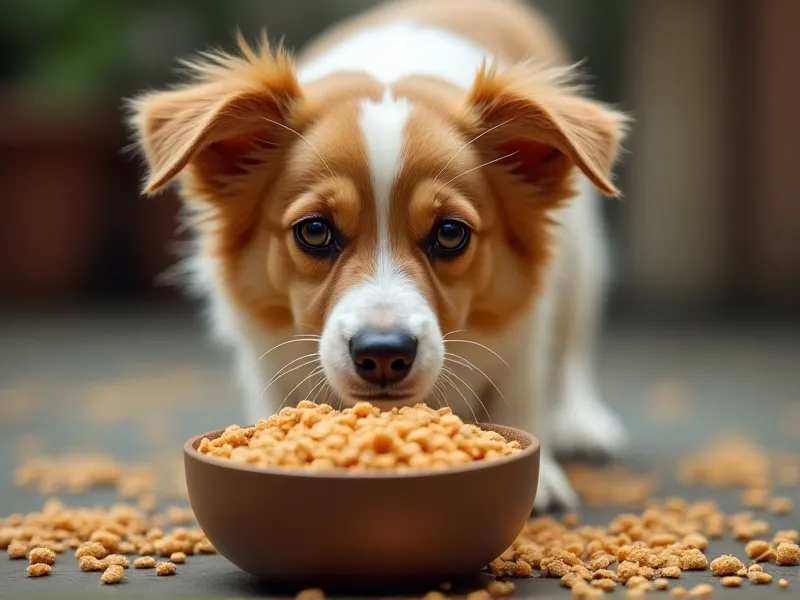
Table of Contents
- Can Dogs Eat Dried Coconut? The Short Answer
- The Potential Benefits of Dried Coconut for Dogs
- The Risks of Feeding Dried Coconut to Dogs
- How Much Dried Coconut Can Dogs Safely Eat?
- Healthier Alternatives to Dried Coconut
- Frequently Asked Questions (FAQ)
- Conclusion: Treat Smart, Keep Your Pup Happy
- References
Can Dogs Eat Dried Coconut? The Short Answer
Yes, but with strict conditions. Unsweetened, plain dried coconut can be a safe, occasional treat for most dogs. However, it’s far from a “superfood” for pups, and the risks often outweigh the benefits if not fed carefully. The key red flags? Added sugars, excessive portions, and low-quality products.
Think of dried coconut like potato chips for dogs: fine as a rare indulgence, but not something you’d want to make a regular part of their diet. Let’s break down why.
The Potential Benefits of Dried Coconut for Dogs
Dried coconut isn’t all bad—when unsweetened and given in tiny amounts, it does offer a few nutrients that might support your dog’s health. Here’s what to know:
Fiber: A Friend to Digestion (In Moderation)
Dried coconut is rich in dietary fiber, with about 7 grams of fiber per ¼ cup (unsweetened). Fiber helps keep your dog’s digestive system moving smoothly by adding bulk to stool and feeding beneficial gut bacteria. For dogs with occasional constipation, a tiny sprinkle of dried coconut might help—but this is a delicate balance. Too much fiber can backfire (more on that later!).
Potassium: Supporting Heart and Muscle Health
Potassium is an essential electrolyte that helps regulate your dog’s heart rhythm, muscle contractions, and fluid balance. A ¼ cup of unsweetened dried coconut contains around 100 mg of potassium—about 2% of a dog’s daily needs (depending on size). While this isn’t a significant source, every little bit helps support overall heart and muscle function.
MCTs: A Note on Healthy Fats
Coconut (including dried coconut) contains medium-chain triglycerides (MCTs), a type of fat that’s easier for dogs to digest than long-chain fats. MCTs are being studied for potential benefits like boosting energy, supporting brain health, and even aiding in weight management. However, most of the MCT research focuses on coconut oil, not dried coconut—and dried coconut’s fat content is more concentrated, which brings its own risks.
The Risks of Feeding Dried Coconut to Dogs
The benefits of dried coconut are minor, and the risks are very real. Here’s why you need to proceed with caution:
Added Sugar: The Hidden Danger in Most Dried Coconut
This is the biggest risk. Most commercial dried coconut products—even those labeled “natural”—contain added sugars, honey, or syrups to enhance flavor. For example, a popular brand of “dried coconut flakes” lists “cane sugar” as the second ingredient, adding 5 grams of sugar per ¼ cup.
Dogs have no nutritional need for sugar. Excess sugar leads to obesity, dental disease, and an increased risk of diabetes. Even “unsweetened” dried coconut can have natural sugars (coconut itself contains about 2 grams of sugar per ¼ cup), but added sugars are the real enemy here. Always check the label: if “sugar,” “honey,” or “high-fructose corn syrup” is listed, skip it for your dog.
Stomach Upset: Too Much Fiber = Unhappy Tummies
While fiber is good for digestion, dried coconut’s fiber content is intense. A ¼ cup of unsweetened dried coconut has as much fiber as a medium apple (with skin) for humans. For a 10-pound dog, that’s like you eating 3-4 apples in one sitting—hardly gentle on the gut.
Too much dried coconut can cause:
- Bloating and gas
- Diarrhea or loose stools
- Stomach cramps
Small dogs and those with sensitive stomachs (e.g., breeds prone to IBS) are especially at risk.
Choking Hazard: Size and Texture Matter
Dried coconut comes in many forms: flakes, shreds, chips, or chunks. While fine flakes are usually safe, larger pieces (like coconut chips or chunks) can pose a choking risk, especially for small dogs (e.g., Chihuahuas, Yorkies) or dogs who gulp their food. Even flakes can clump in your dog’s throat if they inhale them too quickly.
High Calories and Fat: A Recipe for Weight Gain
Dried coconut is calorie-dense: ¼ cup of unsweetened dried coconut has about 180 calories and 16 grams of fat. For context, a 20-pound dog needs only 400-600 calories per day. A single “treat” of ¼ cup would make up 30-45% of their daily calories!
Excess fat and calories lead to obesity, which increases the risk of joint pain, heart disease, and diabetes. Worse, high-fat foods can trigger pancreatitis in dogs—a painful, potentially life-threatening condition where the pancreas becomes inflamed.
How Much Dried Coconut Can Dogs Safely Eat?
If you still want to share a tiny taste of unsweetened dried coconut with your dog, follow these rules:
- Stick to unsweetened, additive-free products. No sugar, salt, sulfites, or preservatives. Look for “unsweetened shredded coconut” or “unsweetened coconut flakes” with only “coconut” on the ingredient list.
- Limit portions to “micro-treats.”
- Small dogs (under 20 lbs): 1–2 teaspoons per day
- Medium dogs (20–50 lbs): 2–3 teaspoons per day
- Large dogs (50+ lbs): 3–4 teaspoons per day
- Frequency: Once or twice a week, max. Dried coconut shouldn’t be a daily treat.
- Avoid if your dog has health issues. Skip it if your dog has diabetes, pancreatitis, obesity, or a sensitive stomach.
Healthier Alternatives to Dried Coconut
If you’re looking for a safe, low-risk treat, skip the dried coconut and opt for these alternatives instead:
- Fresh coconut meat (in moderation): Less concentrated in sugar and fat than dried, with more moisture. Remove the hard outer shell and serve tiny pieces (1–2 bites for small dogs).
- Coconut oil: A better source of MCTs with fewer risks. Start with ¼ teaspoon per 10 lbs of body weight daily, mixed into food. It can support skin health and digestion.
- Blueberries: Low in calories, high in antioxidants, and safe for most dogs.
- Carrots: Crunchy, low-calorie, and packed with fiber and vitamin A.
- Apples (seedless): A sweet, fiber-rich treat (remove the core and seeds first!).
Frequently Asked Questions (FAQ)
Q: Is unsweetened dried coconut toxic to dogs?
A: No, unsweetened dried coconut is not toxic. However, it can cause stomach upset or weight gain if overfed.
Q: My dog ate a whole bag of dried coconut—what should I do?
A: Contact your vet immediately. Symptoms to watch for: vomiting, diarrhea, bloating, or lethargy. The high fat and fiber content could lead to pancreatitis or intestinal blockage, especially in small dogs.
Q: Can puppies eat dried coconut?
A: It’s best to avoid. Puppies have sensitive digestive systems, and the high fat/fiber in dried coconut could cause diarrhea or stunted growth if overfed.
Q: Are there any dogs that should never eat dried coconut?
A: Yes. Dogs with diabetes, pancreatitis, obesity, or inflammatory bowel disease (IBD) should avoid dried coconut entirely.
Conclusion: Treat Smart, Keep Your Pup Happy
Dried coconut isn’t a “yes” or “no” food for dogs—it’s a “maybe, but probably not worth it.” Unsweetened, tiny portions might be safe for some dogs, but the risks (sugar, stomach upset, weight gain) are hard to justify when there are healthier treats available.
If you do share dried coconut, always check the label for added sugars, stick to micro-portions, and monitor your dog for any adverse reactions. And when in doubt? Ask your vet. They know your dog’s unique health needs best.
At the end of the day, the best treats are the ones that keep your pup happy, healthy, and coming back for more—without the extra drama. Save the dried coconut for your own trail mix, and spoil your dog with something safer instead.
References
- American Society for the Prevention of Cruelty to Animals (ASPCA). “People Foods to Avoid Feeding Your Pets.” aspca.org/pet-care/animal-poison-control/people-foods-avoid-feeding-your-pets
- American Kennel Club (AKC). “Can Dogs Eat Coconut?” akc.org/expert-advice/nutrition/can-dogs-eat-coconut/
- PetMD. “Coconut Oil for Dogs: Benefits and Risks.” petmd.com/dog/nutrition/coconut-oil-dogs-benefits-and-risks
- Cummings Veterinary Medical Center at Tufts University. “Dietary Fiber for Dogs and Cats.” tuftscvm.com/宠物健康/营养/dietary-fiber-for-dogs-and-cats