· 8 min read
Can Dogs Eat Dragonflies? What Pet Parents Need to Know
It’s a picture-perfect summer day: your dog is bounding through the grass, tail wagging, when suddenly—zip!—a flash of emerald and gold streaks by. Before you can shout “leave it,” your pup leaps, jaws snapping, and… crunch. They just swallowed a dragonfly. Panic sets in: Is this dangerous? Will they get sick? As a pet parent, it’s natural to worry when your curious canine snacks on something “unconventional.”
Dragonflies are everywhere in warm weather—darting over ponds, hovering above gardens, and apparently, making irresistible targets for dogs. But are these winged insects safe for our furry friends? Let’s dive into the facts, separate myth from reality, and help you keep your pup happy (and healthy) this bug season.
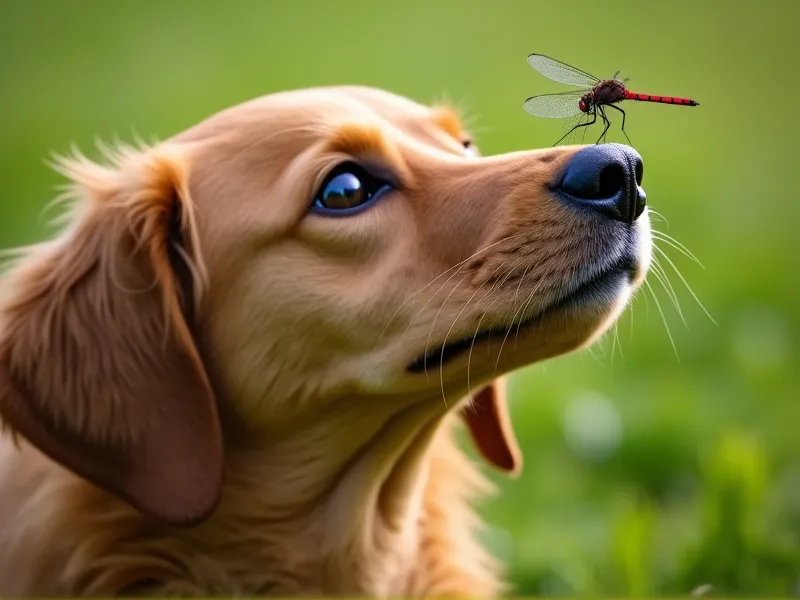
Table of Contents
- Can Dogs Eat Dragonflies? The Short Answer
- Potential “Benefits” of Dragonflies for Dogs (Spoiler: They’re Minimal)
- The Risks: Why Dragonflies Aren’t a “Safe” Snack
- How Much Dragonfly is “Too Much”? Guidelines for Pet Parents
- Healthier Alternatives to Dragonflies
- FAQ: Your Dragonfly-Dog Questions Answered
- Conclusion: Moderation and Common Sense
- References
Can Dogs Eat Dragonflies? The Short Answer
Let’s cut to the chase: In most cases, a single dragonfly is unlikely to harm your dog. These insects are not toxic to dogs, and many pups will snack on one (or even a few) without any issues. That said, “not toxic” doesn’t mean “safe as a regular snack.” Dragonflies come with hidden risks, and they offer almost no nutritional benefit to your dog. Think of them like a “junk food” for dogs—tempting, but not something to encourage.
Potential “Benefits” of Dragonflies for Dogs (Spoiler: They’re Minimal)
Before we get into the risks, let’s address the elephant in the room: Do dragonflies offer any upsides for dogs? Technically, they’re insects, and insects are packed with nutrients—so maybe? Let’s break it down:
1. Protein (But Not the “Good” Kind)
Dragonflies, like all insects, are high in protein. In fact, insects are often praised as a sustainable protein source for humans and animals alike, with some studies noting they contain 60-70% protein by dry weight (comparable to chicken or beef) (Journal of Insects as Food and Feed, 2020). But here’s the catch: The protein in a wild dragonfly isn’t “complete” for dogs. Dogs need specific amino acids (like taurine) that may not be present in sufficient quantities in random insects. Plus, a single dragonfly is tiny—your 50-pound dog would need to eat hundreds to get a meaningful amount of protein.
2. Fiber (From the Exoskeleton)
Dragonflies have a hard outer shell (exoskeleton) made of chitin, a fibrous substance similar to plant fiber. In small amounts, chitin might help with digestion by adding bulk to stool (VCA Hospitals). But again: A single dragonfly’s exoskeleton is minuscule. Your dog would get far more fiber from a handful of pumpkin puree or a carrot stick than from chasing bugs.
3. Trace Minerals (But Not Worth the Risk)
Some insects contain small amounts of minerals like potassium, iron, or magnesium. Dragonflies, which feed on other insects (like mosquitoes and flies), might accumulate these nutrients. But again, the quantities are negligible. Your dog’s balanced kibble or wet food already has all the minerals they need—no need to rely on wild-caught bugs.
The Risks: Why Dragonflies Aren’t a “Safe” Snack
Now, let’s talk about the downsides. While one dragonfly is rarely a crisis, these insects come with hidden dangers that make them a poor choice for your pup.
1. Choking or Blockage Hazard
Dragonflies have long, slender bodies and delicate wings—but to a small dog (or a dog who gulps without chewing), they can pose a choking risk. The wings, in particular, are thin and sharp; if swallowed whole, they might scratch the throat or get stuck in the esophagus. For toy breeds (like Chihuahuas or Yorkies) or dogs with small airways, this is a bigger concern.
Even if they don’t choke, the exoskeleton (chitin) is tough to digest. In large quantities, it could clump together and cause an intestinal blockage—a painful, potentially life-threatening condition that often requires surgery (ASPCA).
2. Pesticides and Chemicals
Dragonflies are apex predators of the insect world, which means they eat other bugs—and those bugs might have been exposed to pesticides. If you live in an area where lawns, gardens, or ponds are treated with insecticides (like permethrin or organophosphates), the dragonfly your dog ate could be carrying harmful residues.
Pesticide poisoning in dogs can cause symptoms like vomiting, diarrhea, tremors, or even seizures (PetMD). Even “organic” pesticides (like neem oil or pyrethrins) can irritate a dog’s stomach if ingested in large amounts.
3. Parasites or Pathogens
Wild insects often carry parasites, bacteria, or viruses. Dragonflies, which spend their larval stage in water (called “nymphs”), might pick up parasites like giardia or roundworms from contaminated ponds or puddles. While your dog’s immune system can usually handle small doses, repeated exposure (e.g., eating multiple dragonflies) could lead to an infestation (Veterinary Partner).
4. Allergic Reactions (Rare, But Possible)
Some dogs are sensitive to insect proteins, and dragonflies are no exception. While rare, an allergic reaction could cause itching, swelling, or hives. In severe cases, it might even trigger anaphylaxis (though this is extremely uncommon with dragonflies specifically).
How Much Dragonfly is “Too Much”? Guidelines for Pet Parents
So, if your dog snatches a dragonfly mid-flight, should you panic? Probably not. Here’s how to gauge the risk:
Accidental Ingestion (1-2 Dragonflies)
If your dog eats one or two dragonflies, monitor them for 24 hours. Most pups will show no symptoms. If they do vomit or have diarrhea, it’s likely due to the exoskeleton irritating their stomach—not toxicity. Offer small sips of water and bland food (like boiled chicken and rice) to soothe their gut.
Frequent Snacking (3+ Dragonflies)
If your dog is a “bug hunter” and eats multiple dragonflies in a day (or over several days), the risks go up. Watch for:
- Persistent vomiting or diarrhea
- Lethargy or loss of appetite
- Abdominal pain (e.g., pacing, whining, or avoiding touch)
- Difficulty breathing (sign of choking or blockage)
If you notice any of these, call your vet immediately.
Puppies, Seniors, or Dogs with Health Issues
Puppies (under 6 months), senior dogs, or dogs with conditions like inflammatory bowel disease (IBD) have weaker digestive systems. Even a single dragonfly could cause stomach upset. Keep a closer eye on these pups, and consult your vet if they show any signs of distress.
Healthier Alternatives to Dragonflies
If your dog loves chasing bugs, why not swap the dragonflies for safer, more nutritious snacks? Here are some vet-approved alternatives:
1. Freeze-Dried Insect Treats
Believe it or not, there are dog treats made from farmed insects (like crickets or mealworms) that are raised specifically for pets. These are pesticide-free, parasite-free, and packed with protein. Brands like Yora or Jiminy’s offer insect-based treats that are safe and sustainable.
2. Lean Proteins
Cooked chicken, turkey, or fish (without bones) are excellent sources of protein—no exoskeleton required! Just be sure to avoid seasoning (salt, garlic, or onion are toxic to dogs).
3. Crunchy Veggies
Carrots, celery, or green beans make great low-calorie, high-fiber snacks. They satisfy that “crunch” urge without the risk of pesticides or parasites.
4. Fruit (In Moderation)
Blueberries, apples (without seeds), or banana slices are packed with vitamins and antioxidants. Just keep portions small—too much fruit can cause diarrhea due to natural sugars.
FAQ: Your Dragonfly-Dog Questions Answered
Q: My dog ate a dragonfly and is vomiting. Should I go to the vet?
A: If vomiting is mild (1-2 times) and your dog is otherwise acting normal, try the bland food/water approach first. If vomiting is frequent, or if they’re lethargic, contact your vet—they may need anti-nausea medication.
Q: Are dragonflies toxic to dogs?
A: No, dragonflies are not toxic. The risks come from choking, pesticides, or parasites—not the insect itself.
Q: Can puppies eat dragonflies?
A: Puppies have sensitive stomachs, so even a single dragonfly might cause diarrhea. It’s best to discourage puppies from eating bugs altogether.
Q: My dog is obsessed with chasing dragonflies. How do I stop them?
A: Redirect their focus! Keep a toy or treat handy, and call them to you when they start fixating on bugs. Praise them heavily when they respond—positive reinforcement works better than scolding.
Conclusion: Moderation and Common Sense
At the end of the day, dragonflies are more of a “nuisance snack” than a true danger. A single accidental ingestion is unlikely to harm your dog, but there’s no need to let them make a habit of it. Instead, focus on providing a balanced diet and safe, vet-approved treats.
If your dog does eat a dragonfly, stay calm, monitor for symptoms, and when in doubt—call your vet. After all, when it comes to our pups, it’s better to be safe than sorry.
Here’s to a summer of happy (and bug-free!) playtime with your furry friend.
References
- American Society for the Prevention of Cruelty to Animals (ASPCA). “Common Poisons.” aspca.org.
- Journal of Insects as Food and Feed. “Nutritional Value of Edible Insects.” 2020. tandfonline.com.
- PetMD. “Pesticide Poisoning in Dogs.” petmd.com.
- Veterinary Partner. “Parasites in Dogs.” veterinarypartner.vin.com.
- VCA Hospitals. “Nutrition Basics for Dogs.” vcahospitals.com.