· 9 min read
Can Dogs Eat Dot’s Pretzels? What Pet Parents Need to Know
It’s a lazy Sunday afternoon, and you’re curled up on the couch with a bag of Dot’s Pretzels—crunchy, buttery, and just salty enough to hit the spot. Out of the corner of your eye, you notice your dog, Max, staring up at you with those irresistible puppy eyes, tail thumping gently. “Just one little piece?” you think. “What harm could it do?”
If you’ve ever found yourself in this scenario, you’re not alone. Dot’s Pretzels have become a snack-time staple in many households, thanks to their addictive flavor and satisfying crunch. But when it comes to sharing human snacks with our four-legged family members, the stakes are higher than we might realize. Can dogs eat Dot’s Pretzels, or is this a snack better kept to ourselves?
In this guide, we’ll break down the facts, from the ingredients in Dot’s Pretzels to the risks (and very few “benefits”) of feeding them to your dog. We’ll also share safer alternatives and answer common questions to help you make the best choice for your pup.
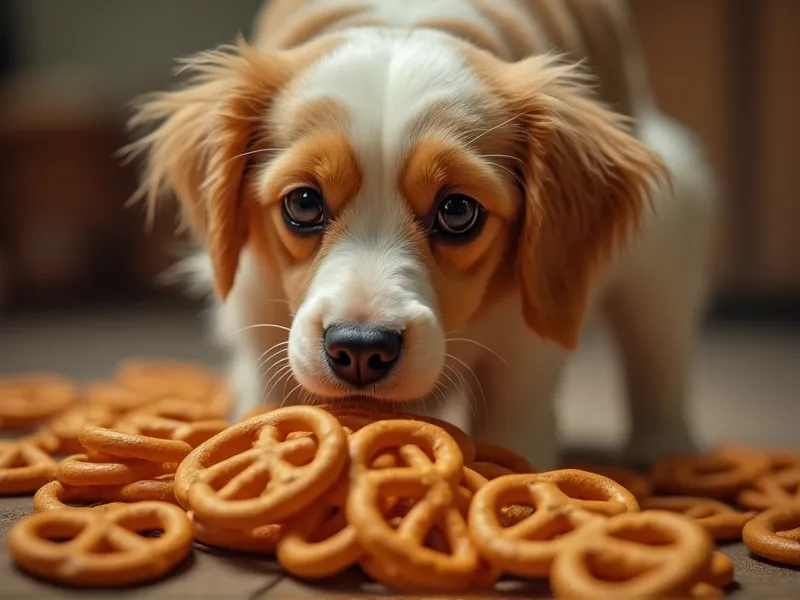
Table of Contents
- Can Dogs Eat Dot’s Pretzels? The Short Answer
- What Are Dot’s Pretzels, Anyway?
- Potential “Benefits”—But Let’s Be Real
- The Risks: Why Dot’s Pretzels Might Not Be the Best Choice
- How Much (If Any) Is Safe to Feed?
- Healthier Alternatives to Dot’s Pretzels
- FAQ: Your Top Questions Answered
- Conclusion: When in Doubt, Prioritize Your Pup’s Health
Can Dogs Eat Dot’s Pretzels? The Short Answer
No, Dot’s Pretzels are not a safe or healthy snack for dogs.
While plain, unflavored Dot’s Pretzels aren’t toxic (in small amounts), they’re packed with ingredients that can harm your dog over time—think excessive salt, empty calories, and potential choking hazards. Flavored varieties (like garlic, onion, or cheese) are even riskier, as they may contain toxic ingredients for dogs.
In short: It’s better to skip sharing Dot’s Pretzels with your pup. Let’s dig into why.
What Are Dot’s Pretzels, Anyway?
First, let’s get to know the snack in question. Dot’s Homestyle Pretzels, founded in 2012, exploded in popularity for their “buttery, salty, crunchy” flavor. They’re made with a signature blend of ingredients, though the exact recipe varies by flavor.
Most plain Dot’s Pretzels include:
- Enriched flour (wheat flour, niacin, iron, thiamine, riboflavin, folic acid)
- Salt
- Vegetable oil (soybean or canola)
- Sugar
- Yeast
- Butter flavoring (often artificial)
- Leavening agents (like baking soda)
Flavored varieties (e.g., “Jalapeno,” “Honey Mustard,” or “Garlic Parmesan”) add extra seasonings, spices, or flavorings—some of which are dangerous for dogs (more on that later).
Potential “Benefits”—But Let’s Be Real
You might be thinking, “Okay, but pretzels are low in fat, right? Could they have any upside?” Let’s set the record straight: The “benefits” of Dot’s Pretzels for dogs are minimal, if not nonexistent.
Fiber? Maybe a Tiny Bit.
Enriched flour does contain some fiber, but it’s refined and stripped of most nutrients. A single pretzel offers negligible fiber compared to dog-safe veggies like carrots or sweet potatoes.
Potassium? Trace Amounts.
Pretzels have a tiny amount of potassium (a mineral dogs need for muscle and heart health), but again—you’d have to feed your dog an unsafe amount to see any real benefit.
Low in Fat? Yes, But…
Plain pretzels are lower in fat than chips or cookies, but “low fat” doesn’t equal “healthy.” The high salt and sugar content more than cancel out this minor plus.
Bottom line: Dot’s Pretzels are “empty calories” for dogs. They offer no meaningful nutrition and come with significant risks.
The Risks: Why Dot’s Pretzels Might Not Be the Best Choice
Now, let’s talk about the real concerns with feeding Dot’s Pretzels to your dog. From sodium overload to choking hazards, these risks are nothing to brush off.
1. Excessive Sodium: A Recipe for Salt Toxicity
Dogs need sodium to survive, but only in small amounts. According to the American College of Veterinary Nutrition, adult dogs require about 100 mg of sodium per kilogram of body weight per day. For a 30-pound dog (13.6 kg), that’s just 1,360 mg of sodium daily—total (from food, treats, and water).
A single serving of Dot’s Pretzels (about 55 pretzels, or 1 oz) contains 380 mg of sodium. If your 30-pound dog eats just 4 oz (a small handful), they’d consume 1,520 mg of sodium—more than their entire daily needs.
What happens if a dog eats too much salt?
Salt toxicity (hypernatremia) occurs when sodium levels in the blood spike, leading to dehydration and organ damage. Symptoms include:
- Excessive thirst and urination
- Lethargy or restlessness
- Vomiting or diarrhea
- Tremors, seizures, or confusion (in severe cases)
In extreme cases, salt toxicity can be fatal. Even small, repeated doses of salty snacks like Dot’s Pretzels can lead to long-term issues like high blood pressure or kidney strain.
2. Sugar: A Slippery Slope to Obesity and Dental Disease
Dot’s Pretzels contain added sugar (check the label—most flavors have 1-2 grams per serving). While that might seem small, sugar adds up quickly, especially if your dog begs for “just one more.”
Over time, excess sugar can cause:
- Obesity: Dogs are prone to weight gain, which increases their risk of diabetes, joint pain, and heart disease.
- Dental decay: Sugar feeds harmful bacteria in your dog’s mouth, leading to cavities and gum disease.
Dogs don’t need sugar in their diet—their bodies are designed to thrive on protein, healthy fats, and complex carbs (like those in whole grains or veggies).
3. Choking Hazard: Small, Hard, and Crunchy
Dot’s Pretzels are small, hard, and dry—perfect for getting stuck in a dog’s throat, especially for small breeds or dogs who gulp their food. Puppies, senior dogs, or dogs with dental issues are at even higher risk.
If a pretzel lodges in your dog’s airway, it can block breathing, leading to a life-threatening emergency. Even if it doesn’t choke them, the hard texture can scratch their gums or damage teeth.
4. Flavored Varieties: Hidden Toxins
Plain Dot’s Pretzels are risky enough, but flavored versions are far worse. Many contain ingredients toxic to dogs, including:
- Garlic/Onion: Found in “Garlic Parmesan” or “Everything” flavors. Garlic and onion (even in powder form) contain thiosulphate, which damages a dog’s red blood cells, leading to anemia. Symptoms include weakness, pale gums, and vomiting.
- Cheese: “Cheddar” or “Parmesan” flavors often use cheese powder, which is high in lactose. Most dogs are lactose intolerant, leading to gas, diarrhea, or stomach pain.
- Spices/Seasonings: Jalapeno, chili powder, or paprika can irritate your dog’s digestive tract, causing vomiting or inflammation.
How Much (If Any) Is Safe to Feed?
Let’s say you’re still tempted to share a tiny piece with your begging pup. Is there a “safe” amount?
The honest answer: It’s better to avoid them entirely.
If you must give your dog a taste (we get it—those puppy eyes are tough!), stick to these strict guidelines:
- Only plain, unflavored Dot’s Pretzels (no garlic, onion, cheese, or spices).
- 1-2 small pieces maximum (about the size of a thumbnail) for a medium-to-large dog (e.g., a 50-pound lab).
- Never more than once a month (and even that’s pushing it).
- Avoid entirely for small dogs, puppies, seniors, or dogs with health issues (e.g., kidney disease, diabetes, or obesity).
Even with these rules, there’s no guarantee of safety. A single pretzel could trigger an upset stomach in a sensitive dog. When in doubt, skip it.
Healthier Alternatives to Dot’s Pretzels
Instead of Dot’s Pretzels, treat your dog to snacks that are actually good for them. Here are our top picks:
1. Fresh Veggies (Crunchy and Nutritious!)
- Carrot sticks: Low in calories, high in fiber and vitamin A (great for eyesight).
- Green beans: Packed with vitamins C and K, plus fiber—they’re even a favorite “diet food” for overweight dogs.
- Cucumber slices: Hydrating and low in sugar (perfect for hot days!).
2. Plain Popcorn (Air-Popped, No Additives)
Skip the butter and salt! Air-popped popcorn is a low-calorie, fiber-rich snack. Just make sure it’s plain (no butter, salt, or caramel) and break it into small pieces to avoid choking.
3. Dog-Specific Treats
Look for high-quality dog treats with simple ingredients (e.g., “chicken and sweet potato” or “peanut butter and oats”). Avoid treats with added sugar, salt, or artificial flavors. Brands like Blue Buffalo, Zuke’s, or Wellness are good options.
4. Frozen Snacks (For a Cool Treat)
- Freeze plain yogurt (lactose-free, if possible) in ice cube trays.
- Blend banana and peanut butter (no xylitol!) and freeze in small molds.
5. Cooked Lean Proteins
A tiny piece of cooked chicken, turkey, or salmon (no bones, skin, or seasoning) makes a high-protein, low-risk snack.
FAQ: Your Top Questions Answered
Q: My dog ate a handful of Dot’s Pretzels—what should I do?
A: Stay calm. If it was plain and your dog is acting normal (no vomiting, diarrhea, or lethargy), offer them fresh water and monitor for 24 hours. If they ate flavored pretzels (garlic/onion) or show symptoms like excessive thirst, vomiting, or weakness, contact your vet immediately.
Q: Are Dot’s Pretzels worse than other pretzels (e.g., Snyder’s or Rold Gold)?
A: Most store-bought pretzels have similar risks (high salt, empty calories). Dot’s are no better or worse than other brands—they’re all best avoided.
Q: Can puppies have Dot’s Pretzels?
A: No. Puppies have sensitive digestive systems and are more prone to choking. Stick to puppy-safe treats recommended by your vet.
Q: What if my dog has kidney disease—are Dot’s Pretzels extra dangerous?
A: Yes! Dogs with kidney disease need strict sodium restrictions. Even a small amount of pretzels could worsen their condition. Always check with your vet before sharing human food with a dog with health issues.
Conclusion: When in Doubt, Prioritize Your Pup’s Health
At the end of the day, sharing a snack with your dog is about love—but love means keeping them safe. While Dot’s Pretzels might seem harmless, their high salt, sugar, and choking risks make them a poor choice for your pup.
Instead, opt for dog-friendly snacks like carrots, green beans, or plain popcorn. Not only are these options healthier, but they’ll also keep your dog’s tail wagging (and their belly happy).
When in doubt, always consult your vet before introducing new foods to your dog’s diet. They know your pup’s unique needs and can guide you toward the best choices.
Here’s to many happy, healthy snack times with your favorite furry friend!
References
- American Society for the Prevention of Cruelty to Animals (ASPCA). “Onions, Garlic, Chives.” aspca.org/pet-care/animal-poison-control/people-foods-avoid-feeding-your-pet
- PetMD. “Salt Poisoning in Dogs.” petmd.com/dog/conditions/toxicity/salt-poisoning-dogs
- American Kennel Club (AKC). “Human Foods Dogs Can and Can’t Eat.” akc.org/expert-advice/nutrition/human-foods-dogs-can-and-cant-eat
- Veterinary Centers of America (VCA). “Dietary Fiber for Dogs.” vca.com/pet-health/dog-health/dietary-fiber-for-dogs