· 8 min read
Can Dogs Eat Doritos Nacho Cheese? The Crunchy Truth Every Pet Parent Needs to Know
It’s 7 PM on a Friday, and you’re settled in for movie night with a big bowl of Doritos Nacho Cheese. The lights are dim, the snacks are salty, and suddenly—those eyes. Your dog, tail thumping, nose twitching, stares up at you like you’re holding the key to the universe. “C’mon,” they seem to say, “just one little chip? I’ll be your best friend forever.”
We’ve all been there. The urge to share our favorite snacks with our furry companions is real, but when it comes to processed human foods like Doritos, the stakes are higher than we might think. Are these cheesy, crunchy chips safe for dogs? Or are they a recipe for an upset stomach (or worse)?
In this post, we’re diving deep into the world of Doritos Nacho Cheese and dogs. We’ll break down the ingredients, weigh the (minimal) benefits against the (very real) risks, and share safer snack alternatives your pup will love. Let’s crunch the facts—pun absolutely intended.
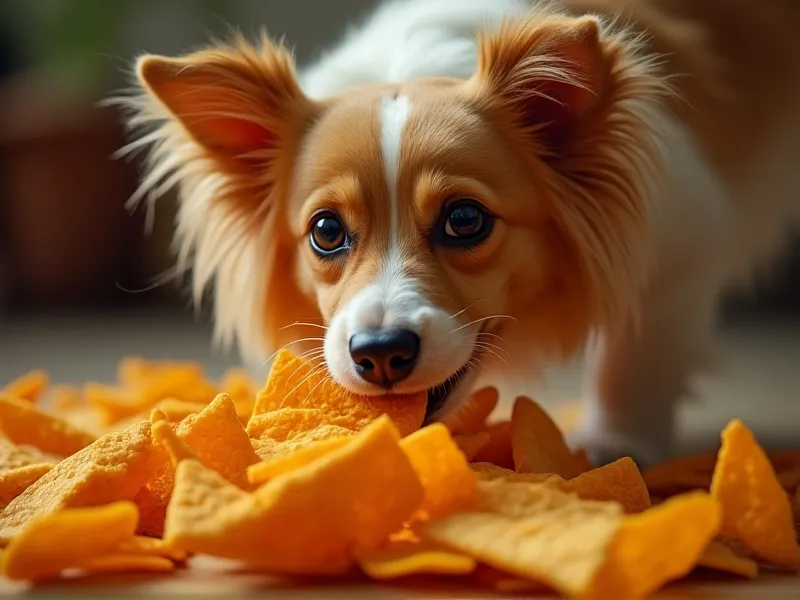
Table of Contents
- Can Dogs Eat Doritos Nacho Cheese? The Short Answer
- What’s Actually in a Dorito Nacho Cheese Chip?
- Potential “Benefits”: Are There Any Nutritional Upsides?
- The Risks: Why Doritos Are a Bad Idea for Dogs
- If Your Dog Sneaks a Dorito: What to Do
- Healthier Alternatives to Doritos for Dogs
- FAQ: Your Top Dorito-and-Dog Questions Answered
- Conclusion: Keep the Crunch for Yourself (Mostly)
Can Dogs Eat Doritos Nacho Cheese? The Short Answer
No, Doritos Nacho Cheese are not safe for dogs.
While a single chip isn’t likely to kill your dog, these snacks offer zero nutritional value and are packed with ingredients that can harm your pup over time (or even in one sitting, depending on the amount). From sky-high sodium levels to artificial colors and excessive fat, Doritos are a processed food designed for human taste buds—not canine health.
Think of it this way: If you wouldn’t feed your dog a fast-food cheeseburger (another high-salt, high-fat, low-nutrient food), you shouldn’t feed them Doritos, either. Let’s break down why.
What’s Actually in a Dorito Nacho Cheese Chip?
To understand why Doritos are risky, let’s peek at the ingredient list (straight from Frito-Lay’s website):
- Corn: The base of the chip.
- Vegetable Oil (sunflower, corn, and/or canola oil): For frying, adding fat.
- Cheese Seasoning: A mix of whey, cheddar cheese (milk, cheese cultures, salt, enzymes), canola oil, maltodextrin (a carbohydrate filler), natural and artificial flavors, salt, whey protein concentrate, monosodium glutamate (MSG), lactic acid, citric acid, artificial colors (Yellow 6, Yellow 5), and other additives.
Let’s zoom in on the problem areas here:
- Sodium: A 1-ounce serving (about 12 chips) contains 210 mg of sodium. For context, a 10-pound dog should consume no more than 200 mg of sodium per day. A single serving of Doritos would exceed that limit—and that’s before they eat their regular food.
- Fat: That same serving has 10 grams of fat, including 1.5 grams of saturated fat. Dogs need fat in their diet, but not the processed, fried kind in Doritos.
- Artificial Additives: Yellow 5 and Yellow 6 (tartrazine) are food dyes linked to hyperactivity in children and potential allergic reactions in some pets. MSG, while not toxic, can cause headaches or stomach upset in sensitive dogs.
Potential “Benefits”: Are There Any Nutritional Upsides?
The user mentioned “potential benefits” like nutrients, fiber, and potassium—but let’s be honest: Doritos are not a health food, even for humans. Any “benefits” are negligible at best.
- Fiber: Corn does contain fiber, but Doritos are made from refined cornmeal, which strips away most of the natural fiber. Your dog would get more fiber from a single carrot stick than a handful of Doritos.
- Potassium: Corn has trace amounts of potassium, but again—your dog’s balanced kibble or wet food already provides all the potassium they need. Doritos offer no meaningful boost here.
- Nutrients: There’s no vitamin A, C, or protein worth mentioning in Doritos. They’re empty calories—pure and simple.
In short: Your dog gains nothing nutritionally from Doritos. Any “benefit” is far outweighed by the risks.
The Risks: Why Doritos Are a Bad Idea for Dogs
Now, let’s get serious about the dangers. Here’s how Doritos can harm your pup:
Sodium Overload: A Hidden Danger
Dogs are much more sensitive to sodium than humans. Too much salt can lead to sodium ion poisoning, which causes symptoms like:
- Excessive thirst and urination
- Vomiting or diarrhea
- Lethargy or confusion
- Tremors or seizures
- In severe cases, kidney failure or death
A small dog (e.g., a Chihuahua or Yorkie) could start showing symptoms after just a few chips. Larger dogs might handle a bit more, but there’s no “safe” amount—especially since sodium adds up quickly.
High Fat: A Recipe for Pancreatitis
The fat in Doritos (from frying oil and cheese seasoning) is a major red flag. Dogs’ pancreases are not equipped to process large amounts of processed fat, which can trigger pancreatitis—a painful, potentially life-threatening inflammation of the pancreas.
Symptoms of pancreatitis include:
- Severe abdominal pain (your dog may hunch their back or refuse to be touched)
- Vomiting (sometimes with bile)
- Loss of appetite
- Dehydration
Pancreatitis often requires hospitalization, IV fluids, and pain medication. Even mild cases can lead to long-term digestive issues.
Artificial Ingredients: Colors, Flavors, and Additives
Artificial colors like Yellow 5 and Yellow 6 are banned in some countries (like Norway and Austria) due to health concerns. While the FDA deems them “safe” in small amounts, pets can react differently. Some dogs may experience:
- Skin rashes or itching
- Gastrointestinal upset (diarrhea, gas)
- Hyperactivity or restlessness
MSG, though controversial, can also irritate a dog’s digestive system, leading to nausea or stomach pain.
Choking Hazard: Small Chips, Big Risks
Doritos are thin, brittle, and small—perfect for getting stuck in a dog’s throat, especially if they gulp them down. Small breeds (like Pomeranians or Shih Tzus) are at higher risk, but even medium dogs can choke if they eat chips too quickly.
If Your Dog Sneaks a Dorito: What to Do
Let’s say you turned your back for two seconds, and suddenly the Dorito bag is empty (thanks, Fido). Don’t panic—but do take action.
- For 1–2 chips: Monitor your dog for 24 hours. Watch for vomiting, diarrhea, or excessive thirst. If they act normal, they’re probably fine.
- For a handful or more: Call your vet immediately. Even if your dog seems okay, high sodium or fat can cause delayed symptoms (like pancreatitis, which may take 12–24 hours to appear).
- If they’re choking: Look for signs like pawing at the mouth, gagging, or difficulty breathing. If you can see the chip, try to gently remove it with tweezers. If not, perform the canine Heimlich maneuver and rush to the vet.
Healthier Alternatives to Doritos for Dogs
Instead of sharing Doritos, treat your pup to these dog-safe, crunchy snacks that are actually good for them:
1. Carrot Sticks
Low in calories, high in fiber and beta-carotene (which supports eye health). Most dogs love the crunch!
2. Cucumber Slices
Hydrating, low in sodium, and perfect for hot days. Plus, they’re nearly calorie-free—great for overweight dogs.
3. Apple Slices (No Seeds!)
Apples offer fiber and vitamin C. Just remove the seeds (they contain trace amounts of cyanide) and core first.
4. Plain Popcorn
Air-popped, no butter, no salt. Popcorn is a whole-grain snack with fiber—just avoid unpopped kernels (choking hazard).
5. Cooked Sweet Potato
Bake or boil a sweet potato, slice it, and let it cool. It’s packed with fiber, vitamins A and C, and potassium—the good kind.
6. Green Beans (Steamed or Raw)
Another low-calorie, high-fiber option. Some dogs even like them frozen as a cool treat.
FAQ: Your Top Dorito-and-Dog Questions Answered
Q: My dog ate a whole bag of Doritos. Should I induce vomiting?
A: No—never induce vomiting without consulting a vet first. Some foods (like those high in fat) can cause aspiration pneumonia if vomited up. Call your vet immediately; they may recommend monitoring, IV fluids, or other treatment.
Q: Are other Dorito flavors (like Cool Ranch or Spicy Nacho) safer?
A: No. All Dorito flavors are high in sodium, fat, and artificial additives. Cool Ranch has similar sodium levels, and Spicy Nacho adds capsaicin (which can irritate a dog’s stomach).
Q: Can puppies eat Doritos?
A: Puppies have smaller bodies and developing digestive systems, so they’re even more sensitive to sodium and fat. Keep Doritos (and all processed snacks) away from puppies entirely.
Q: What if my dog begs really hard? I feel bad saying no!
A: It’s tough, but remember: You’re saying “no” because you love them. Keep a stash of dog-safe treats (like the ones listed above) handy, and offer those instead. Your pup will learn to associate begging with their own snacks!
Conclusion: Keep the Crunch for Yourself (Mostly)
At the end of the day, sharing a Dorito with your dog might seem harmless, but the risks—sodium toxicity, pancreatitis, artificial additives—aren’t worth it. Dogs thrive on a balanced diet of high-quality dog food and occasional, healthy treats.
Next time movie night rolls around, keep the Doritos for yourself and toss your pup a carrot stick instead. They’ll wag their tail just as hard (maybe even harder, once they taste how good real food is). And if you ever have questions about a specific food, always consult your vet—they know your dog’s health best.
Here’s to happy, healthy snacking—for both you and your four-legged friend!
References
- American Society for the Prevention of Cruelty to Animals (ASPCA). “People Foods to Avoid Feeding Your Pets.” aspca.org/pet-care/animal-poison-control/people-foods-avoid-feeding-your-pet
- VCA Animal Hospitals. “Pancreatitis in Dogs.” vcahospitals.com/know-your-pet/pancreatitis-in-dogs
- PetMD. “Sodium Ion Toxicity in Dogs.” petmd.com/dog/conditions/toxicity/sodium-ion-toxicity-dogs
- Frito-Lay. “Doritos Nacho Cheese Flavored Tortilla Chips: Ingredients.” fritolay.com/products/doritos/nacho-cheese