· 8 min read
Can Dogs Eat Donuts? The Sweet Truth Every Pet Parent Needs to Know
It’s Saturday morning, and you’re savoring a warm, glazed donut with your coffee. Suddenly, a wet nose nudges your hand, and big, soulful eyes lock onto your treat. Your dog, ever the master of puppy-dog eyes, is begging for a bite. “Just a tiny piece won’t hurt, right?” you think. But before you cave, let’s dive into the question that’s probably crossed every dog parent’s mind: Can dogs eat donuts?
Spoiler: The answer isn’t as simple as “yes” or “no.” While a single accidental nibble might not send your pup to the vet, donuts are far from a healthy choice for our furry friends. In this post, we’ll break down the risks, the (very minimal) potential benefits, and what to do if your dog sneaks a bite. Plus, we’ll share some delicious, dog-safe alternatives that’ll make both you and your pup happy.
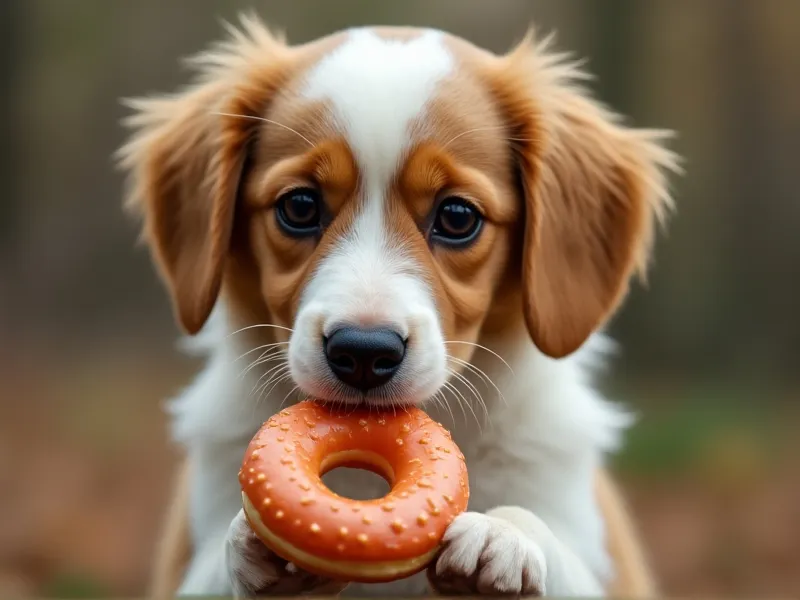
Table of Contents
- Can Dogs Eat Donuts? The Short Answer
- Potential “Benefits” of Donuts for Dogs (Spoiler: They’re Minimal)
- The Real Risks: Why Donuts Are a Bad Idea for Dogs
- How Much Donut Is “Safe” for Dogs?
- Healthier Alternatives to Donuts: Treats Your Dog Will Love
- FAQ: What Pet Parents Ask Most
- Conclusion: Love Them Well—Skip the Donut
- References
Can Dogs Eat Donuts? The Short Answer
No, dogs should not eat donuts.
Donuts are high in sugar, unhealthy fats, and empty calories, with little to no nutritional value for dogs. While a tiny, accidental bite (like a crumb or a small piece of plain donut) is unlikely to harm most dogs, donuts are not a safe or recommended treat. Regular consumption or eating large amounts can lead to serious health issues, from obesity to pancreatitis.
Think of it this way: Donuts are like junk food for humans—tasty, but not something you’d feed a growing child every day. Your dog’s body is even less equipped to handle their excess sugar and fat.
Potential “Benefits” of Donuts for Dogs (Spoiler: They’re Minimal)
Let’s get this out of the way: There are no significant health benefits to feeding your dog donuts. That said, some donut ingredients might sound nutritious on paper—if you ignore the sugar, glaze, and fried dough. Let’s take a closer look:
Fiber (Sort Of)
If a donut is made with whole-grain flour (think whole wheat or oats), it might contain a small amount of fiber. Fiber is great for dogs’ digestion, but donuts are typically made with refined white flour, which has most of the fiber stripped out. Even whole-grain donuts are loaded with sugar and fat, so any fiber benefit is negligible.
Potassium (From Fruit Toppings)
A donut with a banana glaze or blueberry filling might have trace amounts of potassium, an electrolyte that supports heart and muscle health. But again: Your dog would get far more potassium (and fewer calories) from a plain banana slice than from a sugary donut.
The Bottom Line
Donuts are not a source of “benefits” for dogs. Any nutrients they contain are overshadowed by their harmful ingredients.
The Real Risks: Why Donuts Are a Bad Idea for Dogs
Now, let’s talk about the real reason to keep donuts away from your pup: the risks. From sugar crashes to life-threatening conditions, here’s what you need to know.
Sugar: A Silent Enemy for Dogs
Dogs process sugar differently than humans. While we might get a quick energy boost, dogs’ bodies aren’t designed to handle large amounts of added sugar. Here’s how sugar harms them:
- Obesity: Extra sugar turns into fat, and obesity in dogs leads to joint pain, diabetes, and heart disease. According to the Association for Pet Obesity Prevention, over 50% of dogs in the U.S. are overweight or obese—and treats like donuts are a major contributor.
- Dental Disease: Sugar feeds harmful bacteria in your dog’s mouth, leading to plaque, tartar, and gum disease. Dogs can’t brush their teeth, so sugary treats increase their risk of tooth decay and bad breath.
- Energy Spikes and Crashes: A sugar rush might make your dog hyperactive, but it’s followed by a crash—lethargy, irritability, or even nausea.
- Diabetes: Chronic sugar intake can damage your dog’s pancreas, leading to insulin resistance and type 2 diabetes. Once diagnosed, diabetes requires lifelong management with insulin shots and special diets.
Fat: A Recipe for Pancreatitis and Stomach Upset
Most donuts are fried in oil or butter, making them high in saturated and trans fats. These fats are tough on your dog’s digestive system and can trigger:
- Pancreatitis: The pancreas produces enzymes to break down food. When a dog eats high-fat foods, the pancreas can become inflamed (pancreatitis), causing severe pain, vomiting, diarrhea, and even organ failure. Pancreatitis is life-threatening and requires immediate vet care.
- Stomach Upset: Even if pancreatitis doesn’t develop, fat can irritate your dog’s stomach, leading to vomiting, diarrhea, or bloating. Small breeds and dogs with sensitive stomachs are especially at risk.
Choking Hazards: Sprinkles, Nuts, and Fillings
Donuts aren’t just dough—they’re loaded with toppings and fillings that can choke your dog:
- Sprinkles: Hard, small, and colorful, sprinkles are a choking risk, especially for small dogs. They can also get stuck in your dog’s teeth or throat.
- Nuts: Walnuts, macadamia nuts, and almonds are toxic to dogs (macadamia nuts, in particular, can cause weakness and tremors). Even “safe” nuts like peanuts are a choking hazard if whole.
- Fillings: Jelly, cream, or custard fillings are sticky and can block your dog’s airway. They’re also high in sugar and artificial flavors.
Hidden Toxins: Xylitol and Artificial Sweeteners
Some donuts (especially “sugar-free” or “low-sugar” varieties) use xylitol, an artificial sweetener that’s extremely toxic to dogs. Even a small amount (like a few grams) can cause:
- Sudden drop in blood sugar (hypoglycemia), leading to seizures, confusion, or loss of consciousness.
- Liver failure, which can be fatal without treatment.
Xylitol is often found in sugar-free gums, candies, and baked goods—so always check the label before sharing “sugar-free” treats with your dog.
How Much Donut Is “Safe” for Dogs?
The short answer: None, ideally.
Donuts are not a necessary part of your dog’s diet, and there’s no “safe” amount that provides nutritional value. That said, accidents happen. If your dog snatches a small crumb or a bite of plain donut (no sprinkles, nuts, or xylitol), they’ll likely be fine. Monitor them for 24 hours for signs of stomach upset (vomiting, diarrhea) or lethargy.
If your dog eats a whole donut (or more), contact your vet immediately—especially if the donut has xylitol, nuts, or a high-fat filling. Even a single whole donut can cause pancreatitis in small dogs or those with preexisting conditions.
Healthier Alternatives to Donuts: Treats Your Dog Will Love
Instead of sharing your donut, opt for these dog-safe, nutrient-packed treats. Your pup will wag their tail just as hard (and you’ll feel good about giving them something healthy!):
1. Plain, Cooked Sweet Potato
Sweet potatoes are rich in fiber, vitamins A and C, and potassium. Bake a slice until soft, let it cool, and serve as a chewy, naturally sweet treat.
2. Apple Slices (No Seeds!)
Apples are low in calories and high in fiber. Remove the seeds (they contain trace amounts of cyanide) and core, then slice into bite-sized pieces.
3. Banana Chips (Homemade)
Freeze banana slices for a cool, creamy treat. Bananas are a great source of potassium and vitamin B6.
4. Whole-Grain Muffin (No Sugar Added)
Bake a simple muffin with whole wheat flour, mashed banana, and a touch of cinnamon (safe for dogs in small amounts). Skip the sugar, glaze, and chocolate chips!
5. Carrot Sticks
Crunchy and low in calories, carrots are perfect for dogs who love to chew. They’re also great for dental health (the crunch helps scrape plaque!).
FAQ: What Pet Parents Ask Most
Q: My dog ate a donut—should I panic?
A: Panic won’t help, but stay alert. If it was a small bite (no xylitol/nuts), monitor for vomiting, diarrhea, or lethargy. If they ate a whole donut or show symptoms, call your vet.
Q: Can dogs eat donut holes?
A: Donut holes are just smaller donuts—same sugar, fat, and risks. They’re not safer than regular donuts.
Q: Are there any “safe” donut ingredients for dogs?
A: Plain flour (cooked), a little egg, or mashed fruit can be safe in small amounts, but donuts combine these with sugar, fat, and toppings that make them unsafe. Stick to whole, unprocessed versions of these ingredients instead.
Q: What about vegan or gluten-free donuts?
A: Vegan donuts often use coconut oil (high in fat) or sugar substitutes. Gluten-free donuts may have xylitol or other additives. Neither is safer than regular donuts—always check the label!
Conclusion: Love Them Well—Skip the Donut
At the end of the day, donuts are a human indulgence, not a dog treat. While sharing a bite might seem like a sweet gesture, it’s far kinder to prioritize your dog’s health with treats that nourish their body.
If you’re ever unsure about a food, ask your vet. They can help you create a balanced diet and recommend safe, tasty treats that your dog will love. After all, a healthy pup is a happy pup—and that’s the sweetest thing of all.
References
- American Veterinary Medical Association (AVMA). (2023). Nutrition for Dogs. avma.org/resources/pet-owners/nutrition/nutrition-dogs
- ASPCA Animal Poison Control Center. (2023). Toxic and Non-Toxic Plants. aspca.org/pet-care/animal-poison-control/toxic-and-non-toxic-plants
- PetMD. (2023). Pancreatitis in Dogs. petmd.com/dog/conditions/digestive/c_dg_pancreatitis
- Association for Pet Obesity Prevention. (2023). Pet Obesity Statistics. petobesityprevention.org/resource-library/pet-obesity-statistics
- Cornell University College of Veterinary Medicine. (2022). Xylitol Toxicity in Dogs. vet.cornell.edu/departments-centers-and-institutes/cornell-animal-health-diagnostics-center/animal-health-topics/xylitol-toxicity-dogs