· 12 min read
Can Dogs Eat Deer Sausage? What Pet Parents Need to Know
It’s a crisp fall afternoon, and you’re grilling up a batch of deer sausage—maybe a family recipe, smoky and spiced, or a store-bought link with that classic gamey flavor. As the aroma wafts through the air, your dog trots over, tail wagging, nose twitching, and plops down at your feet. Those big, pleading eyes seem to say, “Just one bite? Please?”
If you’ve ever found yourself in this situation, you’re not alone. Deer sausage is a beloved treat for many humans, especially hunters or fans of game meats. But when it comes to sharing it with our furry friends, the question arises: Can dogs eat deer sausage?
In this post, we’ll break down the answer, explore the potential benefits (spoiler: they’re pretty limited), highlight the risks (which are more significant), and share guidelines for safely navigating this tasty temptation. We’ll also suggest healthier alternatives your pup will love just as much. Let’s dive in!
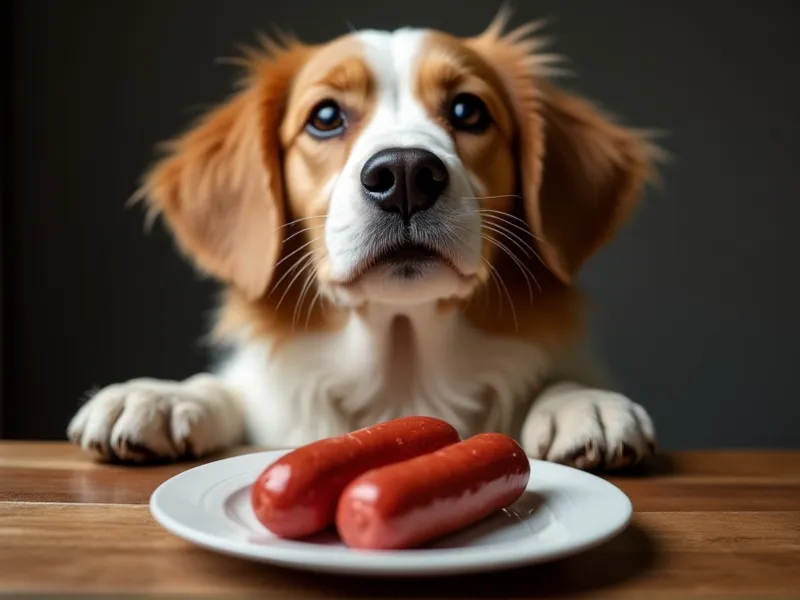
Table of Contents
- Can Dogs Eat Deer Sausage? The Short Answer
- The Potential Benefits of Deer Sausage for Dogs (Spoiler: They’re Limited)
- The Risks of Feeding Deer Sausage to Dogs (These Are More Concerning)
- How Much Deer Sausage Is Safe for Dogs? Guidelines for Pet Parents
- Healthier Alternatives to Deer Sausage
- Frequently Asked Questions (FAQs)
- Conclusion: When in Doubt, Prioritize Moderation and Your Vet’s Advice
Can Dogs Eat Deer Sausage? The Short Answer
No, deer sausage is not a safe or recommended treat for dogs.
While plain, unseasoned deer meat (venison) can be a healthy addition to some dogs’ diets (more on that later!), deer sausage is a processed product. It’s typically loaded with salt, sugar, spices, preservatives, and other additives that can harm your pup. Even in small amounts, these ingredients pose significant risks—from upset tummies to life-threatening conditions like pancreatitis or toxicity.
In short: A tiny, occasional bite might not immediately sicken your dog (depending on their size and sensitivity), but it’s never a good idea to make deer sausage a regular part of their diet.
The Potential Benefits of Deer Sausage for Dogs (Spoiler: They’re Limited)
At first glance, deer sausage might seem “healthier” than other sausages, thanks to venison’s reputation as a lean, nutrient-dense meat. Let’s unpack what could be beneficial—then explain why these perks are overshadowed by the downsides.
1. Venison Is a High-Quality Protein Source
Venison (deer meat) is rich in high-quality protein, which supports muscle growth, immune function, and overall health in dogs. It’s also lower in fat than beef or pork, making it a good option for dogs watching their weight or with certain allergies (since it’s a novel protein for many pups).
2. Venison Contains Key Nutrients
Deer meat naturally has nutrients like:
- Iron: Supports healthy red blood cells.
- Zinc: Aids in skin health, immune function, and wound healing.
- B vitamins: Help convert food into energy and support brain health.
- Potassium: Important for heart and muscle function.
So, Why Are the Benefits “Limited”?
Here’s the catch: Deer sausage is not just venison. To turn meat into sausage, manufacturers (or home cooks) add salt, sugar, spices, binders, and preservatives. These additives negate any potential benefits of the venison itself.
For example: A 3-ounce serving of plain, cooked venison has about 60mg of sodium. But a 3-ounce deer sausage link? It can pack 500–1,000mg of sodium (or more!), thanks to added salt. That’s way more than a dog needs in a day (the recommended sodium intake for dogs is about 100mg per 10 pounds of body weight daily).
In other words: The “benefits” of deer sausage are minimal, and they’re far outweighed by the risks of the added ingredients.
The Risks of Feeding Deer Sausage to Dogs (These Are More Concerning)
Now, let’s get to the real issue: the many risks of deer sausage for dogs. Even small amounts can cause problems, so it’s crucial to be aware of these dangers.
1. High Sodium Content: A Recipe for Dehydration and Kidney Strain
Dogs are highly sensitive to salt. Excess sodium can lead to:
- Dehydration: Thirst, dry gums, lethargy.
- Electrolyte imbalances: Which can cause vomiting, diarrhea, tremors, or seizures.
- Kidney damage: Over time, high salt intake strains the kidneys, increasing the risk of chronic kidney disease.
Most deer sausages contain 500–1,000mg of sodium per serving. For a 20-pound dog, that’s 5–10 times their daily recommended sodium intake in one small link!
2. Added Sugar: Empty Calories and Dental Woes
Many sausages (even savory ones) include sugar or high-fructose corn syrup to enhance flavor. Sugar offers zero nutritional value for dogs and can lead to:
- Obesity: Extra calories from sugar contribute to weight gain, which raises the risk of diabetes, joint pain, and heart disease.
- Dental decay: Sugar feeds harmful bacteria in your dog’s mouth, leading to cavities and gum disease.
3. Toxic Spices: Onion, Garlic, and More
Spices like garlic, onion, paprika, or chili powder are common in deer sausage. Onion and garlic are toxic to dogs, even in small amounts. They contain compounds that damage red blood cells, leading to anemia (symptoms: weakness, pale gums, lethargy, dark urine). In severe cases, this can be fatal.
Other spices (like paprika or black pepper) may not be toxic, but they can irritate your dog’s digestive tract, causing vomiting or diarrhea.
4. Preservatives: Nitrates, Nitrites, and BHA/BHT
Store-bought deer sausage often contains preservatives like sodium nitrate, sodium nitrite, BHA, or BHT to extend shelf life and enhance color. While the research on these additives in dogs is limited, studies in humans and other animals link high nitrate/nitrite intake to an increased risk of cancer. BHA and BHT are also suspected endocrine disruptors, which can interfere with hormone function.
5. Choking and Intestinal Blockage Risks (Thanks to Casings)
Deer sausage is usually encased in a tough, edible (for humans) casing made from animal intestines or collagen. For dogs, these casings are a major choking hazard—especially for small breeds or dogs who gulp their food. If swallowed whole, casings can also cause intestinal blockages, which require emergency surgery to remove.
6. Fat and Grease: A Trigger for Pancreatitis
Even if a sausage is “lean,” the fat and grease in deer sausage can be dangerous. Dogs’ pancreases aren’t designed to process large amounts of fat, and a high-fat meal can trigger pancreatitis—a painful, life-threatening condition where the pancreas becomes inflamed. Symptoms include vomiting, diarrhea, abdominal pain, and lethargy. Severe cases require hospitalization.
The Risks of Feeding Deer Sausage to Dogs (These Are More Concerning)
Now, let’s get to the real issue: the many risks of deer sausage for dogs. Even small amounts can cause problems, so it’s crucial to be aware of these dangers.
1. High Sodium Content: A Recipe for Dehydration and Kidney Strain
Dogs are highly sensitive to salt. Excess sodium can lead to:
- Dehydration: Thirst, dry gums, lethargy.
- Electrolyte imbalances: Which can cause vomiting, diarrhea, tremors, or seizures.
- Kidney damage: Over time, high salt intake strains the kidneys, increasing the risk of chronic kidney disease.
Most deer sausages contain 500–1,000mg of sodium per serving. For a 20-pound dog, that’s 5–10 times their daily recommended sodium intake in one small link!
2. Added Sugar: Empty Calories and Dental Woes
Many sausages (even savory ones) include sugar or high-fructose corn syrup to enhance flavor. Sugar offers zero nutritional value for dogs and can lead to:
- Obesity: Extra calories from sugar contribute to weight gain, which raises the risk of diabetes, joint pain, and heart disease.
- Dental decay: Sugar feeds harmful bacteria in your dog’s mouth, leading to cavities and gum disease.
3. Toxic Spices: Onion, Garlic, and More
Spices like garlic, onion, paprika, or chili powder are common in deer sausage. Onion and garlic are toxic to dogs, even in small amounts. They contain compounds that damage red blood cells, leading to anemia (symptoms: weakness, pale gums, lethargy, dark urine). In severe cases, this can be fatal.
Other spices (like paprika or black pepper) may not be toxic, but they can irritate your dog’s digestive tract, causing vomiting or diarrhea.
4. Preservatives: Nitrates, Nitrites, and BHA/BHT
Store-bought deer sausage often contains preservatives like sodium nitrate, sodium nitrite, BHA, or BHT to extend shelf life and enhance color. While the research on these additives in dogs is limited, studies in humans and other animals link high nitrate/nitrite intake to an increased risk of cancer. BHA and BHT are also suspected endocrine disruptors, which can interfere with hormone function.
5. Choking and Intestinal Blockage Risks (Thanks to Casings)
Deer sausage is usually encased in a tough, edible (for humans) casing made from animal intestines or collagen. For dogs, these casings are a major choking hazard—especially for small breeds or dogs who gulp their food. If swallowed whole, casings can also cause intestinal blockages, which require emergency surgery to remove.
6. Fat and Grease: A Trigger for Pancreatitis
Even if a sausage is “lean,” the fat and grease in deer sausage can be dangerous. Dogs’ pancreases aren’t designed to process large amounts of fat, and a high-fat meal can trigger pancreatitis—a painful, life-threatening condition where the pancreas becomes inflamed. Symptoms include vomiting, diarrhea, abdominal pain, and lethargy. Severe cases require hospitalization.
How Much Deer Sausage Is Safe for Dogs? Guidelines for Pet Parents
If your dog accidentally snags a tiny piece of deer sausage (say, a crumb that falls on the floor), don’t panic. Monitor them for symptoms like vomiting, diarrhea, or lethargy, but odds are, they’ll be fine.
But if you’re considering intentionally feeding deer sausage to your dog, here’s what you need to know:
Step 1: Ask Yourself: “Is This Necessary?”
Deer sausage offers no unique benefits that can’t be found in safer, healthier treats. Save yourself the stress and skip it.
Step 2: If You Insist, Choose the “Cleanest” Option Possible
If you’re dead set on sharing (we get it—those puppy eyes are hard to resist!), opt for:
- Homemade deer sausage with no added salt, sugar, spices, or preservatives.
- No casing (remove it first to avoid choking/blockages).
- Well-cooked (raw meat carries bacteria like E. coli or salmonella risks).
Step 3: Stick to Tiny Portions
Even “clean” homemade deer sausage should be limited to:
- Small dogs (under 20 lbs): A piece the size of a pea.
- Medium dogs (20–50 lbs): A piece the size of a dime.
- Large dogs (50+ lbs): A piece the size of a quarter.
Step 4: Only Offer It Occasionally
“Occasionally” means once every few months—not weekly, or even monthly. The more often you feed it, the higher the risk of long-term issues (like kidney strain from salt).
Step 5: Monitor for Reactions
After feeding, watch for 24–48 hours for signs of trouble: vomiting, diarrhea, excessive thirst, lethargy, or abdominal pain. If you notice any of these, contact your vet immediately.
Healthier Alternatives to Deer Sausage
Instead of deer sausage, treat your pup to these safer, more nutritious options that still let them enjoy the goodness of venison (or other healthy proteins):
1. Plain, Cooked Venison
Skip the sausage and opt for plain, unseasoned venison. Cook it thoroughly (boiled, baked, or grilled with no oil), chop it into small pieces, and serve as an occasional treat. It’s lean, protein-rich, and free of additives.
2. Venison-Based Dog Treats
Look for commercial dog treats with venison as the first ingredient (and no added salt, sugar, or preservatives). Brands like Zuke’s Mini Naturals or Blue Buffalo Wilderness make venison-flavored treats that are safe and tasty.
3. Freeze-Dried Venison Treats
Freeze-dried venison is a great low-calorie, high-protein option. It’s minimally processed, preserves nutrients, and has a crunchy texture dogs love. Just check the label for added ingredients!
4. Other Lean Proteins
Chicken, turkey, or beef (plain, cooked) are also excellent alternatives. They’re easy to find, affordable, and safe for most dogs.
5. Veggie Treats
For a low-calorie option, try steamed carrots, green beans, or sweet potato (plain, no butter/sugar). These are packed with fiber and vitamins—plus, many dogs love their crunch!
Frequently Asked Questions (FAQs)
Q: Can puppies eat deer sausage?
A: No. Puppies have sensitive digestive systems and developing kidneys, making them even more vulnerable to salt, spices, and fat. Stick to puppy-safe treats recommended by your vet.
Q: My dog ate a whole deer sausage link! What should I do?
A: Contact your vet or an emergency animal hospital immediately. A full link has enough salt, fat, and spices to cause pancreatitis, sodium toxicity, or blockages (if the casing was swallowed). Don’t wait for symptoms—act fast.
Q: Is deer sausage better for dogs than pork or beef sausage?
A: Not really. While venison is leaner, all sausages (deer, pork, beef, etc.) are processed and contain harmful additives. Deer sausage is not a “healthier” alternative.
Q: My dog has food allergies. Can deer sausage help?
A: No. Venison itself is a novel protein that may help with allergies, but deer sausage’s additives (like wheat, soy, or dairy binders) can trigger reactions. Stick to plain venison instead.
Q: Are there any deer sausage brands made for dogs?
A: Not that we recommend. Some brands market “dog-safe” sausages, but they often still contain salt or preservatives. Always read labels carefully—and when in doubt, ask your vet.
Conclusion: When in Doubt, Prioritize Moderation and Your Vet’s Advice
Deer sausage might smell delicious, and your dog might beg for a bite—but when it comes to their health, it’s best to say “no.” The risks of salt, spices, preservatives, and fat far outweigh any minor benefits of the venison inside.
Instead, treat your pup to plain, cooked venison or other safe, nutrient-dense snacks. And if you ever have questions about what’s safe to feed your dog, don’t hesitate to consult your vet. They know your pup’s unique needs (age, weight, health conditions) and can offer personalized advice.
After all, your dog’s health and happiness are worth more than a tiny bite of sausage. Here’s to many more tail-wagging years with your furry friend—fueled by treats that love them back!
Sources
- American Society for the Prevention of Cruelty to Animals (ASPCA). “People Foods to Avoid Feeding Your Pets.” aspca.org/pet-care/animal-poison-control/people-foods-avoid-feeding-your-pets
- PetMD. “Pancreatitis in Dogs: Symptoms, Causes, and Treatment.” petmd.com/dog/conditions/digestive/c_dg_pancreatitis
- American College of Veterinary Nutrition (ACVN). “Nutrition for Dogs.” acvn.org/nutrition-for-dogs
- Veterinary Centers of America (VCA). “Sodium Toxicity in Dogs.” vcahospitals.com/know-your-pet/sodium-toxicity-in-dogs