· 8 min read
Can Dogs Eat Deer Meat? Benefits, Risks, and Safe Feeding Guidelines
As you’re prepping for a weekend hike or cleaning out the freezer after hunting season, you might pause and wonder: Is that extra deer meat in the fridge safe to share with my dog? It’s a common question for pet parents—after all, dogs are natural scavengers, and the idea of giving them a “wild” treat like venison feels instinctually right. But before you toss Fido a chunk, let’s break down the facts: Can dogs eat deer meat? Spoiler: The answer is yes—but with important caveats. Let’s explore how to safely incorporate this lean protein into your pup’s diet, plus the benefits, risks, and when to reach for alternatives.
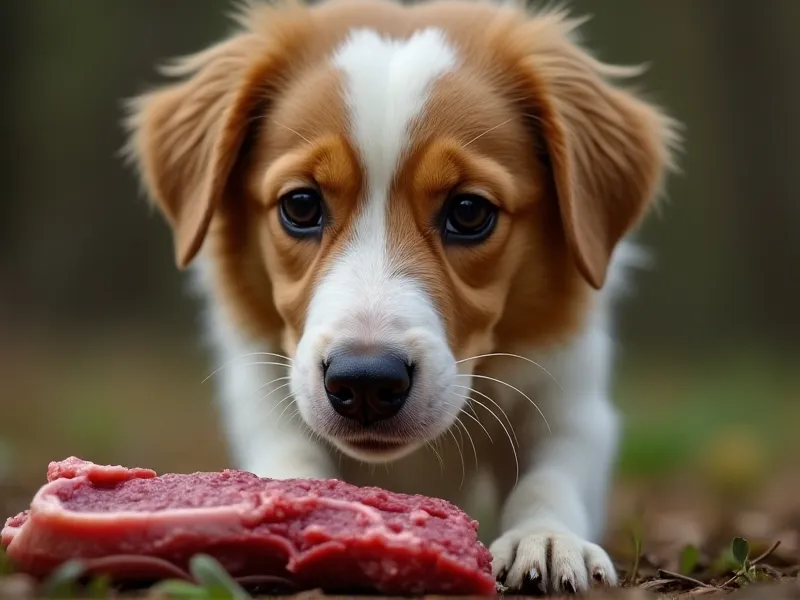
Table of Contents
- Introduction: Can Dogs Eat Deer Meat? The Short Answer
- What Is Deer Meat (Venison), and Why Might It Appeal to Dogs?
- The Benefits of Deer Meat for Dogs: Nutrients That Nourish
- Potential Risks of Feeding Deer Meat to Dogs: What to Watch For
- Guidelines for Feeding Deer Meat Safely: How to Do It Right
- Healthier Alternatives to Deer Meat: When to Opt for Other Proteins
- FAQ: Your Deer Meat Questions Answered
- Conclusion: Moderation and Veterinary Guidance Are Key
Let’s cut to the chase: Yes, dogs can eat deer meat (venison) in moderation, provided it’s properly prepared and served. Venison is a lean, nutrient-dense protein that can make a tasty occasional treat or supplement to your dog’s regular diet. However, it’s not without risks—raw or undercooked meat, bones, and hidden additives can pose dangers.
Think of deer meat like a special snack, not a meal replacement. When done right, it can offer health benefits (more on those later!). But first, let’s unpack what makes venison unique, and how to keep your pup safe while sharing it.
What Is Deer Meat (Venison), and Why Might It Appeal to Dogs?
Venison is the meat of deer, and it’s prized for being leaner than beef, pork, or even chicken. A 3-ounce serving of cooked venison contains just 3 grams of fat (compared to 7 grams in beef sirloin) and is packed with protein, making it a popular choice for humans and pets alike.
Dogs are natural carnivores, so the rich, meaty flavor of venison is often irresistible to them. It’s also a “novel protein,” meaning it’s less commonly used in commercial dog foods—this makes it a go-to for dogs with food allergies or sensitivities to more common proteins like chicken or beef.
The Benefits of Deer Meat for Dogs: Nutrients That Nourish
When served safely, deer meat can offer several health perks for your pup. Here’s what makes it a standout:
Lean Protein: Building Blocks for Strong Muscles
Protein is essential for dogs—it supports muscle growth, repairs tissues, and keeps their coat shiny and skin healthy. Venison is a complete protein, meaning it contains all the amino acids your dog needs. At about 26 grams of protein per 3-ounce serving, it’s an excellent source to help maintain lean muscle mass, especially for active dogs or seniors.
Essential Minerals: Iron, Zinc, and Potassium
Venison is rich in minerals that support overall health:
- Iron: Helps red blood cells carry oxygen throughout the body, preventing anemia.
- Zinc: Boosts immune function and aids in wound healing.
- Potassium: Regulates heart rate and muscle function, keeping your dog’s heart and nerves healthy.
B Vitamins: Supporting Energy and Brain Health
B vitamins (like B12, niacin, and riboflavin) are abundant in venison. These vitamins help convert food into energy, support brain function, and keep your dog’s metabolism running smoothly. For senior dogs or those with low energy, a little venison can give their vitality a natural boost.
Potential Risks of Feeding Deer Meat to Dogs: What to Watch For
While venison has benefits, it’s critical to be aware of the risks. Here’s what to avoid:
Parasites and Bacteria: The Dangers of Undercooked or Raw Meat
Raw deer meat can harbor harmful pathogens like Salmonella, E. coli, or parasites such as Trichinella spiralis (which causes trichinellosis, a painful infection). Even “fresh” deer meat from a hunt might carry these risks if not properly handled or cooked.
The fix: Always cook venison thoroughly. The USDA recommends cooking meat to an internal temperature of 160°F (71°C) to kill bacteria and parasites. Avoid raw feeding unless under the guidance of a vet (raw diets carry significant risks for both dogs and their humans).
Bones: A Hidden Choking Hazard
Deer bones—cooked or raw—are a big no-no. Cooked bones are brittle and can splinter, tearing your dog’s throat, stomach, or intestines. Raw bones might seem safer, but they can still cause choking, blockages, or damage to teeth.
The fix: Never feed your dog deer bones. If you’re giving venison, remove all bones first.
Stomach Upset and Allergies: Sudden Changes and Sensitivities
Dogs have sensitive digestive systems. Introducing venison (or any new food) too quickly can cause diarrhea, vomiting, or gas. Additionally, while rare, some dogs may be allergic to venison (especially if they have a history of protein allergies).
The fix: Start small! Offer a tiny piece (about the size of your thumbnail) and monitor your dog for 24–48 hours. If they show signs of upset (loose stools, itching, or lethargy), stop feeding it and consult your vet.
Added Ingredients: Hidden Sugars and Seasonings
Avoid processed deer meat products like jerky, sausages, or “deer sticks” made for humans. These often contain added salt, sugar, garlic, onion, or spices—all of which are toxic to dogs (garlic and onion, for example, can damage red blood cells).
The fix: Stick to plain, unseasoned venison. If you’re unsure, ask your butcher for “human-grade” venison with no additives.
Guidelines for Feeding Deer Meat Safely: How to Do It Right
Ready to share venison with your pup? Follow these tips to keep it safe and enjoyable:
- Cook it thoroughly: As mentioned, heat venison to 160°F to kill bacteria and parasites. Avoid rare or pink meat.
- Keep portions small: Venison should make up no more than 10% of your dog’s daily calories. For a 30-pound dog, that’s about 1–2 ounces of cooked meat per day (adjust based on their size and activity level).
- Mix with regular food: Blend small pieces of venison into their kibble or wet food to avoid stomach upset.
- Avoid bones and fat: Trim excess fat (too much can cause pancreatitis) and remove all bones.
- Choose high-quality meat: Opt for fresh, human-grade venison from a trusted source (like a local butcher or hunter who tests for parasites).
Healthier Alternatives to Deer Meat: When to Opt for Other Proteins
Venison is great, but it’s not always the most practical or safest choice. If you’re looking for lean proteins to treat your dog, consider these vet-recommended alternatives:
- Chicken or turkey: These are widely available, affordable, and low in fat. They’re also less likely to carry parasites than wild game.
- Lean beef: Stick to extra-lean cuts (like sirloin) and cook thoroughly.
- Salmon: Rich in omega-3 fatty acids for skin and coat health (cooked, never raw).
These proteins are easier to source, tested for safety, and familiar to most vets—making them a safer bet for regular treats. Venison is best reserved for special occasions or dogs with allergies (more on that in the FAQ!).
FAQ: Your Deer Meat Questions Answered
Q: Can dogs eat raw deer meat?
A: Vets generally advise against raw deer meat due to the risk of parasites (like trichinella) and bacteria (Salmonella). Cooking eliminates these risks.
Q: Is deer meat good for dogs with allergies?
A: Yes! Venison is a novel protein, so it’s often used in hypoallergenic dog foods for pups allergic to chicken, beef, or dairy. Always consult your vet before switching to a novel protein diet.
Q: How often can I feed my dog deer meat?
A: As an occasional treat, 1–2 times per week is safe for most dogs. Avoid making it a daily habit—balance is key!
Q: Can puppies eat deer meat?
A: Puppies have developing digestive systems, so it’s best to stick to their puppy food until they’re at least 6 months old. Consult your vet before introducing venison to a puppy.
Conclusion: Moderation and Veterinary Guidance Are Key
Deer meat can be a healthy, tasty treat for your dog when prepared safely. Its lean protein, minerals, and vitamins make it a great occasional supplement—but it’s not a replacement for a balanced diet. Always cook it thoroughly, skip the bones, and start small to avoid upset.
When in doubt, ask your vet! They know your dog’s health history and can help you decide if venison is a good fit.
Remember: The best treats are the ones that keep your pup happy and healthy. With a little care, sharing a bite of venison can be a special moment you both enjoy.
Happy snacking!