· 8 min read
Can Dogs Eat Deer Bones? A Pet Parent’s Guide to Safety, Benefits, and Risks
Picture this: You’re on a fall hike with your furry sidekick, and halfway up the trail, they spot something irresistible—a discarded deer bone, sun-bleached and begging to be chewed. Your dog’s tail wags furiously, and you’re torn: Is this a harmless, natural treat, or a hidden hazard? If you’ve ever wondered, “Can dogs eat deer bones?” you’re not alone.
Deer bones are a common find in rural areas, and many pet parents assume they’re a “wild” alternative to store-bought chews. But the truth is, feeding deer bones to dogs comes with both potential perks and serious risks. In this guide, we’ll break down everything you need to know to keep your pup safe, happy, and healthy.
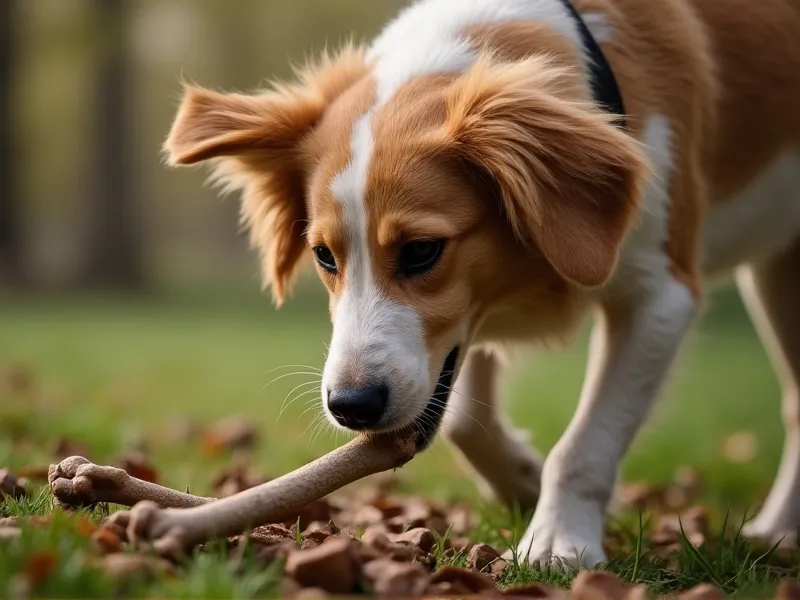
Table of Contents
- Can Dogs Eat Deer Bones? The Short Answer
- Potential Benefits of Deer Bones for Dogs
- Risks of Feeding Deer Bones to Dogs
- Safe Feeding Guidelines (If You Choose to Offer Them)
- Healthier Alternatives to Deer Bones
- FAQ: Your Most Pressing Questions Answered
- Conclusion: Prioritize Safety, Always
Can Dogs Eat Deer Bones? The Short Answer
Yes, but with major caveats. Dogs can eat deer bones, but only if they’re raw, size-appropriate, and fed occasionally under strict supervision. Cooked deer bones, however, are never safe—they splinter easily, posing a choking hazard or risk of internal injury.
Even raw deer bones come with risks, which is why most veterinarians caution against feeding them regularly. Think of deer bones as an occasional “special treat,” not a dietary staple. Every dog is different, so it’s always best to consult your vet before introducing new chews, especially if your pup has health issues like pancreatitis, dental problems, or a sensitive stomach.
Potential Benefits of Deer Bones for Dogs
If fed safely, deer bones can offer some perks for your pup. Here’s what makes them appealing to pet parents:
1. Natural Source of Key Minerals
Raw deer bones (especially marrow bones) are rich in minerals like calcium and phosphorus, which support strong bones, teeth, and muscle function. Marrow itself is a nutrient-dense tissue packed with healthy fats, iron, and vitamin B12—all of which can boost your dog’s energy and overall health when offered in moderation.
2. Mental and Physical Stimulation
Chewing is a natural behavior for dogs, and bones provide hours of entertainment. Gnawing on a bone can reduce boredom, anxiety, and destructive chewing (like on your favorite shoes!). It also gives their jaws a workout, which is great for dogs with pent-up energy.
3. Dental Health Support
Chewing on a raw bone can help scrape away plaque and tartar from your dog’s teeth, promoting healthier gums. This is especially true for larger, meaty bones that require prolonged chewing—think of it as a “natural toothbrush” (though it’s no replacement for regular brushing!).
Risks of Feeding Deer Bones to Dogs
While deer bones have benefits, the risks often outweigh them for many dogs. Here’s what to watch out for:
1. Choking and Blockages
Small deer bones (like ribs or vertebrae) or bone fragments can get stuck in your dog’s throat, causing choking. Even larger bones can break into sharp shards that lodge in the esophagus, stomach, or intestines, leading to a life-threatening blockage. Symptoms of a blockage include vomiting, diarrhea, loss of appetite, or lethargy—if you notice these, contact your vet immediately.
2. Splintering (Cooked Bones Only!)
Cooking deer bones (boiling, baking, or grilling) removes moisture, making them dry, brittle, and prone to splintering. These sharp fragments can tear the lining of your dog’s mouth, throat, or digestive tract, leading to internal bleeding or infection. Cooked bones are never safe—even a small piece can cause harm.
3. Bacterial Contamination
Raw deer bones may harbor harmful bacteria like Salmonella or E. coli, which can make your dog (and you!) sick. Puppies, senior dogs, or those with weakened immune systems are especially vulnerable. Always handle raw bones with gloves, wash surfaces thoroughly, and avoid letting your dog lick your face after chewing.
4. Dental Fractures
Hard bones (like weight-bearing bones from deer legs) can crack or chip your dog’s teeth, especially if they’re aggressive chewers. This can lead to pain, infection, or costly dental procedures.
5. Digestive Upset
Some dogs may experience diarrhea, constipation, or vomiting after eating deer bones, especially if they consume too much marrow (high in fat) or bone fragments. This is more common in dogs with sensitive stomachs or those unaccustomed to raw foods.
Safe Feeding Guidelines (If You Choose to Offer Them)
If you decide to give your dog a deer bone, follow these rules to minimize risk:
1. Stick to Raw, Never Cooked
Cooked bones are dangerous—only offer raw deer bones. If you hunt or process deer yourself, freeze the bones first for 24–48 hours to kill parasites (though this won’t eliminate all bacteria).
2. Choose the Right Size
Opt for large, weight-bearing bones (like femurs or knuckles) that your dog can’t swallow whole. Avoid small bones (ribs, vertebrae) or “round” bones (like skull fragments) that can get stuck in the throat. For reference:
- Small dogs (under 20 lbs): Avoid deer bones entirely—they’re too big and risky.
- Medium dogs (20–50 lbs): Offer knuckle bones or split femurs (supervise closely).
- Large dogs (50+ lbs): Whole femurs or shank bones may be safe, but still monitor.
3. Feed Occasionally, Not Daily
Deer bones should be a treat, not a meal. Aim for once every 1–2 weeks at most. Too much bone can lead to constipation (from excess calcium) or pancreatitis (from fatty marrow).
4. Supervise Every Time
Never leave your dog alone with a deer bone. If they start breaking off small pieces or swallowing chunks, take the bone away immediately. Discard any bone that’s worn down to a size smaller than their mouth to prevent choking.
5. Skip It If Your Dog Has Health Issues
Avoid deer bones if your dog has:
- Dental problems (cracked teeth, gum disease)
- Pancreatitis or a history of digestive issues
- A tendency to gulp food (they’re more likely to choke)
- A compromised immune system (puppies, seniors, or dogs on medication)
Healthier Alternatives to Deer Bones
If the risks of deer bones make you nervous, there are plenty of safer, equally satisfying chews your dog will love. Here are our top picks:
1. Raw Vegetables
Carrots, sweet potatoes, or celery sticks are low-calorie, high-fiber, and safe for most dogs. They’re great for chewing and help clean teeth without the risk of splintering.
2. Commercial Dental Chews
Brands like Greenies, Virbac C.E.T., or Whimzees are designed to reduce plaque and tartar while being digestible. Look for products approved by the Veterinary Oral Health Council (VOHC) for added peace of mind.
3. Freeze-Dried Meat Treats
Freeze-dried chicken, beef, or liver treats are high in protein and low in risk. They satisfy your dog’s urge to chew without the hazards of bones.
4. Kong Toys Stuffed with Treats
Fill a Kong with peanut butter (no xylitol!), yogurt, or canned pumpkin, then freeze it. This keeps your dog busy and mentally stimulated for hours—plus, it’s mess-free!
5. Antlers (With Caution)
Deer or elk antlers are harder than bones but less likely to splinter. However, they can still crack teeth, so only offer them to moderate chewers and supervise closely.
FAQ: Your Most Pressing Questions Answered
Q: Can puppies eat deer bones?
A: It’s best to avoid deer bones for puppies under 6 months old. Their teeth and jaws are still developing, and they’re more likely to swallow large pieces or get an upset stomach. Stick to soft chews like puppy-safe Kongs or freeze-dried treats instead.
Q: My dog swallowed a deer bone—what should I do?
A: Stay calm! If the bone was small and your dog isn’t choking, monitor them for 24–48 hours. Watch for vomiting, diarrhea, lethargy, or difficulty pooping. If you notice any of these, call your vet immediately—they may need an X-ray or surgery to remove the bone.
Q: Are cooked deer bones ever safe?
A: No. Cooking makes bones brittle and prone to splintering, which can cause internal injuries. Even a “small bite” of cooked bone is risky—err on the side of caution and throw it away.
Q: Can deer bones cause constipation in dogs?
A: Yes. Too much bone (or marrow) can lead to hard, dry stools or constipation. If your dog strains to poop after eating a bone, offer them plenty of water and contact your vet if it lasts more than 24 hours.
Q: Are wild deer bones safer than farm-raised deer bones?
A: Not necessarily. Wild deer may carry parasites (like ticks or tapeworms) or bacteria, while farm-raised deer could have been exposed to antibiotics or hormones. Either way, raw bones require proper handling (freezing, washing) to reduce risks.
Conclusion: Prioritize Safety, Always
Deer bones can be a tempting treat for your dog, but they’re not worth the risk for many pups. While raw, size-appropriate bones may offer some benefits, the potential for choking, blockages, or injury is real. When in doubt, opt for safer alternatives like veggies, dental chews, or stuffed toys.
Every dog is unique, so talk to your vet before introducing deer bones or any new chew. They can help you decide what’s best based on your dog’s age, health, and chewing style.
At the end of the day, your dog’s safety and happiness are what matter most. A happy pup doesn’t need deer bones—just your love, a few good snuggles, and a safe, satisfying chew.
Happy hiking (and chewing)!
References
- American Kennel Club (AKC). “Raw Bones for Dogs: Are They Safe?” akc.org
- American Veterinary Medical Association (AVMA). “Pet Food Safety: Raw Diets.” avma.org
- PetMD. “Can Dogs Eat Bones?” petmd.com
- Veterinary Oral Health Council (VOHC). “Approved Products.” vohc.org
- Tufts University Cummings School of Veterinary Medicine. “Feeding Bones to Pets: Risks and Benefits.” tuftsnowfs.org