· 8 min read
Can Dogs Eat Dark Meat Turkey? A Pet Parent’s Guide to Safe Sharing
It’s Thanksgiving, and the aroma of roasted turkey fills your kitchen. As you carve into that juicy bird, your dog trots over, tail wagging, eyes locked on the table. You pause, knife in hand, and wonder: Is it safe to share a piece of dark meat turkey with my pup?
If you’ve ever found yourself in this scenario, you’re not alone. Turkey is a staple at holiday meals, and many pet parents want to include their furry friends in the feasting. But before you toss that drumstick (or even a small bite) to your dog, it’s important to separate fact from fiction. Let’s dive into whether dark meat turkey is a safe treat for dogs, its benefits, risks, and how to share it responsibly.
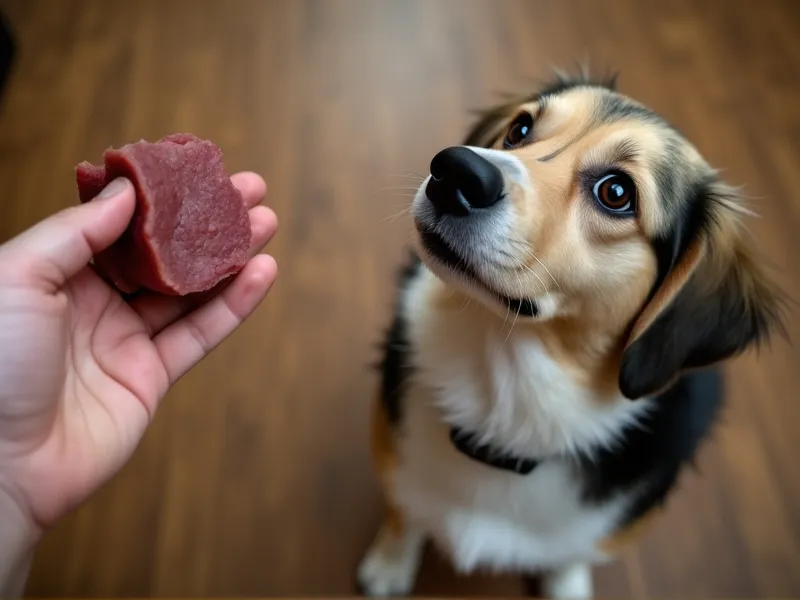
Table of Contents
- Can Dogs Eat Dark Meat Turkey? The Short Answer
- The Benefits of Dark Meat Turkey for Dogs
- The Risks: What Pet Parents Need to Watch For
- Safe Feeding Guidelines: How Much (and How) to Share
- Healthier Alternatives to Dark Meat Turkey
- Frequently Asked Questions (FAQ)
- Conclusion: Enjoy the Holidays (and Treats) Responsibly
- References
Can Dogs Eat Dark Meat Turkey? The Short Answer
Yes, dogs can eat small amounts of plain, unseasoned, cooked dark meat turkey as an occasional treat. Dark meat (like thighs and drumsticks) is richer in flavor and slightly higher in fat than white meat (breast), but it’s not inherently toxic to dogs. However, there are important caveats: how you prepare it, how much you feed, and your dog’s individual health all play a role in whether it’s safe.
In short: Share sparingly, skip the extras (bones, skin, seasoning), and always keep an eye on your pup afterward.
The Benefits of Dark Meat Turkey for Dogs
When served correctly, dark meat turkey can offer some nutritional perks for your dog. Here’s why it might be a better treat than, say, a store-bought biscuit (in moderation):
1. High-Quality Protein
Turkey is a lean protein source (even dark meat, when skin is removed), which is essential for dogs. Protein supports muscle growth, repair, and overall energy levels. According to the American Kennel Club (AKC), protein should make up 18-25% of an adult dog’s diet, so a small turkey treat can contribute to that [1].
2. Essential Vitamins & Minerals
Dark meat turkey is packed with nutrients your dog needs:
- Iron: Helps red blood cells carry oxygen, preventing anemia.
- Zinc: Boosts immune function and supports healthy skin and coat.
- B Vitamins (B6, B12): Aid in energy metabolism and brain health.
- Potassium: Regulates heart rhythm and muscle function.
3. Palatability
Let’s be real: Dogs love turkey. Its savory flavor makes it a great tool for training or rewarding good behavior, especially for picky eaters.
The Risks: What Pet Parents Need to Watch For
While dark meat turkey isn’t toxic, it’s not without risks—especially if prepared improperly or overfed. Here are the biggest dangers to avoid:
1. Cooked Bones: A Choking and Perforation Hazard
Never feed your dog cooked turkey bones. When bones are cooked, they become brittle and can splinter, sharp fragments that can:
- Choke your dog (blocking the airway).
- Perforate the esophagus, stomach, or intestines (leading to life-threatening infections).
The ASPCA explicitly warns against cooked bones, noting they’re a common cause of emergency vet visits [2].
2. Skin and Fat: A Recipe for Pancreatitis
Turkey skin and the fat under it are high in calories and saturated fat. Feeding these to your dog can trigger pancreatitis—an inflammation of the pancreas that causes severe abdominal pain, vomiting, and diarrhea. Pancreatitis is often fatal if left untreated, and even mild cases require veterinary care [3].
3. Seasonings and Additives
Most holiday turkeys are seasoned with garlic, onion, salt, pepper, or herbs. Garlic and onion are toxic to dogs, even in small amounts, as they damage red blood cells and cause anemia [4]. Excess salt can lead to sodium ion poisoning (symptoms: vomiting, diarrhea, seizures), and sugar (from glazes or sauces) can cause obesity or diabetes over time.
4. Stomach Upset from Rich Food
Dogs have sensitive digestive systems, and sudden changes to their diet—like a large helping of turkey—can lead to diarrhea, vomiting, or gas. This is especially true for puppies, senior dogs, or dogs with digestive issues (e.g., IBS).
Safe Feeding Guidelines: How Much (and How) to Share
If you want to treat your dog to dark meat turkey, follow these rules to keep them safe:
1. Serve It Plain and Cooked
- No seasoning: Skip the garlic, onion, salt, or butter. Plain, unseasoned turkey only.
- Fully cooked: Raw turkey may contain harmful bacteria like salmonella or E. coli, which can sicken both you and your dog [5].
- Remove skin and bones: Trim all fat and skin, and double-check for stray bones (even tiny ones!).
2. Portion Control Is Key
Turkey should be an occasional treat, not a meal replacement. As a general rule:
- Small dogs (under 20 lbs): 1-2 tablespoons of diced turkey, max.
- Medium dogs (20-50 lbs): 2-4 tablespoons.
- Large dogs (50+ lbs): 1/4 cup (4 tablespoons) at most.
Remember: Treats should make up no more than 10% of your dog’s daily calories. For example, a 30-lb dog eats ~700 calories/day, so their turkey treat should be under 70 calories (about 1.5 oz of dark meat turkey, skinless) [6].
3. Introduce Slowly
If your dog has never had turkey before, start with a tiny piece (like 1 teaspoon) and monitor for 24 hours. Watch for signs of upset: diarrhea, vomiting, lethargy, or loss of appetite. If any occur, stop feeding turkey and contact your vet.
4. Avoid It If Your Dog Has Health Issues
Skip turkey (even plain) if your dog has:
- Pancreatitis (history or risk).
- Diabetes (due to fat content).
- Kidney disease (excess protein can strain kidneys).
- Food allergies (though turkey is a low-allergen protein for most dogs).
Healthier Alternatives to Dark Meat Turkey
If you want to spoil your dog without the risks of dark meat, try these safer, nutrient-dense options:
1. Turkey Breast (White Meat)
White meat is leaner than dark meat (lower in fat and calories), making it a better choice for dogs prone to weight gain or pancreatitis. Serve it plain, cooked, and boneless—same rules apply!
2. Boiled Chicken Breast
A classic dog-safe protein. It’s low in fat, high in protein, and easy to digest. Great for training or mixing into kibble.
3. Sweet Potatoes
Cooked, plain sweet potatoes are rich in fiber, vitamins A and C, and antioxidants. They’re a low-calorie treat that supports digestive health.
4. Green Beans
Fresh or steamed green beans are crunchy, low in calories, and high in fiber. Dogs love them as a snack, and they help keep teeth clean!
5. Pumpkin (Plain, Canned)
Unsweetened pumpkin is a go-to for upset tummies (fiber soothes digestion) and a tasty, low-calorie treat.
Frequently Asked Questions (FAQ)
Q: Can dogs eat turkey bones?
A: No. Cooked bones splinter and can cause choking, intestinal blockages, or perforations. Raw bones are slightly safer but still pose a risk (they can get stuck or break teeth). It’s best to avoid all turkey bones [2].
Q: What about turkey skin?
A: Avoid it. Turkey skin is high in fat, which can lead to pancreatitis or obesity. Even a small piece can upset your dog’s stomach.
Q: Is deli turkey safe for dogs?
A: Not recommended. Deli turkey is often processed with salt, preservatives (like nitrates), or seasonings (e.g., garlic powder), which are harmful to dogs. Stick to fresh, unseasoned turkey.
Q: Can puppies eat dark meat turkey?
A: In very small amounts. Puppies have sensitive tummies, so limit treats to 1-2 teaspoons of plain, cooked dark meat. Consult your vet first, especially if your puppy has a history of digestive issues.
Q: My dog ate a piece of seasoned turkey—what should I do?
A: If the turkey had garlic, onion, or large amounts of salt, contact your vet immediately. These can be toxic. For mild seasonings (like a little pepper), monitor your dog for 24 hours. If they vomit, diarrhea, or seem lethargic, call the vet.
Conclusion: Enjoy the Holidays (and Treats) Responsibly
Sharing a small piece of plain, cooked dark meat turkey with your dog can be a special way to bond—especially during holidays. Just remember: moderation is key. Avoid bones, skin, and seasoning, stick to tiny portions, and always check with your vet if you’re unsure (especially if your dog has health issues).
At the end of the day, your dog’s health and happiness are what matter most. A little turkey treat (safely served!) can make their tail wag—and yours too.
Happy feasting (for both of you)!
References
- American Kennel Club (AKC). “Human Foods Dogs Can and Can’t Eat.” akc.org/expert-advice/nutrition/human-foods-dogs-can-and-cant-eat
- ASPCA. “People Foods to Avoid Feeding Your Pets.” aspca.org/pet-care/animal-poison-control/people-foods-avoid-feeding-your-pets
- PetMD. “Pancreatitis in Dogs.” petmd.com/dog/conditions/digestive/c_dg_pancreatitis
- American College of Veterinary Internal Medicine (ACVIM). “Onion and Garlic Toxicity in Dogs and Cats.” acvim.org/KB/Articles/Onion-and-Garlic-Toxicity-in-Dogs-and-Cats
- Centers for Disease Control and Prevention (CDC). “Salmonella and Pets.” cdc.gov/healthypets/pets/salmonella.html
- World Small Animal Veterinary Association (WSAVA). “Nutrition Toolkit: Calculating Calorie Requirements.” wsava.org/global-guidelines/nutrition-toolkit