· 9 min read
Can Dogs Eat Cucumber Peels? A Pet Parent’s Guide to Safe Snacking
Picture this: It’s a sweltering summer afternoon, and you’re cooling down with a crisp, refreshing cucumber slice. Beside you, your dog sits, tail thumping, nose twitching, as if to say, “Can I have a bite too?” You pause—cucumbers are healthy for humans, but what about the peels? Are they safe for your furry friend, or should you toss them in the compost?
If you’ve ever wondered whether dogs can eat cucumber peels, you’re not alone. As pet parents, we want to share the best (and safest!) parts of our meals with our pups, but navigating “human foods” can feel like tiptoeing through a minefield. Today, we’re diving into the details: Are cucumber peels a crunchy, nutrient-packed treat or a risky snack? Let’s peel back the facts (pun intended) and find out.
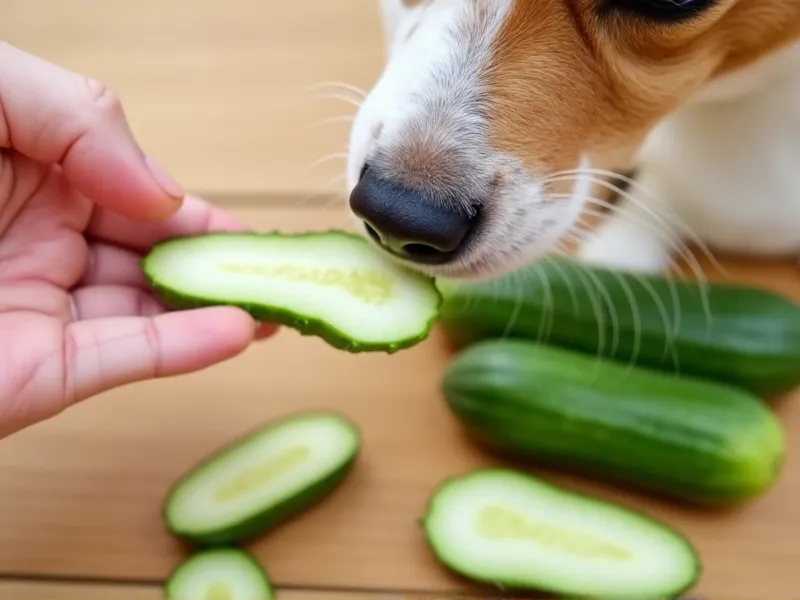
Table of Contents
- Can Dogs Eat Cucumber Peels? The Short Answer
- The Benefits of Cucumber Peels for Dogs: More Than Just a Crunch
- Fiber: A Boost for Digestive Health
- Potassium: Supporting Heart and Muscle Function
- Vitamins and Antioxidants: A Nutrient Boost
- Low-Calorie and Hydrating: Perfect for Weight Management
- Potential Risks of Feeding Cucumber Peels to Dogs
- Pesticide Residue: A Hidden Danger
- Choking Hazard: Size and Preparation Matter
- Stomach Upset: Too Much of a Good Thing (Fiber)
- Seeds: Are They a Concern?
- How Much Cucumber Peel Can Dogs Eat? Safe Guidelines
- Portion Sizes Based on Dog Size
- Preparation Tips: Washing, Cutting, and Organic Options
- Frequency: Occasional Treat, Not a Staple
- Healthier Alternatives to Cucumber Peels for Dogs
- Frequently Asked Questions (FAQ)
- Conclusion: Moderation and Common Sense
- References
Can Dogs Eat Cucumber Peels? The Short Answer
Yes, dogs can eat cucumber peels—in moderation. Cucumber peels are non-toxic and contain valuable nutrients like fiber, potassium, and vitamins. However, there are important caveats: they must be prepared safely (washed, cut into small pieces) and fed occasionally, not as a regular part of your dog’s diet. Some dogs may also have sensitive stomachs, so it’s best to introduce cucumber peels slowly and monitor for any adverse reactions.
The Benefits of Cucumber Peels for Dogs: More Than Just a Crunch
Cucumber peels aren’t just a tasty, crunchy snack—they’re packed with nutrients that can benefit your dog’s health. Let’s break down the key perks:
Fiber: A Boost for Digestive Health
Cucumber peels are rich in dietary fiber, which is essential for keeping your dog’s digestive system running smoothly. Fiber helps regulate bowel movements, prevents constipation, and can even support a healthy gut microbiome. For dogs prone to digestive issues, a small amount of cucumber peel (in moderation!) can act as a gentle, natural “regulator.”
Potassium: Supporting Heart and Muscle Function
Potassium is a vital mineral for dogs, and cucumber peels are a surprisingly good source. This nutrient helps maintain healthy heart rhythm, supports muscle function (including the heart muscle), and aids in nerve signaling. A balanced potassium level also helps regulate blood pressure—important for dogs with heart conditions or senior pups.
Vitamins and Antioxidants: A Nutrient Boost
Cucumber peels contain small but significant amounts of vitamins like vitamin K (supports bone health and blood clotting) and vitamin C (boosts the immune system and fights inflammation). They also have antioxidants, which help protect cells from damage caused by free radicals—think of them as tiny “bodyguards” for your dog’s cells!
Low-Calorie and Hydrating: Perfect for Weight Management
Cucumbers are over 95% water, making them a hydrating snack—ideal for hot days or dogs who need extra fluids. Even better, cucumber peels are low in calories (about 16 calories per cup, sliced) and contain no fat or cholesterol. If your dog is overweight or on a diet, cucumber peels can be a satisfying, guilt-free treat that won’t tip the scales.
Potential Risks of Feeding Cucumber Peels to Dogs
While cucumber peels are generally safe, they’re not without risks. Being aware of these potential issues will help you keep your dog happy and healthy:
Pesticide Residue: A Hidden Danger
Most conventionally grown cucumbers are sprayed with pesticides to protect them from pests. According to the Environmental Working Group’s (EWG) “Dirty Dozen” list, cucumbers often rank high for pesticide residue—even after washing. These chemicals can be harmful to dogs if ingested regularly, causing symptoms like vomiting, diarrhea, or long-term health issues.
Solution: Opt for organic cucumbers when possible, or wash conventional cucumbers thoroughly with a produce brush and water. You can also soak them in a vinegar solution (1 part vinegar to 3 parts water) for 10 minutes to reduce residue.
Choking Hazard: Size and Preparation Matter
Cucumber peels are thin and can be slippery, which makes them a potential choking hazard—especially for small dogs or dogs who “wolf down” their food. Long, uncut strips of peel can get stuck in your dog’s throat, blocking their airway.
Solution: Always cut cucumber peels into small, bite-sized pieces (about 1-inch chunks) before feeding. Avoid feeding large slices or whole peels, even to bigger dogs.
Stomach Upset: Too Much of a Good Thing (Fiber)
While fiber is good for digestion, too much can backfire. Cucumber peels are high in insoluble fiber, which can irritate a sensitive stomach if overfed. This may lead to diarrhea, bloating, or gas—no fun for you or your pup!
Solution: Start with tiny portions (a few small pieces) and monitor your dog for 24 hours. If they tolerate it well, you can gradually increase the amount (within the guidelines below).
Seeds: Are They a Concern?
Cucumber seeds are small and soft, so they’re not toxic to dogs. However, some dogs with sensitive digestion may have trouble breaking them down, leading to minor stomach upset. If your dog tends to have digestive issues, you can scoop out the seeds before feeding the peel—though it’s not strictly necessary for most pups.
How Much Cucumber Peel Can Dogs Eat? Safe Guidelines
Now that you know the benefits and risks, let’s talk about how much cucumber peel is safe. Remember: treats (including cucumber peels) should make up no more than 10% of your dog’s daily calorie intake. Here’s a breakdown by dog size:
Portion Sizes Based on Dog Size
- Toy breeds (e.g., Chihuahua, Yorkie): 1–2 small (1-inch) pieces of cucumber peel, 1–2 times per week.
- Small breeds (e.g., Beagle, Cocker Spaniel): 3–4 small pieces, 1–2 times per week.
- Medium breeds (e.g., Bulldog, Australian Shepherd): ¼ cup of sliced cucumber peel, 1–2 times per week.
- Large breeds (e.g., Labrador, German Shepherd): ½ cup of sliced cucumber peel, 1–2 times per week.
Preparation Tips: Washing, Cutting, and Organic Options
- Wash thoroughly: Even organic cucumbers should be washed to remove dirt or bacteria. Use a produce brush to scrub the peel gently.
- Cut carefully: Slice the cucumber into 1-inch chunks, removing any tough ends. Avoid long strips or thin slices that could pose a choking risk.
- Opt for organic: To reduce pesticide exposure, choose organic cucumbers when possible.
- Remove seeds (optional): If your dog has a sensitive stomach, scoop out the seeds with a spoon before feeding the peel.
Frequency: Occasional Treat, Not a Staple
Cucumber peels are a “sometimes” treat, not a replacement for your dog’s balanced, commercial dog food. Overfeeding can lead to nutrient imbalances or digestive issues, so stick to 1–2 times per week at most.
Healthier Alternatives to Cucumber Peels for Dogs
If your dog isn’t a fan of cucumber peels (or you want to mix up their treats), there are plenty of other safe, healthy veggies and fruits to try:
- Carrots: Crunchy, low-calorie, and great for dental health (the crunch helps scrape plaque!).
- Green beans: Fresh or steamed, green beans are packed with fiber and vitamins—perfect for weight management.
- Bell peppers (no seeds): Red, yellow, or green bell peppers are rich in vitamin C and antioxidants. Remove the seeds and stem first!
- Apples (no seeds/core): A sweet, crunchy treat with fiber and vitamin A—just avoid the seeds (they contain small amounts of cyanide).
- Blueberries: These tiny fruits are loaded with antioxidants and can even support brain health in senior dogs.
- Watermelon (no rind/seeds): Hydrating and sweet, watermelon is a summer favorite for dogs (just skip the rind—it’s tough to digest).
Frequently Asked Questions (FAQ)
Can Puppies Eat Cucumber Peels?
Yes, puppies can eat cucumber peels, but introduce them slowly and in very small portions. Puppies have sensitive digestive systems, so start with 1–2 tiny pieces and monitor for diarrhea or upset stomach. Always consult your vet before adding new foods to a puppy’s diet, especially if they’re under 6 months old.
Are Cucumber Peels Better Than the Flesh for Dogs?
Cucumber peels and flesh offer different benefits. The peel is higher in fiber and nutrients (like potassium and vitamin K), while the flesh is mostly water (great for hydration) and lower in fiber. For most dogs, feeding the whole cucumber (peel and flesh, prepared safely) is ideal—you get the best of both worlds!
What If My Dog Eats Too Many Cucumber Peels?
If your dog gobbles up a large amount of cucumber peels, they may experience diarrhea, bloating, or gas. These symptoms are usually mild and should resolve within 24–48 hours. Offer plenty of fresh water and avoid feeding other treats until their stomach settles. If diarrhea persists for more than a day, or your dog seems lethargic, contact your vet.
Can Dogs Eat Pickled Cucumber Peels?
No! Pickled cucumbers (like dill pickles) are high in salt, vinegar, and spices (like garlic or onion), which are toxic to dogs. Salt can cause sodium ion poisoning, leading to vomiting, diarrhea, seizures, or even death in severe cases. Stick to fresh cucumber only.
Do I Need to Peel Cucumbers Before Feeding Them to My Dog?
No, you don’t need to peel cucumbers— the peel is safe and nutritious! However, you should always wash the cucumber thoroughly (especially if non-organic) to remove pesticides or dirt. If your dog has a history of digestive issues, you can peel the cucumber to reduce fiber intake.
Conclusion: Moderation and Common Sense
Cucumber peels can be a safe, healthy treat for dogs when prepared properly and fed in moderation. They’re low in calories, high in fiber, and packed with nutrients like potassium and vitamins—plus, most dogs love their crisp, refreshing taste!
Remember to:
- Wash cucumbers thoroughly (organic is best to avoid pesticides).
- Cut peels into small, bite-sized pieces to prevent choking.
- Start with small portions and monitor for digestive upset.
- Keep treats (including cucumber peels) to 10% or less of your dog’s daily calories.
As always, every dog is different—if your dog has underlying health issues (like kidney disease or diabetes), consult your vet before adding cucumber peels to their diet. With a little common sense and care, you and your pup can enjoy this crunchy snack together!
References
- American Kennel Club (AKC). “Can Dogs Eat Cucumbers?” akc.org/expert-advice/nutrition/can-dogs-eat-cucumbers
- ASPCA. “Toxic and Non-Toxic Plants: Cucumber.” aspca.org/pet-care/animal-poison-control/toxic-and-non-toxic-plants/cucumber
- PetMD. “Human Foods Dogs Can and Can’t Eat.” petmd.com/dog/nutrition/human-foods-dogs-can-and-cant-eat
- Environmental Working Group (EWG). “2023 Dirty Dozen™ List.” ewg.org/foodnews/dirty-dozen.php
- VCA Hospitals. “Dietary Fiber for Dogs.” vcahospitals.com/know-your-pet/dietary-fiber-for-dogs