· 10 min read
Can Dogs Eat Cucumbers? A Complete Guide for Pet Parents
It’s a sunny afternoon, and you’re snacking on a crisp, refreshing cucumber—crunchy, hydrating, and perfect for beating the heat. Out of the corner of your eye, you notice your dog staring up at you, tail thumping against the floor, their “please share” eyes in full effect. You pause: Is cucumber safe for dogs? Can your furry friend join in on this healthy snack, or is it better to keep the cucumber to yourself?
If you’ve ever wondered whether dogs can eat cucumbers, you’re not alone. As pet parents, we’re hyper-vigilant about what goes into our dogs’ bowls, and with good reason—many human foods can be toxic to our four-legged companions. But cucumbers? They might just be one of the safest, most underrated treats out there.
In this guide, we’ll break down everything you need to know: the benefits of cucumbers for dogs, potential risks to watch for, how much to feed, and even healthier alternatives. Let’s dive in!
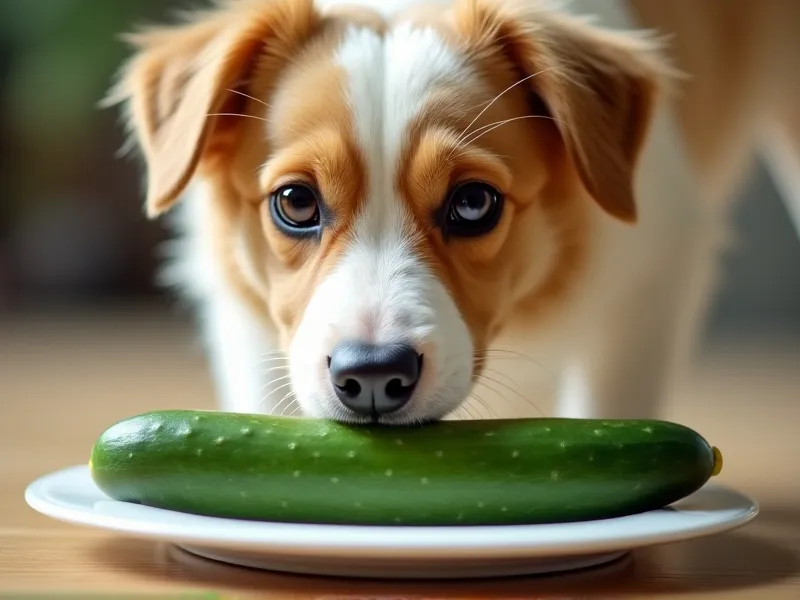
Table of Contents
- Can Dogs Eat Cucumbers? The Short Answer
- The Benefits of Cucumbers for Dogs: More Than Just a Crunch
- Potential Risks: What to Watch For
- How Much Cucumber Can Dogs Eat? Safe Portion Guidelines
- Preparing Cucumbers for Your Dog: Tips for Safety & Enjoyment
- Healthier Alternatives to Cucumbers (or Complementary Snacks)
- FAQ: Your Cucumber Questions Answered
- Conclusion: Cucumbers as Part of a Balanced Diet
Can Dogs Eat Cucumbers? The Short Answer
Yes, dogs can safely eat cucumbers—in moderation, and when prepared properly. Cucumbers are non-toxic to dogs, low in calories, and packed with nutrients that can support their health. In fact, many vets and pet nutritionists recommend cucumbers as a healthy alternative to high-calorie commercial treats, especially for dogs watching their weight.
That said, like any human food, cucumbers come with a few caveats. We’ll cover those in detail below, but the bottom line is: when given in small, sliced portions, cucumbers are a safe, hydrating, and crunchy snack your dog will likely love.
The Benefits of Cucumbers for Dogs: More Than Just a Crunch
Cucumbers aren’t just a tasty snack for humans—they offer several health perks for dogs, too. Let’s break down why this humble veggie deserves a spot in your dog’s treat rotation.
1. Nutrient-Packed: Vitamins and Minerals Your Dog Needs
Cucumbers are rich in key nutrients that support your dog’s overall health:
- Vitamin K: Essential for blood clotting and bone health. A deficiency in vitamin K can lead to excessive bleeding, so getting enough is crucial for dogs of all ages.
- Vitamin C: An antioxidant that boosts the immune system, fights inflammation, and supports skin and coat health. While dogs can produce some vitamin C on their own, extra from food (like cucumbers) can help during times of stress or illness.
- Potassium: Important for heart health, muscle function, and maintaining healthy blood pressure. Potassium also helps balance fluids in the body, which is key for hydration.
- Fiber: Cucumbers contain both soluble and insoluble fiber, which aids digestion by promoting regular bowel movements and supporting a healthy gut microbiome.
2. Low-Calorie: Perfect for Weight Management
If your dog is on a diet (or you’re just trying to avoid packing on extra pounds), cucumbers are a game-changer. A 1-cup serving of sliced cucumber contains only about 16 calories—compare that to a typical dog biscuit, which can have 30–50 calories per treat!
“Cucumbers are an excellent low-calorie option for dogs who need to lose weight or maintain a healthy weight,” says Dr. Sarah Wooten, a veterinarian and author of Puppy Smarts & Doggy Tricks. “They satisfy the urge to crunch without adding unnecessary calories.”
3. Hydrating: A Refreshing Snack for Hot Days
Cucumbers are 96% water, making them one of the most hydrating foods you can give your dog. This is especially helpful in summer, when dogs are at risk of dehydration, or for breeds prone to overheating (like Bulldogs or Pugs).
Dehydration in dogs can lead to lethargy, dry gums, and even organ damage, so offering water-rich snacks like cucumbers is a tasty way to keep them hydrated between water bowl sips.
4. Crunchy Texture: Supports Dental Health (Indirectly)
While cucumbers aren’t a substitute for brushing your dog’s teeth, their crunchy texture can help scrape away plaque and tartar buildup as your dog chews. This is a bonus for dogs who hate having their teeth brushed—every little bit helps!
Potential Risks: What to Watch For
Cucumbers are generally safe, but there are a few risks to keep in mind to ensure your dog stays happy and healthy.
1. Choking Hazard: Size and Shape Matter
Cucumbers are firm and can be a choking risk if not sliced properly—especially for small dogs or dogs who gulp their food. A whole cucumber slice or chunk could get stuck in their throat, leading to choking or gagging.
Fix: Always slice cucumbers into small, bite-sized pieces (think: thin rounds or spears) before giving them to your dog. Avoid large chunks, and never leave your dog unsupervised while they’re eating cucumber (or any treat, for that matter).
2. Stomach Upset: Too Much Fiber Can Cause Digestive Issues
While fiber is good for digestion, too much of a good thing can backfire. Cucumbers contain fiber, and overfeeding can lead to loose stools, diarrhea, or gas—especially in dogs with sensitive stomachs.
Fix: Stick to small portions (we’ll cover exact guidelines below) and introduce cucumbers slowly, especially if your dog has never had them before.
3. Pesticides and Contaminants: Always Wash Thoroughly
Conventionally grown cucumbers are often sprayed with pesticides, which can be harmful to dogs if ingested. Pesticide residue has been linked to digestive upset, neurological issues, and long-term health problems in pets.
Fix: Wash cucumbers thoroughly under running water before feeding, or opt for organic cucumbers to reduce pesticide exposure.
4. Avoid Added Seasonings: Keep It Plain
Cucumbers are safe on their own, but never give your dog cucumber that’s been seasoned with salt, butter, garlic, onion, or spices. These additives can be toxic to dogs:
- Salt: Too much salt can cause sodium ion poisoning, leading to vomiting, diarrhea, seizures, or even death.
- Garlic/onion: These belong to the allium family, which is toxic to dogs and can damage red blood cells.
- Butter/oil: High in fat, which can cause pancreatitis in dogs.
How Much Cucumber Can Dogs Eat? Safe Portion Guidelines
The key to feeding cucumbers (or any human food) to your dog is moderation. As a general rule, treats—including cucumbers—should make up no more than 10% of your dog’s daily calorie intake. The rest should come from a balanced, high-quality dog food.
Here’s a rough guide based on your dog’s size:
| Dog Size | Daily Cucumber Portion | Example |
|---|---|---|
| Small (5–20 lbs) | 1–2 thin slices | 2–3 rounds, about 1–2 inches in diameter |
| Medium (20–50 lbs) | 3–4 slices | 3–4 rounds or 1 small spear (3–4 inches) |
| Large (50+ lbs) | 1/4 to 1/2 cucumber | Sliced into spears or rounds (no more than 1 cup total) |
Pro Tip: If your dog has health issues (like diabetes, kidney disease, or digestive problems), check with your vet before adding cucumbers to their diet. For example, dogs with kidney disease may need to limit potassium, which cucumbers contain in small amounts.
Preparing Cucumbers for Your Dog: Tips for Safety & Enjoyment
To make cucumbers as safe and tasty as possible for your dog, follow these preparation tips:
1. Wash Thoroughly
As mentioned, pesticides are a concern. Rinse the cucumber under cold, running water for 30 seconds, using a vegetable brush to scrub away any dirt or residue. If you’re worried about pesticides, peel the cucumber (though the skin is where most of the fiber and nutrients are!).
2. Slice Properly to Avoid Choking
Cut cucumbers into small, manageable pieces:
- For small dogs: Thin rounds (1–2 inches in diameter) or tiny spears (1–2 inches long).
- For medium/large dogs: Spears (3–4 inches long) or thicker rounds (2–3 inches in diameter).
Avoid feeding whole cucumber slices or chunks—these are too big and can get stuck in your dog’s throat.
3. Remove Seeds? Probably Not Necessary
Cucumber seeds are small and soft, so they’re safe for dogs to eat. There’s no need to scoop them out unless your dog has a history of digestive issues (and even then, the seeds are unlikely to cause problems).
4. Serve Chilled for Extra Refreshment
On hot days, pop cucumber slices in the fridge for 30 minutes before serving. The cold, crunchy texture will feel like a “doggy popsicle” and help your pup cool down.
Healthier Alternatives to Cucumbers (or Complementary Snacks)
Cucumbers are great, but variety is key for a balanced diet. Here are some other dog-safe veggies and fruits that make excellent treats:
1. Carrots
Like cucumbers, carrots are low in calories, high in fiber, and packed with vitamin A (good for eye health). They’re also crunchy, which helps clean teeth.
2. Green Beans
Fresh or frozen green beans (no salt!) are another low-calorie option. They’re rich in iron, calcium, and fiber, making them great for digestion.
3. Bell Peppers
Red, green, or yellow bell peppers are safe for dogs and loaded with vitamin C. Remove the seeds and stem, then slice into strips.
4. Zucchini
Similar to cucumbers, zucchini is hydrating, low-calorie, and full of vitamins A and C. It’s also soft when cooked, making it a good option for senior dogs with dental issues.
5. Blueberries
For a sweet treat, blueberries are packed with antioxidants and safe in small amounts. They’re also low in sugar—perfect for dogs with a sweet tooth.
FAQ: Your Cucumber Questions Answered
Q: Can puppies eat cucumbers?
A: Yes! Puppies can eat small amounts of cucumber, as long as they’re old enough to chew solid food (usually 8+ weeks). Start with tiny slices to avoid choking, and monitor for digestive upset.
Q: Are cucumber seeds safe for dogs?
A: Yes, cucumber seeds are safe. They’re small and soft, so they won’t cause blockages or digestive issues in most dogs.
Q: Can dogs eat pickles?
A: No. Pickles are cucumbers soaked in vinegar, salt, and spices—all of which are bad for dogs. Vinegar can irritate their stomach, and salt can lead to sodium poisoning. Stick to plain, fresh cucumber instead.
Q: Is cucumber skin safe for dogs?
A: Yes, cucumber skin is safe—if washed thoroughly to remove pesticides. The skin contains most of the fiber and nutrients, so it’s better to leave it on!
Q: Can dogs with diabetes eat cucumbers?
A: Cucumbers are low in sugar (less than 1 gram per cup) and have a low glycemic index, so they’re generally safe for dogs with diabetes. However, always check with your vet first, as individual dogs may have different dietary needs.
Conclusion: Cucumbers as Part of a Balanced Diet
Cucumbers are a safe, healthy, and affordable treat for most dogs. They’re low in calories, high in nutrients, and hydrating—making them perfect for summer snacking or weight management. Just remember to slice them into small pieces, wash thoroughly, and avoid added seasonings.
As with any new food, introduce cucumbers slowly and watch for signs of digestive upset (like diarrhea or vomiting). If your dog has underlying health issues, or if you’re unsure about portion sizes, consult your vet first.
At the end of the day, the best treat for your dog is love—and maybe a crunchy cucumber slice on the side. Enjoy sharing the snack!
References
- American Kennel Club (AKC). “Can Dogs Eat Cucumbers?” akc.org
- PetMD. “Human Foods Dogs Can and Can’t Eat.” petmd.com
- ASPCA. “Toxic and Non-Toxic Plants.” aspca.org
- Dr. Sarah Wooten, DVM. “The Ultimate Guide to Feeding Your Dog Human Food.” drsarahwooten.com