· 9 min read
Can Dogs Eat Crickets? Benefits, Risks, and Safe Feeding Guidelines
It’s a warm summer evening, and you’re relaxing on the porch when suddenly, your dog’s ears perk up. Their nose twitches, and before you can blink, they’re pouncing—on a cricket. In a flash, the tiny insect is gone. Panic sets in: Did my dog just eat a cricket? Is that safe?
If you’ve ever found yourself in this scenario, you’re not alone. Crickets are everywhere, and dogs—with their curious noses and love for chasing small moving things—are natural hunters. But as a pet parent, it’s only natural to worry about what your furry friend puts in their mouth. Are crickets a harmless snack, or a hidden danger?
In this guide, we’ll break down everything you need to know: whether dogs can eat crickets, the potential benefits, risks to watch for, how much is safe, and even healthier alternatives. Let’s jump in!
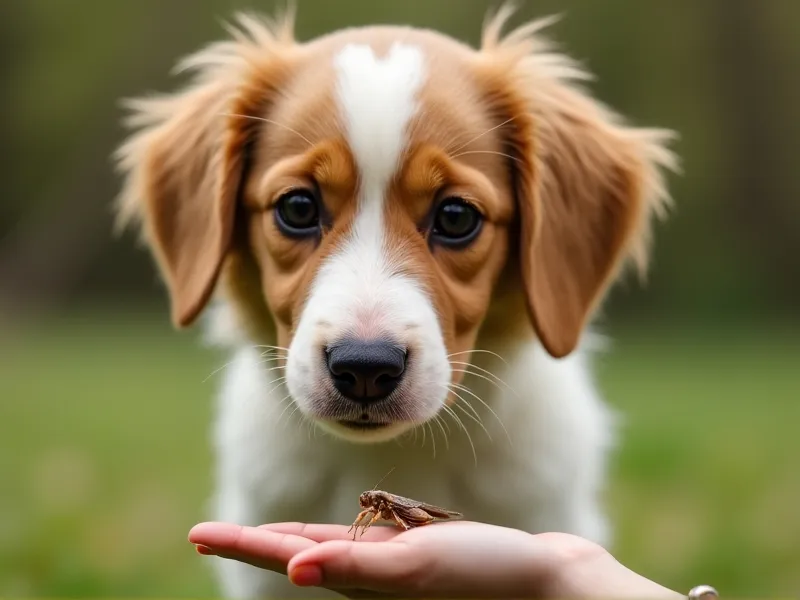
Table of Contents
- Can Dogs Eat Crickets? The Short Answer
- The Nutritional Lowdown: Benefits of Crickets for Dogs
- Potential Risks to Watch For
- How Much is Safe? Feeding Guidelines
- Healthier Alternatives to Crickets
- FAQ: Your Cricket Questions Answered
- Conclusion: Proceed with Caution and Common Sense
- References
Can Dogs Eat Crickets? The Short Answer
Yes, dogs can eat crickets—in small, controlled amounts—but not all crickets are created equal.
If your dog accidentally snatches a single wild cricket in the backyard, it’s unlikely to cause harm (though we’ll cover why wild crickets are risky later). However, intentional feeding requires caution. The safest crickets are farm-raised, commercially prepared (think freeze-dried or roasted treats), not the ones hopping around your garden.
Wild crickets may carry pesticides, parasites, or toxins, while farm-raised crickets are raised in controlled environments, making them a safer (though still occasional) snack.
The Nutritional Lowdown: Benefits of Crickets for Dogs
Crickets might not sound like a superfood, but they’re surprisingly nutrient-dense—even for dogs. Here’s why they’re gaining attention as a potential pet treat:
1. High-Quality Protein
Protein is the building block of a dog’s diet, supporting muscle growth, tissue repair, and a healthy coat. Crickets are packed with it: studies show they contain about 60–70% protein by dry weight, which is comparable to chicken (around 65%) and higher than beef (50%) [1]. Unlike some plant-based proteins, cricket protein is “complete,” meaning it contains all nine essential amino acids dogs need.
2. Fiber for Digestive Health
Crickets have a hard outer shell called chitin, a fiber-like substance that acts as a prebiotic. Prebiotics feed the “good” bacteria in your dog’s gut, supporting digestion and immune function [2]. While dogs can’t digest chitin fully, small amounts may help regulate bowel movements and promote a healthy gut microbiome.
3. Potassium for Heart and Muscle Function
Potassium is an electrolyte that helps regulate your dog’s heart rate, muscle contractions, and fluid balance. Crickets are a natural source of this mineral—100 grams of crickets contain about 200–300 mg of potassium, similar to bananas (a fruit dogs can safely enjoy in moderation) [3]. For active dogs or seniors, potassium supports stamina and heart health.
4. Sustainable and Eco-Friendly
Okay, this isn’t a direct health benefit for your dog, but it’s a win for the planet! Crickets require far less water, land, and feed than traditional livestock (like cows or chickens) to produce the same amount of protein. For eco-conscious pet parents, cricket-based treats are a sustainable alternative to meat-heavy snacks [4].
Potential Risks to Watch For
While crickets have nutritional perks, they’re not risk-free. Here are the biggest concerns to keep in mind:
1. Wild Crickets: Pesticides, Parasites, and Toxins
The crickets in your backyard are not the same as the ones in commercial treats. Wild crickets may:
- Ingest pesticides or herbicides: If your lawn or garden is treated with chemicals, crickets can absorb these toxins, which then transfer to your dog.
- Carry parasites: Crickets might host internal parasites (like worms) or external pests (like mites), which can infect your dog.
- Eat toxic plants: Crickets are omnivores and may munch on toxic plants (like lilies or azaleas), making them poisonous to your pup.
Rule of thumb: Never intentionally feed your dog wild crickets. Accidental ingestion of one or two is usually harmless, but repeated snacking on wild bugs is risky.
2. Stomach Upset (Especially for Sensitive Dogs)
Even farm-raised crickets can upset your dog’s stomach, especially if they’re not used to new foods. Chitin (the fiber in cricket shells) is indigestible in large amounts, which can cause:
- Diarrhea
- Vomiting
- Gas or bloating
Dogs with sensitive digestive systems (like those with IBS or food allergies) are more likely to react. Start with tiny portions to test tolerance.
3. Choking Hazard
Crickets are small, but whole crickets (especially large ones) can pose a choking risk for small dogs, puppies, or dogs who gulp their food. Freeze-dried crickets are often brittle and may break into sharp pieces, increasing the risk. Opt for crushed or ground cricket treats if you have a small breed.
4. Added Sugars or Additives in Commercial Treats
Not all cricket treats are created equal! Some brands add sugar, salt, artificial flavors, or preservatives to make crickets more palatable. Sugar is especially problematic: dogs don’t need added sugars, and too much can lead to obesity, dental issues, or even diabetes [5]. Always check the ingredient list—look for treats with only crickets (e.g., “100% freeze-dried crickets”) and no extra additives.
5. Allergic Reactions (Rare but Possible)
Food allergies in dogs are most common with proteins like beef, chicken, or dairy, but cricket protein could trigger a reaction in sensitive pups. Signs of an allergy include:
- Itchy skin, redness, or hives
- Swelling of the face, lips, or tongue
- Difficulty breathing
If you notice these symptoms after feeding crickets, stop immediately and contact your vet.
How Much is Safe? Feeding Guidelines
If you want to try cricket treats, follow these rules to keep your dog safe:
1. Stick to Commercial, Farm-Raised Treats
Choose treats labeled “human-grade” or “pet-safe,” with crickets raised specifically for consumption. Look for brands that test for pesticides, pathogens, and heavy metals (many reputable companies share third-party lab results online).
2. Start Small and Monitor
Begin with 1–2 tiny crickets (or a pinch of crushed cricket powder) for small dogs, or 3–4 for medium/large breeds. Wait 24–48 hours to watch for stomach upset, allergies, or other reactions. If all goes well, you can gradually increase the portion (but never more than 10% of your dog’s daily calories—crickets are a treat, not a meal).
3. Avoid Raw Crickets
Raw crickets may carry bacteria like Salmonella or E. coli, which can sicken both dogs and humans. Opt for freeze-dried, roasted, or dehydrated crickets—processing kills harmful pathogens.
4. Don’t Replace Balanced Dog Food
Crickets are a snack, not a substitute for your dog’s regular food. High-quality dog food is formulated to meet all their nutritional needs (protein, fats, vitamins, and minerals). Crickets add extra protein but lack key nutrients like calcium or omega-3s.
5. Ask Your Vet First
If your dog has health issues (kidney disease, pancreatitis, or allergies), or is a puppy, senior, or pregnant/nursing, consult your vet before feeding crickets. They can help you decide if crickets are safe for your dog’s unique needs.
Healthier Alternatives to Crickets
If crickets make you (or your dog) squeamish, there are plenty of safer, more traditional treats that offer similar benefits:
1. Lean Meats (Chicken, Turkey, or Beef)
Cooked, unseasoned chicken or turkey is a classic dog favorite. These meats are high in protein, low in fat, and easy to digest. For a crunchy twist, bake chicken breast slices into jerky!
2. Fish (Salmon or Sardines)
Salmon is rich in omega-3 fatty acids (great for skin and coat health), while sardines are packed with calcium (for strong bones). Choose canned sardines in water (no salt or oil) for a budget-friendly treat.
3. Veggies (Carrots, Green Beans, or Sweet Potatoes)
Crunchy veggies like carrots or green beans are low-calorie, high-fiber, and safe for dogs. Sweet potatoes (cooked, no added sugar) are a great source of potassium and beta-carotene (an antioxidant).
4. Fruits (Blueberries, Apples, or Bananas)
Blueberries are loaded with antioxidants, apples (core removed!) provide fiber, and bananas offer potassium—all in a naturally sweet package. Just limit fruit to 10% of daily calories to avoid sugar overload.
FAQ: Your Cricket Questions Answered
Q: My dog ate a wild cricket—should I panic?
A: Probably not. One or two wild crickets are unlikely to cause harm, but monitor your dog for 24 hours. If they vomit, have diarrhea, or seem lethargic, contact your vet (to rule out pesticides or parasites).
Q: Are cricket treats safe for puppies?
A: Puppies have developing digestive systems, so proceed with caution. Consult your vet first, and start with a tiny portion (e.g., 1 crushed cricket). Avoid if your puppy has a history of stomach issues.
Q: Can crickets replace my dog’s protein supplements?
A: Maybe! If your dog needs extra protein (e.g., after surgery or for muscle gain), cricket powder can be mixed into food. But check with your vet to ensure it won’t interfere with their diet.
Q: Are there any dog breeds that shouldn’t eat crickets?
A: Brachycephalic breeds (pugs, bulldogs) may be more prone to choking on whole crickets. Small breeds (chihuahuas, Yorkies) should stick to crushed or powdered crickets to avoid choking.
Q: How do I store cricket treats?
A: Keep freeze-dried cricket treats in an airtight container in a cool, dry place. They typically last 6–12 months unopened, or 1–2 months once opened.
Conclusion: Proceed with Caution and Common Sense
So, can dogs eat crickets? Yes—but with caveats. A few farm-raised, commercially prepared cricket treats are unlikely to harm your dog and may even offer nutritional benefits. But wild crickets are risky, and moderation is key.
As a pet parent, the best approach is to prioritize safety: stick to reputable brands, start small, and watch for reactions. And if you’re unsure? Always ask your vet. They know your dog’s health history and can guide you toward the best treats for their needs.
At the end of the day, whether it’s crickets, carrots, or chicken, the goal is to keep your pup happy, healthy, and (let’s be real) entertained by their next snack. Here’s to many more tail wags—and fewer surprise cricket chases!
References
- American Kennel Club (AKC). “Insect Protein for Dogs: What You Need to Know.” 2023.
- PetMD. “Chitin: A Fiber That May Boost Your Pet’s Gut Health.” 2022.
- USDA FoodData Central. “Nutritional Profile of Crickets (Acheta domesticus).” 2021.
- Food and Agriculture Organization (FAO). “Edible Insects: Future Prospects for Food and Feed Security.” 2013.
- American College of Veterinary Nutrition (ACVN). “Sugar in Pet Food: Risks and Recommendations.” 2022.
- FDA. “Regulation of Pet Food: A Primer.” 2023.
Disclaimer: This article is for informational purposes only and not a substitute for professional veterinary advice. Always consult your vet before introducing new foods to your pet’s diet.