· 7 min read
Can Dogs Eat Crayons? The Surprising Truth Every Pet Parent Should Know
Picture this: You’re knee-deep in a rainy-day craft session with your kids, markers and construction paper spread across the table. Your golden retriever, Max, who’s been “supervising” from the corner, suddenly trots over with a bright blue crayon clamped in his jaws. Before you can react, he swallows it whole. Panic sets in: Is that crayon toxic? Will Max get sick?
If you’ve ever found yourself in a similar situation, you’re not alone. Crayons are a household staple, and curious dogs—especially puppies—love to explore the world with their mouths. But when it comes to our furry friends, “non-toxic” doesn’t always mean “safe to eat.” In this post, we’ll dive into whether dogs can eat crayons, the potential risks (and very few “benefits”), and what to do if your pup decides to turn your art supplies into a snack.
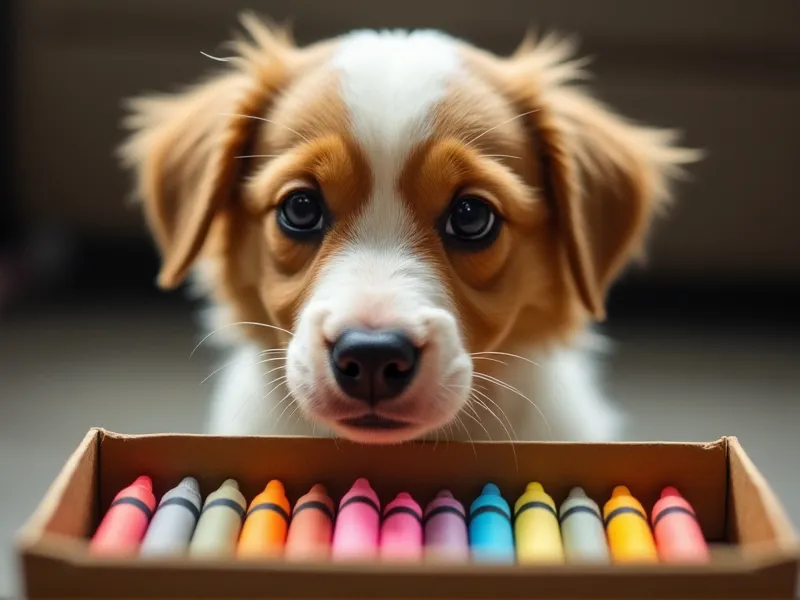
Table of Contents
- Can Dogs Eat Crayons? The Short Answer
- What Are Crayons Made Of, Anyway?
- Potential “Benefits” of Crayons for Dogs: Let’s Debunk the Myths
- The Real Risks of Dogs Eating Crayons
- How Much Crayon Is “Safe” for Dogs?
- Healthier Alternatives to Crayons for Your Pup
- FAQ: What to Do If Your Dog Eats a Crayon
- Conclusion: Keep Crayons for Coloring, Not Canines
Can Dogs Eat Crayons? The Short Answer
No, dogs should not eat crayons—intentionally or otherwise. While most crayons (especially reputable brands like Crayola) are labeled “non-toxic,” that doesn’t make them a safe snack. Crayons are designed for coloring, not consumption, and they offer zero nutritional value to dogs. In fact, they can pose choking hazards, cause digestive upset, or even lead to intestinal blockages in severe cases.
If your dog accidentally swallows a small piece of crayon, it’s unlikely to be life-threatening, but it’s still not ideal. Let’s break down why.
What Are Crayons Made Of, Anyway?
To understand why crayons aren’t safe for dogs, let’s start with their ingredients. Most standard crayons (like those from Crayola) are made from:
- Wax: Usually paraffin wax (a petroleum byproduct) or beeswax. Wax is indigestible for dogs and can pass through the digestive tract slowly, potentially causing blockages.
- Pigments: Colorants that give crayons their vibrant hues. Most modern pigments are non-toxic (e.g., iron oxide for red, titanium dioxide for white), but some cheaper or imported crayons may contain heavy metals or harmful chemicals.
- Binders/Additives: Small amounts of stearic acid (a fatty acid) to help the wax hold shape, or sometimes fragrances (more common in “scented” crayons).
Reputable brands like Crayola explicitly state their crayons are “non-toxic” and meet safety standards set by the U.S. Consumer Product Safety Commission (CPSC). But “non-toxic” doesn’t mean “edible”—it just means they won’t poison your dog in small doses.
Potential “Benefits” of Crayons for Dogs: Let’s Debunk the Myths
You might be wondering: Could crayons have any hidden benefits? The short answer is no. Let’s address the myths:
Myth 1: “Crayons have fiber or nutrients.”
Wax is indigestible and contains no fiber, protein, vitamins, or minerals. Beeswax (found in some natural crayons) does have trace amounts of fatty acids, but not enough to benefit your dog. Even if a crayon had “nutrients,” the risks far outweigh any minuscule upside.
Myth 2: “They’re a good source of potassium.”
Potassium is essential for dogs, but crayons don’t contain it. This myth likely stems from confusion with fruits or vegetables (like bananas or sweet potatoes) that are high in potassium. Crayons = zero potassium.
Myth 3: “Chewing on crayons helps clean teeth.”
Hard objects like crayons can actually damage your dog’s teeth, leading to chips or fractures. Stick to vet-approved dental chews instead!
The Real Risks of Dogs Eating Crayons
While small amounts of crayon are rarely toxic, they can still cause problems. Here are the biggest risks:
1. Choking Hazard
Crayons are small and cylindrical, making them easy for dogs (especially small breeds or puppies) to choke on. If a piece gets stuck in their throat, it can block airflow—a life-threatening emergency.
2. Digestive Upset
Wax is tough for dogs to digest. Even a small amount can cause:
- Vomiting
- Diarrhea (sometimes with colorful stools—yes, the pigment may pass through!)
- Stomach pain or bloating
3. Intestinal Blockage
If your dog eats a large chunk of crayon (or multiple crayons), the wax can clump together in the intestines, forming a blockage. Symptoms include loss of appetite, lethargy, vomiting (especially if nothing comes up), or constipation. Blockages require immediate veterinary care—surgery may be needed to remove them.
4. Harmful Additives (In Some Crayons)
While most mainstream crayons are safe, avoid:
- Scented crayons: Fragrances can irritate a dog’s sensitive nose or stomach.
- Imported/cheap crayons: These may contain lead, phthalates, or other toxins. Always check labels for “non-toxic” claims.
- Glitter or metallic crayons: Glitter is indigestible and can stick to the intestinal lining, causing inflammation.
How Much Crayon Is “Safe” for Dogs?
The short answer: There is no “safe” amount to feed your dog intentionally. Crayons offer no nutritional value, so there’s no reason to give them to your pup as a treat or chew toy.
If your dog accidentally swallows a small piece (e.g., a broken tip), monitor them closely for 24–48 hours. Most dogs will pass the wax without issue, though they may have mild diarrhea.
If they eat a large chunk (e.g., half a crayon or more) or multiple crayons, contact your vet immediately. This increases the risk of blockages, especially in small dogs or those prone to digestive issues.
Healthier Alternatives to Crayons for Your Pup
Instead of letting your dog munch on crayons, offer these safe, engaging alternatives:
1. Dog-Safe Chew Toys
- Rubber toys: KONGs or Nylabones are great for satisfying chewing urges. Stuff them with peanut butter (xylitol-free!) for extra fun.
- Rope toys: Help clean teeth and prevent boredom.
2. Nutritious Snacks
- Carrots or celery: Crunchy, low-calorie, and high in fiber.
- Apples (seedless): A good source of vitamins A and C.
- Blueberries: Antioxidant-rich and bite-sized for small dogs.
3. Natural Chews
- Bully sticks: High in protein and long-lasting (choose reputable brands to avoid contamination).
- Dehydrated sweet potatoes: Chewy and full of fiber.
4. Puzzle Feeders
Keep your dog busy with treat-dispensing toys, which mentally stimulate them and reduce the urge to chew on household items.
FAQ: What to Do If Your Dog Eats a Crayon
Q: My dog ate a crayon—should I panic?
A: Stay calm! If it was a small piece and your dog seems fine (no choking, vomiting, or lethargy), monitor them for 24–48 hours. Call your vet if they develop symptoms like diarrhea, loss of appetite, or abdominal pain.
Q: Are all crayons non-toxic to dogs?
A: No. Reputable brands like Crayola are non-toxic, but cheap or imported crayons may contain lead or harmful chemicals. Always check the label for “non-toxic” and “meets ASTM D-4236” (a safety standard for art materials).
Q: Can puppies eat crayons?
A: Puppies are more curious and prone to chewing, but they’re also smaller and have more sensitive digestive systems. A crayon could pose a higher choking or blockage risk for puppies—keep art supplies out of their reach!
Q: My dog’s stool is colored after eating a crayon. Is that normal?
A: Yes! The pigment in the crayon may pass through undigested, turning stools red, blue, or green. This is harmless and should resolve in 1–2 days.
Q: Should I induce vomiting if my dog eats a crayon?
A: Only if your vet tells you to. Inducing vomiting can be dangerous if the crayon is sharp or if your dog is already showing symptoms (e.g., lethargy, vomiting).
Conclusion: Keep Crayons for Coloring, Not Canines
At the end of the day, crayons are for art projects, not dog snacks. They offer zero nutritional benefits and can cause choking, digestive upset, or blockages. If your dog accidentally swallows a small piece, stay calm and monitor for symptoms. For larger ingestions, contact your vet ASAP.
The best way to keep your pup safe? Store crayons (and other small, chewable items) out of reach, and provide plenty of dog-safe toys and treats to keep them occupied. When in doubt, always consult your veterinarian—they’re your best resource for keeping your furry friend healthy and happy.
References
- American Society for the Prevention of Cruelty to Animals (ASPCA). Toxic and Non-Toxic Plants and Substances. aspca.org/pet-care/animal-poison-control
- Crayola. Safety Information. crayola.com/for-educators/safety-information
- PetMD. What to Do If Your Dog Eats Something They Shouldn’t. petmd.com/dog/nutrition/what-do-if-your-dog-eats-something-they-shouldnt
- VCA Hospitals. Gastrointestinal Obstruction in Dogs. vcahospitals.com/know-your-pet/gastrointestinal-obstruction-in-dogs