· 7 min read
Can Dogs Eat Cranberry Sauce? A Pet Parent’s Guide to Holiday Snacking
As you gather around the table for Thanksgiving or Christmas, your pup’s nose is likely twitching at the aroma of roasted turkey, warm stuffing, and—of course—that glossy bowl of cranberry sauce. It’s hard to resist those puppy eyes begging for a taste. But before you slide a spoonful their way, you might wonder: Is cranberry sauce safe for dogs? After all, cranberries are packed with vitamins for humans—could they offer the same benefits to our four-legged friends? Let’s dive in to separate fact from fiction, so you can keep your dog happy and healthy this holiday season.
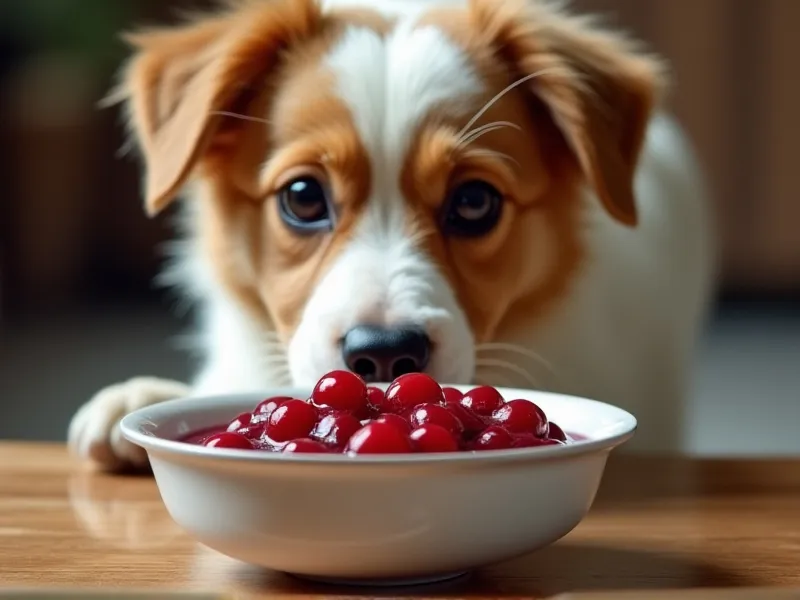
Table of Contents
- Can Dogs Eat Cranberry Sauce? The Short Answer
- Potential Benefits of Cranberries for Dogs
- Risks of Feeding Cranberry Sauce to Dogs
- How Much Cranberry Sauce Is Safe for Dogs?
- Healthier Alternatives to Cranberry Sauce
- Frequently Asked Questions (FAQ)
- Conclusion: Enjoy the Holidays Responsibly
- References
Can Dogs Eat Cranberry Sauce? The Short Answer
Yes, but with major caveats. Plain, unsweetened cranberries are generally safe for dogs in small amounts, and they even offer some health benefits. However, most store-bought or homemade cranberry sauces are loaded with sugar, which can harm dogs. Some sauces may also contain additives like spices (e.g., nutmeg) or artificial sweeteners (e.g., xylitol) that are toxic.
In short: Cranberry sauce isn’t poisonous to dogs, but it’s rarely a good idea to share. The risks—especially from sugar—often outweigh any potential benefits. Let’s break down why.
Potential Benefits of Cranberries for Dogs
Cranberries themselves (not the sugary sauce) are nutrient-dense and may offer some perks for dogs. Here’s what makes them a standout fruit:
1. Antioxidants for Immune Support
Cranberries are rich in antioxidants like vitamin C and proanthocyanidins (PACs). These compounds help fight free radicals, which can damage cells and lead to chronic diseases. For dogs, antioxidants may support a healthy immune system and reduce inflammation, according to the American Kennel Club (AKC).
2. Fiber for Digestive Health
A single cup of fresh cranberries contains about 4.6 grams of fiber, which aids digestion by promoting regular bowel movements. Fiber can also help dogs feel full, which may be useful for weight management (though cranberries are tart, so most dogs won’t eat enough to make a difference here!).
3. Potassium for Heart and Muscle Function
Cranberries are a natural source of potassium, an electrolyte that supports heart health, muscle contraction, and nerve function. Potassium is essential for dogs, and a small boost from cranberries (in moderation) can complement their balanced diet.
4. Urinary Tract Support (Maybe)
You’ve probably heard cranberries help prevent urinary tract infections (UTIs) in humans by stopping bacteria like E. coli from sticking to bladder walls. Some vets believe this may also apply to dogs, though research is limited. The Veterinary Centers of America (VCA) notes that cranberry supplements (not sauce) may be used under veterinary guidance to support urinary health in dogs prone to UTIs.
Risks of Feeding Cranberry Sauce to Dogs
Now, let’s talk about why cranberry sauce is problematic. The biggest issue? Sugar.
1. Sugar: A Hidden Danger
Most cranberry sauces are loaded with sugar to mask the fruit’s tartness. A typical ¼-cup serving of store-bought sauce can contain 10–15 grams of sugar—more than a dog should consume in a day. Excess sugar leads to:
- Obesity: Extra calories from sugar quickly add up, increasing the risk of weight gain and related issues like joint pain or diabetes.
- Dental Disease: Sugar feeds harmful bacteria in the mouth, leading to plaque, tartar, and tooth decay.
- Pancreatitis: High-sugar foods can trigger inflammation of the pancreas, a painful and potentially life-threatening condition in dogs.
2. Stomach Upset
Cranberries are acidic, and too much acid can irritate a dog’s stomach, causing vomiting, diarrhea, or stomach pain. This is especially true for dogs with sensitive tummies or conditions like acid reflux.
3. Choking Hazards
Whole cranberries (if left in sauce) are small and round, making them a choking risk for small dogs. Even mashed sauce with chunks can get stuck in a dog’s throat, so always chop berries finely if you must share.
4. Toxic Additives to Watch For
Some cranberry sauces include ingredients that are dangerous to dogs:
- Nutmeg: A common spice in holiday recipes, nutmeg contains myristicin, which can cause seizures, hallucinations, or vomiting in large doses.
- Xylitol: An artificial sweetener used in “sugar-free” sauces. Xylitol is extremely toxic to dogs, even in tiny amounts, as it causes a rapid drop in blood sugar (hypoglycemia) and liver failure. Always check labels for xylitol!
How Much Cranberry Sauce Is Safe for Dogs?
If you’re determined to share a tiny taste (e.g., a drop from your plate), follow these rules:
- Stick to unsweetened, plain sauce. No sugar, spices, or additives.
- Limit portion size:
- Small dogs (under 20 lbs): ½–1 teaspoon
- Medium dogs (20–50 lbs): 1–2 teaspoons
- Large dogs (over 50 lbs): 2–3 teaspoons
- Only as an occasional treat. Once a month at most—cranberry sauce has no place in a dog’s regular diet.
When in doubt, skip it. The risks of accidental sugar overload or toxic additives aren’t worth the momentary tail wag.
Healthier Alternatives to Cranberry Sauce
If you want to share the cranberry love without the sugar, try these safer options:
1. Fresh or Frozen Cranberries
Plain, raw cranberries are tart, so most dogs won’t eat them whole. Try mashing 1–2 berries into their regular food, or freeze them as a crunchy, low-calorie treat (great for teething puppies!).
2. Unsweetened Cranberry Juice (Diluted)
A splash of unsweetened cranberry juice (mixed with water) may help support urinary health in dogs prone to UTIs, but only under your vet’s guidance. Too much can cause stomach upset.
3. Other Berries
Blueberries, strawberries, and raspberries are safer, sweeter alternatives. They’re low in sugar, high in antioxidants, and most dogs love them. A handful (depending on size) makes a perfect snack.
4. Homemade “Dog-Friendly” Cranberry Sauce
If you’re feeling crafty, whip up a dog-safe version: Mix ¼ cup fresh cranberries with 1 tablespoon water, simmer until soft, and mash. Skip the sugar—your dog won’t mind the tartness!
Frequently Asked Questions (FAQ)
Q: My dog ate a whole bowl of cranberry sauce! What should I do?
A: Stay calm. If the sauce contained xylitol, call your vet or an emergency animal hospital immediately—xylitol toxicity can be fatal. If it was just sugar, monitor your dog for symptoms like vomiting, diarrhea, lethargy, or increased thirst/urination. Contact your vet if these occur, as they may signal pancreatitis or stomach upset.
Q: Is sugar-free cranberry sauce safe for dogs?
A: No! Most sugar-free sauces use xylitol, which is toxic to dogs. Even small amounts (e.g., a teaspoon) can cause seizures, liver failure, or death. Always check labels for xylitol before sharing any “sugar-free” food.
Q: Can puppies eat cranberry sauce?
A: Puppies have sensitive digestive systems, so it’s best to avoid cranberry sauce. Their bodies are still developing, and sugar can disrupt their blood sugar levels or lead to obesity later in life. Stick to puppy-safe treats like plain yogurt or small pieces of cooked chicken.
Q: My dog has diabetes. Is cranberry sauce off-limits?
A: Absolutely. Dogs with diabetes can’t process sugar properly, and cranberry sauce would spike their blood sugar dangerously. Even small amounts could be life-threatening.
Q: Do cranberries help with dog UTIs?
A: Maybe, but not as a treatment. Some studies suggest cranberry supplements (not sauce) may help prevent UTIs by inhibiting bacterial growth. However, if your dog has a UTI, they need antibiotics from a vet—not cranberry sauce.
Conclusion: Enjoy the Holidays Responsibly
This holiday season, resist the urge to share your cranberry sauce with your dog. While plain cranberries offer some benefits, the sugar, additives, and risks in sauce make it a poor choice. Instead, opt for dog-safe treats like blueberries or a tiny taste of plain, cooked turkey (no skin or bones!).
Remember: Every dog is different. If you’re unsure whether a food is safe, always consult your vet—especially if your dog has health conditions like diabetes or kidney disease.
Here’s to a happy, healthy holiday for you and your furry friend! 🦃🐾
References
- American Kennel Club (AKC). “Can Dogs Eat Cranberries?” https://www.akc.org/expert-advice/nutrition/can-dogs-eat-cranberries/
- PetMD. “Can Dogs Eat Cranberries?” https://www.petmd.com/dog/nutrition/can-dogs-eat-cranberries
- Veterinary Centers of America (VCA). “Cranberries and Cranberry Extract for Dogs.” https://vcahospitals.com/know-your-pet/cranberries-and-cranberry-extract-for-dogs
- ASPCA Animal Poison Control Center. “Xylitol Toxicity in Dogs.” https://www.aspca.org/pet-care/animal-poison-control/xylitol-poisoning-dogs