· 8 min read
Can Dogs Eat Crackers? The Ultimate Guide for Pet Parents
It’s a lazy Saturday morning, and you’re munching on a handful of buttery crackers while scrolling through your phone. Suddenly, you feel a wet nose nudge your hand, followed by those puppy-dog eyes that could melt even the coldest heart. “Just one bite?” your dog seems to beg. But before you cave, you pause: Can dogs eat crackers? Are they safe?
If you’ve ever found yourself in this scenario, you’re not alone. Many pet parents wonder whether their favorite crispy snacks are okay to share with their furry friends. The answer isn’t a simple “yes” or “no”—it depends on the type of cracker, your dog’s size, and how often you offer them. Let’s dive into everything you need to know to keep your pup happy and healthy.
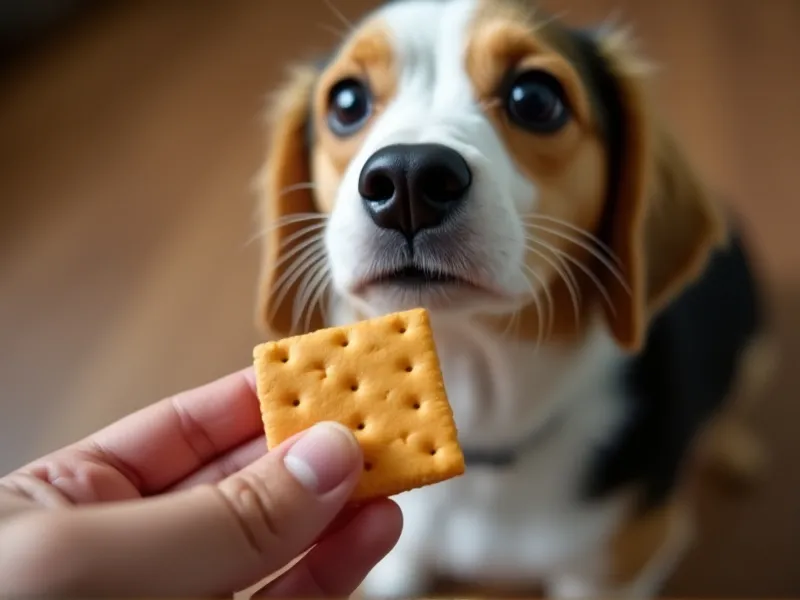
Table of Contents
- Can Dogs Eat Crackers? The Short Answer
- Potential Benefits of Crackers for Dogs (Yes, There Are a Few!)
- The Risks: Why Crackers Might Not Be the Best Treat
- How Much is Safe? Guidelines by Dog Size
- Healthier Alternatives to Crackers
- FAQ: Your Most Pressing Cracker Questions Answered
- Conclusion: Moderation is Key
Can Dogs Eat Crackers? The Short Answer
Yes, dogs can eat crackers—but only in very limited quantities, and only certain types. Most plain, unsalted, unseasoned crackers are not toxic to dogs. However, they’re rarely “good” for them, either. Crackers are typically high in carbs, low in nutrients, and often packed with added sugar, salt, or artificial ingredients that can harm your pup over time.
Think of crackers like human junk food:偶尔 (occasionally) sharing a small piece won’t hurt, but making them a regular part of your dog’s diet could lead to health issues. Let’s break down the pros and cons to help you make informed choices.
Potential Benefits of Crackers for Dogs (Yes, There Are a Few!)
While crackers aren’t a nutritional powerhouse, some varieties might offer tiny benefits—if you choose wisely. Here’s what to look for:
1. Fiber (from Whole Grains)
Whole grain crackers (made with oats, brown rice, or whole wheat) contain fiber, which supports healthy digestion in dogs. Fiber helps regulate bowel movements and can even aid in weight management by keeping your pup full longer. For example, a cracker made with whole wheat flour might have 1-2 grams of fiber per serving—nothing groundbreaking, but better than refined flour options.
2. Trace Minerals (Like Potassium)
Some crackers include small amounts of potassium, a mineral that helps dogs maintain healthy muscles and nerve function. This is more common in crackers made with ingredients like bananas or sweet potatoes (though these are rare!). Most standard crackers have minimal potassium, but it’s a small plus.
3. A Low-Calorie Treat (If You Pick the Right Ones)
Unsalted, plain rice crackers or whole grain crackers with no added sugar are lower in calories than, say, a chocolate chip cookie. If you’re looking for a tiny, occasional treat, these could work—but only if they’re free of harmful additives.
The Risks: Why Crackers Might Not Be the Best Treat
The downsides of feeding crackers to dogs often outweigh the benefits. Here are the biggest risks to watch for:
1. Too Much Sugar = Obesity and Diabetes
Many crackers (like graham crackers, honey-flavored varieties, or “sweet” crackers) are loaded with sugar. Dogs don’t need sugar in their diet, and excess sugar can lead to obesity, dental decay, and even diabetes over time. For example, a single graham cracker can have 3-5 grams of sugar—that’s more than a dog should consume in a day!
2. High Sodium = Dehydration or Kidney Issues
Salt is a common culprit in crackers. Saltine crackers, for instance, are very high in sodium (up to 150mg per cracker!). Dogs need only about 100mg of sodium per 10 pounds of body weight daily. Feeding even a few saltines could push your pup over their limit, leading to excessive thirst, electrolyte imbalances, or long-term kidney strain.
3. Stomach Upset (From Carbs and Additives)
Crackers are high in refined carbs, which can upset a dog’s sensitive stomach. If your pup isn’t used to processed foods, a cracker might cause diarrhea, vomiting, or gas. Artificial flavors, colors, and preservatives (like BHA or BHT) in flavored crackers can worsen this—some dogs are even allergic to these additives.
4. Choking Hazard (Especially for Small Dogs)
Hard, dry crackers can be a choking risk, especially for tiny breeds (like Chihuahuas or Yorkies) or dogs who gulp their food. A cracker could get stuck in their throat, leading to coughing, gagging, or worse. Always break crackers into small pieces if you do share them.
5. Hidden Toxins (Onion, Garlic, or Xylitol)
This is critical: Some crackers contain toxic ingredients for dogs. Seasoned crackers (like those with onion powder, garlic powder, or chili flakes) are dangerous—onion and garlic can destroy a dog’s red blood cells, causing anemia. Even worse, xylitol (an artificial sweetener) is sometimes used in “sugar-free” crackers. Xylitol is deadly to dogs, as it triggers a rapid insulin release, leading to hypoglycemia (low blood sugar), seizures, or liver failure. Always check the label for xylitol!
How Much is Safe? Guidelines by Dog Size
If you decide to share a cracker with your dog, portion control is everything. Here’s a general rule of thumb based on your pup’s weight:
| Dog Size | Max Crackers per “Treat Session” (Plain, Unsalted) | Frequency |
|---|---|---|
| Small (under 20 lbs: Chihuahua, Pug) | 1-2 tiny crackers (broken into pieces) | Once every 1-2 weeks |
| Medium (20-50 lbs: Beagle, Cocker Spaniel) | 2-3 small crackers | Once a week |
| Large (50+ lbs: Labrador, German Shepherd) | 3-4 small crackers | Once a week |
Important notes:
- Never feed crackers daily—they’re empty calories that can displace nutrients from your dog’s regular food.
- Always remove any seasoning, toppings, or spreads (like peanut butter with xylitol, cheese, or jam) before sharing.
- If your dog has health issues (diabetes, kidney disease, or obesity), skip crackers entirely—ask your vet for safe treat options instead.
Healthier Alternatives to Crackers
Instead of reaching for crackers, opt for these dog-friendly snacks that are actually good for your pup:
1. Plain Rice Cakes
Unsalted, unflavored rice cakes are low in calories, easy to digest, and free of sugar or additives. They’re a great “crunchy” substitute for crackers and work well as a training treat.
2. Air-Popped Popcorn (No Butter/Salt)
Plain, air-popped popcorn is high in fiber and low in calories. Just skip the butter, salt, and caramel—those add unnecessary fat and sugar.
3. Fresh Veggies
Carrot sticks, cucumber slices, or green beans are crunchy, hydrating, and packed with vitamins. Most dogs love them, and they’re virtually calorie-free!
4. Apple Slices (No Seeds/Core)
Apples are a great source of fiber and vitamin C. Remove the seeds (they contain trace amounts of cyanide) and core, then slice into bite-sized pieces for a sweet, healthy treat.
5. Plain Oatmeal Cookies (Homemade)
Bake a batch of dog-safe oatmeal cookies using oats, banana, and a splash of water. No sugar, flour, or butter needed—your pup will love the natural sweetness!
FAQ: Your Most Pressing Cracker Questions Answered
Q: Can dogs eat saltine crackers?
A: Saltines are high in sodium, which can dehydrate dogs or strain their kidneys.偶尔 (Occasionally), a small piece is unlikely to harm a healthy dog, but they’re not recommended. Avoid them if your dog has high blood pressure or kidney issues.
Q: What about graham crackers?
A: Graham crackers are sweetened with sugar, honey, or molasses—all bad for dogs. They offer no nutritional value and can lead to weight gain or dental decay. Skip ’em!
Q: Are whole grain crackers better than white flour crackers?
A: Yes, slightly—whole grain crackers have more fiber and nutrients than refined flour options. But they still often contain sugar, salt, or additives, so they’re not a “healthy” treat. Always check the label!
Q: My dog ate a whole box of crackers—what should I do?
A: Stay calm! If the crackers were plain and unsalted, monitor your dog for vomiting, diarrhea, or lethargy. If they contain sugar, salt, xylitol, or seasonings (onion/garlic), call your vet immediately—these can be toxic in large amounts.
Q: Can puppies eat crackers?
A: Puppies have sensitive tummies and are still developing their digestive systems. It’s best to avoid crackers altogether—stick to puppy-safe treats recommended by your vet.
Conclusion: Moderation is Key
Crackers aren’t toxic to dogs, but they’re far from ideal. Plain, unsalted, unseasoned varieties can be shared occasionally in tiny amounts, but they offer little nutritional value and come with risks like sugar, salt, and choking hazards.
When in doubt, choose whole, fresh foods (like veggies or fruit) instead—your dog’s body will thank you. And if you’re ever unsure about a specific food, always consult your vet. They know your dog’s health history and can guide you toward safe, healthy treats.
At the end of the day, the best treat for your pup is love, playtime, and a balanced diet. Save the crackers for yourself, and share a carrot stick with your furry friend instead—they’ll wag their tail just as hard!
References
- American Society for the Prevention of Cruelty to Animals (ASPCA). “People Foods to Avoid Feeding Your Pets.” aspca.org
- American Kennel Club (AKC). “Can Dogs Eat Crackers?” akc.org
- VCA Hospitals. “Nutrition for Dogs.” vcahospitals.com
- PetMD. “Human Foods Dogs Can and Can’t Eat.” petmd.com