· 9 min read
Can Dogs Eat Cornstarch? A Pet Parent’s Guide to Safety, Benefits, and Risks
Picture this: You’re in the kitchen, whipping up a batch of your famous chocolate chip cookies. Your dog, ever the loyal sous-chef, plops down at your feet, tail thumping, nose twitching at the scent of vanilla and sugar. As you reach for the cornstarch to thicken the dough, their eyes lock onto the box. “Just a little taste?” they seem to beg. Before you cave to those puppy-dog eyes, you pause: Is cornstarch safe for dogs?
If you’ve ever found yourself asking this question, you’re not alone. Cornstarch is a pantry staple in most homes—used for thickening sauces, baking, and even DIY skin remedies. But when it comes to our furry friends, “safe” and “edible” aren’t always the same thing. In this guide, we’ll break down everything you need to know: whether cornstarch is toxic, its potential benefits, hidden risks, how much to feed (if any), and healthier alternatives to keep your pup happy and healthy.
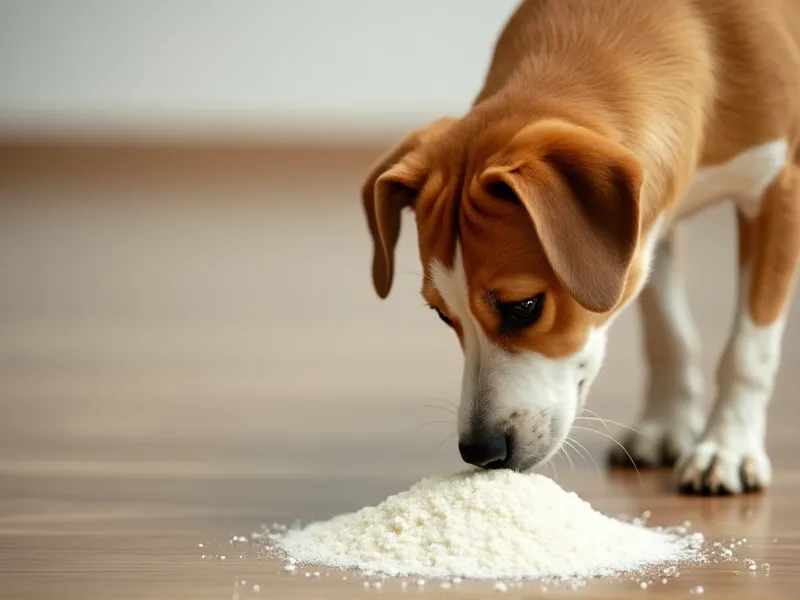
Table of Contents
- Can Dogs Eat Cornstarch? The Short Answer
- The Benefits of Cornstarch for Dogs (Yes, There Are Some!)
- The Risks of Feeding Cornstarch to Dogs: What to Watch For
- How Much Cornstarch Can Dogs Safely Eat? A Guideline
- Healthier Alternatives to Cornstarch for Dogs
- Frequently Asked Questions (FAQ)
- Conclusion: Moderation is Key
Can Dogs Eat Cornstarch? The Short Answer
Let’s cut to the chase: Yes, dogs can eat small amounts of plain cornstarch without immediate toxicity. Unlike chocolate, grapes, or onions—foods that are dangerous even in tiny doses—cornstarch isn’t poisonous to dogs. That said, it’s not exactly a “superfood” for them, either.
Think of cornstarch as a neutral, low-risk ingredient that’s fine in moderation but offers little nutritional value. It’s made from the starchy endosperm of corn, stripped of most fiber, protein, and vitamins. So while it won’t hurt your dog if they sneak a lick off the counter, it shouldn’t become a regular part of their diet.
The key here is context: How much they eat, how often, and whether the cornstarch is plain or loaded with additives (like sugar or salt). Let’s dive into the details.
The Benefits of Cornstarch for Dogs (Yes, There Are Some!)
While cornstarch isn’t a nutrient powerhouse, it does have a few minor upsides when fed responsibly. Here’s what you need to know:
1. A Quick Source of Energy (In Small Doses)
Cornstarch is mostly carbohydrates, which break down into glucose—your dog’s primary source of energy. If your pup is active (think: a working dog or a high-energy breed), a tiny sprinkle of cornstarch might give them a brief boost. But here’s the catch: Dogs get all the carbs they need from their regular food (kibble, wet food, or a balanced homemade diet). Extra carbs from cornstarch are unnecessary and can lead to weight gain if overdone.
2. Gentle Fiber for Sensitive Tummies (Maybe)
Cornstarch contains trace amounts of dietary fiber (about 0.1 grams per tablespoon). While that’s not enough to “fix” constipation or diarrhea, some pet parents find it helpful for dogs with very sensitive stomachs. For example, if your dog is recovering from an upset stomach and can’t tolerate rich foods, a tiny bit of cornstarch mixed into boiled chicken and rice might help soothe their gut.
Note: Always check with your vet before using cornstarch (or any home remedy) for digestive issues. They may recommend probiotics or prescription diets instead.
3. Trace Minerals (But Not Enough to Matter)
Cornstarch has small amounts of minerals like potassium and iron. Potassium is essential for heart health, muscle function, and fluid balance, while iron supports red blood cell production. But again: We’re talking trace amounts. A tablespoon of cornstarch has about 1 mg of potassium—your dog would need to eat cups of it to meet their daily needs, which is unsafe. Stick to their regular food for real nutrition!
The Risks of Feeding Cornstarch to Dogs: What to Watch For
Now, let’s talk about the downsides. While cornstarch isn’t toxic, overdoing it can lead to uncomfortable (and even dangerous) issues. Here are the biggest risks:
1. Stomach Upset: Gas, Bloating, and Diarrhea
Dogs’ digestive systems aren’t great at processing large amounts of starch. If your dog eats a big spoonful of cornstarch, the undigested carbs can ferment in their gut, leading to gas, bloating, or loose stools. Puppies, senior dogs, and dogs with sensitive stomachs (like those with IBS) are especially prone to this.
Example: A 10-pound Chihuahua who steals a ¼ cup of cornstarch is likely to spend the next few hours farting up a storm (and maybe having an accident on the rug). Not fun for anyone!
2. Choking Hazard (Dry Cornstarch is Tricky)
Dry cornstarch is powdery and lightweight. If your dog inhales it (by snatching a mouthful from the box), it can irritate their airways or even cause choking. To avoid this, never feed dry cornstarch directly. If you want to give them a tiny taste, mix it with a little water to make a paste first.
3. Empty Calories = Weight Gain
Cornstarch is high in calories (about 30 calories per tablespoon) but low in nutrients. If you make a habit of giving your dog cornstarch treats, those extra calories can add up fast. Over time, this can lead to obesity, which increases the risk of diabetes, joint pain, and heart disease.
Pro tip: A 50-pound dog needs about 700-900 calories per day. A single tablespoon of cornstarch is 30 calories—equivalent to a human eating a handful of candy corn. Not a big deal once in a while, but dangerous in excess.
4. Additives: Sugar, Salt, and Other Sneaky Ingredients
Not all cornstarch is created equal. Some commercial brands add sugar, salt, or artificial flavors to make it “tastier” (for humans). These additives are bad news for dogs:
- Sugar can cause obesity, dental decay, and even diabetes.
- Salt can lead to sodium poisoning (symptoms: vomiting, diarrhea, seizures) if overconsumed.
Always check the label! Look for “100% pure cornstarch” with no added ingredients.
How Much Cornstarch Can Dogs Safely Eat? A Guideline
So, if cornstarch is “safe in moderation,” what does “moderation” actually look like? Here’s a general rule of thumb based on your dog’s size:
| Dog Size | Max Amount of Cornstarch (Per Serving) | How Often? |
|---|---|---|
| Small (≤20 lbs) | ½–1 teaspoon | Once every 1–2 weeks |
| Medium (20–50 lbs) | 1–2 teaspoons | Once every 1–2 weeks |
| Large (≥50 lbs) | 1 tablespoon | Once every 1–2 weeks |
Important: This is for plain, unflavored cornstarch only. If the cornstarch has sugar, salt, or other additives, skip it entirely.
Also, never feed cornstarch dry! Mix it with a little water, bone broth, or plain yogurt to make a paste. This prevents choking and makes it easier to digest.
Healthier Alternatives to Cornstarch
Let’s be real: Cornstarch isn’t doing your dog any favors. If you want to treat your pup (or add a little something extra to their food), opt for these nutrient-dense alternatives instead:
1. Sweet Potato (Fiber + Vitamins)
Sweet potatoes are a dog-friendly superfood. They’re packed with fiber (to support digestion), beta-carotene (vitamin A, for eye health), and potassium (more than cornstarch!).
How to serve: Bake or boil a sweet potato, mash it, and mix a spoonful into their food. Avoid adding butter, sugar, or cinnamon (cinnamon is safe in small amounts but unnecessary).
2. Pumpkin (Gut-Health Hero)
Canned pumpkin (unsweetened, no spices!) is a go-to for vets. It’s loaded with fiber (1.8 grams per ½ cup) and beta-carotene, making it great for constipation or diarrhea.
How to serve: Mix 1–2 tablespoons (depending on size) into their food. Freeze small spoonfuls for a cool summer treat!
3. Oats (Protein + Fiber)
Oats are a great source of protein, fiber, and iron. They’re also gluten-free (if certified) and easy to digest, making them ideal for dogs with allergies.
How to serve: Cook plain oats in water, let cool, and mix into their food. Add a dash of peanut butter (xylitol-free!) for extra flavor.
4. Green Beans (Low-Calorie Crunch)
Green beans are low in calories and high in fiber, vitamins A, C, and K. They’re perfect for dogs on a diet or as a crunchy snack.
How to serve: Steam or boil green beans until tender, then chop into bite-sized pieces. Serve plain—no salt or butter!
Frequently Asked Questions (FAQ)
Q: Is cornstarch toxic to dogs?
A: No, plain cornstarch is not toxic. It can cause stomach upset in large amounts, but it won’t poison your dog.
Q: My dog ate a whole box of cornstarch! What should I do?
A: Stay calm, but monitor them closely. Symptoms of overconsumption include vomiting, diarrhea, bloating, or lethargy. If you notice these, contact your vet. In severe cases, too much cornstarch can lead to pancreatitis (inflammation of the pancreas) or intestinal blockage.
Q: Can puppies eat cornstarch?
A: Puppies have sensitive digestive systems, so it’s best to avoid cornstarch. Their growing bodies need nutrient-dense foods (like high-quality puppy food), not empty calories.
Q: Is cornstarch in dog food safe?
A: Yes! Many commercial dog foods use cornstarch as a thickener or binder. It’s present in tiny amounts, so it’s not a concern. Focus on choosing a dog food with real meat (e.g., “chicken” as the first ingredient) and minimal fillers.
Conclusion: Moderation is Key
So, can dogs eat cornstarch? Yes—but it’s not something to prioritize. Plain cornstarch is safe in tiny, occasional amounts, but it offers little nutrition and can cause stomach upset or weight gain if overfed.
Instead of reaching for the cornstarch box, spoil your pup with healthier treats: sweet potato, pumpkin, oats, or green beans. These foods are packed with vitamins, fiber, and flavor—your dog will love them, and you’ll feel good about feeding them.
As always, when in doubt, consult your vet. They know your dog’s unique needs (age, breed, health conditions) and can help you make the best choices. After all, our pups deserve the very best—even when it comes to snack time!
Sources:
- American Society for the Prevention of Cruelty to Animals (ASPCA). Toxic and Non-Toxic Plants/Foods.
- American Kennel Club (AKC). Can Dogs Eat Corn?
- VCA Hospitals. Nutrition for Dogs: What’s in a Balanced Diet?
- PetMD. Pumpkin for Dogs: Benefits and How to Serve.