· 10 min read
Can Dogs Eat Corn Tortillas? A Pet Parent’s Guide to Safe Snacking
It’s taco night at your house: the aroma of warm corn tortillas fills the air, and your dog is giving you that look—puppy eyes, tail thumping, nose twitching like a metronome. You pause, tortilla in hand, and wonder: Is this safe to share? As pet parents, we’ve all been there—wanting to spoil our furry friends with a tiny “human food” treat, but worrying if it could harm them.
Corn tortillas are a staple in many households, but when it comes to our dogs, “safe” isn’t always straightforward. Let’s dive into the details: Are corn tortillas toxic? Do they offer any nutritional benefits? And if they’re okay, how much can you actually feed?
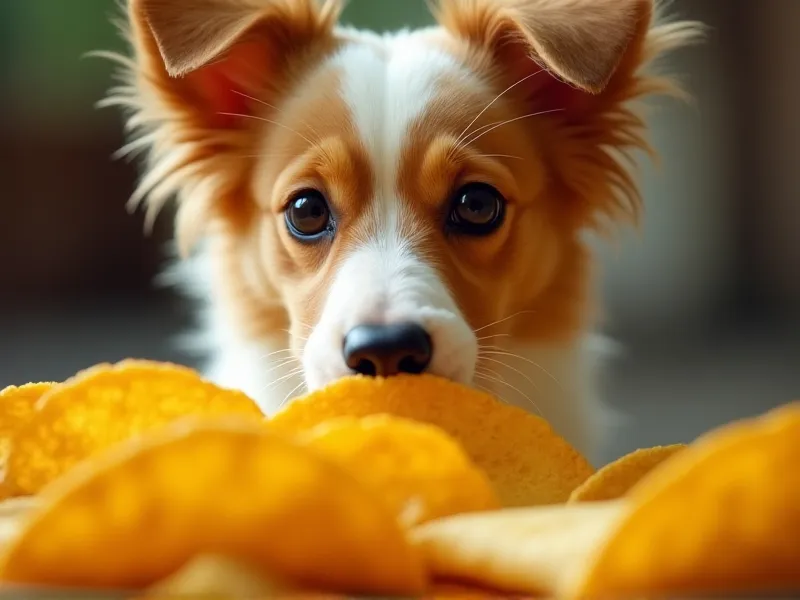
Table of Contents
- Can Dogs Eat Corn Tortillas? The Short Answer
- Nutritional Breakdown: What’s in a Corn Tortilla?
- Potential Benefits of Corn Tortillas for Dogs
- Fiber: A Friend to Digestion
- Potassium: Supporting Heart & Nerve Health
- B Vitamins: Boosting Energy (in Small Doses)
- Gluten-Free: A Win for Sensitive Pups
- Risks to Watch Out For
- Added Sugars, Salt, and Preservatives
- Stomach Upset: Too Much of a Good Thing
- Choking Hazard: Dry or Crumbly Tortillas
- Empty Calories: Displacing Nutrient-Dense Food
- How Much Corn Tortilla Can Dogs Safely Eat?
- Portion Size Guidelines (By Dog Size)
- Frequency: Occasional, Not Daily
- Special Considerations: Health Conditions to Note
- Healthier Alternatives to Corn Tortillas
- Plain, Cooked Corn Kernels
- Whole-Grain Tortillas (With No Additives)
- Dog-Safe Veggies as Treats
- Homemade “Tortilla” Treats
- FAQ: Your Corn Tortilla Questions Answered
- Conclusion: Enjoy Responsibly, and When in Doubt, Ask Your Vet
- References
Can Dogs Eat Corn Tortillas? The Short Answer
Yes, dogs can eat corn tortillas—in small, occasional amounts. Plain corn tortillas (made with just corn, water, and maybe a pinch of lime) are not toxic to dogs. They’re low in fat, gluten-free (if made with 100% corn), and contain some fiber and nutrients. However, they’re not a “superfood” for pups, and there are risks to consider, like added sugars, salt, or choking hazards. Think of them as a fun, rare snack—not a replacement for your dog’s balanced, species-appropriate diet.
Nutritional Breakdown: What’s in a Corn Tortilla?
To understand if corn tortillas are “good” for dogs, let’s start with the basics. A standard 6-inch corn tortilla (about 30 grams) typically contains:
- Calories: ~50–60
- Carbohydrates: ~10–12 grams (mostly from corn)
- Fiber: ~1–2 grams
- Protein: ~1–2 grams
- Fat: ~0.5–1 gram
- Potassium: ~50–70 mg
- B Vitamins: Small amounts (thiamine, niacin)
- Sodium: ~0–100 mg (varies widely by brand)
Key note: This is for a plain, unprocessed corn tortilla. Many store-bought versions add sugar, salt, preservatives (like calcium propionate), or even artificial flavors to extend shelf life or enhance taste. These additives can turn a harmless snack into a risky one for dogs—more on that later!
Potential Benefits of Corn Tortillas for Dogs
While corn tortillas aren’t a nutritional powerhouse, they do offer a few potential perks when served plain and in moderation.
1. Fiber: A Friend to Digestion
Corn is a whole grain (when the tortilla is made from whole corn masa), and whole grains are a source of dietary fiber. Fiber helps keep your dog’s digestive system running smoothly by promoting regular bowel movements and supporting a healthy gut microbiome. For dogs with occasional constipation, a tiny piece of plain corn tortilla might help add bulk to their stool (though always check with your vet first if digestive issues are chronic).
2. Potassium: Supporting Heart & Nerve Health
Potassium is an essential mineral for dogs, playing a role in heart function, muscle contractions, and nerve signaling. While a single corn tortilla doesn’t pack a huge potassium punch (a banana has ~422 mg for comparison), every little bit helps—especially if your dog’s diet is lacking in this nutrient (though most commercial dog foods are fortified with potassium).
3. B Vitamins: Boosting Energy (in Small Doses)
Corn contains B vitamins like thiamine (B1) and niacin (B3), which help convert food into energy and support brain health. Again, the amounts in a corn tortilla are minimal, but they’re a nice bonus for active dogs or seniors who need a little energy boost.
4. Gluten-Free: A Win for Sensitive Pups
Unlike flour tortillas (made with wheat), corn tortillas are naturally gluten-free. This makes them a safer option for dogs with gluten sensitivities or allergies (though true gluten allergies in dogs are rare—most grain-related issues are due to other components, like lectins). If your vet has recommended a gluten-free diet for your pup, plain corn tortillas (without added ingredients) can be a gentle, occasional treat.
Risks to Watch Out For
The benefits above only apply to plain, unprocessed corn tortillas. Even then, there are risks to keep in mind. Here’s what to watch for:
1. Added Sugars, Salt, and Preservatives
Many commercial corn tortillas (especially “flavored” or “premium” brands) add sugar, salt, or preservatives to improve taste or shelf life. For example:
- Sugar: Even a gram or two of added sugar can contribute to obesity, dental issues, or diabetes over time. Dogs don’t need sugar in their diet, and their bodies aren’t designed to process large amounts.
- Salt: Excess sodium can lead to dehydration, high blood pressure, or even sodium ion poisoning (though it would take a lot of tortillas to reach toxic levels). The ASPCA recommends dogs consume no more than 100 mg of sodium per 100 calories of food—so a tortilla with 100 mg of sodium could eat into their daily limit.
- Preservatives: Ingredients like calcium propionate or sorbic acid are generally recognized as safe for humans, but their long-term effects on dogs are less studied. When in doubt, opt for tortillas with the shortest ingredient list possible (ideally just “corn, water, lime”).
2. Stomach Upset: Too Much of a Good Thing
Corn is high in fiber, and while fiber is good, too much can cause digestive upset. If your dog eats a large piece (or multiple tortillas), they might experience gas, bloating, diarrhea, or vomiting. Puppies, senior dogs, or dogs with sensitive stomachs (like those with IBS) are especially prone to this.
3. Choking Hazard: Dry or Crumbly Tortillas
Dry, crispy corn tortillas (like those used for tostadas or tortilla chips) are a major choking risk. The hard, brittle texture can break into sharp pieces that get stuck in your dog’s throat or damage their gums. Even soft tortillas can pose a risk if your dog gulps them down without chewing—always supervise when offering human food!
4. Empty Calories: Displacing Nutrient-Dense Food
Corn tortillas are mostly carbs, with little protein, healthy fat, or essential vitamins (compared to dog food). If your dog fills up on tortillas, they might eat less of their balanced dog food, leading to nutrient deficiencies over time. Remember: treats (including tortillas) should make up no more than 10% of your dog’s daily calories.
How Much Corn Tortilla Can Dogs Safely Eat?
The golden rule here is: small, occasional, and plain. Here’s a breakdown of safe portion sizes and guidelines:
Portion Size by Dog Size
- Small dogs (under 20 lbs): 1–2 tiny pieces (about 1 inch square) of a soft, plain corn tortilla.
- Medium dogs (20–50 lbs): 1–2 small pieces (about 1.5–2 inches square).
- Large dogs (50+ lbs): 1–2 moderate pieces (about 2–3 inches square).
Pro tip: Tear the tortilla into small, bite-sized pieces to reduce choking risk and make it easier to digest.
Frequency: Occasional, Not Daily
Corn tortillas should be a “sometimes” treat—think once every 1–2 weeks, not every day. Daily treats (even small ones) add up in calories and can lead to weight gain or nutrient imbalances.
Special Considerations
Avoid corn tortillas if your dog:
- Has diabetes (due to the carb content).
- Is obese (empty calories can worsen weight issues).
- Has a history of pancreatitis (high-fat toppings are dangerous, but even plain tortillas add unnecessary calories).
- Has corn allergies (rare, but possible—watch for itching, redness, or digestive upset after eating).
Healthier Alternatives to Corn Tortillas
If you want to treat your dog to something corn-based (or just a healthier snack), try these alternatives:
1. Plain, Cooked Corn Kernels
Skip the tortilla and go straight for the source! Plain, boiled or grilled corn kernels (no butter, salt, or spices) are a great low-calorie treat. They’re higher in fiber and nutrients than tortillas and less likely to cause choking. Just remove the kernels from the cob to avoid the risk of intestinal blockage (the cob itself is indigestible and dangerous).
2. Whole-Grain Tortillas (With No Additives)
Look for 100% whole-grain corn tortillas with no added sugar, salt, or preservatives. Brands like “La Tortilla Factory” or “Mission” offer organic, minimal-ingredient options. Always check the label!
3. Dog-Safe Veggies as Treats
Veggies like baby carrots, green beans, cucumber, or steamed sweet potato are low in calories, high in fiber, and packed with vitamins. They’re a far healthier alternative to tortillas and most dogs love them!
4. Homemade “Tortilla” Treats
For a fun DIY project, make dog-friendly “tortillas” using pumpkin puree, oat flour, and a dash of cinnamon (safe for dogs in small amounts). Roll them thin, bake until soft, and cut into tiny pieces. Your pup will love the flavor, and you’ll know exactly what’s in them!
FAQ: Your Corn Tortilla Questions Answered
Q: Can puppies eat corn tortillas?
A: Puppies can have tiny pieces of plain corn tortilla, but their digestive systems are more sensitive. Stick to even smaller portions (e.g., a ½-inch square for toy breeds) and monitor for upset stomach.
Q: My dog ate a whole corn tortilla—should I panic?
A: Probably not, but watch for signs of digestive upset (vomiting, diarrhea, bloating) for 24 hours. If symptoms persist or your dog seems lethargic, contact your vet.
Q: Are flour tortillas safer than corn tortillas for dogs?
A: No—flour tortillas are higher in gluten (which can irritate some dogs), carbs, and often have more added salt. Corn is generally the better choice if you’re going to share a tortilla.
Q: What if the tortilla has spices or toppings (like cheese, salsa, or guacamole)?
A: Avoid! Spices like garlic or onion are toxic to dogs, and cheese is high in fat (risky for pancreatitis). Salsa often has onions, and guacamole has avocado pits (a choking hazard) and can be high in fat. Only share plain tortillas with no toppings.
Q: Can dogs with corn allergies eat corn tortillas?
A: No—if your dog is allergic to corn, even a tiny piece can trigger itching, ear infections, or digestive issues. Stick to corn-free treats instead.
Conclusion: Enjoy Responsibly, and When in Doubt, Ask Your Vet
Corn tortillas can be a fun, occasional snack for dogs—if they’re plain, unprocessed, and served in tiny portions. They offer a little fiber and potassium, but they’re no substitute for a balanced dog food. Always avoid tortillas with added sugar, salt, or preservatives, and watch for choking or digestive upset.
When in doubt, check with your vet—especially if your dog has health conditions like diabetes, obesity, or food allergies. Your vet knows your pup’s unique needs and can help you decide if corn tortillas (or any human food) are a safe choice.
At the end of the day, the best treat for your dog is your love and attention—but a tiny piece of warm corn tortilla on taco night? That’s just the cherry on top (or should we say, the cheese on the taco).
References
- American Society for the Prevention of Cruelty to Animals (ASPCA). “People Foods to Avoid Feeding Your Pets.” aspca.org/pet-care/animal-poison-control/people-foods-avoid-feeding-your-pets
- PetMD. “Can Dogs Eat Corn?” petmd.com/dog/nutrition/can-dogs-eat-corn
- American Kennel Club (AKC). “Human Foods Dogs Can and Can’t Eat.” akc.org/expert-advice/nutrition/human-foods-dogs-can-and-cant-eat
- Cummings School of Veterinary Medicine at Tufts University. “Corn: A Safe and Nutritious Grain for Dogs.” tuftscvm.org/news/corn-a-safe-and-nutritious-grain-for-dogs
- Veterinary Nutrition Support. “Fiber in Canine Diets.” veterinarynutrition.org/2019/08/01/fiber-in-canine-diets