· 9 min read
Can Dogs Eat Corn Off the Cob? A Pet Parent’s Guide to Safe Snacking
It’s a warm summer evening, and you’re grilling in the backyard. The scent of charred corn on the cob wafts through the air, and your dog—let’s call her Luna—sits at your feet, tail thumping a rapid rhythm. Her big, round eyes lock onto the golden kernels slipping off your cob, and she lets out a soft whimper. “Just a bite?” you think. “Surely corn can’t be that bad for her… right?”
If you’ve ever found yourself in this scenario, you’re not alone. Corn is a staple at cookouts, picnics, and family meals, and pet parents often wonder if sharing this summery treat is safe. After all, corn is in many commercial dog foods—so why wouldn’t it be okay to share a little off your plate?
Today, we’re diving deep into the question: Can dogs eat corn off the cob? We’ll break down the benefits, the risks, and everything in between to help you make informed choices for your furry friend. Spoiler: The answer isn’t a simple “yes” or “no”—it depends on how you serve it.
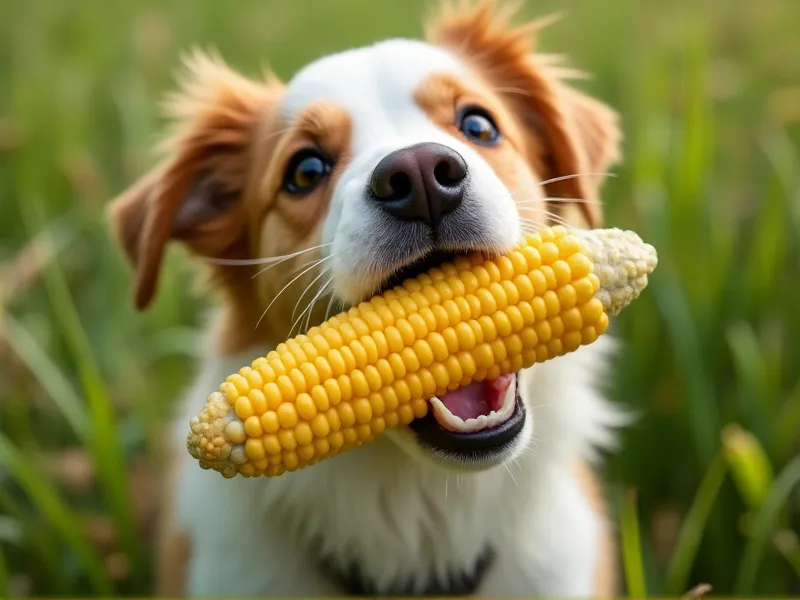
Table of Contents
- Can Dogs Eat Corn Off the Cob? The Short Answer
- The Nutritional Benefits of Corn for Dogs
- The Hidden Risks: Why the Cob is a No-Go
- How Much Corn is Safe for Dogs? Guidelines for Pet Parents
- Healthier Alternatives to Corn for Dogs
- FAQ: Your Corn-and-Dogs Questions Answered
- Conclusion: Enjoy Responsibly, Consult Your Vet
Can Dogs Eat Corn Off the Cob? The Short Answer
Let’s cut to the chase: Plain, cooked corn kernels are generally safe for dogs in moderation. Corn is a common ingredient in commercial dog foods, and it provides essential nutrients like fiber and vitamins. However, the cob itself is extremely dangerous and should never be given to dogs.
The cob is indigestible, posing a high risk of choking or intestinal blockage—both of which can be life-threatening. So, while a few kernels off your plate might be a tasty treat, the cob belongs in the trash, not your pup’s mouth.
The Nutritional Benefits of Corn for Dogs
Corn often gets a bad rap as a “filler” in pet food, but it’s actually a nutrient-dense grain when served properly. Here’s why plain, cooked corn kernels can be a healthy addition to your dog’s diet (in small amounts):
1. Fiber for Digestive Health
Corn is rich in dietary fiber, which helps regulate your dog’s digestive system. Fiber keeps things moving smoothly in the gut, preventing constipation and supporting overall gut health. For dogs with occasional digestive upset, a small amount of fiber from corn can be beneficial—though it’s no substitute for a balanced diet.
2. Potassium: A Mineral for Heart and Muscle Health
Potassium is crucial for dogs (and humans!) as it supports heart function, muscle contraction, and fluid balance. Corn contains a decent amount of potassium, which helps keep your pup’s heart rhythm steady and muscles strong—especially important for active dogs.
3. B Vitamins for Energy and Brain Health
Corn is a good source of B vitamins, including thiamine (B1), niacin (B3), and folate (B9). These vitamins play a key role in converting food into energy, supporting brain function, and maintaining healthy skin and coat. Thiamine, in particular, is vital for nerve function and cognitive health in dogs.
4. Antioxidants to Fight Free Radicals
Corn contains antioxidants like lutein and zeaxanthin, which support eye health by protecting against age-related macular degeneration. It also has vitamin C, an antioxidant that boosts the immune system and helps repair cells.
5. A Common, Non-Toxic Ingredient in Dog Food
If you check your dog’s kibble label, there’s a good chance corn is listed as an ingredient. Many reputable dog food brands include corn because it’s a cost-effective source of energy (from carbohydrates) and nutrients. This alone is a clue that corn isn’t toxic to dogs—when processed properly and fed in moderation.
The Hidden Risks: Why the Cob is a No-Go
While corn kernels have benefits, the cob is where the real danger lies. Let’s break down the risks—because knowing them could save your dog’s life.
1. Choking Hazard: The Cob’s First Danger
Corn cobs are hard, cylindrical, and slippery—perfect for getting stuck in your dog’s throat. Even small pieces of cob can block the airway, leading to choking. Signs of choking include pawing at the mouth, gagging, difficulty breathing, or blue-tinged gums. If not treated immediately, choking can be fatal.
2. Intestinal Blockage: A Life-Threatening Risk
The biggest risk of corn cobs is intestinal blockage. Dogs can’t digest cob material—it’s tough, fibrous, and passes through the gut intact. If your dog swallows a piece (or the whole cob), it can get stuck in the esophagus, stomach, or intestines. Blockages prevent food and waste from passing, leading to severe symptoms like:
- Vomiting (especially after eating)
- Diarrhea or constipation
- Lethargy or weakness
- Loss of appetite
- Abdominal pain or bloating
Left untreated, an intestinal blockage can cause tissue death, infection, or even death within 24–48 hours. Surgery is often required to remove the cob, which is costly and stressful for both you and your pet.
3. Sugar Overload: When Kernels Become a Problem
Corn kernels themselves aren’t toxic, but they do contain natural sugars. While a few kernels won’t hurt, overfeeding can lead to:
- Weight gain: Excess sugar turns into fat, increasing the risk of obesity.
- Diabetes: Chronic overconsumption of sugary foods can contribute to insulin resistance and diabetes.
- Upset stomach: Too much fiber or sugar can cause diarrhea, gas, or bloating, especially in dogs with sensitive tummies.
4. Seasonings and Additives: Butter, Salt, and More
Most people don’t eat plain corn—we slather it in butter, salt, chili powder, or even garlic. These additions are dangerous for dogs:
- Butter/oil: High in fat, which can trigger pancreatitis (a painful, life-threatening inflammation of the pancreas).
- Salt: Excess sodium leads to dehydration, electrolyte imbalances, or sodium ion poisoning (symptoms include vomiting, diarrhea, seizures, and even death).
- Garlic/onion: These are toxic to dogs, causing damage to red blood cells and anemia.
- Seasonings: Spices like paprika or chili powder can irritate your dog’s stomach, leading to vomiting or diarrhea.
Always serve corn to dogs plain—no butter, salt, or seasonings.
How Much Corn is Safe for Dogs? Guidelines for Pet Parents
If you want to share corn with your dog, stick to these rules to keep them safe:
1. Stick to Plain, Cooked Kernels
Raw corn is harder for dogs to digest and may harbor bacteria like E. coli or Salmonella. Cooked corn (boiled or grilled, without additives) is the way to go. Let it cool first to avoid burning your pup’s mouth!
2. Portion Control is Key
Corn should be an occasional treat, not a regular meal. As a general rule, treats should make up no more than 10% of your dog’s daily calories. For reference:
- Small dogs (5–20 lbs): 1–2 teaspoons of kernels (a “few kernels” off your plate).
- Medium dogs (20–50 lbs): 1–2 tablespoons of kernels.
- Large dogs (50+ lbs): 2–3 tablespoons of kernels.
Overfeeding can lead to the sugar-related issues mentioned earlier, so err on the side of caution.
3. Avoid the Cob—At All Costs
Even a small piece of cob can be dangerous. Never leave cobs unattended around dogs, and dispose of them in a secure trash can (not the compost, where curious pups might dig them up).
4. Watch for Allergies or Sensitivities
While rare, some dogs are allergic to corn. Signs of an allergic reaction include itching, red skin, ear infections, or digestive upset. If you notice these symptoms after feeding corn, stop immediately and consult your vet.
Healthier Alternatives to Corn for Dogs
If you’re looking for nutrient-packed treats that are safer or more beneficial than corn, try these alternatives:
1. Green Beans
Low in calories and high in fiber, green beans are a great crunch for dogs. They’re rich in vitamins A, C, and K, and they help keep your pup full without adding extra pounds. Serve them raw or steamed (no salt).
2. Carrots
Carrots are a dog favorite! They’re high in beta-carotene (which converts to vitamin A) and fiber, and their crunch helps clean teeth. Raw or cooked, carrots are a low-sugar, low-calorie treat.
3. Sweet Potatoes
Cooked sweet potatoes are loaded with fiber, beta-carotene, and vitamins B6 and C. They’re a great source of energy and support eye and immune health. Avoid adding butter or sugar—plain, mashed, or cubed works best.
4. Blueberries
These tiny fruits are packed with antioxidants, vitamin C, and fiber. They’re low in calories and make a refreshing summer treat (try freezing them for a cool snack!).
5. Pumpkin (Plain, Canned)
Plain, unsweetened pumpkin is a digestive superfood for dogs. It’s high in fiber and beta-carotene, and it can help with both diarrhea and constipation. Mix a spoonful into your dog’s food or serve as a standalone treat.
FAQ: Your Corn-and-Dogs Questions Answered
Q: Can dogs eat raw corn?
A: It’s not recommended. Raw corn is hard to digest and may contain harmful bacteria. Stick to cooked, plain kernels.
Q: My dog ate a corn cob—what should I do?
A: Act fast! Even if your dog seems fine, contact your vet immediately. Intestinal blockages can take hours to show symptoms, and early treatment is critical. Do not induce vomiting unless directed by a vet (this could make blockages worse).
Q: Is corn a “filler” in dog food?
A: While some critics call corn a filler, it’s actually a nutrient-dense grain when processed properly. Reputable brands use corn to provide energy, fiber, and vitamins. If you’re concerned, opt for dog foods with whole grains or alternative carbs (like sweet potatoes) and consult your vet.
Q: Can dogs eat popcorn?
A: Plain, air-popped popcorn (no butter, salt, or oil) is safe in small amounts. However, unpopped kernels pose a choking hazard, and flavored popcorn (like butter or caramel) is off-limits.
Q: Are there dogs who should never eat corn?
A: Dogs with corn allergies, diabetes, pancreatitis, or obesity should avoid corn. If your dog has a health condition, ask your vet before introducing new treats.
Conclusion: Enjoy Responsibly, Consult Your Vet
Corn can be a tasty, nutritious treat for dogs—if you serve it right. Plain, cooked kernels in moderation are generally safe, but the cob is a serious risk that’s never worth taking. Always skip the butter, salt, and seasonings, and keep portions small.
Remember, every dog is different. What works for one pup may upset another’s stomach, especially if they have allergies or health issues. When in doubt, consult your vet before sharing human foods with your dog.
So next time you’re savoring corn on the cob, feel free to toss your dog a few plain kernels. Just keep that cob far out of reach—and enjoy your BBQ knowing you’re keeping your furry friend safe and happy.
References:
- American Kennel Club (AKC). “Can Dogs Eat Corn?” akc.org/expert-advice/nutrition/can-dogs-eat-corn
- ASPCA. “People Foods to Avoid Feeding Your Pets.” aspca.org/pet-care/animal-poison-control/people-foods-avoid-feeding-your-pets
- PetMD. “Corn for Dogs: Is It Safe?” petmd.com/dog/nutrition/can-dogs-eat-corn
- American College of Veterinary Nutrition (ACVN). “Nutrition Basics for Dogs.” acvn.org/nutrition-basics