· 8 min read
Can Dogs Eat Corn Nuts? A Pet Parent’s Guide to Crunchy Snacks and Canine Health
It’s a lazy Sunday afternoon, and you’re settled on the couch with a bowl of your favorite snack: crunchy, salty corn nuts. As you munch, your dog trots over, tail wagging, nose twitching, and gives you that look—the one that says, “Share? Please?” Before you toss them a kernel, you pause. Are corn nuts safe for dogs?
If you’ve ever found yourself asking this question, you’re not alone. As pet parents, we want to treat our pups, but we also need to keep their health top of mind. In this guide, we’ll break down everything you need to know about corn nuts and dogs: whether they’re safe, potential benefits (yes, there are a few!), risks to watch for, and healthier alternatives to satisfy that crunch craving. Let’s dive in!
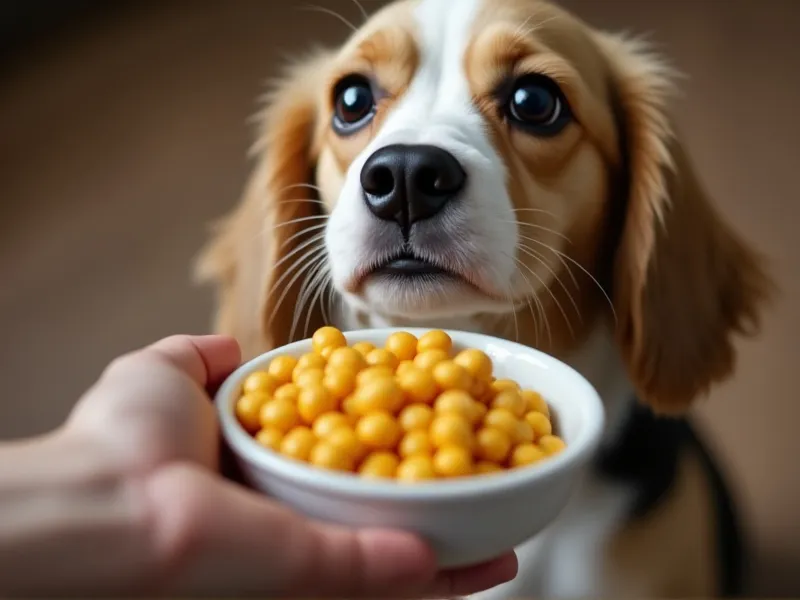
Table of Contents
- Can Dogs Eat Corn Nuts? The Short Answer
- What Are Corn Nuts, Anyway?
- Potential Benefits of Corn Nuts for Dogs (Spoiler: They’re Minimal)
- The Risks: Why Corn Nuts Might Not Be the Best Choice
- Safe Feeding Guidelines: If You Still Want to Share
- Healthier Alternatives to Corn Nuts
- FAQ: Your Corn Nut Questions Answered
- Conclusion: Prioritize Your Pup’s Health
- References
Can Dogs Eat Corn Nuts? The Short Answer
No, corn nuts aren’t toxic to dogs—but they’re far from a healthy treat.
Corn itself is generally safe for dogs in moderation (think fresh corn kernels or plain cooked corn). However, corn nuts are processed corn kernels, often loaded with salt, sugar, and artificial flavors. Their hard, crunchy texture also poses choking or dental risks. While a tiny, plain corn nut might not harm your dog, there are better, safer snacks to share.
What Are Corn Nuts, Anyway?
Before we dive into the pros and cons, let’s clarify what corn nuts actually are. Contrary to their name, they’re not nuts at all—they’re made from giant white corn kernels that are soaked, dried, roasted, and often seasoned. Originating in the 1930s, they’re prized for their satisfying crunch and bold flavors (think BBQ, chili lime, or salted).
The problem? Most commercial corn nuts aren’t “plain.” They’re packed with additives like sodium, sugar, and spices to make them tasty for humans. And what’s delicious for us can be problematic for our four-legged friends.
Potential Benefits of Corn Nuts for Dogs (Spoiler: They’re Minimal)
Let’s start with the good news: corn nuts do come from corn, which has some nutritional value. Here’s what they might offer, in theory:
1. Fiber for Digestive Health
Corn is a source of dietary fiber, which helps support healthy digestion in dogs. A small amount of fiber can aid in regular bowel movements and keep your dog’s gut happy. However, corn nuts are processed, so their fiber content is lower than fresh corn. Plus, the high salt and additives often negate this benefit.
2. Potassium for Electrolyte Balance
Potassium is an essential mineral that helps regulate your dog’s heart rate, muscle function, and fluid balance. Corn contains small amounts of potassium, but again—processing reduces this, and the salt in corn nuts can deplete electrolytes, making this a wash.
3. B Vitamins for Energy
Corn has B vitamins like thiamine and niacin, which support energy metabolism. But once again, roasted and seasoned corn nuts lose much of this nutrient value.
The bottom line: Any benefits are minimal and overshadowed by the risks. Fresh, plain corn is a better source of these nutrients than processed corn nuts.
The Risks: Why Corn Nuts Might Not Be the Best Choice
Now, let’s talk about the downsides. While corn nuts aren’t toxic, they come with several risks that make them a poor choice for dog treats:
1. High Sodium: A Recipe for Health Trouble
Most corn nuts are loaded with salt. Just 1 ounce (about 15–20 kernels) can contain 200–300 mg of sodium. For context, a 20-pound dog should consume no more than 100 mg of sodium per day. A single corn nut could push them over their limit!
Too much salt can lead to:
- Dehydration
- Increased thirst/urination
- Sodium ion poisoning (symptoms: vomiting, diarrhea, tremors, seizures, even death in severe cases).
2. Added Sugar: Empty Calories
Flavored corn nuts (like honey-glazed or sweet BBQ) often have added sugar. Dogs don’t need sugar in their diet, and excess can lead to:
- Obesity
- Dental cavities
- Pancreatitis (a painful, potentially life-threatening inflammation of the pancreas).
3. Choking Hazard: Hard, Crunchy, and Round
Corn nuts are hard, dry, and round—perfect for getting stuck in a dog’s throat. Small dogs, puppies, or aggressive chewers are especially at risk. Even larger dogs might gulp them down without chewing, leading to choking or blockages in the digestive tract.
4. Stomach Upset: Gas, Diarrhea, or Vomiting
The sudden introduction of a new, high-fiber, or salty food can upset your dog’s stomach. Symptoms may include:
- Gas or bloating
- Diarrhea
- Vomiting
- Loss of appetite.
5. Artificial Additives: Hidden Dangers
Many corn nuts include artificial flavors, colors, or preservatives (like monosodium glutamate, or MSG). These additives can trigger allergic reactions or sensitivities in some dogs, leading to itching, redness, or gastrointestinal issues.
Safe Feeding Guidelines: If You Still Want to Share
Let’s say you’re at a picnic, and your dog gives you those puppy eyes—you really want to share a tiny treat. If you must offer a corn nut, follow these strict guidelines to minimize risk:
- Choose plain, unsalted, unflavored corn nuts only. No BBQ, chili, honey, or salted varieties. Check the label for “no added salt” or “plain” to avoid hidden additives.
- Offer a tiny piece—literally one kernel. Break it into smaller bits for small dogs to reduce choking risk.
- Monitor your dog closely. Watch for signs of choking (gagging, pawing at the mouth), vomiting, or diarrhea. If they struggle to chew or swallow, take it away immediately.
- Make it an occasional treat—not a regular habit. Even plain corn nuts offer no nutritional benefit, so save them for rare, special moments.
- Avoid if your dog has health issues. If your pup has diabetes, kidney disease, or a history of pancreatitis, skip corn nuts entirely—high salt/sugar can worsen these conditions.
Healthier Alternatives to Corn Nuts
Instead of corn nuts, opt for these dog-safe, crunchy snacks that are both tasty and nutritious:
1. Fresh Corn Kernels (Cooked, Off the Cob)
Skip the processed stuff and go straight to the source! Cooked corn kernels (no butter or salt) are a safe, fiber-rich treat. Just remove them from the cob to avoid choking, and offer a few as a snack.
2. Plain Air-Popped Popcorn
Popcorn is a whole-grain snack with fiber—just make sure it’s air-popped, no butter, salt, or oil. Avoid unpopped kernels (choking hazard!), and share a small handful.
3. Steamed Sweet Potato Slices
Sweet potatoes are packed with vitamins A, C, and fiber. Slice them into thin rounds, steam until soft (or bake for crunch), and let cool. Your dog will love the natural sweetness!
4. Green Beans (Cooked or Raw)
Low in calories and high in fiber, green beans are a great crunchy snack. Serve them raw (for small dogs, chop into bite-sized pieces) or steamed.
5. Carrot Sticks
Crunchy and full of beta-carotene, carrots are a classic dog favorite. Raw or cooked, they’re safe for most dogs and help clean teeth!
FAQ: Your Corn Nut Questions Answered
Q: My dog ate a corn nut—should I panic?
A: Probably not, but monitor them closely. If it was a plain, unsalted kernel and your dog is large, they’ll likely pass it without issue. Watch for choking, vomiting, or diarrhea. If they ate multiple corn nuts (especially salted/flavored) or show symptoms, contact your vet.
Q: Can puppies eat corn nuts?
A: Puppies have sensitive stomachs and smaller airways, making corn nuts riskier. Skip them—opt for puppy-safe treats like plain yogurt or small pieces of cooked chicken instead.
Q: Are flavored corn nuts (like BBQ or honey) worse than plain ones?
A: Yes! Flavored corn nuts have added sugar, salt, and spices, which increase the risk of stomach upset, obesity, or pancreatitis. Plain is slightly better, but still not ideal.
Q: Is corn toxic to dogs?
A: No, corn itself isn’t toxic. In fact, it’s a common ingredient in many dog foods. The issue is processed corn products (like corn nuts) with additives.
Q: My dog has a corn allergy—can they eat corn nuts?
A: No. If your dog is allergic to corn, even plain corn nuts will trigger a reaction (itching, ear infections, diarrhea). Stick to corn-free treats instead.
Conclusion: Prioritize Your Pup’s Health
At the end of the day, corn nuts aren’t toxic to dogs—but they’re far from a healthy choice. The risks (high salt, choking, additives) outweigh any minimal benefits, making them a snack best avoided.
Instead of sharing your corn nuts, reach for dog-safe alternatives like fresh corn, sweet potatoes, or green beans. And when in doubt, always consult your vet before introducing new foods—they know your dog’s health history and can offer personalized advice.
Your dog loves you unconditionally, and they’ll be just as happy with a belly rub or a game of fetch as they would with a corn nut. So next time you’re snacking, save the crunch for yourself—and treat your pup to something that nourishes their body, too.
References
- American Society for the Prevention of Cruelty to Animals (ASPCA). People Foods to Avoid Feeding Your Pets. aspca.org/pet-care/animal-poison-control/people-foods-avoid-feeding-your-pet
- American Kennel Club (AKC). Can Dogs Eat Corn? akc.org/expert-advice/nutrition/can-dogs-eat-corn
- PetMD. Choking Hazards for Dogs: What to Watch For. petmd.com/dog/safety/what-are-choking-hazards-dogs
- Veterinary Centers of America (VCA). Sodium Ion Poisoning in Dogs. vcahospitals.com/know-your-pet/sodium-ion-poisoning-in-dogs