· 9 min read
Can Dogs Eat Cooked Turkey Neck? A Pet Parent’s Guide to Safety & Nutrition
It’s a familiar scene: You’re cleaning up after a holiday meal, and there it is—the turkey neck, glistening with juices, just begging to be shared. Your dog, ever the opportunist, sits politely (or not-so-politely) with a wagging tail, hopeful for a taste. But before you toss them a piece, you pause: Is cooked turkey neck safe for dogs?
As pet parents, we want to spoil our furry friends with treats, but their health is always top priority. Turkey is a common ingredient in dog food, so it’s natural to wonder if the neck—often a leftover after carving—makes a good snack. In this guide, we’ll break down the benefits, risks, and best practices to help you decide whether to share that turkey neck (or opt for a safer alternative).
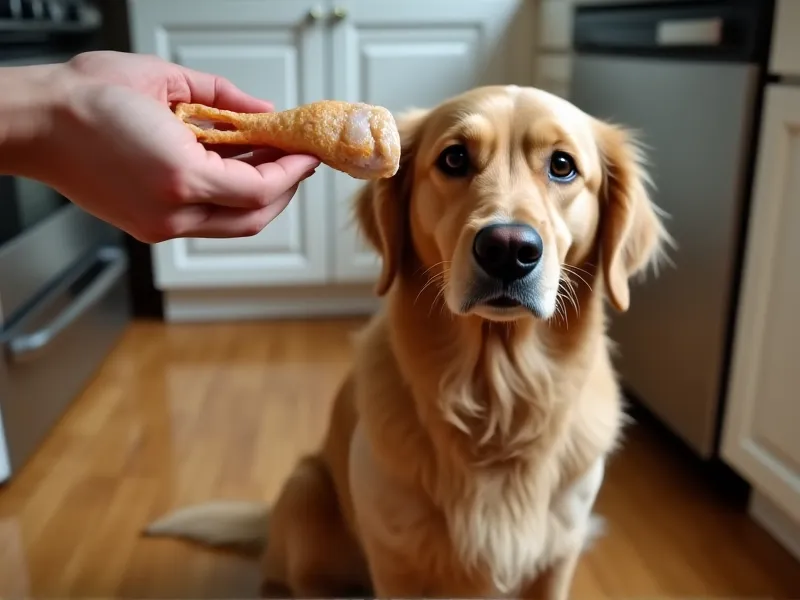
Table of Contents
- Can Dogs Eat Cooked Turkey Neck? The Short Answer
- The Potential Benefits of Cooked Turkey Neck for Dogs
- The Risks: What Pet Parents Need to Watch For
- How Much Cooked Turkey Neck Is Safe? Guidelines to Follow
- Healthier Alternatives to Cooked Turkey Neck
- FAQ: Your Most Pressing Questions Answered
- Conclusion: Moderation & Vet Guidance Are Key
1. Can Dogs Eat Cooked Turkey Neck? The Short Answer
Yes, dogs can eat cooked turkey neck in moderation, but with important caveats. When prepared properly (no seasonings, excess fat, or splintered bones), cooked turkey neck can be a tasty, nutrient-rich treat for some dogs. However, it’s not without risks—especially related to bones, choking, and fat content. Always prioritize safety and consult your vet before adding it to your dog’s diet.
2. The Potential Benefits of Cooked Turkey Neck for Dogs
Turkey neck isn’t just a leftover scrap—it’s packed with nutrients that can support your dog’s health, when fed correctly. Here’s what makes it potentially beneficial:
Rich in Joint-Supporting Nutrients
Turkey necks are loaded with connective tissue, cartilage, and small bones (when raw, but we’ll get to cooked bones later). These parts contain glucosamine and chondroitin, two compounds known to support joint health and mobility—especially helpful for senior dogs or those with arthritis. While supplements exist, natural sources like turkey neck offer these nutrients in a form your dog’s body may absorb more easily.
Lean Protein Source
Turkey is a high-quality, lean protein, which is essential for muscle maintenance, immune function, and overall growth. The neck, when trimmed of excess fat, provides a protein boost without the added calories of fattier cuts (like dark meat with skin).
Fiber for Digestive Health
The skin and cartilage in turkey neck (in small amounts) can act as a gentle source of fiber, supporting healthy digestion. Fiber helps regulate bowel movements and feeds beneficial gut bacteria, promoting a balanced microbiome.
Potassium for Heart & Muscle Function
Turkey is rich in potassium, an electrolyte that plays a key role in heart health, muscle contraction, and nerve function. A deficiency in potassium can lead to weakness, fatigue, or even heart issues, so getting it from whole foods like turkey neck is a plus.
3. Potential Risks to Watch For
While cooked turkey neck has benefits, it’s critical to be aware of the risks—some of which can be serious. Here’s what to avoid:
Choking Hazard
Turkey necks are small and cylindrical, which can pose a choking risk, especially for small dogs or those who gulp their food. Even if cut into pieces, sharp edges or large chunks can get stuck in the throat. Always supervise your dog while they eat and adjust portion sizes based on their breed and size.
Splintering Bones
Cooked bones are the biggest concern. When bones are cooked, they become brittle and prone to splintering. These sharp fragments can tear the esophagus, stomach, or intestines, leading to internal bleeding, blockages, or infection. Turkey neck bones are small and thin, making them even more likely to splinter when cooked. This is why many vets caution against feeding cooked bones of any kind to dogs.
High Fat Content (If Not Trimmed)
Turkey neck often has a layer of skin and fat, which can be problematic. Excess fat can trigger pancreatitis—a painful, potentially life-threatening condition where the pancreas becomes inflamed. Symptoms include vomiting, diarrhea, lethargy, and loss of appetite. Dogs with a history of pancreatitis or obesity should avoid fatty treats like untrimmed turkey neck entirely.
Toxic Seasonings
If you cooked the turkey neck with garlic, onions, salt, sugar, or other seasonings, it’s unsafe for dogs. Garlic and onions contain thiosulphate, which is toxic to dogs and can damage red blood cells. Salt can lead to sodium ion poisoning, and sugar contributes to obesity and dental issues. Always feed plain, unseasoned turkey neck.
Stomach Upset
Introducing any new food suddenly can upset your dog’s stomach, leading to diarrhea, vomiting, or gas. Turkey neck is no exception—start with tiny portions to see how your dog tolerates it.
4. How Much Cooked Turkey Neck Is Safe?
If you decide to feed cooked turkey neck, follow these guidelines to minimize risks:
1. Trim Excess Fat and Skin
Remove as much fat and skin as possible to reduce pancreatitis risk. What’s left should be mostly meat, cartilage, and bone (but remember, cooked bones are risky!).
2. Cook Thoroughly—But Be Cautious
Cook the turkey neck until it’s well-done (165°F internal temperature) to kill bacteria like Salmonella or E. coli. However, note that cooking makes bones more brittle, so even well-cooked neck bones pose splintering risks.
3. Cut into Small, Manageable Pieces
For small dogs (e.g., Chihuahuas, Yorkies), cut the neck into 1-inch chunks. For medium/large dogs (e.g., Labs, Goldens), 2–3 inch pieces may be safer. The goal is to prevent choking and reduce the chance of swallowing large bone fragments.
4. Limit to 10% of Daily Calories
Treats should make up no more than 10% of your dog’s daily calories. For a 50-pound dog eating 1,000 calories a day, that’s about 100 calories from treats—roughly 1–2 small pieces of cooked turkey neck (depending on size).
5. Avoid Seasoning
Never add salt, pepper, garlic, onion, or sauces. Plain, unseasoned turkey neck is the only safe option.
6. Introduce Slowly
Start with a tiny piece (the size of a pea for small dogs) and monitor for 24–48 hours. If there’s no vomiting, diarrhea, or lethargy, you can gradually increase the portion (still within the 10% rule).
7. Supervise While Eating
Never leave your dog unattended with a turkey neck. If they start choking, act quickly: use the Heimlich maneuver for dogs or contact your vet immediately.
5. Healthier Alternatives to Cooked Turkey Neck
If the risks of cooked turkey neck make you nervous, there are safer alternatives that offer similar benefits:
Boneless, Skinless Turkey Breast
Skip the neck and opt for cooked, boneless, skinless turkey breast instead. It’s lean, high in protein, and free of bones or choking hazards. Just avoid seasoning!
Raw Turkey Neck (With Caution)
Some pet parents feed raw turkey neck, as raw bones are softer and less likely to splinter. However, raw meat carries risks of bacterial contamination (for both dogs and humans). If you choose raw, freeze the neck first to kill parasites, thaw safely, and wash hands/utensils thoroughly. Always consult your vet before switching to a raw diet.
Raw Beef Marrow Bones
Large, raw beef marrow bones (too big for your dog to swallow whole) are a safer alternative. They’re tough enough that dogs can’t splinter them, and they provide glucosamine, chondroitin, and mental stimulation. Avoid small bones (like chicken wings) that can get stuck.
Green Tripe
Green tripe (unbleached, raw tripe from grass-fed cows) is rich in probiotics, enzymes, and nutrients like glucosamine. It’s a great gut-healthy treat that mimics the natural diet of wild canines.
Commercial Joint Supplements
If you’re after glucosamine and chondroitin, talk to your vet about high-quality supplements. They’re regulated, safe, and avoid the risks of bones.
6. FAQ: Your Most Pressing Questions Answered
Q: Can puppies eat cooked turkey neck?
A: It’s best to avoid it. Puppies have smaller airways, developing digestive systems, and are more prone to choking or intestinal blockages. Stick to puppy-safe treats like plain yogurt or small pieces of cooked turkey breast.
Q: My dog accidentally ate a cooked turkey neck bone—what should I do?
A: Stay calm. Monitor for signs of distress: choking, gagging, vomiting (especially with blood), lethargy, loss of appetite, or difficulty pooping. If any of these occur, contact your vet immediately. Even if your dog seems fine, it’s worth a call to your vet—they may recommend an exam or X-rays.
Q: Is cooked turkey neck better than raw for dogs?
A: No. Cooked bones splinter more easily, while raw bones carry bacterial risks. Neither is “better”—both have pros and cons. If you choose raw, follow strict food safety protocols.
Q: Can dogs with pancreatitis eat cooked turkey neck?
A: No. The fat content (even trimmed) can trigger a pancreatitis flare-up. Stick to vet-approved, low-fat treats for dogs with pancreatitis.
Q: How often can I feed my dog cooked turkey neck?
A: As an occasional treat—no more than once or twice a month. Frequent feeding increases the risk of bone-related issues or stomach upset.
7. Conclusion: Moderation is Key
Cooked turkey neck can be a tasty, nutrient-dense treat for dogs, but it’s not a one-size-fits-all snack. The risks of choking, splintered bones, and fat content mean it’s not safe for every dog—especially small breeds, puppies, or those with health conditions.
If you do share turkey neck with your pup, always trim fat, cook thoroughly, cut into small pieces, and monitor closely. And when in doubt, opt for safer alternatives like boneless turkey breast or raw marrow bones.
At the end of the day, your dog’s health is most important. When introducing new foods, consult your vet—they know your dog’s unique needs and can help you make the best choice.
So, this holiday season, enjoy that turkey dinner—and maybe share a tiny, safe piece of neck with your pup (after checking with your vet, of course!). 🦃🐾
References
- American Kennel Club (AKC). “Can Dogs Eat Turkey?” akc.org
- American Veterinary Medical Association (AVMA). “People Food for Pets: Facts About Feeding People Food to Your Pet.” avma.org
- PetMD. “Can Dogs Eat Bones?” petmd.com
- Cummings Veterinary Medical Center at Tufts University. “Raw Food Diets for Dogs and Cats: A Veterinary Perspective.” tuftscvm.org