· 8 min read
Can Dogs Eat Cooked Turkey? A Pet Parent’s Guide to Sharing the Feast Safely
It’s a cozy Sunday evening, and you’re savoring a home-cooked turkey dinner. Across the table, your dog sits, tail thumping against the floor, nose twitching at the aroma. Those big, pleading eyes seem to say, “Can I have a bite?” If you’ve ever wondered whether cooked turkey is safe for your furry friend, you’re not alone. Turkey is a staple in many households—especially around holidays like Thanksgiving—and pet parents often want to share the joy (and the leftovers) with their pups.
But before you slide a slice off your plate, it’s crucial to separate fact from fiction. Can dogs eat cooked turkey? The short answer is yes—but with some important caveats. In this guide, we’ll break down the benefits, risks, and best practices for sharing turkey with your dog, so you can both enjoy the meal without worry.
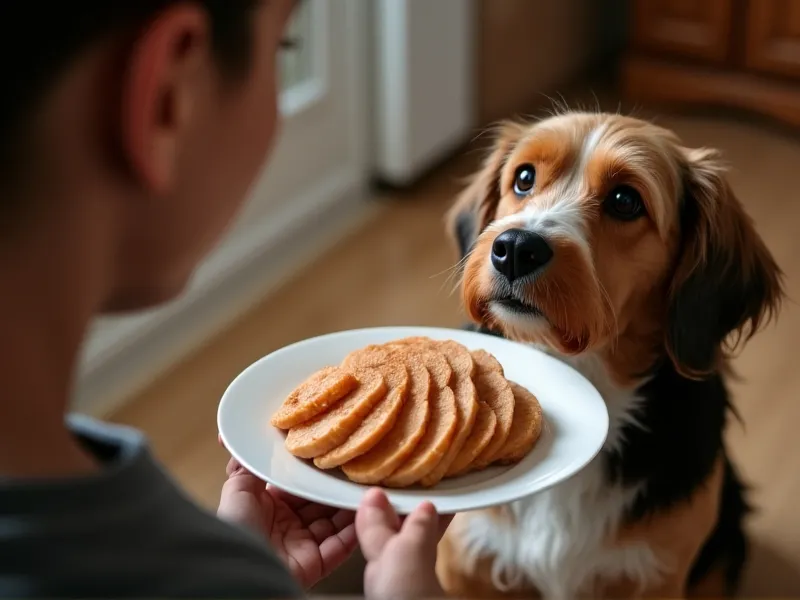
Table of Contents
- Can Dogs Eat Cooked Turkey? The Short Answer
- The Benefits of Cooked Turkey for Dogs
- Risks to Watch Out For: What Makes Turkey Unsafe?
- How Much Cooked Turkey Can Dogs Eat? Guidelines for Safe Portions
- Healthier Alternatives to Plain Cooked Turkey
- FAQ: Your Turkey-Related Questions Answered
- Conclusion: Enjoy Turkey Time Responsibly
Can Dogs Eat Cooked Turkey? The Short Answer
Yes, dogs can eat cooked turkey—but only plain, unseasoned, boneless, and skinless turkey, served in moderation.
Turkey is a lean, protein-rich meat that can be a healthy treat for dogs when prepared correctly. However, the “when prepared correctly” part is key. Many common turkey dishes (think: Thanksgiving turkey with gravy, garlic butter, or stuffing) are loaded with ingredients that are toxic or harmful to dogs, like onions, garlic, salt, sugar, or spices. Even cooked turkey bones pose a serious risk, as they can splinter and cause choking or internal injuries.
So, while plain cooked turkey is generally safe, the way it’s cooked and served makes all the difference. Let’s dive into the details.
The Benefits of Cooked Turkey for Dogs
When served properly, cooked turkey offers several nutritional benefits for your pup. Here’s why it can be a great occasional treat:
1. High-Quality Protein
Turkey is a complete protein, meaning it contains all the essential amino acids dogs need for muscle growth, repair, and overall health. Protein is crucial for dogs of all ages—puppies need it for development, adult dogs for maintaining muscle mass, and seniors for preserving strength. Skinless, lean turkey is especially ideal, as it’s low in fat (more on that later!).
2. Essential Nutrients
Turkey is packed with vitamins and minerals that support your dog’s well-being:
- Potassium: Helps regulate heart function, muscle contractions, and fluid balance.
- Phosphorus: Supports strong bones and teeth, and aids in energy production.
- Vitamin B6: Important for brain development and hormone regulation.
- Niacin (Vitamin B3): Boosts metabolism and keeps the skin and coat healthy.
3. Gentle on Sensitive Stomachs
Compared to red meats like beef or pork, turkey is often easier to digest, making it a good option for dogs with food sensitivities or upset tummies (when served plain, of course). Many commercial dog foods even use turkey as a primary protein source for sensitive diets.
Risks to Watch Out For: What Makes Turkey Unsafe?
While plain cooked turkey is safe, the way we humans typically prepare and serve turkey can turn it into a hazard for dogs. Here are the biggest risks to avoid:
1. Toxic Seasonings and Additives
Most turkey dishes are loaded with ingredients that are dangerous (or even deadly) for dogs. Common culprits include:
- Onions and Garlic: Found in stuffing, gravy, or seasoning blends, these contain compounds that damage a dog’s red blood cells, leading to anemia. Even small amounts can be toxic over time.
- Salt and Sodium: Excess salt (from brines, sauces, or processed gravies) can cause sodium ion poisoning, leading to vomiting, diarrhea, seizures, or even death.
- Sugar: Many gravies, glazes, or cranberry sauces contain added sugar, which can lead to obesity, dental issues, or diabetes in dogs.
- Spices: Black pepper, paprika, or chili powder can irritate your dog’s digestive tract, causing vomiting or diarrhea.
2. Cooked Turkey Bones
Cooked bones are a major choking hazard and can splinter into sharp fragments, piercing your dog’s mouth, throat, or intestines. This can lead to blockages, internal bleeding, or even surgery. Never give your dog cooked turkey bones—not even “small” ones like wing tips or ribs.
3. High-Fat Parts (Skin, Dark Meat, Gravy)
Turkey skin, dark meat, and fatty gravies are high in fat, which can trigger pancreatitis in dogs. Pancreatitis is a painful inflammation of the pancreas that causes vomiting, diarrhea, abdominal pain, and can be life-threatening. Even a small amount of fat can be dangerous for dogs prone to pancreatitis or those with sensitive stomachs.
4. Overfeeding and Stomach Upset
Even plain turkey can cause digestive issues if fed in large quantities. Dogs’ stomachs are used to a balanced diet, and sudden changes (like a big helping of turkey) can lead to diarrhea, vomiting, or gas.
How Much Cooked Turkey Can Dogs Eat? Guidelines for Safe Portions
Turkey should be a treat, not a replacement for your dog’s regular, balanced diet. As a general rule, treats should make up no more than 10% of your dog’s daily calorie intake. Here’s how to calculate a safe portion:
- Small dogs (10–20 lbs): 1–2 ounces of cooked, skinless, boneless turkey per serving (about the size of a deck of cards).
- Medium dogs (30–50 lbs): 3–4 ounces (about the size of a smartphone).
- Large dogs (60–100+ lbs): 5–6 ounces (about the size of a small can of soda).
Pro tip: Adjust portions based on your dog’s activity level, age, and health. For example, senior dogs or those with obesity should get smaller portions, while active puppies may tolerate a bit more (but still in moderation!).
Always introduce turkey slowly, especially if your dog has never had it before. Watch for signs of digestive upset (vomiting, diarrhea, or lethargy) and stop feeding if these occur.
Healthier Alternatives to Plain Cooked Turkey
If you want to spoil your dog with turkey-flavored treats but want to skip the home-cooked prep, here are some healthier alternatives:
1. Homemade Turkey Jerky
Slice lean turkey breast into thin strips, bake at 200°F for 2–3 hours until dry, and store in an airtight container. No additives, just pure protein!
2. Turkey-Based Commercial Treats
Look for dog treats with “turkey” as the first ingredient, and avoid those with added sugars, salt, or artificial preservatives. Brands like Blue Buffalo or Wellness offer good options.
3. Plain Cooked Chicken
Chicken is similar to turkey in nutrition (lean protein, low fat) and is often easier to find. Serve it skinless and boneless, just like turkey.
4. Fresh Veggies with Turkey
For a fiber boost, mix a small amount of cooked turkey with steamed carrots, green beans, or sweet potato (all dog-safe veggies!). This adds nutrients and helps your dog feel full without extra calories.
FAQ: Your Turkey-Related Questions Answered
Q: Can dogs eat turkey bones?
A: No! Cooked turkey bones splinter easily and can cause choking, internal punctures, or blockages. Raw bones are safer but still carry risks (like bacterial contamination), so it’s best to avoid bones altogether.
Q: Is turkey skin safe for dogs?
A: No. Turkey skin is high in fat, which can lead to pancreatitis or stomach upset. Always remove the skin before feeding turkey to your dog.
Q: Can dogs eat deli turkey or turkey lunch meat?
A: It’s not recommended. Deli turkey is often high in salt, nitrates, and preservatives, which can be harmful to dogs. Stick to fresh, unseasoned cooked turkey instead.
Q: My dog ate seasoned turkey (with garlic/onion). What should I do?
A: Contact your vet immediately. Garlic and onion are toxic, and symptoms (like lethargy, pale gums, or vomiting) may not appear for 2–5 days. The sooner your vet treats it, the better the outcome.
Q: Can puppies eat cooked turkey?
A: Yes, in small amounts. Puppies can have plain, cooked turkey as an occasional treat, but make sure it’s soft and easy to chew. Avoid overfeeding, as puppies have sensitive digestive systems.
Conclusion: Enjoy Turkey Time Responsibly
Sharing a bite of cooked turkey with your dog can be a sweet way to bond—just remember to keep it plain, boneless, skinless, and in moderation. Avoid seasonings, bones, and fatty parts, and always prioritize your dog’s regular, balanced diet.
If you’re unsure whether turkey is safe for your dog (especially if they have health issues like pancreatitis or diabetes), consult your vet first. Every dog is different, and your vet can help you tailor treats to their unique needs.
This holiday season (or any day!), let turkey be a special treat—not a source of stress. With a little caution, you and your pup can enjoy the feast together.
Happy sharing!
References
- American Society for the Prevention of Cruelty to Animals (ASPCA). “People Foods to Avoid Feeding Your Pets.” aspca.org/pet-care/animal-poison-control/people-foods-avoid-feeding-your-pets
- American Veterinary Medical Association (AVMA). “Pancreatitis in Dogs.” avma.org/resources/pet-owners/petcare/pancreatitis-dogs
- PetMD. “Can Dogs Eat Turkey?” petmd.com/dog/nutrition/can-dogs-eat-turkey
- Tufts University Cummings School of Veterinary Medicine. “Nutrition for Dogs.” tuftscvm.org/for-pet-owners/nutrition