· 7 min read
Can Dogs Eat Cooked Tomatoes? A Pet Parent’s Guide to Safety, Benefits, and Risks
You’re simmering a pot of homemade tomato sauce, the aroma filling the kitchen, when your dog trots over, nose twitching and tail thumping. Those big, hopeful eyes lock onto yours, and suddenly you’re hit with the question: Can dogs eat cooked tomatoes?
It’s a common dilemma for pet parents. We love sharing bits of our meals with our furry companions, but we also want to keep them safe. Tomatoes are a pantry staple—used in everything from salads to soups—but are they a safe treat for dogs? In this guide, we’ll break down the facts, so you can make informed choices about whether to let your pup lick the spoon (or not).
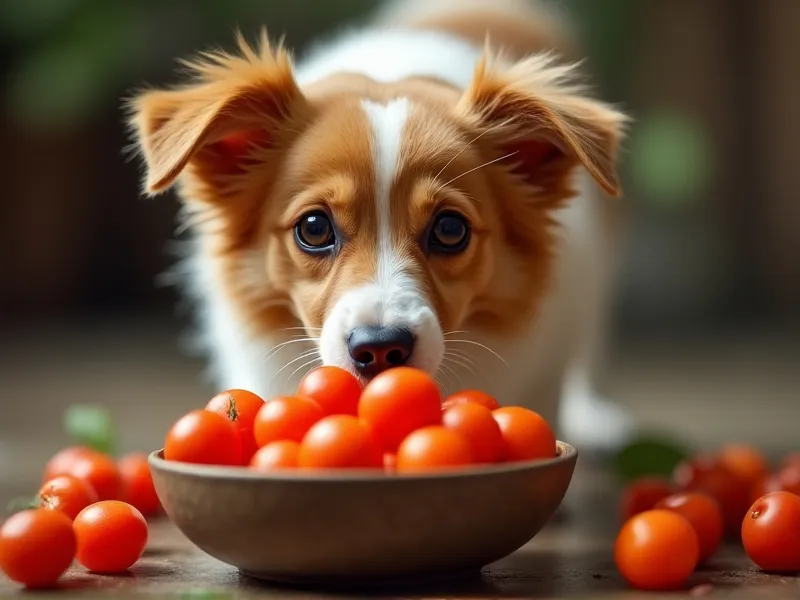
Table of Contents
- Can Dogs Eat Cooked Tomatoes? The Short Answer
- Nutritional Benefits of Cooked Tomatoes for Dogs
- Potential Risks of Cooked Tomatoes for Dogs
- How Much Cooked Tomato Can Dogs Safely Eat?
- Healthier Alternatives to Cooked Tomatoes
- FAQ: Common Questions About Dogs and Cooked Tomatoes
- Conclusion
- References
Can Dogs Eat Cooked Tomatoes? The Short Answer
Yes, dogs can eat cooked tomatoes—in moderation. Ripe, cooked tomatoes (without added salt, garlic, or onions) are generally safe for most dogs. However, there are caveats: avoid green tomatoes, stems, leaves, or unripe parts of the tomato plant, as these contain a toxin called solanine, which can harm dogs.
The key here is ripe and cooked. Ripe tomatoes have minimal solanine, and cooking actually boosts their nutritional value (more on that later!). But like any human food, they should never replace your dog’s balanced, species-specific diet. Think of cooked tomatoes as an occasional treat, not a meal.
Nutritional Benefits of Cooked Tomatoes for Dogs
Cooked tomatoes aren’t just tasty—they’re packed with nutrients that can support your dog’s health when offered in small amounts. Let’s break down their key benefits:
1. Lycopene: A Powerful Antioxidant
Lycopene is the pigment that gives tomatoes their bright red color, and it’s one of the most studied antioxidants in human nutrition. Here’s the good news: cooking tomatoes increases lycopene absorption (up to 35% more than raw tomatoes!). For dogs, lycopene may help:
- Fight oxidative stress (damage from free radicals)
- Support heart health by reducing inflammation
- Boost immune function
While research on lycopene in dogs is limited, studies in other mammals suggest it’s generally safe and beneficial in moderate doses.
2. Vitamins for Overall Wellness
Cooked tomatoes are rich in essential vitamins:
- Vitamin A: Supports eye health, skin, and coat (critical for puppies and senior dogs).
- Vitamin C: An antioxidant that aids collagen production (for joints and skin) and immune function. Unlike humans, dogs can make their own vitamin C, but extra from food can still help during illness or stress.
- Vitamin K: Important for blood clotting and bone health.
3. Fiber for Digestive Health
Tomatoes contain both soluble and insoluble fiber, which:
- Promotes regular bowel movements (goodbye, constipation!)
- Supports a healthy gut microbiome
- Helps dogs feel full, which can aid in weight management (when given as a low-calorie treat)
4. Potassium for Electrolyte Balance
Potassium is an electrolyte that helps regulate heart rate, muscle function, and fluid balance. Dogs need potassium to stay energized and avoid issues like muscle weakness or irregular heartbeats. Cooked tomatoes offer a natural source of this mineral.
Potential Risks of Cooked Tomatoes for Dogs
While cooked ripe tomatoes are safe for most dogs, there are risks to watch for—especially if fed improperly. Here’s what to avoid:
1. Solanine Poisoning (From Green/Unripe Parts)
The biggest risk comes from unripe tomatoes, stems, leaves, or vines of the tomato plant. These contain solanine, a toxic alkaloid found in nightshade plants (like potatoes and eggplants). Solanine levels are highest in green tomatoes and decrease as the fruit ripens.
Signs of solanine poisoning in dogs include:
- Drooling, vomiting, or diarrhea
- Lethargy or weakness
- Dilated pupils or confusion
- Tremors or seizures (in severe cases)
If your dog eats green tomatoes or tomato plant parts, contact your vet immediately.
2. Natural Sugars: A Concern for Some Dogs
Ripe tomatoes contain natural sugars (about 3-4g per medium tomato). While small amounts are fine for most dogs, excessive sugar can lead to:
- Weight gain or obesity
- Dental issues (plaque, cavities)
- Blood sugar spikes (risky for dogs with diabetes or insulin resistance)
Dogs with diabetes or weight problems should avoid tomatoes altogether.
3. Stomach Upset from Overfeeding
Even ripe, cooked tomatoes can cause digestive issues if fed in large quantities. The fiber and acidity in tomatoes may trigger:
- Diarrhea or loose stools
- Gas or bloating
- Nausea (especially in dogs with sensitive stomachs)
Start with tiny portions to test your dog’s tolerance!
4. Choking Hazard (for Small Dogs)
Whole or large chunks of tomato can pose a choking risk, especially for small breeds (e.g., Chihuahuas, Yorkies) or dogs who gulp food. Always chop tomatoes into bite-sized pieces to prevent choking.
How Much Cooked Tomato Can Dogs Safely Eat?
The golden rule: Cooked tomatoes should be an occasional treat, not a regular meal. The amount depends on your dog’s size, weight, and overall health. Here’s a general guideline:
| Dog Size | Safe Serving (Occasional) |
|---|---|
| Small (5-20 lbs) | 1–2 tablespoons |
| Medium (20-50 lbs) | 2–3 tablespoons |
| Large (50+ lbs) | Up to ¼ cup |
Important Tips for Serving:
- Plain is best: Avoid tomatoes cooked with garlic, onions, salt, pepper, or oil. These ingredients are toxic (garlic/onions) or unhealthy (excess salt/fat) for dogs.
- Ripe only: Always use fully red, ripe tomatoes—no green parts!
- Chop small: Dice into bite-sized pieces to prevent choking.
- Monitor for reactions: Watch for diarrhea, vomiting, or lethargy after the first serving. If you see these, skip future tomato treats.
Healthier Alternatives to Cooked Tomatoes
If you’re hesitant to feed tomatoes, or your dog has a sensitive stomach, these alternatives offer similar nutrients with fewer risks:
1. Carrots
- Why: Crunchy, low in sugar, and packed with vitamin A (for eyes/coat) and fiber.
- Bonus: Chewing raw carrots helps clean teeth!
2. Blueberries
- Why: Loaded with antioxidants (like anthocyanins) and vitamin C, plus low in calories. Perfect for training treats!
3. Pumpkin (Plain, Cooked)
- Why: High in fiber (great for upset tummies) and beta-carotene (converts to vitamin A). Avoid pie filling—stick to plain, unsweetened pumpkin.
4. Sweet Potatoes
- Why: Rich in vitamins A, C, and fiber. Cooked, mashed sweet potato is a favorite for dogs (and often found in high-quality dog foods).
5. Green Beans
- Why: Low-calorie, high-fiber, and full of vitamins K and C. Great for weight management—dogs love the crunch!
FAQ: Common Questions About Dogs and Cooked Tomatoes
Q: Can dogs eat tomato sauce or ketchup?
A: No. Most sauces/ketchup contain garlic, onions, salt, or sugar—all harmful to dogs. Even “plain” sauce may have added oil or spices. Stick to plain, cooked tomatoes only.
Q: Are cherry tomatoes safe for dogs?
A: Yes, in small amounts. Cherry tomatoes are just tiny ripe tomatoes! Chop them into halves (especially for small dogs) to avoid choking, and limit to 1–2 per serving for small breeds.
Q: My dog ate a green tomato—what should I do?
A: Contact your vet immediately. Green tomatoes have solanine, which can cause poisoning. Watch for symptoms like vomiting, diarrhea, or lethargy, and share how much your dog ate.
Q: Can puppies eat cooked tomatoes?
A: Occasionally, in tiny amounts. Puppies have sensitive stomachs, so start with 1 teaspoon of mashed cooked tomato. Avoid if they have diarrhea or are on a specialized puppy diet.
Q: Are tomatoes safe for dogs with kidney disease?
A: Probably not. Tomatoes are high in potassium, which can be dangerous for dogs with kidney issues (kidneys regulate potassium levels). Check with your vet first.
Conclusion
So, can dogs eat cooked tomatoes? Yes—ripe, plain, cooked tomatoes are safe as an occasional treat for most healthy dogs. They offer nutrients like lycopene, vitamins, and fiber, but risks (solanine, sugar, stomach upset) exist if fed improperly.
Remember: Moderation is key. A spoonful of mashed tomato as a topping on their kibble? Adorable and safe. A whole bowl of marinara? Not so much. Always avoid green parts, added seasonings, and excessive portions.
When in doubt, consult your vet—especially if your dog has health conditions like diabetes, kidney disease, or a sensitive stomach. At the end of the day, your dog’s regular, balanced diet should be their main source of nutrition. Treats like cooked tomatoes are just a little extra love (and tail wags!) on the side.