· 8 min read
Can Dogs Eat Cooked Scallops? A Pet Parent’s Guide to Safe Seafood Treats
It’s a cozy Saturday evening, and you’ve just finished searing a pan of scallops—golden, tender, and lightly seasoned with a sprinkle of parsley. As you take your first bite, you hear a soft whimper from the floor. Your dog, ever the opportunist, is staring up at you with those big, pleading eyes, tail thumping gently. “Can they share?” you wonder. “Are scallops even safe for dogs?”
If you’ve found yourself in this scenario, you’re not alone. Many pet parents want to spoil their pups with human food, but it’s crucial to know what’s safe (and what’s not). In this guide, we’ll dive into whether cooked scallops make a suitable treat for your furry friend, breaking down the benefits, risks, and how to serve them safely. Let’s get started!
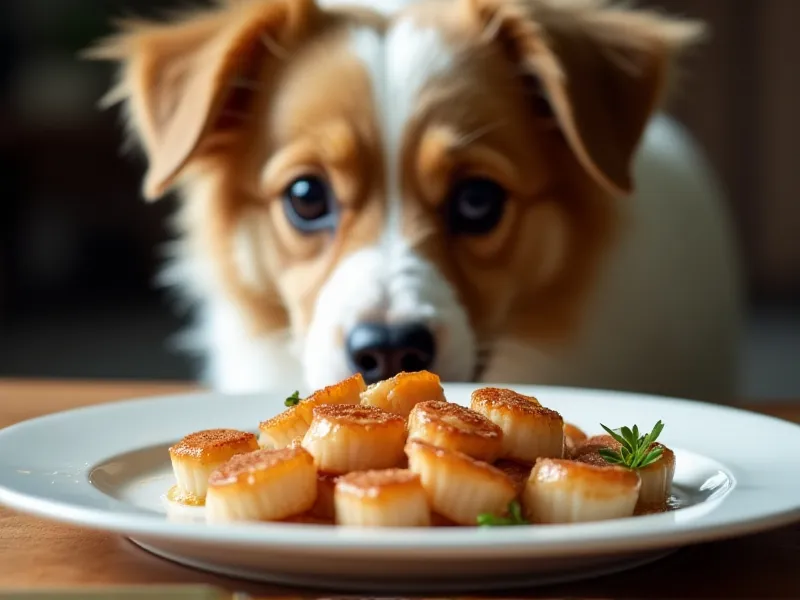
Table of Contents
- Can Dogs Eat Cooked Scallops? The Short Answer
- Nutritional Benefits of Cooked Scallops for Dogs
- Potential Risks to Watch Out For
- Safe Feeding Guidelines: How Much (and How) to Serve
- Healthier Alternatives to Scallops
- FAQ: Your Scallop Questions Answered
- Conclusion: Enjoy Treats Responsibly
1. Can Dogs Eat Cooked Scallops? The Short Answer
Yes, cooked scallops can be a safe, occasional treat for dogs—but with some important caveats. Plain, unseasoned, properly cooked scallops are low in fat, high in protein, and packed with nutrients that can benefit your pup in small amounts. However, they should never replace a balanced dog food diet, and certain preparation methods (like adding garlic, butter, or salt) can turn this seafood snack into a health hazard.
Think of scallops as a “sometimes” treat, not a daily staple. Let’s explore why they might be worth sharing (and when to skip them).
2. Nutritional Benefits of Cooked Scallops for Dogs
Scallops aren’t just delicious—they’re also surprisingly nutrient-dense. Here’s how they can support your dog’s health when served safely:
Protein: The Building Block of Muscle Health
Scallops are an excellent source of lean protein, which is essential for dogs to maintain strong muscles, repair tissues, and support a healthy immune system. Unlike fatty meats (like bacon or sausage), scallops are low in saturated fat, making them a lighter option for pups watching their waistlines.
Omega-3 Fatty Acids: For a Shiny Coat and Healthy Joints
Scallops contain small amounts of omega-3 fatty acids, which are famous for their anti-inflammatory properties. These healthy fats can help reduce joint pain in dogs with arthritis, support brain function (especially in puppies and senior dogs), and give your pup’s coat that enviable “shiny, soft” look.
Vitamins and Minerals: B12, Magnesium, and Potassium
- Vitamin B12: Critical for nerve function and red blood cell production. A B12 deficiency in dogs can lead to fatigue, weakness, or even neurological issues.
- Magnesium: Supports bone health, muscle contraction, and heart rhythm. It also helps regulate blood sugar and blood pressure.
- Potassium: An electrolyte that keeps your dog’s heart, kidneys, and muscles working properly. Low potassium can cause weakness or irregular heartbeats.
Low in Calories (When Prepared Plain)
A 3-ounce serving of cooked, plain scallops has about 90 calories—far less than many commercial dog treats (which can be loaded with empty calories). This makes them a smart choice for dogs on a diet or those prone to weight gain.
3. Potential Risks to Watch Out For
While scallops have benefits, they’re not without risks. Here’s what to avoid to keep your dog safe:
Seasonings: Garlic, Onion, Salt, and Butter Are Toxic or Harmful
The biggest danger with scallops (or any human seafood) is seasoning. Many people cook scallops with butter, garlic, onion, salt, or herbs like chives. Unfortunately:
- Garlic and onion: These belong to the allium family, which is toxic to dogs. Even small amounts can damage red blood cells, leading to anemia, weakness, or organ failure.
- Salt: Excess sodium can cause sodium ion poisoning, leading to vomiting, diarrhea, seizures, or even death. A single scallop cooked with salt might not hurt, but a plateful could be dangerous.
- Butter or oil: High-fat toppings can trigger pancreatitis in dogs, a painful and potentially life-threatening condition where the pancreas becomes inflamed.
Rule of thumb: Only serve scallops that are cooked plain—no butter, salt, garlic, or seasonings of any kind.
Choking Hazard (Especially for Small Dogs)
Scallops are soft and slippery, which makes them a choking risk, especially for small breeds (like Chihuahuas or Yorkies) or dogs who gulp their food. Even large dogs can struggle if they try to swallow a whole scallop without chewing.
Shell Fragments: Hidden Dangers
Even if you buy “shelled” scallops, tiny fragments of shell can sometimes remain. Sharp shell pieces can scratch your dog’s throat, block their intestines, or cause internal bleeding. Always inspect scallops carefully and rinse them before serving.
Allergies: Rare, but Possible
Food allergies in dogs are most common with proteins like chicken, beef, or dairy, but seafood allergies (including scallops) can happen. Signs of an allergic reaction include itching, red skin, hives, swelling, or digestive upset (vomiting/diarrhea). If your dog has never had seafood before, start with a tiny piece and monitor them for 24 hours.
4. Safe Feeding Guidelines: How Much (and How) to Serve
If you want to share scallops with your dog, follow these rules to keep them safe:
1. Cook Thoroughly—No Raw Scallops!
Raw seafood (including scallops) can contain bacteria like Salmonella or E. coli, or parasites like anisakis. These can make your dog (and you!) sick. Always cook scallops until they’re opaque and firm to the touch (internal temperature of 145°F/63°C).
2. Keep It Plain
As mentioned earlier, skip the butter, salt, garlic, or lemon. Steam, boil, bake, or sear scallops in a non-stick pan with no oil for the safest option.
3. Chop into Bite-Sized Pieces
To prevent choking, cut scallops into small, manageable pieces—about the size of your dog’s kibble. For small dogs, this might mean dicing a scallop into 4-5 pieces; for large dogs, halving or quartering is fine.
4. Portion Control: Treats = <10% of Daily Calories
Scallops should be a treat, not a meal. The general rule for dog treats is that they make up no more than 10% of your dog’s daily calories. Here’s a rough guide based on weight:
- Small dogs (5-20 lbs): 1-2 small scallops (about 1-2 oz total)
- Medium dogs (20-50 lbs): 3-4 scallops (about 3-4 oz total)
- Large dogs (50+ lbs): 5-6 scallops (about 5-6 oz total)
Pro tip: Check your dog’s food label to find their daily calorie needs, then calculate 10% to avoid overfeeding.
5. Serve Occasionally
Even plain scallops can cause digestive upset if fed too often. Aim for once a week or less—think of it as a special “date night” treat, not a Tuesday snack.
5. Healthier Alternatives to Scallops
If you’re not sure about scallops, or your dog has a sensitive stomach, these seafood (or non-seafood) alternatives are safer and often more nutrient-dense:
Cooked Salmon (Skinless, Boneless)
Salmon is loaded with omega-3s (more than scallops!) and is a great source of protein. Just make sure it’s fully cooked (no raw sushi-grade salmon) and free of bones, which can splinter and harm your dog.
Cooked Shrimp (Peeled, Deveined)
Shrimp is low in fat, high in protein, and easy to digest. Like scallops, serve them plain and chopped. Avoid the shells—they’re a choking hazard.
Canned Tuna (Water-Packed, No Salt)
Tuna is a budget-friendly option rich in protein and omega-3s. Choose water-packed (not oil-packed) and skip salted varieties. Feed in moderation, though—too much tuna can lead to mercury buildup.
Lean Chicken or Turkey (Plain, Cooked)
If seafood isn’t your dog’s thing, plain, cooked chicken or turkey is always a safe bet. It’s high in protein, low in fat, and most dogs love it.
6. FAQ: Your Scallop Questions Answered
Q: Can puppies eat cooked scallops?
A: Yes, but in very small portions. Puppies have sensitive tummies, so start with 1-2 tiny pieces and watch for diarrhea or vomiting. Always consult your vet before introducing new foods to puppies.
Q: What if my dog ate raw scallops?
A: Raw scallops carry a risk of bacteria or parasites. Monitor your dog for 24 hours for signs like vomiting, diarrhea, or lethargy. If they show symptoms, contact your vet immediately.
Q: Are frozen scallops safe for dogs?
A: Yes, as long as they’re cooked thoroughly and plain. Thaw frozen scallops first, then cook them until opaque. Avoid pre-seasoned frozen scallops (they often have salt or additives).
Q: My dog has pancreatitis—can they have scallops?
A: No. Even plain scallops have some fat, which can trigger pancreatitis flare-ups. Stick to low-fat treats like boiled chicken or pumpkin for dogs with pancreatitis.
Q: How do I know if my dog is allergic to scallops?
A: Signs of an allergy include itching, redness, swelling, hives, or digestive upset (vomiting/diarrhea) within 24 hours of eating. If you notice these, stop feeding scallops and consult your vet.
7. Conclusion: Enjoy Treats Responsibly
So, can dogs eat cooked scallops? Yes—when done right. Plain, properly cooked, and served in moderation, scallops can be a tasty, nutrient-packed treat for your pup. Just avoid seasonings, chop them up, and keep portions small.
Remember, every dog is different. If your dog has health issues (like kidney disease, pancreatitis, or allergies), or if you’re unsure, always check with your vet first. When in doubt, stick to tried-and-true treats like cooked salmon or plain chicken—your dog will love you just as much.
At the end of the day, the best part of sharing treats is the bond you build with your furry friend. So go ahead—savor that scallop dinner, and maybe slip your pup a tiny, plain piece. Those tail wags will be worth it.
References
- American Kennel Club (AKC). “Human Foods Dogs Can and Can’t Eat.” akc.org
- ASPCA. “Toxic and Non-Toxic Plants and Foods.” aspca.org
- PetMD. “Can Dogs Eat Seafood? What You Need to Know.” petmd.com
- VCA Animal Hospitals. “Pancreatitis in Dogs.” vcahospitals.com