· 7 min read
Can Dogs Eat Cooked Salmon? Benefits, Risks & Safe Feeding Guidelines
It’s a quiet evening, and you’re enjoying a delicious, flaky piece of cooked salmon for dinner. Across the table, your dog sits, tail thumping gently, eyes locked on your plate. You pause—can I share this with them? Salmon is often called a “superfood” for humans, packed with nutrients like omega-3s and protein. But is it safe for our furry friends?
If you’ve ever wondered whether cooked salmon is a dog-friendly treat, you’re not alone. Pet parents everywhere want to spoil their pups with healthy snacks, but it’s crucial to separate fact from fiction. In this post, we’ll answer the big question upfront, break down the benefits and risks, share safe feeding guidelines, and even suggest alternatives if salmon isn’t an option. Let’s dive in!
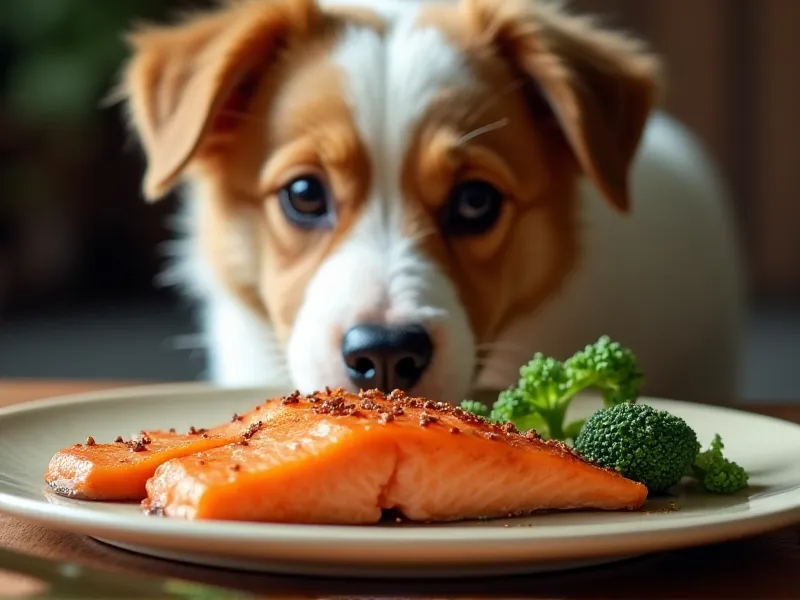
Table of Contents
- Can Dogs Eat Cooked Salmon? The Short Answer
- The Benefits of Cooked Salmon for Dogs
- Potential Risks to Watch Out For
- Safe Feeding Guidelines: How Much & How Often?
- Healthier Alternatives to Salmon
- Frequently Asked Questions (FAQ)
- Conclusion: Enjoy Salmon Safely with Your Pup
Can Dogs Eat Cooked Salmon? The Short Answer
Yes, dogs can safely eat cooked salmon—in moderation—as long as it’s plain, boneless, and fully cooked.
Salmon is a nutrient-dense food that offers several health benefits for dogs, from supporting a shiny coat to boosting joint health. However, there are important caveats: raw salmon is risky (due to parasites), cooked bones can splinter, and added seasonings (like garlic or salt) are toxic. When prepared properly, though, cooked salmon makes a fantastic occasional treat for most dogs.
The Benefits of Cooked Salmon for Dogs
Salmon isn’t just a tasty human food—it’s a nutritional powerhouse for dogs, too! Here’s why this fish deserves a spot in your pup’s treat rotation:
1. Omega-3 Fatty Acids: For a Shiny Coat & Healthy Joints
Salmon is loaded with omega-3 fatty acids, specifically EPA (eicosapentaenoic acid) and DHA (docosahexaenoic acid). These “good fats” do wonders for your dog’s body:
- Skin & Coat Health: Dry, itchy skin? Dull fur? Omega-3s reduce inflammation, soothe irritation, and promote a soft, glossy coat. Perfect for dogs with allergies or seasonal dryness!
- Joint Support: EPA and DHA ease inflammation in joints, which can help dogs with arthritis or mobility issues stay active and comfortable.
- Brain & Eye Development: DHA is crucial for brain function, especially in puppies, and supports vision health in dogs of all ages.
2. High-Quality Protein: For Strong Muscles
Dogs need protein to build and maintain lean muscle mass, and salmon delivers! It’s a complete protein, meaning it contains all the essential amino acids your dog’s body can’t produce on its own. Whether your pup is a playful puppy or a senior dog, protein helps keep their muscles strong.
3. Essential Vitamins & Minerals
Salmon is packed with vitamins and minerals that support overall health:
- B Vitamins (B12, B6): Boost energy levels and support a healthy nervous system.
- Vitamin D: Helps absorb calcium for strong bones and teeth (many dogs are deficient in vitamin D, especially indoor pups!).
- Selenium: An antioxidant that protects cells from damage and supports thyroid function.
- Potassium: Regulates heart rhythm and muscle function, keeping your dog’s heart healthy.
Potential Risks to Watch Out For
While cooked salmon is generally safe, there are risks to be aware of to keep your pup out of harm’s way. Let’s break them down:
1. Parasites (Raw vs. Cooked Salmon)
Raw salmon is dangerous for dogs. It can contain a parasite called Nanophyetus salmincola, which carries a bacteria (Neorickettsia helminthoeca) that causes “salmon poisoning disease.” Symptoms include fever, vomiting, diarrhea, lethargy, and swollen lymph nodes—and without treatment, it can be fatal within 2 weeks.
Cooking salmon kills the parasite, so always serve it fully cooked (no rare or undercooked fish!).
2. Bones: A Choking Hazard
Cooked salmon bones are brittle and can splinter, posing a choking risk or damaging your dog’s throat, stomach, or intestines. Even small bones can get stuck, leading to pain or infection. Always remove all bones before feeding salmon to your dog.
3. Seasonings & Additives
Skip the fancy salmon dishes! Garlic, onions, salt, butter, lemon, or herbs (like dill) are toxic to dogs. For example:
- Garlic/Onion: Can destroy red blood cells, causing anemia.
- Salt: Too much leads to dehydration, kidney issues, or sodium ion poisoning.
- Butter/Oil: High in fat, which can trigger pancreatitis (a painful inflammation of the pancreas).
Stick to plain, cooked salmon—no extras!
4. Mercury Concerns
Like all fish, salmon contains trace amounts of mercury. However, salmon is low in mercury compared to larger fish (like tuna or swordfish). Wild-caught salmon (especially from Alaska) has lower mercury levels than farm-raised, but both are safe in moderation. Avoid feeding salmon daily to reduce mercury buildup.
5. Allergies (Rare but Possible)
Food allergies in dogs are usually triggered by proteins like chicken or beef, but some pups may react to salmon. Symptoms include itching, red skin, ear infections, or digestive upset. If your dog has never had salmon before, start with a tiny portion and watch for reactions.
Safe Feeding Guidelines: How Much & How Often?
Now that you know the benefits and risks, here’s how to safely share salmon with your dog:
Step 1: Prepare It Properly
- Cook thoroughly: Bake, boil, or steam salmon until it flakes easily (no raw or pink centers).
- Remove bones: Check carefully for small bones—even tiny ones can be dangerous.
- No seasonings: Serve plain, with no salt, butter, or additives.
Step 2: Watch the Portion Size
Salmon should be a treat, not a meal. Aim for it to make up no more than 10% of your dog’s daily calories. Here’s a rough guide based on weight:
- Small dogs (5–20 lbs): 1–2 tablespoons of cooked salmon per serving.
- Medium dogs (20–50 lbs): ¼ cup per serving.
- Large dogs (50+ lbs): ½ cup per serving.
Example: A 30-lb dog eating 700 calories daily can have ~70 calories from salmon (about ¼ cup cooked).
Step 3: Limit Frequency
Feed salmon 1–2 times per week at most. Too much can lead to digestive upset (diarrhea, vomiting) or weight gain (salmon is high in fat).
Healthier Alternatives to Salmon
If salmon is out of your budget or you want to mix up your dog’s treats, these alternatives offer similar benefits:
1. Sardines
Sardines are small, oily fish packed with omega-3s, protein, and calcium (their tiny bones are soft and safe to eat!). Look for canned sardines in water (no salt, oil, or added ingredients).
2. Mackerel
Like salmon, mackerel is rich in omega-3s and low in mercury. Serve cooked, plain, and deboned.
3. Cooked Lean Meats
Chicken, turkey, or lean beef are great sources of protein (and often cheaper than salmon). Just avoid fatty cuts or seasonings.
4. Pumpkin (Plain, Canned)
For fiber and digestive health, plain pumpkin (not pie filling!) is a low-calorie treat. Mix a spoonful into your dog’s food or freeze into pupsicles.
Frequently Asked Questions (FAQ)
Q: Can dogs eat raw salmon?
A: No. Raw salmon may contain parasites that cause salmon poisoning disease, which is life-threatening. Always cook salmon thoroughly.
Q: Is salmon skin safe for dogs?
A: Yes, in moderation. Cooked salmon skin is safe (and tasty!) for dogs, but it’s high in fat. Too much can cause diarrhea or pancreatitis, so limit it to a small piece.
Q: How do I know if my dog has salmon poisoning?
A: Symptoms include fever (103–105°F), vomiting, diarrhea (sometimes bloody), lethargy, loss of appetite, or swollen lymph nodes. If you notice these, contact your vet immediately—salmon poisoning is treatable with antibiotics if caught early.
Q: Can dogs with pancreatitis eat salmon?
A: No. Salmon is high in fat, which can worsen pancreatitis (a condition where the pancreas becomes inflamed). Stick to low-fat treats like plain chicken or pumpkin.
Q: Is farm-raised salmon okay for dogs?
A: Yes, but wild-caught is better. Farm-raised salmon may have higher levels of contaminants (like PCBs) and antibiotics, but it’s still safe in moderation. Look for “organic” or “sustainably farmed” labels.
Conclusion: Enjoy Salmon Safely with Your Pup
Cooked salmon is a delicious, nutrient-dense treat that can support your dog’s coat, joints, and overall health—when prepared properly. Remember to cook it thoroughly, remove bones, skip seasonings, and limit portions to 1–2 times per week.
Every dog is different, so if your pup has health issues (like kidney disease or allergies) or you’re unsure, consult your vet first. With a little caution, sharing a bite of salmon can be a special bonding moment for you and your furry friend.
Here’s to happy, healthy pups—and many tail wags over a shared salmon snack!
References
- American Kennel Club (AKC). “Can Dogs Eat Salmon?” akc.org/expert-advice/nutrition/can-dogs-eat-salmon
- ASPCA. “Toxic and Non-Toxic Plant List—Dogs.” aspca.org/pet-care/animal-poison-control/toxic-and-non-toxic-plants
- VCA Animal Hospitals. “Salmon Poisoning Disease in Dogs.” vcahospitals.com/know-your-pet/salmon-poisoning-disease-in-dogs
- PetMD. “Omega-3 Fatty Acids for Dogs: Benefits, Sources, and Dosage.” petmd.com/dog/nutrition/omega-3-fatty-acids-dogs-benefits-sources-and-dosage