· 8 min read
Can Dogs Eat Cooked Prime Rib Bones? What Pet Parents Need to Know
Picture this: It’s a special occasion—maybe a holiday dinner or a weekend feast. You’ve spent hours roasting a succulent prime rib, the aroma filling your home. As you carve into the tender meat, your dog, Max, trots over, tail thumping, eyes wide with anticipation. There’s a leftover bone on your plate, still glistening with a bit of meat. “Just a little treat,” you think. “He loves bones, right?”
Before you toss that cooked prime rib bone to your pup, let’s hit pause. You want the best for Max, and that includes knowing what’s safe to share. In this guide, we’ll break down whether cooked prime rib bones are a okay for dogs, the risks involved, and what healthier alternatives you can offer instead.
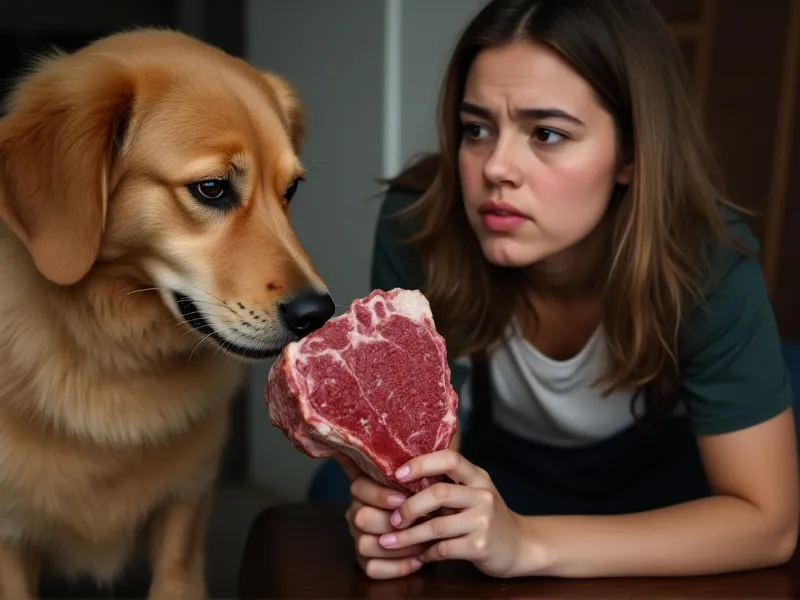
Table of Contents
- Can Dogs Eat Cooked Prime Rib Bones? The Short Answer
- What Are Cooked Prime Rib Bones, Anyway?
- Potential “Benefits”: Are There Any Upsides?
- The Risks: Why Cooked Prime Rib Bones Are Dangerous for Dogs
- Splintering: A Hidden Hazard
- Choking and Blockages: Emergency Risks
- Pancreatitis and Digestive Upset
- Dental Damage
- What If My Dog Already Ate a Cooked Prime Rib Bone?
- Safer Alternatives to Cooked Prime Rib Bones
- FAQ: Your Most Pressing Questions Answered
- Conclusion: Prioritizing Your Dog’s Safety
Can Dogs Eat Cooked Prime Rib Bones? The Short Answer
No, dogs should not eat cooked prime rib bones. While raw bones (under careful supervision) may be considered safe by some vets, cooked bones—including those from prime rib—pose serious health risks to dogs. The cooking process changes the structure of the bone, making it brittle, dry, and prone to splintering. These sharp fragments can tear your dog’s mouth, throat, or intestines, leading to choking, blockages, or life-threatening internal injuries.
What Are Cooked Prime Rib Bones, Anyway?
Prime rib is a cut of beef from the rib section of a cow, known for its marbling and tenderness. When cooked (roasted, grilled, or smoked), the bone left behind is often meaty, fragrant, and tempting to dogs. Many pet parents assume bones are a “natural” treat—after all, wolves and wild dogs eat bones, right?
But here’s the catch: Domestic dogs are not wolves. Their diets, digestive systems, and even jaw strength are different. Plus, wild canids eat raw bones, which are softer and more flexible. Cooked bones? They’re a whole different story.
Potential “Benefits”: Are There Any Upsides?
You might wonder, “If cooked bones are so bad, why do some people swear by them?” Let’s address the supposed “benefits” and separate fact from fiction.
Nutrients: Calcium, Phosphorus, and More?
Bones do contain nutrients like calcium, phosphorus, and trace minerals—important for bone health, muscle function, and energy. However, cooked bones are not a reliable or safe source of these nutrients. Cooking can leach out some minerals, and the risk of injury far outweighs any nutritional gain. Your dog’s balanced kibble or wet food already contains the vitamins and minerals they need.
Fiber: Do Bones Help Digestion?
Bones are sometimes thought to aid digestion by adding “fiber.” But dogs don’t digest bone fiber like they do plant-based fiber (e.g., from sweet potatoes or pumpkin). Instead, bone fragments can clump in the intestines, leading to blockages (more on that later).
Mental Stimulation: Chewing Fun?
Chewing is indeed good for dogs—it relieves boredom, cleans teeth, and releases endorphins. But there are plenty of safe chewing options (dental chews, bully sticks, etc.) that don’t come with the risk of splintering.
The bottom line: Any potential “benefits” of cooked prime rib bones are minimal and overshadowed by the dangers.
The Risks: Why Cooked Prime Rib Bones Are Dangerous for Dogs
Now, let’s get to the critical part: why cooked prime rib bones are a hazard. Here’s what can happen if your dog chews on one.
1. Splintering: Sharp Fragments Tear Tissues
Cooking causes bones to lose moisture, making them hard and brittle. When your dog chews a cooked bone, it can shatter into small, sharp pieces—think shards of glass. These fragments can:
- Cut the mouth or tongue: Leading to bleeding, pain, or infection.
- Scratch the throat or esophagus: Causing difficulty swallowing or internal bleeding.
- Perforate the intestines: A life-threatening injury that may require surgery.
Even large bones can splinter. A 2016 study in the Journal of the American Veterinary Medical Association (AVMA) found that cooked bones are a leading cause of gastrointestinal foreign bodies in dogs.
2. Choking and Intestinal Blockages
Dogs are enthusiastic chewers, and a bone fragment can get stuck in their throat, causing choking. Signs of choking include pawing at the mouth, gagging, drooling, or difficulty breathing—this is an emergency!
If the fragment makes it past the throat, it can lodge in the stomach or intestines, causing a blockage. Symptoms of blockage include:
- Vomiting (especially after eating)
- Diarrhea or constipation (with or without blood)
- Lethargy or loss of appetite
- Abdominal pain (your dog may whine when touched)
Intestinal blockages are often fatal without surgery.
3. Pancreatitis: Fatty Bones and Inflammation
Prime rib bones are often coated in fat or seasoned with spices (garlic, onion, salt, etc.). Fatty foods can trigger pancreatitis—an inflammation of the pancreas—in dogs. Pancreatitis causes severe abdominal pain, vomiting, diarrhea, and can lead to organ failure. Small dogs, overweight dogs, and breeds like Miniature Schnauzers are especially prone.
4. Dental Damage: Broken Teeth
Chewing on hard, cooked bones can crack or break your dog’s teeth. Broken teeth are painful and may require extraction. Even minor cracks can trap bacteria, leading to infections or abscesses.
What If My Dog Already Ate a Cooked Prime Rib Bone?
Don’t panic—but act quickly. If your dog snuck a cooked prime rib bone (or you accidentally gave one), here’s what to do:
- Monitor for symptoms: Watch for choking, vomiting, diarrhea, lethargy, difficulty pooping, or blood in stool/ vomit.
- Do NOT induce vomiting: This can cause sharp fragments to tear the esophagus. Only induce vomiting if directed by a vet.
- Contact your vet immediately: Even if your dog seems fine. Some symptoms (like blockages) take hours or days to appear. Your vet may recommend X-rays to check for fragments or monitor your dog closely.
Early intervention can save your dog’s life.
Safer Alternatives to Cooked Prime Rib Bones
Just because cooked prime rib bones are off-limits doesn’t mean your dog can’t enjoy a tasty, satisfying chew. Here are vet-approved alternatives:
1. Raw Meaty Bones (With Caution)
Some vets recommend raw bones as a safer option, as they’re softer and less likely to splinter. Choose large, non-weight-bearing bones (e.g., beef knuckles, marrow bones) to prevent choking. Avoid small bones (chicken, pork ribs) that can be swallowed whole. Always supervise your dog, and discard the bone when it becomes small enough to bite off.
Note: Raw bones carry a risk of bacterial contamination (salmonella, E. coli), so handle them carefully and wash surfaces thoroughly.
2. Dental Chews
Look for dental chews approved by the Veterinary Oral Health Council (VOHC), which have been tested to reduce plaque and tartar. Brands like Greenies, Virbac C.E.T., or Merrick Fresh Kisses are great options.
3. Bully Sticks or Yak Chews
Bully sticks (dried bull pizzles) and yak chews are long-lasting, high-protein, and digestible. They’re low in fat and satisfy your dog’s urge to chew.
4. Frozen Treats
Freeze a Kong filled with peanut butter (no xylitol!), plain yogurt, or pumpkin for a cool, interactive snack.
5. Fresh Veggies
Carrots, celery, or cucumber slices make crunchy, low-calorie chews that clean teeth and freshen breath.
FAQ: Your Most Pressing Questions Answered
Q: Can dogs eat the meat from prime rib, even if the bone is off-limits?
A: Yes! Small amounts of cooked, unseasoned prime rib meat are safe for most dogs. Remove any fat (to avoid pancreatitis) and feed in moderation, as rich meats can cause stomach upset.
Q: Are smoked or seasoned prime rib bones more dangerous?
A: Yes. Smoke flavoring, salt, garlic, onion, or other seasonings are toxic to dogs. Even “natural” seasonings can irritate their digestive systems.
Q: My dog has eaten cooked bones before and been fine—does that mean it’s safe?
A: Luck, not safety. Every dog is different, and a single incident can turn deadly. It’s not worth the risk.
Q: Can puppies or senior dogs have cooked prime rib bones?
A: No. Puppies have smaller airways and immature digestive systems, while seniors may have weaker teeth or underlying health issues. Both are more vulnerable to choking or blockages.
Conclusion: Prioritizing Your Dog’s Safety
Sharing food with our dogs is one of the joys of pet parenthood, but when it comes to cooked prime rib bones, it’s better to be safe than sorry. The risks—splintering, choking, blockages, pancreatitis—are simply too great.
Instead, opt for the safer alternatives we’ve outlined, and when in doubt, consult your vet. After all, Max deserves treats that keep him happy and healthy.
So next time you’re enjoying that prime rib dinner, give your dog a belly rub and a safe chew instead of the bone. Trust us—his tail will wag just as hard.
References
- American Society for the Prevention of Cruelty to Animals (ASPCA). “People Foods to Avoid Feeding Your Pets.” aspca.org
- American Veterinary Medical Association (AVMA). “Pet Food & Treats: Bones.” avma.org
- VCA Animal Hospitals. “Bones and Dogs: What You Need to Know.” vcahospitals.com
- PetMD. “Can Dogs Eat Bones?” petmd.com