· 9 min read
Can Dogs Eat Cooked Pork Rib Bones? The Surprising Risks Every Pet Parent Should Know
It’s a sunny Saturday afternoon, and your backyard is filled with the smell of grilled pork ribs. Your dog, Max, is at your feet, tail wagging furiously, eyes locked on the juicy bone in your hand. You pause, fork mid-air: “Is this safe to share?”
If you’ve ever found yourself in this scenario, you’re not alone. Pork ribs are a summer staple, and our dogs’ begging faces can make it hard to resist slipping them a “treat.” But before you toss that bone, there’s a critical question to answer: Can dogs eat cooked pork rib bones?
In this post, we’ll cut through the confusion, explore the science behind why cooked bones are risky, and share safe alternatives that let your pup join in the fun without the danger. Let’s dig in.
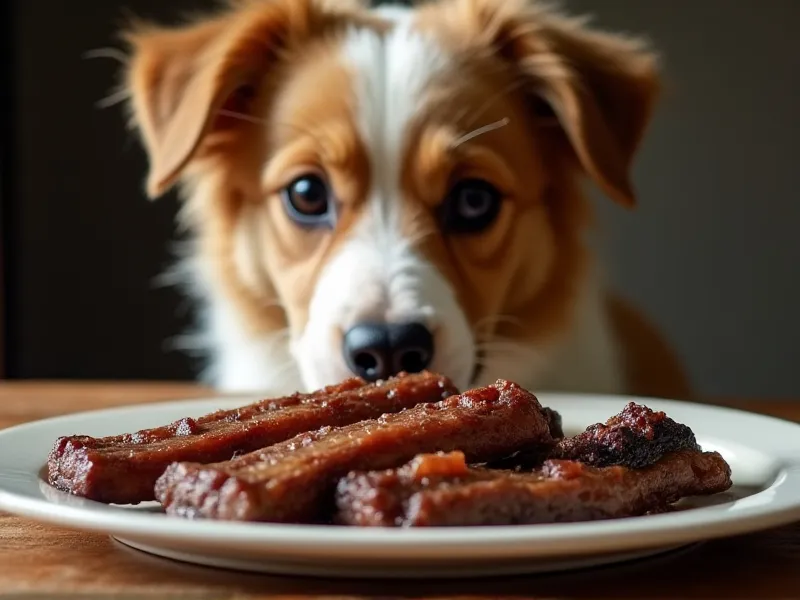
Table of Contents
- Can Dogs Eat Cooked Pork Rib Bones? The Short Answer
- The Science Behind Cooked Bones: Why They’re Riskier Than You Think
- Potential Benefits: Are There Any Upsides?
- The Risks of Cooked Pork Rib Bones for Dogs
- If Your Dog Accidentally Eats a Cooked Rib Bone: What to Do
- Healthier Alternatives to Cooked Rib Bones
- FAQ: Your Most Pressing Questions Answered
- Conclusion: Prioritizing Your Dog’s Safety
Can Dogs Eat Cooked Pork Rib Bones? The Short Answer
No, cooked pork rib bones are not safe for dogs.
While your pup might beg like it’s the best thing since sliced bread, cooked bones—including pork ribs—pose serious health risks. Unlike raw bones (which some vets cautiously recommend in limited cases), cooking alters a bone’s structure, making it brittle and prone to splintering. These sharp fragments can tear your dog’s mouth, throat, or digestive tract, leading to choking, internal bleeding, or blockages that may require surgery.
The ASPCA and American Veterinary Medical Association (AVMA) explicitly warn against feeding cooked bones to dogs, and pork ribs are no exception. Let’s break down why.
The Science Behind Cooked Bones: Why They’re Riskier Than You Think
To understand why cooked pork rib bones are dangerous, let’s start with biology. Raw bones are flexible and contain collagen, a protein that gives them elasticity. When you cook a bone—whether by boiling, grilling, or baking—the heat breaks down that collagen. What’s left is a dry, brittle structure that shatters easily when chewed.
Pork ribs are particularly problematic because they’re small, curved, and often have sharp edges even before cooking. When cooked, they become even more fragile. A dog chewing on a cooked rib bone can easily bite off a chunk that splinters into needle-like pieces. These fragments can:
- Get stuck in the throat (choking hazard).
- Puncture the esophagus, stomach, or intestines (causing internal bleeding or infection).
- Block the digestive tract (leading to vomiting, diarrhea, or life-threatening obstruction).
Raw bones, by contrast, are softer and more likely to crumble into harmless, digestible pieces (though they come with their own risks, which we’ll cover later). But cooked bones? They’re a ticking time bomb.
Potential Benefits: Are There Any Upsides?
You might be wondering: “If cooked rib bones are so bad, are there any benefits at all?” Let’s be honest: The potential upsides are minimal and far outweighed by the risks.
What People Think Are Benefits (and Why They’re Not)
- Nutrients: Some pet parents assume bones are a good source of calcium or phosphorus. But cooked bones are stripped of most nutrients during cooking, and the small amounts left aren’t worth the danger. Your dog gets plenty of minerals from a balanced dog food.
- Dental Health: Chewing bones is often thought to clean teeth, but cooked ribs are too hard. They can actually crack or break your dog’s teeth, leading to painful dental fractures that require extraction.
- Mental Stimulation: While chewing is enriching for dogs, there are safer ways to keep them occupied (more on that later!).
The Only “Benefit” Is the Meat—Not the Bone
If there’s any upside to pork ribs, it’s the meat attached to them. Lean, unseasoned pork meat is safe for dogs in moderation (as long as it’s fully cooked to avoid parasites like trichinella). But the bone itself? It’s best left off the menu.
The Risks of Cooked Pork Rib Bones for Dogs
Now, let’s dive into the specific dangers of cooked pork rib bones. These aren’t hypothetical—vets see cases like these every day.
1. Choking Hazard
Pork ribs are small and easy for a dog to swallow whole or in large chunks. A bone fragment can lodge in the throat, blocking the airway. Signs of choking include:
- Pawing at the mouth.
- Gagging or retching.
- Difficulty breathing.
- Blue gums (a sign of oxygen deprivation).
If not treated immediately, choking can be fatal.
2. Splintering and Internal Damage
As we mentioned, cooked bones splinter into sharp pieces. These fragments can tear the delicate tissues of the digestive tract. Symptoms of internal injury include:
- Blood in vomit or stool.
- Lethargy or loss of appetite.
- Abdominal pain (your dog may whine when touched or hunch their back).
In severe cases, a splinter can puncture the intestines, causing peritonitis (a life-threatening infection of the abdominal cavity).
3. Intestinal Blockage
Even if a bone fragment doesn’t puncture tissue, it can get stuck in the intestines. This blockage prevents food and waste from passing, leading to:
- Vomiting (especially after eating).
- Diarrhea (sometimes with blood).
- Bloating or abdominal swelling.
- Dehydration (from inability to keep food/water down).
Blockages often require emergency surgery to remove the fragment. Without treatment, your dog could die within 24–48 hours.
4. Pancreatitis from Fatty Trimmings
Pork ribs are often high in fat, and cooked ribs may have added sauces or seasonings (like garlic, onion, or salt—all toxic to dogs). Fatty foods trigger pancreatitis, an inflammation of the pancreas that causes severe abdominal pain, vomiting, and diarrhea. Pancreatitis can be fatal, especially in small dogs or those with preexisting conditions.
If Your Dog Accidentally Eats a Cooked Rib Bone: What to Do
Mistakes happen. Maybe you dropped a bone, or a guest slipped your dog a “treat” without asking. If your dog eats a cooked pork rib bone, stay calm—but act fast.
Step 1: Don’t Induce Vomiting
You might think vomiting will help remove the bone, but forcing your dog to vomit can cause the bone to scrape the esophagus on the way up, worsening injury. Always call your vet first.
Step 2: Monitor for Symptoms
Watch for signs of trouble over the next 24–48 hours:
- Choking, gagging, or difficulty breathing (call emergency vet immediately).
- Vomiting, diarrhea, or blood in stool.
- Lethargy, loss of appetite, or abdominal pain.
Step 3: Call Your Vet
Even if your dog seems fine, contact your vet. They may want to examine your dog or recommend X-rays to check for blockages. Early intervention is key to preventing serious complications.
Healthier Alternatives to Cooked Rib Bones
You don’t have to deprive your dog of the joy of chewing! Here are safe, vet-approved alternatives that satisfy their urge to gnaw without the risk:
1. Raw Recreational Bones (With Caution)
Some vets recommend raw, meaty bones (like beef knuckles or lamb shanks) as occasional treats. These bones are large enough that your dog can’t swallow them whole, and their soft texture reduces splintering. Always:
- Choose bones larger than your dog’s head (to prevent choking).
- Supervise your dog while they chew.
- Avoid weight-bearing bones (like femurs), which are too hard and can crack teeth.
- Source bones from a reputable butcher to reduce salmonella risk.
Note: Raw bones aren’t risk-free (they can carry bacteria), so talk to your vet first—especially if your dog has a weak immune system.
2. Dental Chews
VOHC (Veterinary Oral Health Council)-approved chews like Greenies or Pedigree Dentastix are designed to clean teeth and freshen breath without splintering. They’re low in fat and come in sizes for all breeds.
3. Fresh Vegetables
Crunchy veggies like carrots, celery, or cucumber make great low-calorie chews. They’re high in fiber, help clean teeth, and most dogs love them. Avoid onions, garlic, or grapes (toxic to dogs).
4. Lean Cooked Meat (Boneless!)
Skip the bone and give your dog a small piece of cooked, unseasoned pork, chicken, or beef. It’s a tasty protein boost without the risk.
5. Bone Broth
Simmer raw bones (without seasoning) to make nutrient-rich bone broth. Pour it over kibble or freeze it into ice cubes for a refreshing treat. The broth is packed with collagen and minerals, and the bones are strained out, so no splinters!
FAQ: Your Most Pressing Questions Answered
Q: Can my dog eat pork rib meat (without the bone)?
A: Yes! Cooked, unseasoned pork meat is safe for dogs in moderation. Remove all bones, fat, and sauces (avoid garlic, onion, or salt). Pork is a good source of protein, but too much can cause stomach upset, so stick to small portions.
Q: Are raw pork rib bones safe?
A: Raw pork bones are safer than cooked ones, but they’re not risk-free. Raw pork can carry trichinella (a parasite that causes trichinosis), though freezing pork for 3+ weeks kills the parasite. Additionally, raw bones can still chip teeth or cause blockages if swallowed in large pieces. Ask your vet if raw bones are right for your dog.
Q: What about other cooked bones, like chicken or beef ribs?
A: All cooked bones are dangerous—chicken, beef, pork, or turkey. Chicken bones are especially risky because they’re small and splinter easily. Stick to the rule: No cooked bones, period.
Q: My dog ate a cooked bone before and was fine—why worry now?
A: Luck doesn’t equal safety. A dog might chew a cooked bone once and pass it without issue, but the next time could result in a blockage or perforation. The risk is never worth it.
Q: Can puppies eat cooked pork rib bones?
A: Puppies have smaller, more delicate digestive systems and are at higher risk for choking or blockages. Never give cooked bones to puppies—stick to puppy-safe chews like rubber toys or soft dental treats.
Conclusion: Prioritizing Your Dog’s Safety
At the end of the day, sharing a cooked pork rib bone with your dog isn’t an act of love—it’s a risk. The ASPCA, AVMA, and countless vets agree: cooked bones are dangerous, and pork ribs are among the worst offenders.
Instead of gambling with your dog’s health, opt for safe alternatives like raw recreational bones (with vet approval), dental chews, or fresh veggies. These treats let your pup enjoy chewing without the fear of splinters, blockages, or emergency vet visits.
If you’re ever unsure about what to feed your dog, consult your vet. They know your dog’s breed, size, and health history and can recommend the best, safest options.
Your dog’s wagging tail and happy, healthy life are worth more than a momentary treat. So next time you’re at the BBQ, skip the rib bone—and give them a belly rub instead. They’ll love you just as much (maybe even more!).
References
- American Society for the Prevention of Cruelty to Animals (ASPCA). “People Foods to Avoid Feeding Your Pets.” ASPCA.org
- American Veterinary Medical Association (AVMA). “Bones Are Not for Dogs.” AVMA.org
- VCA Hospitals. “Can Dogs Eat Bones?” VCAHospitals.com
- PetMD. “The Dangers of Giving Dogs Bones.” PetMD.com