· 8 min read
Can Dogs Eat Cooked Pork Meat? A Pet Parent’s Guide to Safe Feeding
It’s a familiar scene: You’re enjoying a cozy weeknight dinner, forkful of tender, roasted pork in hand, when your dog trots over. Their big, hopeful eyes lock onto your plate, tail thumping the floor like a metronome. “Just a little bite?” you wonder. After all, pork is a staple in many human diets—juicy chops, savory roasts, crispy bacon (though we know bacon is a whole other story). But is cooked pork safe for our furry friends?
As pet parents, we want to share the best with our dogs, but it’s crucial to separate fact from fiction when it comes to human foods. In this guide, we’ll dive into whether cooked pork is a safe treat, its potential benefits, hidden risks, and how to serve it (if at all) responsibly. Let’s get started!
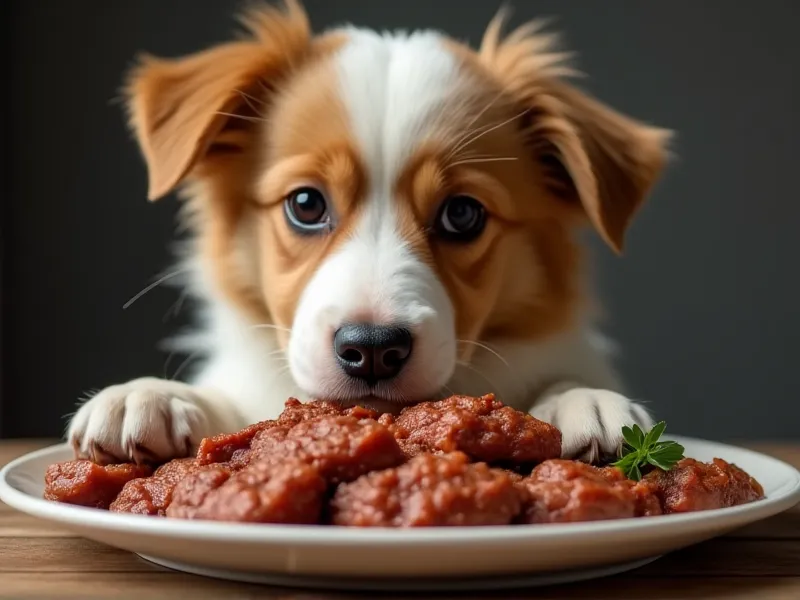
Table of Contents
- Can Dogs Eat Cooked Pork? The Short Answer
- Potential Benefits of Cooked Pork for Dogs
- Protein: The Building Block of Muscle Health
- Essential Vitamins and Minerals
- A Novel Protein Option for Allergic Pups
- Risks to Watch Out For: Why Not All Pork is Safe
- High Fat Content: A Pancreatitis Risk
- Bones: A Choking and Blockage Hazard
- Seasonings and Sauces: Hidden Toxins
- Processed Pork Products: Salt, Sugar, and Additives
- Undercooked Pork: Parasite Concerns
- Safe Feeding Guidelines: How to Serve Pork to Your Dog
- Healthier Alternatives to Pork
- FAQ: Your Pork Questions Answered
- Conclusion: Moderation is Key
1. Can Dogs Eat Cooked Pork? The Short Answer
Yes, dogs can eat plain, properly cooked pork in moderation—but there’s a big “if.” Not all pork is created equal, and certain preparation methods or cuts can turn this protein-rich meat into a hazard. The key is to avoid fatty trimmings, bones, seasoning, and processed varieties (like ham or bacon). When served plain, lean, and well-cooked, pork can be a tasty, occasional treat for most dogs.
That said, every dog is different. Some may have sensitive stomachs, while others (like those with pancreatitis or obesity) should avoid pork altogether. When in doubt, always check with your vet first.
2. Potential Benefits of Cooked Pork for Dogs
Pork isn’t just a crowd-pleaser for humans—it can offer some nutritional perks for dogs, too. Let’s break down the good stuff:
Protein: The Building Block of Muscle Health
Pork is a complete protein, meaning it contains all nine essential amino acids dogs need to thrive. Amino acids support muscle growth and repair, making pork a solid choice for active pups, growing puppies, or senior dogs needing to maintain muscle mass. For example, a 3-ounce serving of cooked, lean pork (like tenderloin) provides about 22 grams of protein—similar to chicken or turkey.
Essential Vitamins and Minerals
Pork is packed with nutrients that support your dog’s overall health:
- B Vitamins: Pork is rich in B12, niacin (B3), and thiamine (B1), which help convert food into energy, support brain function, and keep the nervous system healthy.
- Zinc: Critical for immune function, skin health, and wound healing. Zinc deficiency in dogs can lead to dull coats, skin infections, and poor appetite.
- Iron: Helps red blood cells carry oxygen throughout the body, preventing anemia.
- Potassium: Supports heart health, muscle function, and fluid balance—important for maintaining healthy blood pressure.
A Novel Protein Option for Allergic Pups
If your dog has allergies to common proteins like chicken or beef, pork might be a “novel” (unfamiliar) protein that’s easier on their system. Novel proteins reduce the risk of triggering an allergic reaction, as the immune system hasn’t developed antibodies against them. Always introduce new proteins slowly, though, to watch for signs of sensitivity (like itching or diarrhea).
3. Risks to Watch Out For: Why Not All Pork is Safe
While plain, lean pork can be safe, several risks make it a tricky treat. Let’s unpack the dangers to avoid:
High Fat Content: A Pancreatitis Risk
Pork is naturally higher in fat than chicken or turkey, especially in cuts like ribs, belly, or shoulder. Excess fat can cause pancreatitis—a painful, potentially life-threatening condition where the pancreas becomes inflamed. Symptoms include vomiting, diarrhea, lethargy, and loss of appetite. Even a small amount of fatty pork can trigger pancreatitis in susceptible dogs, like those who are overweight, have a history of the condition, or are middle-aged/older.
Bones: A Choking and Blockage Hazard
Pork bones (cooked or raw) are a major no-no. Cooked bones are brittle and can splinter, tearing the throat, esophagus, or intestines. Even raw pork bones pose risks: they can get stuck in the digestive tract, leading to blockages that require surgery. Small bones (like rib bones) are especially dangerous for small dogs, while larger bones can chip teeth.
Seasonings and Sauces: Hidden Toxins
That Sunday roast might be delicious with garlic, onion, rosemary, or BBQ sauce—but those add-ons are toxic to dogs. Garlic and onion (even in small amounts) contain thiosulphate, which damages red blood cells and causes anemia. Salt, pepper, and spicy seasonings can irritate your dog’s stomach, leading to vomiting or diarrhea. Sugary sauces (like honey glaze or teriyaki) add empty calories and can contribute to obesity or diabetes over time.
Processed Pork Products: Salt, Sugar, and Additives
Processed pork—think ham, bacon, sausage, or deli meats—is off-limits. These products are loaded with salt, which can cause sodium ion poisoning in dogs (symptoms: excessive thirst, urination, vomiting, seizures). They also often contain sugar, nitrates, and preservatives (like sodium nitrate) that are linked to cancer in pets. Bacon, in particular, is high in fat and salt, making it a double whammy for pancreatitis and sodium overload.
Undercooked Pork: Parasite Concerns
Raw or undercooked pork can harbor Trichinella spiralis, a parasite that causes trichinosis. While rare in commercial pork (thanks to modern farming practices), the risk isn’t zero. Symptoms in dogs include muscle pain, fever, and swelling. Cooking pork to an internal temperature of 145°F (63°C) (with a 3-minute rest) kills parasites, so always ensure pork is well-done before sharing.
4. Safe Feeding Guidelines: How to Serve Pork to Your Dog
If you want to treat your dog to pork, follow these rules to keep them safe:
- Stick to lean cuts: Opt for pork tenderloin, loin chops (trimmed of fat), or boneless pork chops. Avoid ribs, belly, or sausage.
- Cook it thoroughly: No pink meat! Use a meat thermometer to ensure it reaches 145°F (63°C).
- Skip the extras: Serve plain—no salt, pepper, garlic, onion, or sauce.
- Trim all fat: Even lean cuts have some fat; remove as much as possible to reduce pancreatitis risk.
- No bones: Always remove bones before serving.
- Portion control: Pork should be an occasional treat, not a meal replacement. Aim for no more than 10% of your dog’s daily calories from treats. For a 30-pound dog, that’s about 1-2 ounces of cooked pork per week.
- Introduce slowly: Start with a tiny piece and monitor for 24 hours. If your dog gets diarrhea, vomiting, or seems lethargic, stop feeding pork and contact your vet.
5. Healthier Alternatives to Pork
If pork feels too risky, or your dog has a sensitive stomach, these lean proteins are safer and just as tasty:
- Chicken or Turkey: Lean, low-fat, and easy to digest. Serve plain, cooked, and boneless.
- Salmon: Rich in omega-3 fatty acids for skin and coat health. Opt for wild-caught, cooked, and deboned.
- Lean Beef: A good source of iron and zinc. Choose sirloin or round steak, trimmed of fat.
- Venison or Rabbit: Novel proteins ideal for dogs with allergies.
For a quick snack, try freeze-dried or dehydrated pork treats made specifically for dogs (check the label for no added salt/sugar).
6. FAQ: Your Pork Questions Answered
Can dogs eat pork bones?
No! Cooked or raw, pork bones are dangerous. They splinter easily and can cause choking, intestinal blockage, or internal injuries.
Can dogs eat pork chops?
Yes, if they’re boneless, lean, plain, and well-cooked. Remove all fat and seasoning first.
Is ham safe for dogs?
No. Ham is processed, high in salt, and often contains added sugar or preservatives. It can cause stomach upset or sodium poisoning.
Can dogs eat pork sausage?
No. Sausage is high in fat, salt, and spices (like garlic or onion), which are toxic to dogs.
My dog ate a pork bone—what should I do?
Contact your vet immediately. Symptoms of blockage include vomiting, diarrhea, lethargy, or loss of appetite. Don’t induce vomiting unless told to do so by a professional.
7. Conclusion: Moderation is Key
Cooked pork can be a safe, tasty treat for dogs when served plain, lean, and in moderation. It offers protein, vitamins, and minerals—but the risks (fat, bones, seasoning) mean it shouldn’t be a regular part of their diet. Always prioritize your dog’s individual health: if they have pancreatitis, obesity, or allergies, skip the pork and opt for a vet-approved alternative.
At the end of the day, the best rule is: When in doubt, ask your vet. They know your dog’s unique needs and can help you make the safest choices.
So, next time your pup begs for a bite of pork, remember: a tiny, plain, cooked piece is okay—just save the ribs, bacon, and sauce for yourself. Your dog will thank you for keeping them happy and healthy!
References
- American Society for the Prevention of Cruelty to Animals (ASPCA). “People Foods to Avoid Feeding Your Pets.” aspca.org/pet-care/animal-poison-control/people-foods-avoid-feeding-your-pets
- American Veterinary Medical Association (AVMA). “Pancreatitis in Dogs.” avma.org/resources/pet-owners/petcare/pancreatitis-dogs
- PetMD. “Can Dogs Eat Pork?” petmd.com/dog/nutrition/can-dogs-eat-pork
- Centers for Disease Control and Prevention (CDC). “Trichinellosis.” cdc.gov/parasites/trichinellosis/index.html