· 8 min read
Can Dogs Eat Cooked Lamb Bones? The Surprising Truth Every Pet Parent Needs to Know
It’s a familiar scene: You’re carving into a juicy roasted leg of lamb for dinner, the aroma making your stomach growl—and your dog’s tail thump a mile a minute. Their big, pleading eyes lock onto the pile of bones on your plate, and you can almost hear their silent begging: “Please? Just a little taste?” Lamb is a popular, protein-packed meat often found in high-quality dog foods, so it’s natural to wonder if sharing a bone could be a tasty treat. But here’s the thing: When it comes to cooked lamb bones, the answer isn’t as simple as “yes” or “no.” In fact, it could be a matter of life or death for your pup.
In this post, we’ll dive into the risks (and rare “benefits”) of cooked lamb bones for dogs, why they’re so dangerous, and what safer alternatives you can offer instead. Let’s keep your furry friend happy, healthy, and bone-safe!
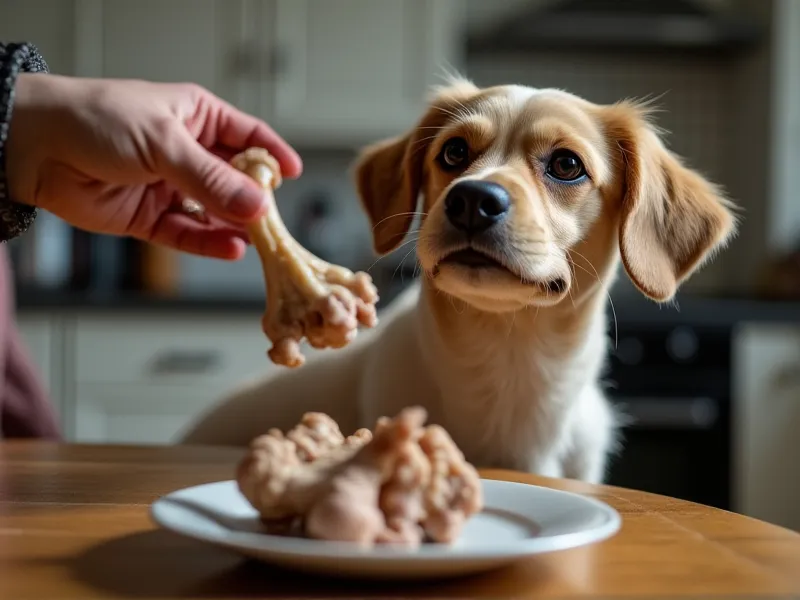
Table of Contents
- Can Dogs Eat Cooked Lamb Bones? The Short Answer
- Why Cooked Lamb Bones Are Risky: The Hidden Dangers
- Myth vs. Fact: Do Cooked Lamb Bones Offer Any Benefits?
- Healthier Alternatives to Cooked Lamb Bones
- Oops! My Dog Ate a Cooked Lamb Bone—Now What?
- FAQ: Your Most Pressing Questions Answered
- Conclusion: Prioritizing Your Pup’s Safety
Can Dogs Eat Cooked Lamb Bones? The Short Answer
No, dogs should never eat cooked lamb bones.
While raw lamb bones are sometimes debated among veterinarians (more on that later), cooked bones—including lamb—are universally considered unsafe. Cooking changes the structure of bones, making them brittle, sharp, and prone to splintering. These splinters can tear your dog’s mouth, throat, or intestines, leading to infections, blockages, or even death. Even large, meaty bones (like a lamb shank) become dangerous once cooked.
Save the cooked bones for the trash, and keep reading to learn why they’re so risky—and what to offer instead.
Why Cooked Lamb Bones Are Risky: The Hidden Dangers
Let’s break down the specific threats cooked lamb bones pose to your dog’s health:
Splintering: Sharp Shards That Tear Tissue
Raw bones are flexible and less likely to shatter, but cooking (boiling, roasting, or grilling) removes moisture, making bones dry and brittle. When your dog chews a cooked lamb bone, it can splinter into tiny, razor-sharp fragments. These fragments can:
- Cut their gums, tongue, or the roof of their mouth, causing pain and bleeding.
- Tear the lining of their esophagus (throat) or stomach, leading to internal bleeding or infection.
- Perforate the intestines, which is a life-threatening emergency requiring surgery.
Veterinarians at the American Society for the Prevention of Cruelty to Animals (ASPCA) warn that cooked bones “can splinter and cause severe damage to the mouth, throat, or intestines.”
Choking and Intestinal Blockages
Even if a cooked bone doesn’t splinter, it can still get stuck. Small bones (like rib bones) or large chunks can lodge in your dog’s throat, blocking their airway and causing choking. Larger fragments may pass into the intestines but get stuck, leading to a blockage. Symptoms of a blockage include:
- Vomiting (especially if they can’t keep food down)
- Diarrhea (sometimes with blood)
- Lethargy or loss of appetite
- Straining to poop (or not pooping at all)
Intestinal blockages are fatal without prompt surgery. A study in the Journal of the American Veterinary Medical Association (JAVMA) found that bone fragments are a leading cause of gastrointestinal obstruction in dogs.
Bacterial Infections: Salmonella and Beyond
Cooked bones (even “well-done” ones) can harbor harmful bacteria like Salmonella or E. coli, which thrive on raw meat residue. If your dog ingests these bacteria, they may develop symptoms like:
- Vomiting
- Diarrhea (often bloody)
- Fever
- Abdominal pain
In severe cases, bacterial infections can spread to the bloodstream (sepsis) or kidneys, putting your dog’s life at risk. Humans can also get sick from handling contaminated bones, so it’s a risk to your whole family.
Fatty Trimmings and Pancreatitis Risk
Lamb bones are often surrounded by fat, which doesn’t disappear when cooked. High-fat foods can trigger pancreatitis in dogs—a painful inflammation of the pancreas. Symptoms include vomiting, diarrhea, lethargy, and loss of appetite. Pancreatitis is especially dangerous for small dogs, overweight dogs, or breeds prone to the condition (like Miniature Schnauzers).
Myth vs. Fact: Do Cooked Lamb Bones Offer Any Benefits?
You might have heard claims like, “Bones clean dogs’ teeth!” or “They’re a good source of calcium!” Let’s set the record straight:
Myth: “Cooked bones help clean my dog’s teeth.”
Fact: Cooked bones are too hard and brittle to safely scrape plaque. Instead, they can crack your dog’s teeth or get stuck between them, leading to gum disease or tooth fractures. For dental health, opt for vet-approved dental chews or daily toothbrushing instead.
Myth: “Cooked lamb bones are a natural source of nutrients like calcium or potassium.”
Fact: While raw bones do contain trace minerals (like calcium and phosphorus), cooking destroys many nutrients and makes the remaining ones hard to digest. Plus, the risks of splintering far outweigh any nutritional benefit. Your dog gets all the calcium they need from a balanced dog food—no bone required.
Myth: “My dog has eaten cooked bones before and been fine!”
Fact: Luck doesn’t equal safety. Some dogs may chew a cooked bone without immediate issues, but that doesn’t mean they’re out of the woods. Splinters can lodge in the intestines and cause problems days later, or a small fragment could tear tissue over time. One “safe” experience doesn’t make it worth repeating.
Healthier Alternatives to Cooked Lamb Bones
If your dog loves to chew, there are plenty of safe, tasty alternatives that won’t put their health at risk:
1. Raw Lamb Bones (With Vet Approval)
Raw lamb bones (like knuckles or shanks) are sometimes recommended by holistic vets as a chew option. They’re softer, less likely to splinter, and provide mental stimulation. However, they’re not risk-free:
- Choose large bones (too big to swallow whole) to avoid choking.
- Supervise your dog while they chew to prevent them from breaking off chunks.
- Avoid raw bones if your dog has dental issues, a history of pancreatitis, or a sensitive stomach.
- Always consult your vet first—some dogs (like puppies or seniors) shouldn’t have raw bones at all.
2. Vet-Approved Dental Chews
Brands like Greenies, Pedigree Dentastix, or Himalayan Yak Chews are designed to clean teeth, freshen breath, and satisfy chewing urges. Look for chews made with natural ingredients and sized for your dog’s breed (small dogs need small chews to avoid choking).
3. Fresh Vegetables
Crunchy veggies like carrots, celery, or cucumber make great low-calorie chews. They’re high in fiber, help clean teeth, and are safe for most dogs. Just avoid onions, garlic, or grapes (which are toxic to dogs).
4. Cooked Lamb Meat (No Bones!)
If you want to share lamb with your dog, offer small amounts of lean, cooked lamb meat (without bones, fat, or seasoning). Lamb is a high-quality protein that’s easy to digest, making it a great occasional treat. Just keep portions small—treats should make up no more than 10% of your dog’s daily calories.
5. Puzzle Toys
For dogs who chew out of boredom, a Kong toy stuffed with peanut butter (no xylitol!) or frozen yogurt will keep them busy without the risk of bones.
Oops! My Dog Ate a Cooked Lamb Bone—Now What?
Don’t panic, but act fast. If your dog swallowed a cooked lamb bone (even a small piece), monitor them closely for these symptoms:
- Vomiting (especially if persistent)
- Diarrhea (with or without blood)
- Lethargy or loss of appetite
- Difficulty breathing (signs of choking)
- Straining to poop or not pooping for 24+ hours
Contact your vet immediately if you notice any of these signs. Do NOT try to induce vomiting unless your vet tells you to—some bones can cause more damage on the way back up.
FAQ: Your Most Pressing Questions Answered
Q: Are raw lamb bones safer than cooked ones?
A: Raw bones are less likely to splinter, but they’re not risk-free. They can still cause choking, dental fractures, or bacterial infections (like Salmonella). Always consult your vet before giving your dog raw bones, and supervise them while chewing.
Q: Can puppies eat cooked lamb bones?
A: No. Puppies have smaller, more delicate mouths and intestines, making them more prone to choking or blockages. Their immune systems are also weaker, increasing the risk of bacterial infections.
Q: What if my dog only chewed on the bone and didn’t swallow it?
A: Even chewing can be dangerous. Sharp fragments can cut their gums or tongue, and tiny splinters may still be swallowed. Check their mouth for cuts, and monitor them for a few days for signs of discomfort.
Q: Is lamb a good protein for dogs with allergies?
A: Yes! Lamb is a novel protein (meaning many dogs haven’t eaten it before), so it’s often used in hypoallergenic dog foods for dogs with chicken or beef allergies. Just serve it boneless and cooked.
Conclusion: Prioritizing Your Pup’s Safety
At the end of the day, the joy of sharing a treat with your dog isn’t worth risking their health. Cooked lamb bones are never safe, but there are plenty of alternatives—from raw bones (with vet approval) to dental chews to plain cooked lamb meat—that will keep your pup happy and healthy.
When in doubt, always consult your veterinarian. They know your dog’s unique needs (age, breed, health history) and can recommend the best chews or treats for them.
Your dog’s wagging tail and slobbery kisses are priceless—keep them safe, and save the bones for the trash.
Wishing you and your furry friend many happy, healthy years together!
References
- American Society for the Prevention of Cruelty to Animals (ASPCA). “Can My Dog Eat This? A List of Human Foods Dogs Can and Can’t Eat.” aspca.org
- American Veterinary Medical Association (AVMA). “Bones and Chews: What’s Safe for Your Pet?” avma.org
- VCA Animal Hospitals. “Intestinal Obstruction in Dogs.” vcahospitals.com
- PetMD. “Pancreatitis in Dogs.” petmd.com