· 8 min read
Can Dogs Eat Cooked Kale? A Pet Parent’s Guide to This Leafy Green Superfood
Picture this: You’re whipping up a healthy stir-fry, tossing in a handful of vibrant, sautéed kale. It’s crisp, nutrient-dense, and you’re feeling pretty good about your meal choice. Then, you glance down. There’s your dog, tail thumping, eyes wide, nose twitching like a tiny radar—clearly begging for a taste. “Can I share?” you wonder. “Is cooked kale safe for dogs?”
As pet parents, we want nothing more than to treat our furry friends to the same healthy foods we enjoy. After all, kale is often called a “superfood” for humans—packed with vitamins, fiber, and antioxidants. But when it comes to dogs, not all human foods are created equal. So, can dogs eat cooked kale? The short answer: Yes, cooked kale can be safe for dogs in moderation, but there’s a lot more to know before you start sprinkling it on their kibble. Let’s dive in.
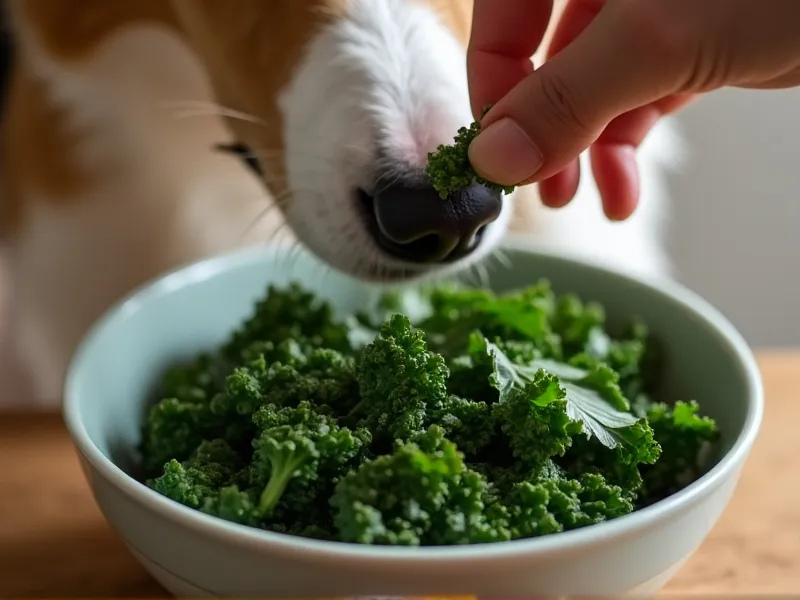
Table of Contents
- Is Cooked Kale Safe for Dogs? The Short Answer
- Nutritional Benefits of Cooked Kale for Dogs
- Potential Risks of Feeding Cooked Kale to Dogs
- How Much Cooked Kale Can Dogs Eat? Guidelines by Size
- Healthier Alternatives to Kale for Dogs
- FAQ: Your Top Questions Answered
- Conclusion: Moderation is Key
Is Cooked Kale Safe for Dogs? The Short Answer
Let’s cut to the chase: Cooked kale is generally safe for dogs when fed in small, occasional amounts. Raw kale, on the other hand, can be harder for dogs to digest and may pose more risks (we’ll get to that later). Cooking kale—by steaming, boiling, or sautéing (without added oils, salt, or seasonings!)—softens its tough fibers, making it easier for your dog’s stomach to handle.
That said, “safe” doesn’t mean “unlimited.” Kale contains compounds that, in large quantities, could cause problems for some dogs. So, while sharing a tiny bite of your cooked kale won’t harm most pups, it should never replace their balanced dog food.
Nutritional Benefits of Cooked Kale for Dogs
Kale earns its “superfood” title for a reason—it’s loaded with nutrients that can benefit dogs, too, when fed mindfully. Here’s what makes it a (potential) healthy treat:
1. Vitamins A, C, and K: Support for Eyes, Immunity, and Blood
- Vitamin A: Essential for eye health, skin, and coat. It helps maintain clear vision and a shiny, healthy coat—important for dogs of all ages.
- Vitamin C: A powerful antioxidant that boosts the immune system, helping your dog fight off infections and recover from illness faster. While dogs produce some vitamin C on their own, extra can be helpful for senior dogs or those under stress.
- Vitamin K: Critical for blood clotting and bone health. It ensures wounds heal properly and bones stay strong—especially important for active dogs or those prone to injuries.
2. Fiber: A Happy Gut Helper
Kale is rich in dietary fiber, which aids digestion by promoting regular bowel movements. A small amount can help缓解便秘 (relieve constipation) or keep your dog’s gut microbiome balanced. Just be careful—too much fiber can backfire (more on that later!).
3. Potassium: Heart and Muscle Support
Potassium is an electrolyte that helps regulate heart rhythm and muscle function. It keeps your dog’s heart beating steadily and muscles working properly—key for energy and mobility.
Potential Risks of Feeding Cooked Kale to Dogs
While kale has benefits, it’s not without risks. Here’s what to watch out for:
1. Oxalates: A Concern for Kidney Health
Kale contains oxalates—natural compounds that bind to calcium in the body, forming crystals. In large amounts, these crystals can lead to kidney stones or bladder stones, especially in dogs prone to urinary issues (like Corgis, Dalmatians, or Bulldogs). Dogs with kidney disease should avoid kale entirely, as oxalates can strain already weakened kidneys.
2. Goitrogens: Thyroid Troubles in Excess
Kale is part of the brassica family (think broccoli, cabbage, Brussels sprouts), which contains goitrogens. These compounds can interfere with thyroid function by blocking the absorption of iodine, a mineral needed to produce thyroid hormones. In small amounts, goitrogens are harmless, but large, regular servings could lead to hypothyroidism (underactive thyroid) over time—especially in dogs with pre-existing thyroid conditions.
3. Stomach Upset: Too Much Fiber = Digestive Distress
While fiber is good for digestion, too much kale can overload your dog’s system, causing diarrhea, gas, or bloating. This is especially true for dogs with sensitive stomachs or those not used to high-fiber treats.
4. Choking Hazard: Size and Preparation Matter
Kale stems are tough and fibrous, even when cooked. If not chopped into small, bite-sized pieces, they could pose a choking risk—especially for small dogs. Always remove thick stems and chop the leaves finely before feeding.
5. Hidden Dangers: Seasonings and Additives
Never feed your dog kale cooked with salt, butter, garlic, onions, or spices. Garlic and onions are toxic to dogs (they damage red blood cells), while salt can lead to sodium poisoning, and oil/butter can cause pancreatitis (a painful, potentially life-threatening condition). Stick to plain, unseasoned kale.
How Much Cooked Kale Can Dogs Eat? Guidelines by Size
The golden rule: Kale should be a treat, not a meal. It should make up no more than 10% of your dog’s daily calories (the rest should come from a balanced dog food). Here’s a rough guide based on your dog’s size:
- Small dogs (under 20 lbs): 1–2 tablespoons of cooked, chopped kale once or twice a week.
- Medium dogs (20–50 lbs): 2–3 tablespoons once or twice a week.
- Large dogs (50+ lbs): 3–4 tablespoons once or twice a week.
Pro tip: Start with a tiny amount (like 1 teaspoon) and monitor your dog for 24 hours. If they show no signs of stomach upset (diarrhea, vomiting, gas), you can gradually increase to the recommended portion.
Healthier Alternatives to Kale for Dogs
If you’re concerned about kale’s risks, or your dog just isn’t a fan, there are plenty of safer, nutrient-packed alternatives to share:
1. Spinach
Like kale, spinach is rich in vitamins A, C, and K, but it has lower oxalate levels, making it a better choice for dogs prone to kidney issues. Serve it cooked and chopped, in small amounts.
2. Broccoli
A great source of fiber, vitamin C, and antioxidants. Steam or boil florets (avoid stems, which are tough) and feed 1–2 tablespoons per week.
3. Carrots
Crunchy, low-calorie, and packed with vitamin A. Raw or cooked, carrots are a safe, satisfying treat for most dogs. They also help clean teeth!
4. Green Beans
High in fiber and low in calories, green beans are perfect for weight management. Serve them steamed or raw (chopped for small dogs) as a crunchy snack.
5. Sweet Potatoes
Loaded with beta-carotene (which converts to vitamin A) and fiber. Cooked, mashed sweet potato (no added sugar!) is gentle on tummies and loved by most dogs.
FAQ: Your Top Questions Answered
Q: Can puppies eat cooked kale?
A: Puppies have sensitive digestive systems and specific nutritional needs (they need more protein and calories for growth). It’s best to avoid kale until they’re at least 6 months old, and even then, only in tiny amounts. Consult your vet first.
Q: Is raw kale worse than cooked kale for dogs?
A: Yes. Raw kale has tougher fibers that are harder to digest, and higher concentrations of oxalates and goitrogens. Cooking reduces these compounds and makes kale easier on your dog’s stomach.
Q: My dog ate a whole bowl of cooked kale—should I worry?
A: Maybe. If it was plain and unseasoned, monitor for signs of stomach upset (diarrhea, vomiting, bloating) or lethargy. If symptoms last more than 24 hours, or if your dog has kidney/thyroid issues, contact your vet immediately.
Q: Can kale help my dog lose weight?
A: Kale is low in calories and high in fiber, so a tiny amount could help your dog feel full without extra calories. But it’s not a weight-loss solution—always work with your vet to create a balanced weight-loss plan.
Q: Are there dogs who should never eat kale?
A: Yes. Dogs with kidney disease, thyroid issues, a history of bladder stones, or sensitive stomachs should avoid kale entirely. Pregnant/nursing dogs should also skip it, as goitrogens could affect hormone levels.
Conclusion: Moderation is Key
So, can dogs eat cooked kale? Yes—in small, occasional amounts, plain and properly prepared. It offers vitamins, fiber, and minerals that can support your dog’s health, but it’s not without risks. Oxalates, goitrogens, and excess fiber mean it should never be a staple in their diet.
As a pet parent, your best bet is to stick to high-quality dog food designed to meet all their nutritional needs, and save human foods like kale as an occasional treat. And when in doubt? Consult your vet. They know your dog’s unique health history and can help you decide if kale (or any human food) is a good fit.
At the end of the day, sharing a tiny bite of your cooked kale with your pup is a sweet way to bond—just remember: a little goes a long way. Here’s to happy, healthy dogs (and their equally happy humans)!
Sources:
- American Kennel Club (AKC): “Can Dogs Eat Kale?”
- PetMD: “Human Foods Dogs Can and Can’t Eat”
- VCA Animal Hospitals: “Oxalate Bladder Stones in Dogs”
- The Ohio State University College of Veterinary Medicine: “Nutrition for Dogs”