· 6 min read
Can Dogs Eat Cooked Hamburger? A Pet Parent’s Guide to Safe Treats
Picture this: It’s a warm summer evening, and you’re grilling in the backyard. The aroma of juicy hamburgers fills the air, and your dog—tail thumping, nose twitching—plops down at your feet, giving you that irresistible “I’ll be good, promise!” stare. You pause, spatula in hand, and wonder: Is it okay to share a bite? Can dogs eat cooked hamburger safely?
If you’ve ever asked yourself this, you’re not alone. Hamburger is a staple in many human diets, but when it comes to our furry friends, not all “people food” is created equal. In this guide, we’ll break down the facts: the benefits, the risks, how much to feed, and healthier alternatives—so you can treat your pup without worry.
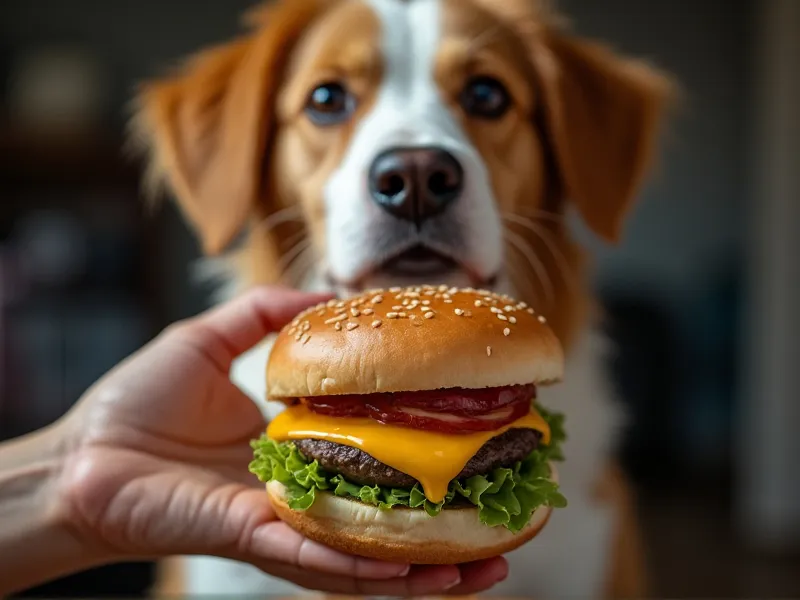
Table of Contents
- Can Dogs Eat Cooked Hamburger? The Short Answer
- Potential Benefits of Cooked Hamburger for Dogs
- Risks to Watch Out For
- How Much Cooked Hamburger Can Dogs Safely Eat?
- Healthier Alternatives to Cooked Hamburger
- FAQ: Your Burning Questions Answered
- Conclusion: Treat Responsibly, Love Unconditionally
Can Dogs Eat Cooked Hamburger? The Short Answer
Yes, dogs can eat cooked hamburger—but with important caveats. Plain, unseasoned, lean cooked hamburger is generally safe for dogs in moderation. It’s a tasty source of protein, but it’s not without risks, especially if it’s fatty, seasoned, or fed in large amounts.
The key here is quality and moderation. A small, plain bite of grilled hamburger? Likely fine. A greasy, onion-topped patty from your fast-food meal? Definitely not. Let’s dive into the details.
Potential Benefits of Cooked Hamburger for Dogs
When prepared properly, cooked hamburger can offer some nutritional perks for your pup. Here’s why it might make a (very occasional) tasty treat:
1. High-Quality Protein
Hamburger is rich in animal-based protein, which is essential for dogs. Protein supports muscle growth, repair, and overall energy levels. It also helps maintain healthy skin and a shiny coat—something every pet parent loves to see!
2. Key Nutrients
Lean ground beef (the base of hamburger) contains nutrients like:
- Iron: Helps transport oxygen in the blood, keeping your dog’s energy up.
- Zinc: Boosts immune function and supports healthy skin and coat.
- B Vitamins (B12, B6): Aids in cell function and energy metabolism.
3. Palatability
Let’s be real: Most dogs love meat. If your pup is a picky eater or needs encouragement to take medication, a tiny piece of cooked hamburger can be a powerful motivator (just don’t overdo it!).
Risks to Watch Out For
While cooked hamburger has benefits, it’s not a “free pass” treat. Here are the biggest risks to keep in mind:
1. High Fat Content: A Pancreatitis Risk
Many hamburgers (especially store-bought patties or restaurant versions) are high in fat. Fatty foods can trigger pancreatitis in dogs—a painful, potentially life-threatening condition where the pancreas becomes inflamed. Symptoms include vomiting, diarrhea, lethargy, and loss of appetite. Even lean hamburger (e.g., 80/20 fat-to-lean ratio) can cause issues if fed in large amounts.
2. Toxic Seasonings
Most humans season hamburgers with onions, garlic, salt, pepper, or spices—and these are dangerous for dogs:
- Onions/garlic: Contain thiosulphate, which damages red blood cells and can lead to anemia.
- Salt: Excess salt causes sodium ion poisoning, leading to vomiting, diarrhea, seizures, or even death.
- Spices: Paprika, chili powder, or black pepper can irritate your dog’s stomach, causing nausea or diarrhea.
3. Choking Hazards
Large chunks of hamburger (or undercooked meat) can pose a choking risk, especially for small dogs or pups who gulp their food. Always cut hamburger into bite-sized pieces to prevent choking or blockages.
4. Additives and Fillers
Store-bought hamburger patties often include additives like preservatives, fillers (e.g., breadcrumbs), or artificial flavors. These offer no nutritional value and may upset your dog’s stomach.
How Much Cooked Hamburger Can Dogs Safely Eat?
The golden rule: Cooked hamburger should be a treat, not a meal replacement. Here’s a general guideline based on your dog’s size:
| Dog Size | Recommended Amount (Per Serving) | Frequency |
|---|---|---|
| Small (5–20 lbs) | 1–2 oz (cooked, lean, plain) | Once weekly |
| Medium (21–50 lbs) | 2–4 oz (cooked, lean, plain) | Once weekly |
| Large (51+ lbs) | 4–6 oz (cooked, lean, plain) | Once weekly |
Pro Tip: Treats (including hamburger) should make up no more than 10% of your dog’s daily calories. For example, a 30-lb dog needs ~700 calories/day—so 70 calories max from treats (about 1 oz of cooked lean hamburger).
Always adjust based on your dog’s health: If they have pancreatitis, diabetes, or obesity, skip hamburger entirely and consult your vet for safe alternatives.
Healthier Alternatives to Cooked Hamburger
While plain, lean hamburger is okay occasionally, these alternatives are more nutritionally balanced and lower in risk:
1. Lean Proteins
- Chicken breast: High in protein, low in fat, and easy to digest. Boil or bake plain (no skin!) for a safe treat.
- Turkey: Another lean option rich in tryptophan, which supports calm behavior.
- Salmon: Packed with omega-3s for healthy skin and joints (cooked, no bones!).
2. Veggie Boosts
Add small amounts of these to your dog’s meals for extra nutrients:
- Sweet potatoes: Rich in fiber and vitamins A/C.
- Carrots: Crunchy, low-calorie, and great for dental health.
- Green beans: High in fiber and low in calories (steamed, no salt).
3. Commercial Dog Treats
Opt for vet-recommended treats formulated for dogs, like freeze-dried chicken or salmon bites. These are portion-controlled and balanced for nutrition.
FAQ: Your Burning Questions Answered
Q: Can dogs eat raw hamburger?
A: No. Raw meat (including hamburger) may contain harmful bacteria like E. coli or Salmonella, which can sicken both dogs and humans. Always cook hamburger thoroughly.
Q: My dog ate a seasoned hamburger patty—should I panic?
A: If the patty included onions, garlic, or large amounts of salt, contact your vet immediately. These ingredients are toxic. For plain but fatty patties, monitor for pancreatitis symptoms (vomiting, lethargy) and call your vet if they appear.
Q: Can dogs eat hamburger buns or ketchup?
A: No. Buns are high in carbs and empty calories, and ketchup often contains onion powder or added sugar—both bad for dogs. Mustard is also a no-go (vinegar can upset tummies).
Q: Is ground beef the same as hamburger for dogs?
A: Yes! “Ground beef” and “hamburger” are often used interchangeably. Just ensure it’s lean (90/10 or leaner), cooked, and plain.
Conclusion: Treat Responsibly, Love Unconditionally
Cooked hamburger can be a safe, tasty treat for dogs—if it’s plain, lean, and served in moderation. Avoid seasonings, fatty cuts, and overfeeding, and always prioritize your pup’s unique health needs. When in doubt, consult your vet—they know your dog best!
At the end of the day, the goal is to keep your dog happy and healthy. A tiny bite of plain hamburger now and then? Sure. But for regular treats, stick to lean proteins, veggies, or vet-approved snacks. Your dog will wag their tail either way!
References
- American Society for the Prevention of Cruelty to Animals (ASPCA). People Foods to Avoid Feeding Your Pets. aspca.org/pet-care/animal-poison-control/people-foods-avoid-feeding-your-pets
- American Veterinary Medical Association (AVMA). Pancreatitis in Dogs. avma.org/resources/pet-owners/petcare/pancreatitis-dogs
- PetMD. Can Dogs Eat Ground Beef? What You Need to Know. petmd.com/dog/nutrition/can-dogs-eat-ground-beef