· 9 min read
Can Dogs Eat Cooked Garlic? The Surprising Truth Every Pet Parent Should Know
You’re standing over a pot of homemade dog food, stirring in a spoonful of cooked garlic. It smells amazing, and you think, “Garlic is healthy for humans—surely a little can’t hurt my pup, right?” After all, it adds flavor, and you’ve heard it’s packed with nutrients. But before you serve that bowl, let’s hit pause. The question of whether dogs can eat garlic—cooked or raw—is one of the most common (and critical) ones pet parents ask. And the answer might surprise you.
In this post, we’ll cut through the confusion, break down the science, and give you the facts you need to keep your dog safe. We’ll cover why garlic is risky, what to do if your dog accidentally eats some, and share tasty, dog-friendly alternatives to boost their meals. Let’s dive in!
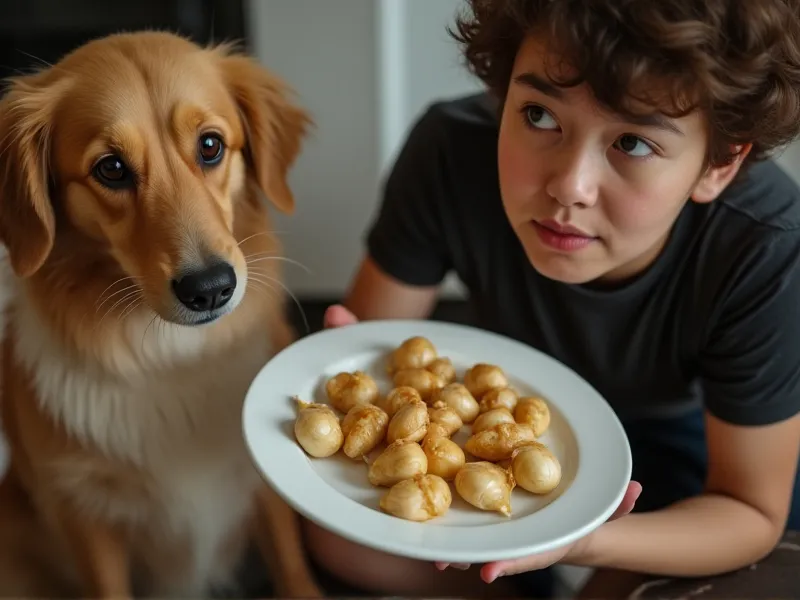
Table of Contents
- Can Dogs Eat Cooked Garlic? The Short Answer
- Garlic 101: What Makes It “Healthy” for Humans?
- The Toxic Truth: Why Garlic Is Dangerous for Dogs
- How Much Garlic Is Toxic to Dogs? (Spoiler: Less Than You Think)
- What to Do If Your Dog Eats Garlic
- Healthier Alternatives to Garlic for Dogs
- FAQ: Your Garlic Questions Answered
- Conclusion: Prioritizing Your Dog’s Safety
1. Can Dogs Eat Cooked Garlic? The Short Answer
No, cooked garlic is not safe for dogs.
Even small amounts of cooked garlic can be toxic to dogs, and there’s no “safe” threshold. While garlic is a staple in human diets (loaded with antioxidants and vitamins), dogs process certain compounds in garlic differently than we do—compounds that can damage their red blood cells and lead to serious illness, or even death, in severe cases.
This might feel counterintuitive. After all, garlic is natural, and humans have used it for centuries for its health benefits. But when it comes to dogs, “natural” doesn’t always mean “safe.” Let’s unpack why.
2. Garlic 101: What Makes It “Healthy” for Humans?
To understand why garlic is risky for dogs, let’s first look at why we love it. Garlic belongs to the Allium family, which includes onions, leeks, chives, and shallots. For humans, it’s a nutritional powerhouse:
- Vitamins & Minerals: Garlic is rich in vitamin C (supports immunity), vitamin B6 (aids brain function), and manganese (important for bone health).
- Antioxidants: Compounds like allicin (which gives garlic its pungent smell) have anti-inflammatory and antibacterial properties.
- Heart Health: Studies suggest garlic may help lower blood pressure and cholesterol in humans.
- Fiber & Potassium: A small amount adds fiber (supports digestion) and potassium (regulates heart rhythm).
But here’s the catch: Dogs don’t need garlic to get these nutrients. High-quality dog food is formulated to provide all the vitamins, minerals, and antioxidants your pup needs. And while garlic’s benefits sound impressive, the risks to dogs far outweigh any potential upside.
3. The Toxic Truth: Why Garlic Is Dangerous for Dogs
The danger lies in a group of compounds called thiosulfates, found in all Allium vegetables. Humans can digest thiosulfates without issue, but dogs cannot. When dogs eat garlic, their bodies struggle to break down these compounds, leading to a cascade of harmful effects.
How Thiosulfates Harm Dogs
Here’s what happens step-by-step:
- Ingestion: When your dog eats garlic (cooked or raw), their stomach acid activates an enzyme called alliinase, which converts a compound called alliin into allicin (the same compound that makes garlic smell strong).
- Breakdown: Allicin then breaks down into other sulfur compounds, including thiosulfates.
- Red Blood Cell Damage: Thiosulfates attach to a dog’s red blood cells, causing them to rupture or clump together. This is called hemolytic anemia—a condition where the body can’t carry oxygen properly.
- Symptoms: Over time (sometimes 2–5 days after ingestion), this damage leads to symptoms like weakness, lethargy, pale gums, rapid breathing, vomiting, diarrhea, or dark urine. In severe cases, it can cause organ failure or death.
Cooked vs. Raw Garlic: Is One Safer?
You might wonder, “If cooking breaks down some compounds, is cooked garlic safer than raw?” Unfortunately, no. Cooking can reduce the concentration of allicin slightly, but it does not eliminate thiosulfates. In fact, some forms of garlic—like garlic powder or aged garlic—are more concentrated and thus more toxic than fresh garlic.
The bottom line: Whether it’s raw, roasted, minced, or powdered, garlic is risky for dogs.
4. How Much Garlic Is Toxic to Dogs? (Spoiler: Less Than You Think)
One of the scariest things about garlic toxicity is how little it takes to harm a dog. The toxic dose depends on your dog’s size, but even small amounts can add up—especially if garlic is fed regularly (e.g., sprinkled on food over time).
According to the Pet Poison Helpline, garlic is approximately 5 times more toxic to dogs than onions. For onions, the toxic dose is about 1 gram per 5 pounds of body weight. For garlic, that means:
- Toxic Dose: As little as 0.2 grams per pound of body weight (about 1 clove for a 30-pound dog) can cause harmful effects.
- Lethal Dose: In severe cases, 1 gram per pound of body weight (about 5 cloves for a 30-pound dog) can be fatal.
To put that in perspective: A single clove of garlic weighs about 3–5 grams. For a 10-pound dog (like a Chihuahua or Yorkie), just 2 grams (less than a clove) could cause toxicity. For a 60-pound dog (like a Golden Retriever), 12 grams (about 3 cloves) could be dangerous.
Even “trace amounts” matter. If you regularly add a sprinkle of garlic powder to your dog’s food, the thiosulfates can build up over time, leading to chronic anemia.
5. What to Do If Your Dog Eats Garlic
If you suspect your dog ate garlic—whether a clove, a sprinkle of powder, or a dish with garlic—don’t panic, but act quickly. Here’s what to do:
Step 1: Assess the Situation
- How much did they eat? Note the form (fresh, cooked, powder) and approximate amount.
- When did they eat it? Symptoms can take 2–5 days to appear, so even if your dog seems fine now, monitor them closely.
Step 2: Contact Your Vet or Pet Poison Helpline
Call your veterinarian immediately, or reach out to the ASPCA Animal Poison Control Center (888-426-4435) or Pet Poison Helpline (855-764-7661). Provide details about your dog’s weight, the amount/type of garlic eaten, and when it happened.
Step 3: Follow Professional Advice
- Inducing Vomiting: If the ingestion was within the last 1–2 hours, your vet may recommend inducing vomiting (do NOT do this without their guidance—some substances can cause more harm when vomited).
- Activated Charcoal: This may be given to absorb toxins in the stomach.
- Blood Tests: Your vet may run blood work to check for anemia (low red blood cell count) or other issues.
- Treatment: Severe cases may require hospitalization, IV fluids, or blood transfusions.
Never wait for symptoms to appear—by the time you notice lethargy or pale gums, the damage may already be done. Early intervention is key!
6. Healthier Alternatives to Garlic for Dogs
If you love adding flavor or nutrients to your dog’s meals, skip the garlic and try these safe, tasty alternatives instead:
1. Fresh Herbs (Safe & Flavorful)
- Parsley: Adds a fresh, grassy taste and is rich in vitamins A, C, and K. It also helps freshen breath!
- Basil: A small sprinkle adds a sweet, aromatic flavor and contains antioxidants.
- Oregano: A pinch adds a savory kick and has antibacterial properties (in moderation).
2. Veggies (Crunchy & Nutritious)
- Carrots: Crunchy, low-calorie, and packed with beta-carotene (supports eye health).
- Sweet Potatoes: Cooked and mashed, they add natural sweetness and fiber (great for digestion).
- Green Beans: Steamed or raw, they’re a low-fat snack rich in vitamins A, C, and K.
3. Spices (In Moderation)
- Turmeric: A little turmeric (with a dash of black pepper to boost absorption) has anti-inflammatory benefits. Check with your vet for dosage.
- Ginger: A tiny amount can soothe an upset stomach (e.g., ¼ teaspoon for small dogs, ½ teaspoon for large dogs).
4. Commercial Dog Food Toppers
If you want to enhance flavor without the risk, try dog-safe toppers like bone broth (low-sodium), freeze-dried meat, or pumpkin puree (unsweetened). These are formulated to be safe and tasty for dogs.
7. FAQ: Your Garlic Questions Answered
Q: “My dog stole a small piece of garlic bread—should I panic?”
A: Don’t panic, but monitor them closely. A tiny bite (e.g., a crumb with a speck of garlic) is unlikely to cause harm, but a larger piece (with a clove or more) could be risky. Call your vet to share the details (dog’s weight, amount eaten) and follow their advice.
Q: “I’ve been adding a ‘tiny bit’ of garlic to my dog’s food for years, and they’re fine. Is it really that bad?”
A: Chronic, small doses can lead to cumulative toxicity. Thiosulfates build up over time, and damage may not show up until it’s severe. Just because your dog hasn’t shown symptoms yet doesn’t mean they’re safe. Stop adding garlic and mention it to your vet at their next checkup.
Q: “Is garlic powder safer than fresh garlic?”
A: No—in fact, it’s more concentrated. A teaspoon of garlic powder is equivalent to about 8–10 cloves of fresh garlic. Even a pinch can be dangerous for small dogs.
Q: “What if my dog eats cooked onions or leeks—are those as bad as garlic?”
A: Yes! All Allium vegetables (onions, leeks, chives, shallots) contain thiosulfates and are toxic to dogs. Onions are less potent than garlic, but they’re still dangerous.
Q: “Are there any dog breeds more sensitive to garlic than others?”
A: All dogs are at risk, but smaller breeds (due to their lower body weight) and dogs with pre-existing conditions (like anemia or kidney disease) may be more vulnerable.
8. Conclusion: Prioritizing Your Dog’s Safety
At the end of the day, the question of whether dogs can eat cooked garlic has a clear answer: No. While garlic offers benefits for humans, its risks to dogs—hemolytic anemia, organ damage, and even death—are too great to ignore.
As pet parents, we want the best for our dogs, and that means being cautious about what we feed them. Instead of garlic, opt for the safe, tasty alternatives we shared—your pup will love the flavor, and you’ll have peace of mind knowing their meal is both delicious and healthy.
If you ever have questions about a food’s safety, always err on the side of caution and consult your vet. They know your dog’s unique needs and can guide you toward the best choices.
Here’s to happy, healthy meals for your favorite fur baby!
References
- American Society for the Prevention of Cruelty to Animals (ASPCA). “Onions, Garlic, Chives, and Leeks.” aspca.org/pet-care/animal-poison-control/onions-garlic-chives-leeks
- Pet Poison Helpline. “Allium Species (Onion, Garlic, Chives, Leeks, Shallots).” petpoisonhelpline.com/poison/onion-garlic-chives-leeks-shallots
- VCA Hospitals. “Onion and Garlic Poisoning in Dogs.” vcahospitals.com/know-your-pet/onion-and-garlic-poisoning-in-dogs
- American Kennel Club (AKC). “Can Dogs Eat Garlic?” akc.org/expert-advice/health/can-dogs-eat-garlic