· 8 min read
Can Dogs Eat Cooked Fat Trimmings? What Pet Parents Need to Know
It’s a familiar scene: You’re standing at the stove, searing a steak or crisping up bacon for breakfast, and there’s your dog—tail thumping, nose twitching, those big, soulful eyes locked on the pan. As you trim off the excess fat and toss it into a bowl, you can almost hear their silent plea: “Is that for me?” It’s hard to resist sharing a little “scrap” with your hungry pup, especially when they look so eager. But before you hand over that cooked fat trimming, you might wonder: Is it safe?
Dogs and humans have different digestive systems, and what’s harmless (or even tasty) for us can be dangerous for them. In this post, we’ll dive into the question of whether cooked fat trimmings are a okay treat for your dog, break down the risks and (spoiler: minimal) benefits, and share healthier alternatives to keep their tail wagging and their belly happy.
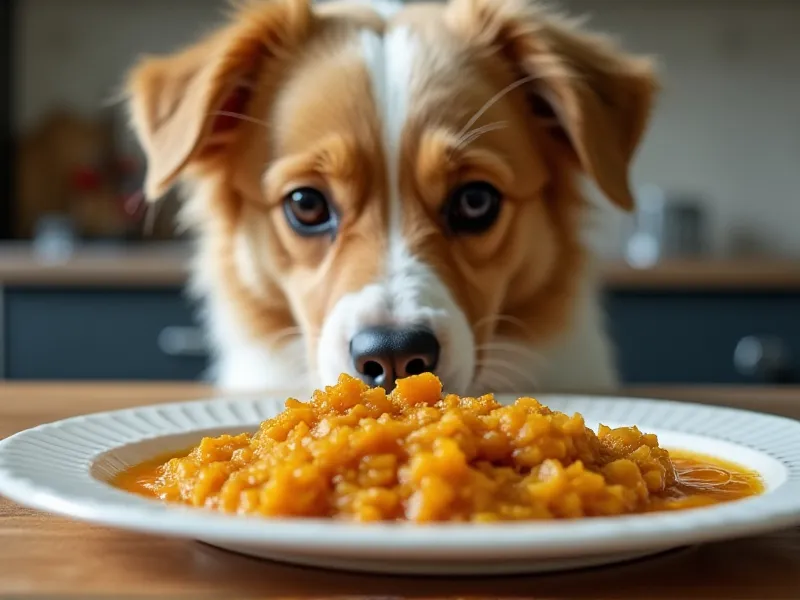
Table of Contents
- Can Dogs Eat Cooked Fat Trimmings? The Short Answer
- What Are Cooked Fat Trimmings, Anyway?
- The Risks: Why Cooked Fat Trimmings Are Dangerous for Dogs
- Are There Any Benefits to Feeding Cooked Fat Trimmings?
- How Much (If Any) Cooked Fat Trimmings Can Dogs Safely Eat?
- Healthier Alternatives to Cooked Fat Trimmings
- FAQ: Your Top Questions Answered
- Conclusion: Prioritize Your Dog’s Health
Can Dogs Eat Cooked Fat Trimmings? The Short Answer
No, dogs should not eat cooked fat trimmings. While a tiny, accidental bite might not cause immediate harm, cooked fat trimmings are high in unhealthy fats and pose serious risks to your dog’s health, including pancreatitis, stomach upset, and obesity. It’s best to avoid feeding them to your dog altogether.
What Are Cooked Fat Trimmings, Anyway?
Cooked fat trimmings are the excess fat cut off from meats (like beef, pork, or lamb) before or after cooking. Think: the crispy edges of bacon, the glob of grease left in the pan after frying chicken, or the soft, white fat trimmed from a steak. They’re often salty, greasy, and (to humans) delicious—but for dogs, they’re a recipe for trouble.
Common examples include:
- Bacon grease or fat
- Fat from burgers, steaks, or roasts
- Grease from frying chicken, turkey, or pork chops
- Crispy pork rinds (a type of fried fat)
The Risks: Why Cooked Fat Trimmings Are Dangerous for Dogs
Let’s get real: Dogs love fat. It’s calorie-dense and smells amazing to their sensitive noses. But that doesn’t mean it’s good for them. Here’s why cooked fat trimmings are a no-go:
Pancreatitis: The Most Serious Risk
The biggest danger of feeding cooked fat trimmings to dogs is pancreatitis—a painful, potentially life-threatening inflammation of the pancreas. The pancreas produces enzymes that help digest food, but when a dog eats a high-fat meal, the pancreas can go into overdrive, releasing enzymes prematurely. These enzymes attack the pancreas itself, causing swelling, pain, and tissue damage.
Symptoms of pancreatitis include:
- Vomiting (sometimes with bile)
- Diarrhea (may be bloody)
- Loss of appetite
- Lethargy or weakness
- Abdominal pain (your dog may hunch over or avoid being touched)
- Fever
Pancreatitis requires immediate veterinary care. Severe cases can lead to organ failure, infection, or even death. According to the American Veterinary Medical Association (AVMA), high-fat diets are one of the top triggers for pancreatitis in dogs. Small breeds (like Yorkies or Miniature Schnauzers), overweight dogs, and middle-aged to senior dogs are especially at risk.
Stomach Upset and Digestive Issues
Even if pancreatitis doesn’t develop, cooked fat trimmings can wreak havoc on your dog’s digestive system. Dogs’ bodies aren’t designed to process large amounts of fat, so a bite of greasy trimmings can lead to:
- Vomiting
- Diarrhea (often watery or oily)
- Gas or bloating
- Abdominal discomfort
These symptoms can range from mild (a few hours of upset) to severe (dehydration from persistent vomiting/diarrhea). For dogs with sensitive stomachs (like Bulldogs or Boxers), even a small amount of fat can trigger issues.
Obesity and Related Health Problems
Fat is calorie-dense: A single tablespoon of bacon grease has about 120 calories—nearly 10% of the daily calorie needs of a 20-pound dog! Feeding cooked fat trimmings regularly (or even occasionally) adds empty calories to your dog’s diet, leading to weight gain.
Obesity in dogs raises the risk of:
- Diabetes
- Joint pain (arthritis)
- Heart disease
- Respiratory issues
- Reduced lifespan (obese dogs live 2.5 years less, on average, than healthy-weight dogs, per Banfield Pet Hospital).
Choking and Blockage Hazards
Cooked fat trimmings can be slippery, chewy, or crispy—all of which make them a choking risk, especially for small dogs or dogs who gulp their food. If a chunk of fat gets stuck in their throat, it can block their airway.
Even if they swallow it, large pieces of fat can cause intestinal blockages. Fat is slow to digest, and hard, crispy bits (like fried bacon fat) can get stuck in the intestines, leading to severe pain, vomiting, and the need for surgery to remove the blockage.
Hidden Dangers: Seasonings and Additives
Many cooked fat trimmings come with extra ingredients that are toxic to dogs. For example:
- Bacon grease is often salty, and too much salt can cause sodium ion poisoning (symptoms: vomiting, diarrhea, seizures, even death).
- Fat from seasoned meats (like roasts with garlic, onion, or herbs) may contain garlic or onion powder—both of which are toxic to dogs and can damage red blood cells.
- Fried fats (like from炸鸡或薯条) may be cooked in oils with additives or preservatives that irritate your dog’s stomach.
Are There Any Benefits to Feeding Cooked Fat Trimmings?
You might be thinking, “But fat is a nutrient, right? Don’t dogs need fat in their diet?” It’s true: Dogs do need healthy fats (like omega-3s from fish oil or chicken fat in high-quality dog food) for energy, healthy skin, and coat. But cooked fat trimmings are not a source of “good” fat.
Cooked fat trimmings are:
- High in saturated fat: Linked to heart disease and obesity in dogs.
- Low in nutrients: They have no fiber, vitamins, or minerals—just empty calories.
- Unbalanced: Dogs need a mix of protein, fat, carbs, and nutrients to thrive; fat trimmings offer none of that balance.
In short: There are no meaningful benefits to feeding cooked fat trimmings to your dog. Any “energy boost” they might get is far outweighed by the risks.
How Much (If Any) Cooked Fat Trimmings Can Dogs Safely Eat?
The safest answer: None. Even a small amount (like a teaspoon of bacon grease) can trigger pancreatitis in sensitive dogs. For example, a 10-pound Chihuahua only needs about 300 calories per day—so a teaspoon of bacon grease (40 calories) is 13% of their daily intake!
If your dog accidentally steals a tiny bite (like a crumb of steak fat), monitor them for 24 hours. If they show symptoms of upset (vomiting, diarrhea, lethargy), call your vet. For larger amounts (a handful of trimmings), contact your vet immediately—pancreatitis can develop within 12–24 hours.
Healthier Alternatives to Cooked Fat Trimmings
Instead of risky fat trimmings, treat your dog to these safe, nutrient-packed alternatives:
Lean Proteins
- Plain cooked chicken or turkey breast: No skin, bones, or seasoning. High in protein and easy to digest.
- Boiled beef (lean): Trimmed of all fat, cooked without salt or spices.
- Canned tuna or salmon (in water): A little goes a long way—rich in omega-3s for healthy skin and coat.
Veggies (Safe and Crunchy!)
- Carrots: Low-calorie, high in fiber and vitamin A.
- Green beans: Fresh or steamed (no salt). A great low-fat snack for weight management.
- Pumpkin (plain, canned): High in fiber, helps with digestion (but skip the pie filling with sugar!).
Fruits (In Moderation)
- Blueberries: Packed with antioxidants.
- Apples (sliced, no seeds): Crunchy and full of fiber.
- Bananas: A sweet treat with potassium (limit to 1–2 slices per day for small dogs).
Commercial Treats
Look for dog treats labeled “low-fat” or “lean,” with whole-food ingredients (like chicken, sweet potato, or oats). Avoid treats with added fats, salt, or artificial flavors.
FAQ: Your Top Questions Answered
Q: Can dogs eat bacon fat?
A: No. Bacon fat is high in salt, saturated fat, and often contains preservatives (like nitrates) that are harmful to dogs. It’s one of the most common triggers for pancreatitis.
Q: My dog has eaten cooked fat trimmings before and was fine—does that mean it’s safe?
A: Not necessarily. Some dogs may tolerate small amounts once, but repeated exposure increases the risk of pancreatitis or obesity. Think of it like smoking: One cigarette might not hurt, but long-term use causes harm.
Q: Is raw fat safer than cooked fat for dogs?
A: No. Raw fat (like from raw meat trimmings) can contain bacteria (E. coli, Salmonella) that make dogs sick. It also still poses pancreatitis and choking risks.
Q: What if my dog is overweight—can they have any treats?
A: Yes! Opt for low-calorie options like green beans, carrots, or air-popped popcorn (no butter/salt). Check with your vet for a weight-loss plan tailored to your dog.
Conclusion: Prioritize Your Dog’s Health
It’s hard to say “no” to those puppy eyes, but when it comes to cooked fat trimmings, the risks far outweigh the momentary joy of sharing a snack. Pancreatitis, stomach upset, and obesity are painful, preventable conditions—and avoiding fat trimmings is an easy way to protect your dog.
Instead, reach for the healthier alternatives we shared: lean meats, veggies, or fruits. And when in doubt, always check with your vet before introducing new foods to your dog’s diet. They know your dog’s unique health history (like breed, age, or existing conditions) and can give personalized advice.
Your dog’s tail will wag just as hard for a carrot stick as it would for a greasy fat trimming—and you’ll both sleep better knowing they’re happy, healthy, and safe.
References
- American Veterinary Medical Association (AVMA). (2023). Pancreatitis in Dogs. avma.org/resources/pet-owners/petcare/pancreatitis-dogs
- Banfield Pet Hospital. (2022). Obesity in Pets: Facts, Risks, and Solutions. banfield.com/pet-healthcare/additional-resources/obesity-in-pets
- ASPCA. (2023). People Foods to Avoid Feeding Your Pets. aspca.org/pet-care/animal-poison-control/people-foods-avoid-feeding-your-pets
- VCA Animal Hospitals. (2023). Pancreatitis in Dogs. vcahospitals.com/know-your-pet/pancreatitis-in-dogs