· 8 min read
Can Dogs Eat Cooked Chicken Liver? The Ultimate Guide for Pet Parents
It’s a familiar scene: You’re enjoying a cozy dinner at home, fork hovering over a plate of sautéed chicken liver (a nutrient-packed favorite for many humans), when suddenly, you feel a pair of eyes burning into you. Your dog sits perfectly still, tail thumping a rapid rhythm, nose twitching at the savory aroma. “Just a tiny bite?” you think. “Surely this can’t hurt, right?”
If you’ve ever found yourself wondering whether cooked chicken liver is safe for your pup, you’re not alone. Liver is often hailed as a “superfood” for its dense nutrient profile, but when it comes to our four-legged friends, not all human foods translate well. Dogs have unique dietary needs, and what’s healthy for us might not always be safe for them—even in small doses.
In this guide, we’ll answer the big question: Can dogs eat cooked chicken liver? We’ll break down the benefits, risks, portion guidelines, and even healthier alternatives to ensure you make the best choice for your furry companion. Let’s dive in!
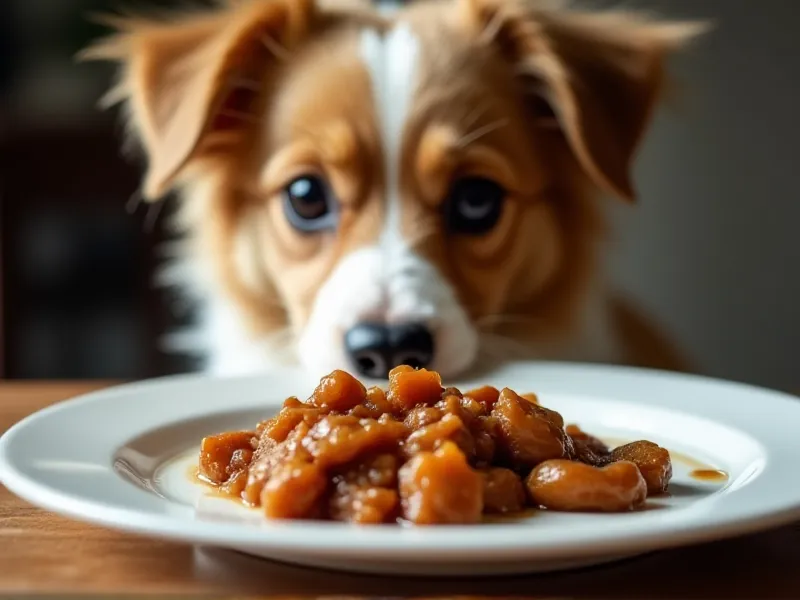
Table of Contents
- Can Dogs Eat Cooked Chicken Liver? The Short Answer
- The Nutritional Benefits of Cooked Chicken Liver for Dogs
- The Risks: When Liver Becomes a Problem
- How Much Cooked Chicken Liver Can Dogs Safely Eat?
- Healthier Alternatives (or Tasty Variations) to Chicken Liver
- FAQ: Your Burning Questions Answered
- Conclusion: Liver as a Treat, Not a Staple
Can Dogs Eat Cooked Chicken Liver? The Short Answer
Yes, dogs can eat cooked chicken liver—but only in moderation.
Chicken liver is a nutrient-dense food rich in vitamins, minerals, and protein, making it a healthy occasional treat for most dogs. However, due to its high concentration of certain vitamins (like vitamin A), overfeeding can lead to serious health issues. Think of it as a “superfood snack” rather than a regular meal addition.
The Nutritional Benefits of Cooked Chicken Liver for Dogs
Liver is often called “nature’s multivitamin,” and for good reason. When fed in small, controlled amounts, cooked chicken liver offers a host of benefits for your pup:
1. Vitamin A: For Sharp Vision and a Shiny Coat
Chicken liver is loaded with vitamin A, an essential nutrient for dogs. Vitamin A supports:
- Eye health: It helps maintain clear vision and prevents conditions like night blindness.
- Immune function: Boosts your dog’s ability to fight off infections.
- Skin and coat health: Keeps fur soft, shiny, and dandruff-free.
Fun fact: A single tablespoon of cooked chicken liver contains roughly 14,000 IU of vitamin A—more than the daily requirement for a 30-pound dog!
2. Iron: Oxygen for Every Cell
Iron is critical for red blood cell production, which carries oxygen throughout your dog’s body. Low iron can lead to fatigue or anemia, especially in growing puppies or senior dogs. Liver is one of the best natural sources of heme iron (the type most easily absorbed by the body), making it a great addition to support their energy levels.
3. B Vitamins: The Energy Boosters
Liver is a powerhouse of B vitamins, including B12, folate (B9), and riboflavin (B2). These vitamins:
- B12: Supports brain function and nerve health, keeping your dog alert and active.
- Folate: Aids in cell repair and growth, crucial for puppies and pregnant dogs.
- Riboflavin: Converts food into energy, so your pup has the zoomies (or calm cuddles) they need.
4. Protein: Building Blocks for Strong Muscles
Chicken liver is a lean source of high-quality protein, with about 7 grams of protein per 1-ounce serving. Protein is essential for muscle maintenance, tissue repair, and overall growth—perfect for active dogs, working breeds, or dogs recovering from illness.
5. Zinc and Copper: For a Healthy Heart and Metabolism
These trace minerals play key roles in:
- Zinc: Supports immune function and wound healing.
- Copper: Aids in red blood cell formation and collagen production (for healthy joints and skin).
The Risks: When Liver Becomes a Problem
While liver is nutrient-dense, “too much of a good thing” applies here. Overfeeding cooked chicken liver can lead to health issues, so it’s critical to stick to moderation. Here’s what to watch for:
1. Vitamin A Toxicity (Hypervitaminosis A)
Vitamin A is a fat-soluble vitamin, meaning your dog’s body stores excess amounts in the liver and fat cells. Over time, this buildup can cause hypervitaminosis A—a rare but serious condition. Symptoms include:
- Lethargy or weakness
- Joint pain or stiffness (due to calcium deposits in bones)
- Loss of appetite
- Vomiting or diarrhea
- Dry, flaky skin
Why this happens: Dogs need about 2,000–3,000 IU of vitamin A per day (depending on size). A single ounce of chicken liver has ~42,000 IU—way more than their daily needs!
2. Stomach Upset (Diarrhea or Vomiting)
Liver is rich and fatty (even when cooked), which can upset sensitive stomachs. If your dog eats too much liver in one sitting, they may experience loose stools, vomiting, or gas. This is especially common in small dogs, puppies, or dogs with digestive issues like IBS.
3. Choking Hazard (If Not Prepared Properly)
Liver is soft, but large chunks can still pose a choking risk, especially for small breeds (think Chihuahuas or Yorkies) or dogs who gulp their food. Always chop liver into tiny, bite-sized pieces before feeding.
4. Contaminants (If Undercooked)
Raw liver carries risks of bacterial contamination (like Salmonella or E. coli), which can make both you and your dog sick. Cooking liver thoroughly (to an internal temperature of 165°F/74°C) kills these pathogens, so never feed raw liver unless advised by a vet (e.g., for specific raw diet protocols).
How Much Cooked Chicken Liver Can Dogs Safely Eat?
The key here is portion control. Liver should make up no more than 5–10% of your dog’s weekly calories. Here’s a general guide based on your dog’s weight:
| Dog Size | Weight | Safe Portion (Cooked Chicken Liver) | Frequency |
|---|---|---|---|
| Small (e.g., Chihuahua, Shih Tzu) | 5–15 lbs | 1–2 teaspoons | 2–3 times per week |
| Medium (e.g., Beagle, Cocker Spaniel) | 20–40 lbs | 1–2 tablespoons | 2–3 times per week |
| Large (e.g., Labrador, German Shepherd) | 50–80 lbs | 2–3 tablespoons | 2–3 times per week |
| Giant (e.g., Great Dane, Mastiff) | 90+ lbs | ¼ cup (4 tablespoons) | 2–3 times per week |
Pro Tips for Feeding Liver Safely:
- Cook it plain: Avoid adding butter, oil, salt, garlic, or onions—these can be toxic to dogs (garlic and onions damage red blood cells).
- Chop it small: Dice into pea-sized pieces to prevent choking.
- Mix with kibble: Stir a tiny portion into their regular food to add flavor without overdoing it.
- Skip if they have health issues: Dogs with liver disease, kidney problems, or vitamin A sensitivities should avoid liver—ask your vet first.
Healthier Alternatives (or Tasty Variations) to Chicken Liver
If you want to mix up your dog’s treats (or liver isn’t their favorite), these alternatives offer similar nutrients with lower risks:
1. Turkey Liver
Turkey liver has a similar nutrient profile to chicken liver but is slightly lower in vitamin A, making it gentler for dogs prone to stomach upset. Follow the same portion guidelines as chicken liver.
2. Beef Liver
Beef liver is even more nutrient-dense than chicken liver (higher in iron and B12!) but also has more vitamin A—so stricter portion control is a must. Stick to ½ the portion size you’d use for chicken liver (e.g., 1 teaspoon for small dogs).
3. Lean Meats (Chicken Breast, Turkey, or Lean Beef)
If you want to avoid liver altogether, lean proteins like skinless chicken breast or turkey are safe, low-fat options. They’re high in protein but lower in vitamins (so pair with veggies like carrots or green beans for balance).
4. Commercial Dog Treats with Liver
Many high-quality dog treats use liver as an ingredient (e.g., freeze-dried liver bits). These are pre-portioned and balanced, so you don’t have to worry about overfeeding. Look for brands with no added salt, sugar, or preservatives (e.g., Zuke’s, Wellness Core).
FAQ: Your Burning Questions Answered
Q: Can puppies eat cooked chicken liver?
A: Yes! Puppies need extra nutrients for growth, and liver can be a healthy treat. Stick to smaller portions (e.g., ½ teaspoon for a 10-lb puppy) and introduce it slowly to avoid stomach upset.
Q: Is raw chicken liver better for dogs than cooked?
A: No. Raw liver carries a high risk of bacterial infection (Salmonella, E. coli) and parasites (like tapeworms). Cooking liver kills these pathogens, making it safer for your dog (and you—you won’t accidentally ingest bacteria while preparing it!).
Q: My dog ate a whole bowl of cooked liver! What should I do?
A: Don’t panic, but monitor them closely. Symptoms of overfeeding (vomiting, diarrhea, lethargy) usually show up within 12–24 hours. If they’re acting normal, skip their next meal to let their stomach rest. If symptoms appear, call your vet—they may recommend supportive care (like anti-nausea meds).
Q: Can I feed my dog liver every day?
A: No. Daily liver feeding leads to vitamin A buildup, which can cause long-term health issues (like joint damage). Stick to 2–3 times per week max.
Q: Are there dogs who should never eat liver?
A: Yes. Dogs with:
- Liver disease (their liver can’t process excess nutrients)
- Kidney disease (high protein may strain kidneys)
- Vitamin A toxicity (from previous overfeeding)
- Pancreatitis (fatty foods trigger inflammation)
Always ask your vet before feeding liver to dogs with health conditions.
Conclusion: Liver as a Treat, Not a Staple
Cooked chicken liver is a nutrient-packed, tasty treat for most dogs—when fed in moderation. Its vitamins and minerals support eye health, energy, and a shiny coat, but too much can lead to vitamin A toxicity or stomach upset.
Remember: A little goes a long way. Stick to the portion guidelines, cook it plain, and skip it if your dog has health issues. When in doubt, consult your vet—they’ll help you tailor treats to your pup’s unique needs.
Your dog’s liver (and their wagging tail) will thank you for the occasional, well-earned bite!
References
- American Kennel Club (AKC). “Can Dogs Eat Liver?” AKC.org.
- American Veterinary Medical Association (AVMA). “Pet Nutrition: What’s Best for Your Pet?” AVMA.org.
- PetMD. “Liver for Dogs: Benefits and Risks.” PetMD.com.
- Merck Veterinary Manual. “Hypervitaminosis A in Dogs.” MerckVetManual.com.