· 8 min read
Can Dogs Eat Cooked Chicken Bones? The Surprising Truth Every Pet Parent Needs to Know
It’s a familiar scene: You’re clearing the dinner table after a delicious roasted chicken, and your dog—tail thumping, eyes wide, nose twitching—stares up at you, begging for a scrap. In your hand, you hold a leftover chicken bone, and for a split second, you wonder: Is this safe to share? After all, dogs are “natural” carnivores, right? They must love bones! But before you toss that bone to your pup, let’s set the record straight: Cooked chicken bones and dogs are a dangerous combination.
In this post, we’ll dive into why cooked chicken bones pose serious risks, debunk common myths, and share safe alternatives to keep your furry friend happy and healthy. Whether you’re a new pet parent or a seasoned pro, this guide will help you make informed choices about what’s best for your dog’s diet.
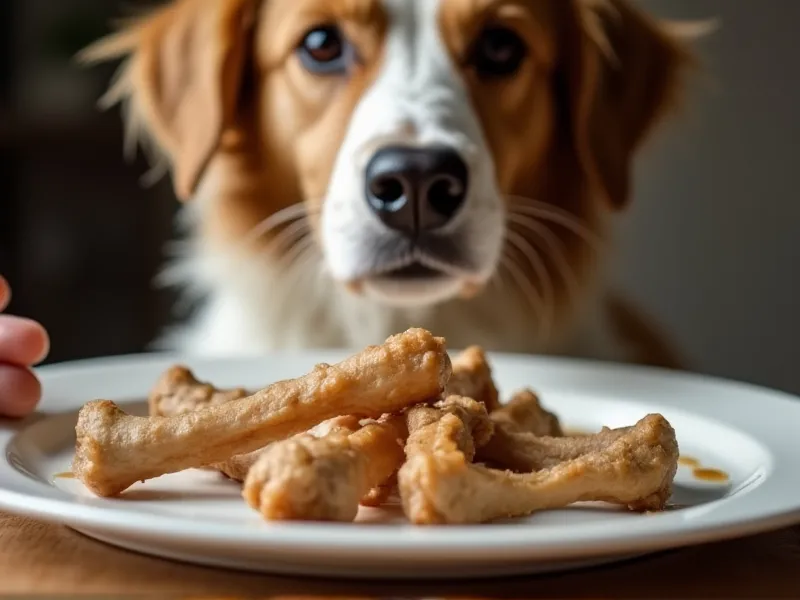
Table of Contents
- Can Dogs Eat Cooked Chicken Bones? The Short Answer
- Potential “Benefits” of Chicken Bones: Separating Fact from Fiction
- The Risks: Why Cooked Chicken Bones Are Never Safe
- How Much Cooked Chicken Bone Is “Safe”? Spoiler: None
- Healthier Alternatives to Cooked Chicken Bones
- FAQ: Your Most Pressing Questions Answered
- Conclusion: Prioritizing Your Dog’s Safety
Can Dogs Eat Cooked Chicken Bones? The Short Answer
No. Cooked chicken bones are not safe for dogs—even small pieces. While raw bones (when fed properly) can offer some benefits, cooking transforms chicken bones into a brittle, splinter-prone hazard that poses life-threatening risks to your pet.
You might be thinking, “But my grandma always gave her dog cooked bones, and he lived to be 15!” While some dogs may survive eating cooked bones, luck does not equal safety. The danger lies in the unpredictability: A single cooked bone could splinter, lodge in your dog’s throat, or tear their intestines—leading to expensive surgery or even death. Let’s break down why.
Potential “Benefits” of Chicken Bones: Separating Fact from Fiction
Before we dive into the risks, let’s address a common misconception: Do cooked chicken bones offer any nutritional value worth the danger? Some pet parents assume bones are a “natural” treat, rich in nutrients like calcium, fiber, or potassium. But here’s the truth:
- Cooking destroys nutrients and alters texture. Raw bones (from reputable sources) contain trace minerals like calcium and phosphorus, but cooking leaches moisture, making bones dry, brittle, and nutrient-poor. What’s left is a hard, sharp fragment with little to no nutritional benefit.
- Fiber and potassium? Not really. Chicken bones are mostly calcium phosphate and collagen; they lack significant fiber or potassium. Any “benefit” is negligible compared to the risks.
- Dental health myths. Some people think bones clean teeth, but cooked bones are too hard—they can scratch enamel or break teeth, whereas softer alternatives (like carrots or dental chews) are safer for oral care.
In short: The idea that cooked chicken bones are a “healthy” treat is a myth. The risks far outweigh any potential upsides.
The Risks: Why Cooked Chicken Bones Are Never Safe
Cooked chicken bones are dangerous for one critical reason: they splinter. When heated, chicken bones lose moisture and become brittle, shattering into sharp, needle-like fragments when chewed. These fragments can cause a cascade of life-threatening issues:
1. Choking Hazard
Even small cooked chicken bones can get stuck in your dog’s throat, blocking their airway. Signs of choking include pawing at the mouth, gagging, wheezing, or blue-tinged gums. Without immediate intervention, this can be fatal.
2. Splintering: Internal Tears and Perforations
Sharp splinters can slice through your dog’s mouth, tongue, or gums—causing pain, bleeding, or infection. Worse, if swallowed, they can tear the esophagus, stomach, or intestines. Intestinal perforations (holes) are medical emergencies: They allow bacteria from the gut to leak into the abdomen, causing sepsis (a life-threatening infection).
3. Intestinal Blockages
If a bone fragment is too large to pass through the digestive tract, it can cause a blockage. Symptoms include vomiting, diarrhea, loss of appetite, lethargy, or constipation. Blockages often require surgery to remove and can be fatal if left untreated.
4. Bacterial Contamination
Cooked bones (even “well-done” ones) can harbor harmful bacteria like Salmonella or E. coli. These bacteria thrive on leftover meat scraps attached to bones, leading to vomiting, diarrhea, or kidney damage in dogs—and can even spread to humans (zoonotic risk).
Real-Life Example: A Vet’s Perspective
Dr. Sarah Wooten, a veterinary expert with Pumpkin Pet Insurance, notes: “I’ve treated countless dogs for cooked bone injuries. One case stands out: a golden retriever who ate a cooked chicken drumstick bone. The bone splintered, tearing her small intestine. She needed emergency surgery and a week of hospitalization—all because of a ‘harmless’ table scrap.”
How Much Cooked Chicken Bone Is “Safe”? Spoiler: None
You might be wondering, “What if I just give a tiny piece? My dog is small—surely a little bone won’t hurt?” Unfortunately, there’s no “safe” amount. Even a single splinter can cause disaster.
Why “My Dog Ate One Before and Was Fine” Isn’t a Defense
Many pet parents say, “My dog stole a cooked bone once, and nothing happened!” While your dog may have survived, that doesn’t mean it was safe. Splinters can lodge in the gut for days or weeks before causing symptoms (like infection or blockage). Or, they might pass through but leave tiny tears that lead to chronic issues later.
Veterinarians caution: “Survival doesn’t equal safety. It’s like playing Russian roulette with your dog’s health.”
Healthier Alternatives to Cooked Chicken Bones
If you want to treat your dog to a tasty, safe snack, skip the cooked bones and try these alternatives instead:
1. Boneless Cooked Chicken
Why it’s great: Lean, protein-rich, and easy to digest. Remove all skin and bones, then dice into small pieces. Serve plain (no seasoning!) as a treat or mixed into their regular food.
Pro tip: Freeze small portions for a cool summer snack.
2. Raw, Meaty Bones (With Caution!)
Raw bones (like chicken necks, wings, or backs from human-grade sources) are softer and more flexible than cooked ones, making them less likely to splinter. They also provide calcium and mental stimulation.
Safety rules:
- Choose bones appropriate for your dog’s size (e.g., chicken necks for small dogs, turkey necks for large breeds).
- Supervise your dog while they chew—never leave them unattended.
- Avoid weight-bearing bones (like beef femurs), which are too hard and can break teeth.
- Talk to your vet first if your dog has dental issues, pancreatitis, or a history of digestive problems.
3. Dental Chews
Look for veterinarian-recommended dental chews (like Greenies or Purina DentaLife) designed to clean teeth and freshen breath. These are softer than bones and break down safely in the gut.
4. Crunchy Vegetables
Carrots, celery, or cucumber slices are low-calorie, high-fiber, and great for chewing. They’re also rich in vitamins (like vitamin A in carrots) and help scrape plaque off teeth.
5. Commercial Treats
Opt for high-quality, grain-free treats made with real meat (no by-products!). Brands like Blue Buffalo or Wellness offer options tailored to your dog’s size, age, or dietary needs.
FAQ: Your Most Pressing Questions Answered
Q: My dog just ate a cooked chicken bone! What should I do?
A: Stay calm. Monitor your dog closely for 24–48 hours for symptoms like vomiting, diarrhea, lethargy, loss of appetite, or difficulty pooping. If you notice any of these, contact your vet immediately. Do NOT induce vomiting unless directed by a vet—this could push sharp splinters deeper into the throat or gut.
Q: Are raw chicken bones safe for dogs?
A: Raw bones are safer than cooked ones, but they’re not risk-free. They can carry bacteria (like Salmonella), so handle them with gloves and wash surfaces thoroughly. Only feed raw bones from reputable sources (e.g., local farms or pet stores), and supervise your dog to prevent choking.
Q: Can puppies eat cooked chicken bones?
A: Puppies have smaller, more delicate digestive systems, making cooked bones even riskier. Their jaws are also weaker, increasing the chance of breaking teeth or choking. Stick to puppy-safe treats like boneless chicken or soft kibble.
Q: What about other cooked bones, like beef or pork?
A: All cooked bones are dangerous. Pork bones are especially brittle, while beef bones (like ribs) can splinter or get stuck in the throat. Even “smoked” or “roasted” bones are off-limits—cooking, regardless of method, makes bones unsafe.
Q: Are there any bones that are safe for dogs?
A: Only raw, meaty bones (as discussed above) from trusted sources, and even then, with supervision. Avoid cooked, dried, or processed bones (like “bone treats” from stores—these are often cooked and pose the same risks).
Conclusion: Prioritizing Your Dog’s Safety
At the end of the day, sharing a cooked chicken bone with your dog might seem like a small, loving gesture—but the risk of injury or death is simply too high. While it’s tempting to spoil your pup with table scraps, their health and happiness depend on making safe choices.
When in doubt, opt for boneless chicken, crunchy veggies, or vet-approved treats. And if your dog ever sneaks a cooked bone, don’t panic—monitor them closely and call your vet if you notice any red flags.
Your dog’s wagging tail and healthy smile are worth more than any leftover bone. After all, they rely on you to keep them safe—and that’s the greatest treat of all.
References
- American Society for the Prevention of Cruelty to Animals (ASPCA). “People Foods to Avoid Feeding Your Pets.” aspca.org
- American Veterinary Medical Association (AVMA). “Pet Food Safety: Bones.” avma.org
- Wooten, Sarah. “The Dangers of Cooked Bones for Dogs.” Pumpkin Pet Insurance, 2023. pumpkin.care
- Tufts University Cummings School of Veterinary Medicine. “Raw Bones: Are They Safe for Dogs?” tuftscvm.org