· 8 min read
Can Dogs Eat Cooked Carrots? A Pet Parent’s Guide to Safe, Nutritious Treats
It’s a cozy weeknight, and you’re stirring a pot of roasted carrots—sweet, tender, and fragrant. Your dog, ever the opportunist, plops down at your feet, tail thumping a rapid rhythm. Those big, hopeful eyes lock onto your spoon, and you can almost hear the silent plea: “Share?” But before you toss them a bite, you pause. Is this vibrant veggie safe for your pup? Can dogs eat cooked carrots, or is this a human snack best kept off the doggy menu?
If you’ve ever wondered whether to include cooked carrots in your dog’s diet, you’re not alone. As pet parents, we want to spoil our fur babies with treats they’ll love—and that love them back, nutritionally speaking. In this guide, we’ll break down everything you need to know: the benefits, the risks, how much to feed, and even some tasty alternatives. Let’s dig in!
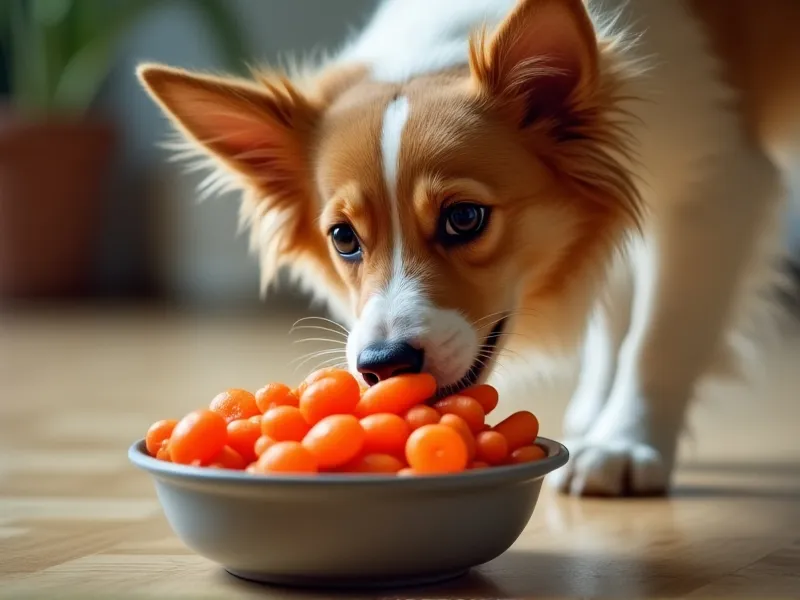
Table of Contents
- Can Dogs Eat Cooked Carrots? The Short Answer
- The Benefits of Cooked Carrots for Dogs
- Nutrient Powerhouse: Beta-Carotene & Vitamin A
- Fiber: A Friend to Digestion
- Potassium: Supporting Heart & Muscle Health
- Potential Risks to Watch For
- Natural Sugars: Too Much of a Good Thing?
- Stomach Upset: When Fiber Backfires
- Choking Hazards: Size and Texture Matter
- How Much Cooked Carrot Can Dogs Safely Eat?
- Healthier Alternatives (or Additions!) to Cooked Carrots
- FAQ: Your Cooked Carrot Questions Answered
- Conclusion: Moderation is Key
Can Dogs Eat Cooked Carrots? The Short Answer
Yes! Cooked carrots are generally safe and even beneficial for dogs—when fed in moderation.
Unlike some human foods (looking at you, chocolate or onions), carrots are non-toxic and packed with nutrients that can support your dog’s health. Whether steamed, roasted, or boiled (no added salt, butter, or seasonings, please!), cooked carrots make a low-calorie, crunchy treat that most dogs adore.
But as with any new food, it’s important to introduce them slowly and watch for signs of digestive upset. Let’s explore why carrots are a great addition to your dog’s treat rotation—and what to keep in mind to keep them safe.
The Benefits of Cooked Carrots for Dogs
Carrots aren’t just for rabbits—they’re a nutritional all-star for dogs, too. Here’s why adding a little cooked carrot to your pup’s diet can be a smart move:
1. Nutrient Powerhouse: Beta-Carotene & Vitamin A
Cooked carrots are rich in beta-carotene, an antioxidant that gives them their bright orange color. Once eaten, your dog’s body converts beta-carotene into vitamin A—a nutrient critical for:
- Eye health: Vitamin A supports clear vision, especially night vision, and helps prevent age-related eye issues.
- Skin and coat: It keeps your dog’s skin moisturized and their coat shiny (goodbye, dull fur!).
- Immune function: A strong immune system needs vitamin A to fight off infections and illnesses.
Unlike humans, dogs can’t overdose on beta-carotene (their bodies simply stop converting it to vitamin A if they have enough). This makes carrots a safer source of vitamin A than supplements, which can cause toxicity in high doses.
2. Fiber: A Friend to Digestion
Cooked carrots are loaded with dietary fiber, which is fantastic for your dog’s gut health. Fiber helps:
- Regulate bowel movements: If your dog struggles with constipation, a little fiber from carrots can add bulk to their stool and get things moving. For dogs with loose stools, fiber can help firm things up (win-win!).
- Keep them full: Fiber takes longer to digest, so carrots can help your dog feel satisfied without adding extra calories—great for pups watching their weight.
3. Potassium: Supporting Heart & Muscle Health
Potassium is an electrolyte that plays a big role in keeping your dog’s body running smoothly. It helps:
- Heart function: Potassium regulates heart rhythm and blood pressure.
- Muscle and nerve function: It supports healthy muscle contractions and proper nerve signaling.
Cooked carrots are a natural source of potassium, making them a heart-healthy treat option.
4. Low-Calorie, Crunchy Fun
Let’s not forget the basics: cooked carrots are low in calories (about 25 calories per medium carrot) and crunchy (even when soft!). This makes them a great alternative to high-calorie store-bought treats, especially for dogs on a diet. The crunch also helps scrape plaque off your dog’s teeth, promoting better dental health (think: nature’s toothbrush!).
Potential Risks to Watch For
While cooked carrots are generally safe, there are a few risks to keep in mind to ensure your pup stays happy and healthy:
1. Natural Sugars: Too Much of a Good Thing
Carrots contain natural sugars (about 4 grams per medium carrot). While this is less than, say, a banana, feeding your dog too many carrots can lead to:
- Weight gain: Extra sugar = extra calories, which can add up over time.
- Dental issues: Sugar (even natural) can contribute to plaque buildup if your dog eats carrots excessively and doesn’t get regular teeth cleanings.
Stick to small portions to avoid turning a healthy treat into a sugar bomb.
2. Stomach Upset: Fiber Overload
Fiber is great—until it’s not. If your dog eats a large amount of cooked carrots (especially if they’re not used to high-fiber foods), they may experience:
- Gas
- Bloating
- Diarrhea
Start with tiny amounts (a few pieces) and gradually increase if your dog tolerates them well.
3. Choking Hazards: Size and Texture Matter
Cooked carrots are soft, but they can still pose a choking risk if not prepared properly. Never feed your dog whole carrots—cooked or raw. Instead:
- Chop them into small, bite-sized pieces: Think pea-sized for small dogs, dime-sized for medium dogs, and quarter-sized for large dogs.
- Mash them (for puppies, senior dogs, or dogs with dental issues): Mashed carrots are easier to chew and digest.
Avoid feeding carrot tops, too—they’re not toxic, but they’re tough and can cause choking or stomach irritation.
How Much Cooked Carrot Can Dogs Safely Eat?
The golden rule for treats: They should make up no more than 10% of your dog’s daily calories. For cooked carrots, this translates to:
| Dog Size | Daily Cooked Carrot Limit | Example |
|---|---|---|
| Small (under 20 lbs) | 1–2 tablespoons | A few pea-sized pieces |
| Medium (20–50 lbs) | 2–3 tablespoons | A handful of dime-sized pieces |
| Large (50+ lbs) | 3–4 tablespoons | A small cup of quarter-sized pieces |
Pro tip: Adjust based on your dog’s activity level and diet. If they’re already getting other treats (like dental chews or kibble toppers), cut back on carrots to stay within the 10% rule.
Healthier Alternatives (or Additions!) to Cooked Carrots
Love the idea of veggies for your dog but want to mix things up? Here are some other safe, nutrient-dense options to rotate with cooked carrots:
1. Steamed Broccoli
Broccoli is rich in vitamin C, fiber, and antioxidants. Serve small florets (steamed, no salt) to avoid stomach upset (too much can cause gas).
2. Green Beans
Low in calories and high in fiber, green beans are a perfect weight-loss treat. Steam or boil them (no butter!) for a crunchy snack.
3. Plain Pumpkin
Canned, unsweetened pumpkin is a doggy superfood. It’s loaded with fiber and can soothe upset stomachs (great for diarrhea or constipation).
4. Apples (No Seeds!)
Apples are a good source of vitamin A and C. Remove the seeds (they contain small amounts of cyanide) and core, then slice into pieces.
5. Sweet Potatoes
Like carrots, sweet potatoes are rich in beta-carotene and fiber. Bake or boil them (no added sugar) and mash or dice for a tasty treat.
FAQ: Your Cooked Carrot Questions Answered
Q: Can puppies eat cooked carrots?
A: Yes! Puppies can enjoy cooked carrots as a soft, nutrient-rich treat—just make sure they’re mashed or cut into very small pieces (to avoid choking) and introduced slowly. Wait until they’re at least 8 weeks old and eating solid food regularly.
Q: Is raw or cooked carrot better for dogs?
A: Cooked carrots are generally easier to digest, especially for puppies, senior dogs, or dogs with sensitive stomachs. Raw carrots are safe too (and great for teeth!), but they’re harder to chew and may cause gas in some dogs. If your dog loves raw carrots, slice them thin to reduce choking risk.
Q: Can cooked carrots help my dog lose weight?
A: Absolutely! Cooked carrots are low in calories and high in fiber, making them a filling treat for dogs on a weight-loss plan. Swap high-calorie treats (like cheese or jerky) for carrots to cut calories without skimping on snack time.
Q: My dog ate a whole cooked carrot—should I worry?
A: Probably not, but monitor them for 24 hours. A whole carrot may cause mild gas or diarrhea, but it’s unlikely to be toxic. If your dog is small (under 10 lbs), a whole carrot could pose a choking risk—call your vet immediately if they’re gagging, coughing, or struggling to breathe.
Q: What if my dog doesn’t like cooked carrots?
A: No problem! Not all dogs love veggies, and that’s okay. Try roasting carrots (the natural sugars caramelize, making them sweeter) or mix a small amount into their regular food. If they still turn their nose up, stick to other veggies like green beans or pumpkin.
Conclusion: Moderation is Key
Cooked carrots are a wonderful, nutrient-packed treat that most dogs will happily gobble up. They’re low in calories, high in fiber and vitamins, and easy to prepare—what’s not to love?
Just remember: moderation is everything. Stick to small portions, avoid added seasonings, and always cut carrots into safe, bite-sized pieces. If you have questions about your dog’s specific diet (e.g., if they have diabetes, kidney issues, or food allergies), check with your vet before adding carrots (or any new food) to their routine.
So go ahead—share a little cooked carrot with your pup. Those tail wags (and healthier teeth and coat) will be worth it!
Sources:
- American Kennel Club (AKC): “Can Dogs Eat Carrots?”
- PetMD: “Vegetables Dogs Can and Can’t Eat”
- Cummings School of Veterinary Medicine at Tufts University: “Feeding Your Dog: The Basics”
- FDA Center for Veterinary Medicine: “People Food for Pets”