· 8 min read
Can Dogs Eat Cooked Bones? The Surprising Truth Every Pet Parent Needs to Know
It’s a moment many of us have experienced: You’re savoring a home-cooked meal—a juicy steak, a roasted chicken, or a hearty beef stew—and there it is: the bone. Your dog, ever the opportunist, is parked at your feet, tail wagging furiously, nose twitching at the scent of meat. “Just a little treat,” you think, as you debate tossing them that leftover bone. After all, dogs love bones, right? They’re natural chewers, and bones seem like a “healthy” snack. But before you hand over that cooked bone, there’s a critical question to answer: Can dogs eat cooked bones?
In this guide, we’ll cut through the myths, break down the risks, and share what every pet parent needs to know to keep their furry friend safe. Spoiler: The answer might surprise you.
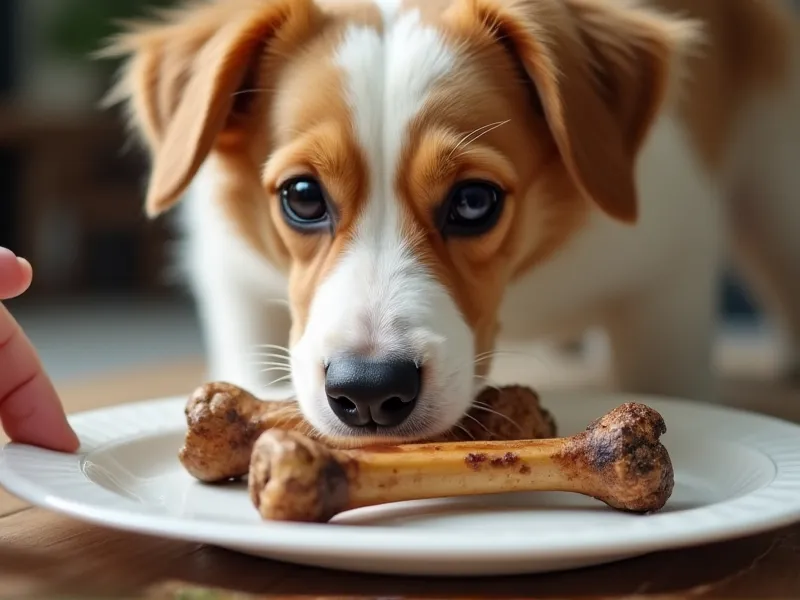
Table of Contents
- Can Dogs Eat Cooked Bones? The Short Answer
- The Myth of “Benefits”: Do Cooked Bones Offer Nutritional Value?
- The Hidden Dangers: Why Cooked Bones Are Risky for Dogs
- If Cooked Bones Are Out, What’s the Safest Guideline?
- Healthier Alternatives to Cooked Bones
- FAQ: Your Most Pressing Questions Answered
- Conclusion: Prioritizing Your Dog’s Safety
- References
Can Dogs Eat Cooked Bones? The Short Answer
No, dogs should not eat cooked bones.
While raw bones (when fed properly) can sometimes be a safe, occasional treat for dogs, cooked bones are a different story. Cooking changes the structure of bones, making them brittle, dry, and prone to splintering. These sharp fragments can cause serious, even life-threatening injuries to your dog’s mouth, throat, stomach, or intestines.
Veterinarians and animal welfare organizations like the ASPCA and AVMA universally warn against feeding cooked bones to dogs. The risks far outweigh any perceived benefits, and even a small piece can lead to emergency vet visits.
The Myth of “Benefits”: Do Cooked Bones Offer Nutritional Value?
You might assume cooked bones are a natural, nutrient-rich snack—after all, bones contain marrow, minerals, and collagen, right? Let’s separate fact from fiction:
What Cooked Bones Don’t Provide
- Nutrient Absorption: Cooking bones leaches out many essential nutrients, like calcium and phosphorus, making them far less nutritious than their raw counterparts. Any remaining nutrients are often locked in a hard, indigestible form that your dog can’t absorb.
- Fiber: While bones (raw or cooked) contain trace amounts of fiber from connective tissue, cooked bones are so hard that they don’t contribute meaningful fiber to your dog’s diet.
- Potassium: Potassium is found in muscle meat, not bones. Cooked bones are not a source of this electrolyte.
The Only “Perk”? Mental Stimulation (But at a Cost)
Dogs love to chew, and bones can keep them occupied for hours. However, this “benefit” is overshadowed by the risks. There are safer ways to satisfy your dog’s chewing instinct (more on that later!) without putting their health on the line.
Bottom line: Cooked bones offer minimal, if any, nutritional value. Any “benefits” are negligible compared to the danger they pose.
The Hidden Dangers: Why Cooked Bones Are Risky for Dogs
Cooked bones aren’t just “not great”—they’re actively dangerous. Here’s why:
1. Splintering: The Most Serious Risk
When bones are cooked (boiled, baked, or grilled), the heat breaks down their collagen structure, making them dry and brittle. Instead of bending, they shatter into sharp, needle-like fragments. These splinters can:
- Tear the mouth or throat: Causing bleeding, pain, or infection.
- Perforate the digestive tract: Sharp pieces can puncture the esophagus, stomach, or intestines, leading to internal bleeding, peritonitis (a life-threatening infection), or the need for emergency surgery.
- Block the intestines: Larger bone fragments can get stuck in the gut, causing an obstruction. Symptoms include vomiting, diarrhea, lethargy, and loss of appetite—and require immediate veterinary care.
2. Choking Hazard
Small cooked bones (like chicken or turkey bones) are especially risky. They can get lodged in your dog’s throat, blocking their airway and causing choking. Even larger bones (like beef ribs) can break into smaller pieces that pose a choking threat.
3. Dental Damage
Hard cooked bones can crack or break your dog’s teeth. Fractured teeth are painful and may require extraction, leading to dental issues down the line.
4. Bacterial Contamination
Cooked bones (especially those left out or not properly stored) can harbor harmful bacteria like Salmonella or E. coli. While dogs have stronger stomach acids than humans, these bacteria can still cause gastrointestinal upset (vomiting, diarrhea) or, in severe cases, infection.
Real-Life Example: What Happens When a Dog Eats a Cooked Bone
Dr. Sarah Wooten, a veterinary expert with Pumpkin Pet Insurance, shares a common scenario: “I once treated a golden retriever who stole a cooked chicken drumstick off the counter. By the next morning, he was vomiting and lethargic. X-rays showed a bone splinter had punctured his intestine, leading to peritonitis. He needed emergency surgery and a week of intensive care to survive.”
If Cooked Bones Are Out, What’s the Safest Guideline?
The safest guideline is simple: Never feed your dog cooked bones—no exceptions.
This includes:
- Chicken, turkey, or duck bones (cooked or raw? Raw is risky too—more on that later).
- Beef, pork, or lamb bones (roasted, grilled, or boiled).
- Bones from ribs, steaks, or ham.
- “Soup bones” that have been simmered for hours (these are extra brittle!).
What If Your Dog Accidentally Eats a Cooked Bone?
Don’t panic, but act quickly:
- Do not induce vomiting: This can cause splinters to tear the esophagus on the way up.
- Monitor for symptoms: Watch for choking, gagging, drooling, difficulty swallowing, vomiting (especially with blood), diarrhea, lethargy, or loss of appetite.
- Contact your vet immediately: Even if your dog seems fine, a vet can assess the risk and recommend next steps (like X-rays to check for blockages).
Healthier Alternatives to Cooked Bones
Your dog’s love of chewing is natural—and there are plenty of safe, satisfying alternatives to cooked bones. Here are our top picks:
1. Raw Bones (With Caution!)
Raw, meaty bones (like raw beef knuckles or marrow bones) can be a safe, occasional treat for adult dogs (puppies and senior dogs with dental issues should avoid them). They’re softer than cooked bones, so they’re less likely to splinter.
Tips for safe raw bone feeding:
- Choose bones larger than your dog’s head to prevent choking (e.g., a beef shank bone for a Labrador, a chicken neck for a Chihuahua—never small bones like chicken wings).
- Supervise your dog while they chew, and take the bone away once it’s small enough to swallow.
- Limit to 10–15 minutes of chewing to avoid dental wear or stomach upset.
- Source bones from a reputable butcher to reduce bacterial risk.
2. Dental Chews Approved by the VOHC
Look for dental chews with the Veterinary Oral Health Council (VOHC) seal. These products are proven to reduce plaque and tartar and are designed to be digestible. Examples include Greenies, Pedigree Dentastix, or Whimzees.
3. Natural Chews
- Bully sticks: Made from dried bull pizzle, these are high in protein and long-lasting. Choose odor-free versions if you’re sensitive to smells!
- Antlers: Deer or elk antlers are hard but splinter-resistant. Opt for “split” antlers to expose the marrow (dogs love it!) and avoid small pieces.
- Cow hooves: Dried cow hooves are durable and help clean teeth, but avoid if your dog is an aggressive chewer (they can crack teeth).
4. Vegetable Chews
For a low-calorie, crunchy option, try:
- Carrots: Raw carrots are safe, high in fiber, and help clean teeth.
- Sweet potatoes: Slice and bake for a chewy, vitamin-rich treat.
- Apples: Remove the seeds (they contain trace cyanide) and core, then slice—apples are high in fiber and vitamin C.
5. Interactive Toys
Keep your dog busy with puzzle toys like Kongs (stuff with peanut butter or yogurt and freeze for extra fun) or treat-dispensing balls. These satisfy chewing instincts and provide mental stimulation!
FAQ: Your Most Pressing Questions Answered
Q: My dog ate a cooked bone, and they seem fine. Should I still worry?
A: Yes. Some dogs may pass small bone fragments without issue, but others could develop blockages or perforations that take hours or days to show symptoms. Always call your vet for guidance.
Q: Are raw bones 100% safe?
A: No. Raw bones still pose choking, dental damage, or bacterial risks (like Salmonella). They’re safer than cooked bones but should be given only occasionally, under supervision.
Q: Can puppies eat cooked bones?
A: Puppies have smaller, more delicate digestive systems and are at higher risk for choking or blockages. Never feed cooked bones to puppies—and consult your vet before giving raw bones.
Q: What about bone broth? Is that safe?
A: Yes! Bone broth (made by simmering bones in water) is safe and nutritious for dogs. Just strain out all bones and bone fragments before serving. Avoid broth with onions, garlic, or excessive salt.
Q: My dog loves cooked ribs—can I give them the meat and throw away the bone?
A: Absolutely! The meat is safe (in moderation), but discard the bone immediately. Keep bones out of reach—dogs are experts at snatching leftovers from the trash!
Conclusion: Prioritizing Your Dog’s Safety
At the end of the day, your dog’s health and happiness are what matter most. While it’s tempting to share your meal scraps, cooked bones are simply not worth the risk. The next time your pup begs for a bone, opt for a safe alternative like a raw meaty bone (supervised!), a dental chew, or a crunchy carrot.
When in doubt, always consult your veterinarian. They can help you choose the best treats for your dog’s age, size, and health needs. Remember: A little caution goes a long way in keeping your furry friend wagging their tail for years to come.
References
- American Society for the Prevention of Cruelty to Animals (ASPCA). “People Foods to Avoid Feeding Your Pets.” aspca.org/pet-care/animal-poison-control/people-foods-avoid-feeding-your-pets
- American Veterinary Medical Association (AVMA). “Ask AVMA: Can My Dog Eat That?” avma.org/resources/pet-owners/petcare/ask-avma-can-my-dog-eat
- Wooten, Dr. Sarah. “The Dangers of Cooked Bones for Dogs.” Pumpkin Pet Insurance. pumpkin.care/blog/can-dogs-eat-bones
- Veterinary Oral Health Council (VOHC). “Accepted Products.” vohc.org/accepted-products
Disclaimer: This article is for informational purposes only and not a substitute for professional veterinary advice. Always consult your vet before introducing new foods or treats to your dog’s diet.