· 9 min read
Can Dogs Eat Cooked Black Beans? A Pet Parent’s Guide to Safe Snacking
It’s Taco Tuesday, and you’re enjoying a warm bowl of black bean chili. Your dog, ever the enthusiastic foodie, sits at your feet, tail thumping, eyes locked on your spoon. “Just a tiny bite?” you wonder. After all, black beans are a staple in human diets—packed with fiber, protein, and nutrients. But are they safe for your furry friend?
If you’ve ever asked, “Can dogs eat cooked black beans?” you’re in the right place. In this guide, we’ll break down the benefits, risks, and best practices for sharing this legume with your pup. Spoiler: The answer is yes—but with some important caveats. Let’s dive in!
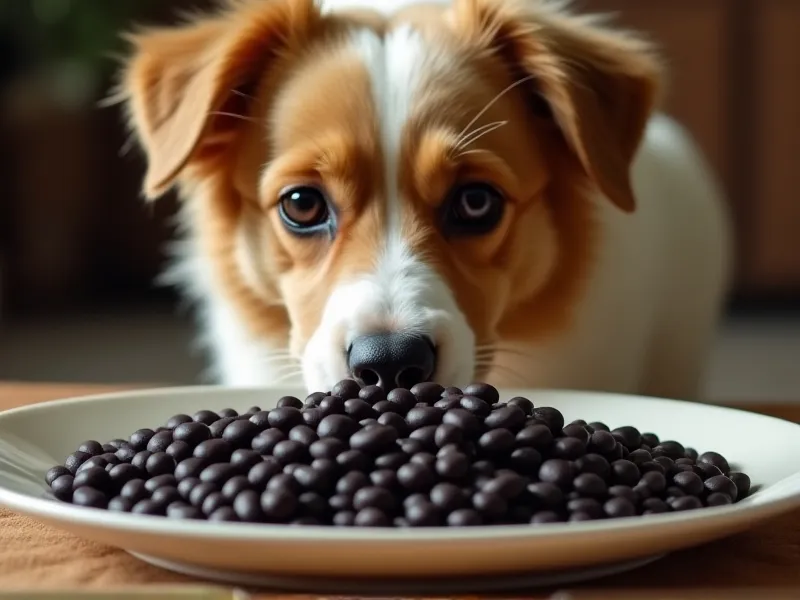
Table of Contents
- Can Dogs Eat Cooked Black Beans? The Short Answer
- What Are Black Beans, Anyway?
- The Benefits of Cooked Black Beans for Dogs
- Nutrient Powerhouse: Protein, Fiber, and More
- Supporting Digestion and Heart Health
- Potential Risks of Feeding Black Beans to Dogs
- Lectins in Raw Beans: A Hidden Danger
- Sodium, Sugar, and Additives in Canned Beans
- Stomach Upset and Choking Hazards
- How Much Cooked Black Beans Can Dogs Eat?
- Portion Guidelines by Dog Size
- Frequency: Treat, Not a Meal
- Tips for Serving Black Beans Safely
- Healthier Alternatives to Black Beans (or Vice Versa!)
- FAQ: Your Black Bean Questions Answered
- Conclusion: Moderation is Key
- References
Can Dogs Eat Cooked Black Beans? The Short Answer
Yes, dogs can eat cooked black beans—in moderation. When prepared plain (no salt, sugar, or additives) and served in small portions, black beans can be a healthy, nutrient-dense treat for most dogs. They’re low in fat, high in fiber and protein, and offer a range of vitamins and minerals. However, raw black beans are toxic, and overfeeding can lead to digestive issues. Always consult your vet before adding new foods to your dog’s diet, especially if they have health conditions like diabetes or kidney disease.
What Are Black Beans, Anyway?
Black beans (scientifically Phaseolus vulgaris) are a type of legume native to the Americas. They’re a staple in diets worldwide, prized for their versatility and nutritional punch. Rich in plant-based protein, fiber, and antioxidants, they’re often hailed as a “superfood” for humans. But do these benefits translate to our canine companions? Let’s explore.
The Benefits of Cooked Black Beans for Dogs
When served correctly, black beans can offer several health perks for dogs. Here’s what makes them a standout treat:
1. Nutrient-Dense: Protein, Fiber, and More
Black beans are packed with essential nutrients that support your dog’s overall health:
- Protein: Dogs need protein for muscle repair, immune function, and energy. Black beans contain about 8 grams of protein per ½ cup (cooked), making them a great plant-based supplement to your dog’s regular diet (which should still be primarily animal-based protein, as dogs are omnivores with carnivorous leanings).
- Fiber: With 7.5 grams of fiber per ½ cup, black beans support digestive health by promoting regular bowel movements and feeding beneficial gut bacteria. Fiber also helps dogs feel full, which can aid in weight management by reducing overeating.
- Vitamins and Minerals: Black beans are rich in B vitamins (thiamine, folate), which support energy metabolism and brain function; vitamin K, which aids blood clotting; and minerals like potassium (supports heart and muscle function), iron (oxygen transport), and magnesium (bone health).
2. Low in Fat and Calories
Unlike many commercial dog treats (which are often high in fat and empty calories), black beans are low in fat (less than 1 gram per ½ cup) and moderate in calories (about 114 calories per ½ cup). This makes them a smart choice for dogs watching their weight or prone to obesity.
3. Antioxidant Properties
Black beans contain antioxidants like anthocyanins (the compounds that give them their dark color) and flavonoids, which help fight inflammation and oxidative stress. While research on canine-specific benefits is limited, these antioxidants may support long-term health, especially in aging dogs.
Potential Risks of Feeding Black Beans to Dogs
While black beans can be healthy, they’re not without risks—especially if served incorrectly or in excess. Here’s what to watch for:
1. Raw Black Beans: Toxic Due to Lectins
Never feed your dog raw black beans. Raw legumes contain lectins, a type of protein that can be toxic to dogs (and humans!). Lectins can damage the gut lining, cause vomiting, diarrhea, and even organ failure in severe cases. Cooking black beans彻底 breaks down lectins, making them safe to eat.
2. Canned Beans: Hidden Sodium and Sugar
Many canned black beans are packed with added salt (to enhance flavor) or sugar (in “seasoned” varieties). Excess sodium is dangerous for dogs, as it can lead to high blood pressure, kidney damage, or salt poisoning (symptoms include vomiting, diarrhea, seizures, and even death). Sugar, meanwhile, contributes to obesity, dental issues, and diabetes.
If using canned beans, always rinse them thoroughly under cold water to remove excess sodium. Opt for “no salt added” varieties when possible.
3. Digestive Upset: Gas, Bloating, and Diarrhea
Dogs’ digestive systems aren’t used to large amounts of fiber, especially if they’re not gradually introduced. Overfeeding black beans can cause:
- Gas and bloating (uncomfortable for your pup and your nose!)
- Diarrhea or loose stools
- Stomach cramps
This is more common in small dogs or those with sensitive stomachs. Start with tiny portions and monitor your dog’s reaction.
4. Choking Hazard for Small Dogs
Whole black beans can pose a choking risk for toy breeds or dogs who gulp their food. To prevent this, mash or chop beans into smaller pieces before serving, especially for pups under 20 pounds.
How Much Cooked Black Beans Can Dogs Eat?
The key to feeding black beans safely is moderation. They should never replace your dog’s regular, balanced diet (which should be formulated to meet their specific nutritional needs). Instead, think of black beans as an occasional treat—no more than 10% of their daily calorie intake.
Here’s a general guideline for portion sizes based on your dog’s weight:
| Dog Size | Weight Range | Recommended Portion (Cooked Black Beans) | Frequency |
|---|---|---|---|
| Small | Under 20 lbs | 1–2 tablespoons | 1–2 times/week |
| Medium | 20–50 lbs | 2–3 tablespoons | 1–2 times/week |
| Large | 50–90 lbs | 3–4 tablespoons | 1–2 times/week |
| Extra-Large | Over 90 lbs | 4–5 tablespoons | 1–2 times/week |
Note: These are rough estimates. Adjust based on your dog’s activity level, age, and health. For example, senior dogs or those with diabetes may need smaller portions.
Tips for Serving Black Beans Safely
To ensure your dog enjoys black beans without issues, follow these tips:
- Cook thoroughly: Always serve black beans cooked (boiled, pressure-cooked, or baked). Never raw or undercooked.
- Skip the extras: Avoid adding salt, garlic, onions, spices, or oils—these can be toxic (garlic and onions damage red blood cells) or cause stomach upset.
- Rinse canned beans: If using canned, rinse under cold water for 1–2 minutes to reduce sodium by up to 40% [1].
- Mash or chop for small dogs: To prevent choking, mash beans or chop them into bite-sized pieces for toy breeds.
- Mix with regular food: Stir a small portion into your dog’s kibble or wet food to add flavor and nutrients without overfeeding.
- Monitor for reactions: After serving, watch for signs of digestive upset (gas, diarrhea, vomiting). If these occur, stop feeding beans and consult your vet.
Healthier Alternatives to Black Beans (or Vice Versa!)
Black beans aren’t the only legume or veggie that can make a healthy treat for dogs. Here are some alternatives to mix things up:
- Cooked lentils: Similar to black beans in protein and fiber, with slightly fewer calories.
- Cooked chickpeas: Rich in fiber and protein, but feed in small amounts (they can cause gas!).
- Green beans: Low in calories, high in fiber, and crunchy—great for dogs on a diet.
- Sweet potatoes: Packed with vitamins A and C, fiber, and natural sweetness (cooked, plain).
If your dog doesn’t love black beans, these options offer similar benefits. Conversely, if your dog has a sensitive stomach, green beans or sweet potatoes may be gentler than legumes.
FAQ: Your Black Bean Questions Answered
Q: Can dogs eat canned black beans?
A: Yes, but only if they’re plain (no salt, sugar, or additives) and rinsed thoroughly to remove excess sodium. Avoid “seasoned” or “flavored” canned beans, which often contain garlic or onions.
Q: Can puppies eat black beans?
A: Puppies can have small amounts of cooked black beans as an occasional treat, but their diet should focus on nutrient-dense puppy food formulated for growth. Consult your vet first, as puppies have sensitive digestive systems.
Q: Can dogs with diabetes eat black beans?
A: Black beans have a low glycemic index (GI), meaning they release sugar slowly, which can help stabilize blood sugar. However, they still contain carbs, so portion control is critical. Always consult your vet before feeding beans to a diabetic dog.
Q: What if my dog ate too many black beans?
A: Overfeeding can cause gas, bloating, or diarrhea. Offer plenty of water and monitor your dog. If symptoms are severe (persistent vomiting, lethargy, or blood in stool), contact your vet immediately.
Q: Are black bean chips or hummus safe for dogs?
A: No. Chips are high in salt, fat, and additives, while hummus often contains garlic, lemon juice, or olive oil—all of which can harm dogs. Stick to plain, cooked beans instead.
Conclusion: Moderation is Key
Cooked black beans can be a safe, healthy addition to your dog’s diet when served in moderation. They’re a nutrient-dense treat that offers protein, fiber, and essential vitamins—perfect for rewarding your pup or boosting their regular meals. Just remember: raw beans are toxic, canned beans need rinsing, and overfeeding can cause digestive woes.
As with any new food, start small and watch for reactions. If your dog has health issues like diabetes, kidney disease, or a sensitive stomach, always check with your vet first. When in doubt, err on the side of caution—your vet knows your dog’s unique needs best.
With a little care, black beans can be a tasty, wholesome way to show your furry friend some love. Enjoy those Taco Tuesday (or any day!) snuggles—with a side of safely shared beans, of course!
References
- USDA FoodData Central. (2023). Black beans, canned, drained, rinsed. Link
- American Kennel Club (AKC). (2022). Can Dogs Eat Beans? Link
- PetMD. (2023). Human Foods Dogs Can and Can’t Eat. Link
- ASPCA. (2023). Toxic and Non-Toxic Plants. Link (Note: Garlic/onions are toxic)
- Veterinary Centers of America (VCA). (2023). Dietary Fiber for Dogs. Link