· 8 min read
Can Dogs Eat Coconut Shells? The Surprising Truth Every Pet Parent Should Know
Picture this: You’re lounging on the patio, cracking open a fresh coconut. The sweet, tropical aroma fills the air as you sip the water and scoop out the creamy meat. Beside you, your dog sits, tail thumping, eyes locked on the leftover coconut shell. “Surely a little nibble won’t hurt?” you think. After all, coconut is often called a “superfood” for humans—packed with fiber, healthy fats, and nutrients. But when it comes to the shell, is it safe for your pup?
If you’ve ever wondered whether dogs can eat coconut shells, you’re not alone. Pet parents are always on the hunt for healthy, natural treats, and coconut seems like a promising option. But before you toss that shell to your four-legged friend, let’s dive into the facts. In this post, we’ll answer the big question, break down the risks (and potential benefits of other coconut parts), share safe guidelines, and even suggest healthier alternatives. Let’s get started!
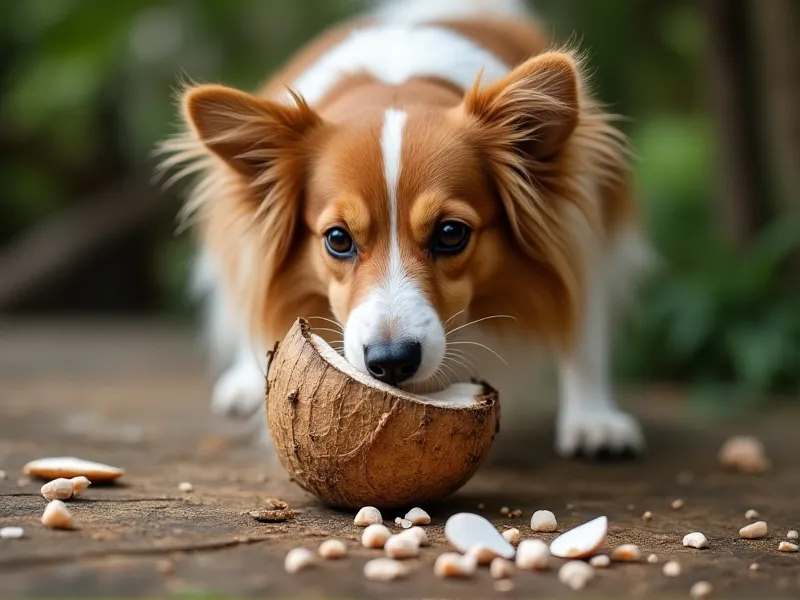
Table of Contents
- Can Dogs Eat Coconut Shells? The Short Answer
- Why Coconut Shells Are Risky for Dogs
- Choking Hazard
- Intestinal Blockage
- Stomach Irritation
- What About Other Parts of the Coconut?
- Coconut Meat: A Nutritious (in Moderation) Treat
- Coconut Oil: A Boost of Healthy Fats
- Coconut Water: Hydration with a Catch
- Healthier Alternatives to Coconut Shells
- Safe Guidelines for Feeding Coconut to Dogs
- FAQ: Your Coconut Shell Questions Answered
- Conclusion: Prioritize Safety, Enjoy Coconut Responsibly
Can Dogs Eat Coconut Shells? The Short Answer
No, dogs should not eat coconut shells.
While other parts of the coconut (like the meat, oil, and water) can be safe and even beneficial for dogs in moderation, the hard, fibrous shell is a serious health hazard. It’s indigestible, sharp, and poses risks like choking, intestinal blockage, and stomach irritation. Let’s break down why the shell is off-limits—and why you might still be able to share other coconut treats with your pup.
Why Coconut Shells Are Risky for Dogs
Coconut shells are tough, woody, and designed by nature to protect the fruit inside. Unfortunately, those same qualities make them dangerous for dogs. Here’s why:
1. Choking Hazard
Coconut shells are hard and can splinter into sharp, irregular pieces when chewed. If your dog bites off a chunk, it could get lodged in their throat, blocking their airway. Small dogs and puppies are especially at risk, as their throats are narrower, but even large breeds can choke on shell fragments.
2. Intestinal Blockage
Even if a piece of shell isn’t large enough to choke on, it’s still indigestible. Your dog’s stomach and intestines can’t break down the shell’s fibrous, woody material. This means the fragment could get stuck in their digestive tract, causing a blockage. Symptoms of intestinal blockage include vomiting, diarrhea, loss of appetite, lethargy, and abdominal pain. In severe cases, surgery may be needed to remove the blockage—delaying treatment can be life-threatening.
3. Stomach and Mouth Irritation
The sharp edges of broken coconut shell can scratch or tear your dog’s mouth, gums, or throat as they chew. Once swallowed, these fragments can also irritate the lining of the stomach or intestines, leading to inflammation, discomfort, or even internal bleeding in rare cases.
Bottom line: The risks of coconut shells far outweigh any potential benefits. Even if your dog seems eager to chew on it, it’s not worth the danger.
What About Other Parts of the Coconut?
Now that we’ve established the shell is a no-go, you might be wondering: What about the rest of the coconut? Can dogs safely enjoy coconut meat, oil, or water? The answer is yes—in moderation! These parts offer some nutritional perks, but they’re not without caveats. Let’s explore:
Coconut Meat: A Tasty, Fiber-Rich Treat
The white, fleshy “meat” inside the coconut is the part most humans eat, and it’s generally safe for dogs too. It’s packed with:
- Fiber: Aids digestion and helps regulate bowel movements (great for dogs with occasional constipation).
- Potassium: Supports heart health, muscle function, and electrolyte balance.
- Healthy fats: Medium-chain triglycerides (MCTs) can boost energy and support skin/coat health.
But watch the sugar! Coconut meat contains natural sugars, so too much can lead to weight gain or an upset stomach. Stick to small portions: A few bites (about 1–2 teaspoons for small dogs, 1–2 tablespoons for large dogs) as an occasional treat. Avoid sweetened coconut (like the kind used in baking), which has added sugars that are bad for dogs.
Coconut Oil: A Popular Supplement for Skin and Coat
Coconut oil has become a buzzword in pet care, and for good reason. It’s rich in MCTs, which can:
- Improve skin health (helpful for dry, itchy skin or allergies).
- Make coats shinier and softer.
- Support cognitive function in senior dogs (some studies suggest MCTs may help with brain health).
How to use it: Start with a tiny amount (1/4 teaspoon for small dogs, 1 teaspoon for medium dogs, 1–2 tablespoons for large dogs) mixed into their food. Too much can cause diarrhea, so gradually increase the dose if needed. You can also apply a small amount topically to dry paw pads or skin, but avoid overdoing it—oil can make floors slippery!
Coconut Water: A Refreshing Hydrator (With a Catch)
Coconut water is the clear liquid inside young, green coconuts. It’s low in calories and rich in electrolytes like potassium and magnesium, making it a hydrating treat on hot days.
But be cautious: Some coconut waters have added sugars or flavorings, which are unhealthy for dogs. Always choose unsweetened coconut water, and serve it sparingly. Too much can lead to an upset stomach, and the natural sugars can add up over time. A few licks (or 1–2 ounces for large dogs) is plenty.
Pro tip: Always introduce new foods slowly. Start with a tiny portion and monitor your dog for 24 hours for signs of allergies (itching, swelling) or digestive issues (vomiting, diarrhea).
Healthier Alternatives to Coconut Shells
If your dog loves to chew, there are plenty of safe, dog-friendly alternatives to coconut shells. Here are some better options:
- Rubber chew toys: Kongs, Nylabones, or other durable rubber toys are designed to withstand chewing without splintering.
- Frozen treats: Fill a Kong with plain yogurt, mashed banana, or pumpkin (all dog-safe!) and freeze for a cooling, chewy snack.
- Fresh fruits/veggies: Sliced apple (no seeds), blueberries, carrots, or cucumber make crunchy, low-calorie treats.
- Dehydrated sweet potato: A fiber-rich, chewy alternative that’s easy to digest.
These options satisfy your dog’s urge to chew without the risk of choking or blockage.
Safe Guidelines for Feeding Coconut to Dogs
If you want to share coconut with your pup (the safe parts), follow these rules:
- Avoid the shell, husk, and any sharp parts: This includes the hard outer shell, the fibrous “husk” (the brown, hair-like layer outside the shell), and any broken fragments.
- Stick to unsweetened, unflavored products: No added sugars, salt, or artificial flavors.
- Portion control is key: Coconut meat, oil, and water are treats, not meal replacements. Overdoing it can lead to weight gain or stomach issues.
- Check with your vet first: If your dog has diabetes, pancreatitis, or other health conditions, coconut (especially the fat and sugar in meat/oil) may not be safe. Your vet can advise based on their individual needs.
FAQ: Your Coconut Shell Questions Answered
Got more questions? We’ve got answers!
Q: My dog accidentally ate a small piece of coconut shell. What should I do?
A: Stay calm, but monitor them closely. If the piece was tiny (smaller than a pea), they may pass it without issue. But watch for symptoms like choking, gagging, vomiting, diarrhea, loss of appetite, or lethargy. If you notice any of these, contact your vet immediately—intestinal blockages require prompt treatment.
Q: Is coconut husk safer than the shell?
A: No. The husk (the fibrous, brown layer outside the shell) is also indigestible and can cause the same risks as the shell: choking, blockages, or irritation. Keep both the husk and shell away from your dog.
Q: Can I give my dog coconut shell as a chew toy to keep them busy?
A: Absolutely not. Even if you think your dog is just “chewing” and not swallowing, splinters can break off and cause harm. Stick to dog-specific chew toys instead.
Q: Are there any dogs who should avoid coconut entirely?
A: Dogs with pancreatitis (since coconut oil/meat is high in fat), diabetes (due to natural sugars), or coconut allergies (rare, but possible) should steer clear. Always ask your vet before introducing coconut if your dog has health issues.
Conclusion: Prioritize Safety, Enjoy Coconut Responsibly
Coconut shells might seem like a harmless, natural chew toy, but they’re actually a hidden danger for dogs. The risk of choking, intestinal blockage, or injury is simply too high to ignore.
The good news? You can still share the safe parts of the coconut with your pup! Coconut meat, oil, and water (in moderation) offer fiber, healthy fats, and electrolytes that can benefit your dog’s health. Just remember: treats are treats, not meals, and portion control is key.
If you ever have questions about what’s safe for your dog to eat—coconut or otherwise—your vet is always the best resource. They know your dog’s unique needs and can help you make informed choices.
Here’s to many happy, healthy snack times with your pup—minus the coconut shells!
References
- American Society for the Prevention of Cruelty to Animals (ASPCA). “People Foods to Avoid Feeding Your Pets.” aspca.org/pet-care/animal-poison-control/people-foods-avoid-feeding-your-pets
- PetMD. “Can Dogs Eat Coconut?” petmd.com/dog/nutrition/can-dogs-eat-coconut
- American Kennel Club (AKC). “Safe Human Foods for Dogs.” akc.org/expert-advice/nutrition/human-foods-dogs-can-and-cant-eat
- VCA Animal Hospitals. “Coconut Oil for Dogs: Benefits and Risks.” vcahospitals.com/know-your-pet/coconut-oil-for-dogs-benefits-and-risks