· 9 min read
Can Dogs Eat Coal? The Surprising Truth Every Pet Parent Needs to Know
It’s a chilly Saturday morning, and you’re tidying up the fireplace after last night’s cozy fire. Out of the corner of your eye, you spot your mischievous pup, Max, nosing around the hearth—and before you can react, he snatches a small piece of coal and swallows it. Your heart skips a beat. Can dogs eat coal? Is that black, crumbly rock harmless, or is Max in danger?
If you’ve ever panicked over your dog’s curious snack choices, you’re not alone. Dogs are notorious for exploring the world with their mouths, and coal—whether from a fireplace, grill, or even a decorative bowl—can seem like a tempting chew toy. But when it comes to your pup’s health, guessing isn’t an option. In this guide, we’ll break down the facts: Is coal safe for dogs? What risks does it pose? And what should you do if your dog sneaks a bite? Let’s dive in.
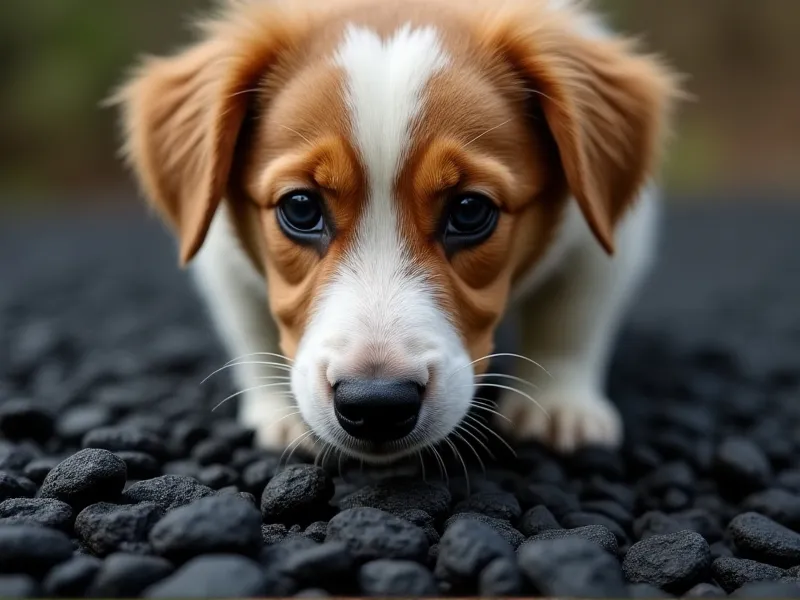
Table of Contents
- Can Dogs Eat Coal? The Short Answer
- What Is Coal, Anyway? A Quick Science Lesson
- Potential “Benefits” – Separating Fact from Fiction
- The Real Risks of Dogs Eating Coal: Why It’s Not Worth the Risk
- What to Do If Your Dog Eats Coal: Immediate Steps
- Healthier Alternatives to Coal (Because Your Pup Deserves Better!)
- FAQ: Your Burning Questions Answered
- Conclusion: Keep Coal Out of Reach, and Your Dog Safe
- References
1. Can Dogs Eat Coal? The Short Answer
No, dogs should not eat coal. While coal might seem like an innocuous, natural substance, it poses serious health risks to our furry friends. From choking hazards to internal blockages and toxic exposure, coal is not a safe snack—even in small amounts. The bottom line: Keep coal far from your dog’s reach, and never intentionally feed it to them.
2. What Is Coal, Anyway? A Quick Science Lesson
Before we dive into the risks, let’s clarify what coal actually is. Coal is a fossil fuel formed from the remains of plants that lived and died millions of years ago. Over time, heat and pressure buried these plants deep underground, transforming them into a hard, black rock rich in carbon.
There are different types of coal (anthracite, bituminous, lignite), but all share the same basic makeup: carbon, along with varying amounts of sulfur, hydrogen, oxygen, and trace minerals. Some types also contain harmful impurities like arsenic, mercury, or lead—byproducts of their formation.
Crucially, coal is not food. It’s not digested by humans or animals, and its rough, abrasive texture makes it dangerous to chew or swallow.
3. Potential “Benefits” – Separating Fact from Fiction
You might be wondering: Could there ever be a reason to let a dog eat coal? After all, some pet owners swear by unconventional snacks for “health benefits.” Let’s tackle the most common myths:
Myth 1: “Coal has fiber that aids digestion.”
Fiber is essential for dogs’ digestive health, but coal is not a source of digestible fiber. The “fiber” in coal is actually indigestible carbon and plant matter remnants—think of it like swallowing a rock. It won’t bulk up stool or support gut health; instead, it could get stuck in your dog’s intestines.
Myth 2: “Coal provides minerals like potassium or iron.”
Coal does contain trace minerals, but they’re not in a form that dogs (or humans) can absorb. Worse, any “beneficial” minerals are overshadowed by toxic ones. For example, coal often contains sulfur (which can irritate the stomach) and heavy metals (like arsenic) that are poisonous in even small doses.
Myth 3: “My grandparent used to give coal to dogs to ‘clean their stomachs.’”
Old wives’ tales die hard, but this one is dangerous. There’s no scientific evidence that coal “cleans” a dog’s stomach. In fact, it’s more likely to damage the digestive tract. If your dog has an upset stomach, consult your vet—don’t reach for coal!
The verdict: There are no legitimate benefits to dogs eating coal. Any perceived upside is based on outdated myths, not science.
4. The Real Risks of Dogs Eating Coal: Why It’s Not Worth the Risk
Now that we’ve debunked the myths, let’s focus on the very real dangers coal poses to dogs. Even a small piece can lead to serious issues:
Risk 1: Choking Hazard
Coal is hard, irregularly shaped, and can break into sharp fragments. If your dog tries to swallow a chunk that’s too big, it could get lodged in their throat, blocking their airway. Signs of choking include pawing at the mouth, gagging, difficulty breathing, or blue gums. This is a life-threatening emergency—act fast!
Risk 2: Intestinal Blockage
If coal is swallowed, it won’t dissolve or pass easily through the digestive system. Instead, it can get stuck in the esophagus, stomach, or intestines, causing a blockage. Symptoms include vomiting, diarrhea, loss of appetite, lethargy, or abdominal pain. Blockages often require surgery to remove and can be fatal if left untreated.
Risk 3: Toxic Exposure
Coal isn’t “pure.” It’s full of impurities, including:
- Sulfur: Irritates the stomach and intestines, leading to nausea or diarrhea.
- Heavy metals (arsenic, mercury, lead): These poison the body over time, damaging organs like the kidneys and liver.
- Tar and chemicals: Some types of coal (like bituminous) contain sticky tar, which can coat the digestive tract and cause inflammation.
Risk 4: Dental or Mouth Injuries
Chewing coal can chip teeth, cut gums, or scratch the roof of the mouth. Sharp edges might even lacerate the tongue or throat, leading to pain, infection, or difficulty eating.
Risk 5: Pica – A Sign of Underlying Issues
If your dog is seeking out coal to eat, it could be a sign of pica—a condition where animals crave non-food items. Pica is often linked to nutritional deficiencies (e.g., anemia, lack of fiber), boredom, anxiety, or medical issues (like thyroid problems). If your dog is eating coal regularly, talk to your vet to rule out underlying health concerns.
5. What to Do If Your Dog Eats Coal
If you catch your dog munching on coal, stay calm—but act quickly. Here’s what to do:
Step 1: Assess the Situation
- How much did they eat? A tiny crumb might not cause harm, but a large piece or multiple pieces are risky.
- Did they choke? If your dog is choking, perform the Heimlich maneuver for dogs (ask your vet to demonstrate this during your next visit) and call emergency vet care immediately.
- Are they showing symptoms? Vomiting, diarrhea, lethargy, or pain are red flags.
Step 2: Contact Your Vet or Poison Control
Even if your dog seems fine, call your vet. They can advise whether you need to bring your pup in for an exam. For severe cases, contact the Pet Poison Helpline (1-855-764-7661) or the ASPCA Animal Poison Control Center (1-888-426-4435)—both charge a small fee but provide life-saving guidance.
Step 3: Never Induce Vomiting Without a Vet’s OK
You might be tempted to make your dog throw up, but coal’s sharp edges could damage the esophagus on the way back up. Only induce vomiting if your vet explicitly tells you to.
Step 4: Monitor for Symptoms
Keep a close eye on your dog for 24–48 hours. Watch for:
- Loss of appetite
- Vomiting (especially if it’s frequent or contains blood)
- Diarrhea (black, tarry stools could indicate internal bleeding)
- Lethargy or weakness
- Abdominal swelling or pain
If any of these occur, head to the vet right away.
6. Healthier Alternatives to Coal (Because Your Pup Deserves Better!)
If your dog is drawn to coal out of boredom or curiosity, give them safe, engaging alternatives. Here are some vet-approved options:
For Chewing:
- Rubber chew toys: Kongs, Nylabones, or rope toys satisfy the urge to chew without risk.
- Frozen treats: Stuff a Kong with peanut butter (xylitol-free!) or plain yogurt and freeze for a long-lasting snack.
For Fiber:
If you thought coal had fiber, try these digestible sources instead:
- Pumpkin: Canned, unsweetened pumpkin is rich in fiber and soothes upset stomachs.
- Green beans: Cooked or raw (cut into small pieces), they’re low-calorie and high in fiber.
For Minerals:
Need potassium, iron, or other nutrients? Try these safe foods:
- Bananas: A great source of potassium and natural sugars (in moderation).
- Spinach: Cooked spinach has iron and vitamins (avoid large amounts, as it can interfere with calcium absorption).
- Salmon: Rich in omega-3s and protein (cooked, no bones!).
For Mental Stimulation:
Bored dogs are more likely to eat strange things. Keep your pup busy with:
- Puzzle feeders
- Training sessions (teach new tricks!)
- Daily walks or playtime
7. FAQ: Your Burning Questions Answered
Q: Is activated charcoal different from coal? Can dogs eat that?
A: Activated charcoal is not the same as coal. It’s a processed form of carbon (often from coconut shells or wood) treated to make it porous, which helps absorb toxins. Vets sometimes use activated charcoal to treat poisoning (e.g., after eating chocolate). However, never give activated charcoal to your dog without a vet’s guidance—it can interfere with medication absorption and cause constipation.
Q: My dog ate a tiny piece of coal. Should I panic?
A: A small crumb (like the size of a pea) might pass without issue, but monitor your dog closely. If they show any symptoms (vomiting, lethargy), call your vet. When in doubt, err on the side of caution!
Q: Why does my dog want to eat coal, anyway?
A: Dogs eat non-food items for many reasons: boredom, curiosity, nutritional deficiencies (e.g., low iron), or pica. If it’s a one-time thing, it might just be curiosity. If it happens often, talk to your vet to rule out underlying issues.
Q: Is coal ash (from a fireplace) safer than coal?
A: No! Coal ash is even more dangerous. It’s fine, powdery, and can contain concentrated toxins (like heavy metals). Inhaling ash can damage lungs, and eating it can cause blockages or poisoning.
8. Conclusion: Keep Coal Out of Reach, and Your Dog Safe
At the end of the day, coal has no place in your dog’s diet. While it might seem harmless, this fossil fuel poses choking, blockage, and toxicity risks that could land your pup in the vet’s office—or worse.
If your dog sneaks a bite, stay calm, contact your vet, and monitor for symptoms. And to prevent future incidents, keep coal (and coal ash) stored securely, and provide your pup with safe, engaging alternatives.
Remember, when it comes to your dog’s health, there’s no substitute for caution. When in doubt, always consult your vet—they’re your best resource for keeping your furry friend happy and healthy.
9. References
- American Society for the Prevention of Cruelty to Animals (ASPCA). (n.d.). Animal Poison Control Center. https://www.aspca.org/pet-care/animal-poison-control
- Pet Poison Helpline. (n.d.). Poison Safety for Pets. https://www.petpoisonhelpline.com
- VCA Animal Hospitals. (n.d.). Pica in Dogs. https://vcahospitals.com/know-your-pet/pica-in-dogs
- The Merck Veterinary Manual. (2020). Gastrointestinal Foreign Bodies in Dogs. https://www.merckvetmanual.com/dog-owners/digestive-disorders-of-dogs/gastrointestinal-foreign-bodies-in-dogs