· 8 min read
Can Dogs Eat Clove Spice? What Pet Parents Need to Know
Picture this: You’re in the kitchen, stirring a pot of aromatic stew or baking a batch of spiced cookies, and the warm, earthy scent of cloves fills the air. Beside you, your dog—tail wagging, nose twitching—stares up at you with those irresistible “please share” eyes. It’s a common scenario for pet parents: we love our dogs like family, and it’s only natural to want to include them in life’s little joys, including the occasional treat from our plates. But when it comes to spices like cloves, the question arises: Is this human food safe for my furry friend?
Cloves are a staple in many kitchens, prized for their bold flavor and versatility in both sweet and savory dishes. But when it comes to dogs, not all human foods are created equal. In fact, some can be downright dangerous. In this post, we’ll dive into the truth about clove spice and dogs: whether it’s safe, what risks it poses, and what healthier alternatives you can offer instead. Let’s keep your pup happy, healthy, and clove-free.
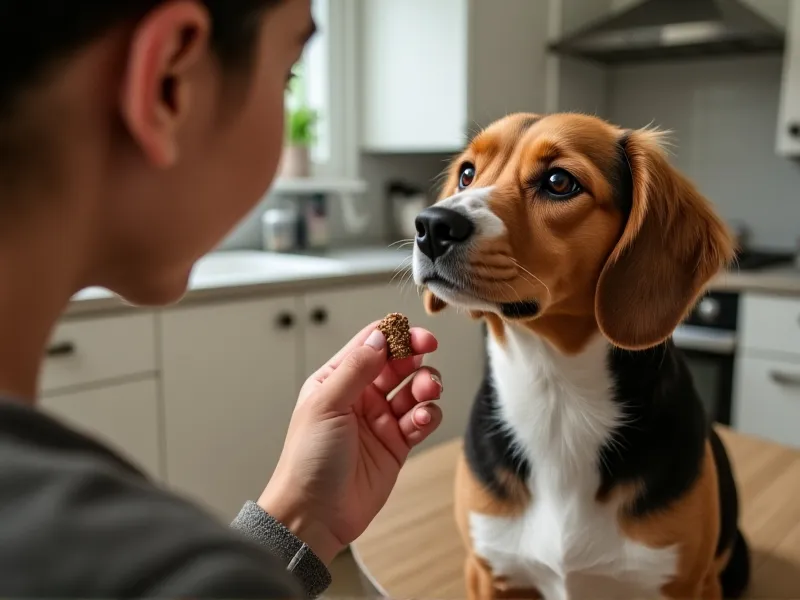
Table of Contents
- Can Dogs Eat Clove Spice? The Short Answer
- Potential “Benefits” of Cloves (But Proceed with Caution)
- Risks of Feeding Cloves to Dogs: Why They’re Best Avoided
- How Much Clove Spice Is Safe for Dogs? (Spoiler: None)
- Healthier Alternatives to Cloves for Dogs
- FAQ: Your Clove Questions Answered
- Conclusion: Prioritize Your Dog’s Safety
Can Dogs Eat Clove Spice? The Short Answer
Let’s cut to the chase: No, dogs should not eat clove spice—period.
Cloves, whether whole, ground, or in oil form, contain a compound called eugenol, which is toxic to dogs even in small amounts. While cloves do have some nutritional value for humans (think antioxidants and minerals), the risks they pose to dogs far outweigh any potential benefits. From gastrointestinal upset to organ damage, feeding cloves to your dog could lead to serious health issues.
If your dog accidentally snags a tiny crumb of clove-spiced food, they might be okay (more on that later), but intentionally feeding cloves or foods heavily seasoned with them is never a good idea. Let’s break down why.
Potential “Benefits” of Cloves (But Proceed with Caution)
Before we dive into the risks, let’s acknowledge why someone might wonder if cloves are safe for dogs in the first place. Cloves are nutrient-dense for humans, packing in:
- Antioxidants: Compounds like eugenol (yes, the same one that’s toxic to dogs!) and gallic acid, which fight inflammation and oxidative stress.
- Vitamins and minerals: Small amounts of vitamin K, vitamin C, potassium, magnesium, and fiber.
- Antibacterial properties: Cloves have been used in traditional medicine to fight bacteria and support oral health (in humans).
But here’s the catch: Dogs do not need cloves to get these nutrients. A high-quality, balanced dog food is specifically formulated to meet all their nutritional needs, including vitamins, minerals, and fiber. There’s no scenario where adding cloves to your dog’s diet would improve their health—and plenty where it could harm them.
Risks of Feeding Cloves to Dogs: Why They’re Best Avoided
Now, let’s get to the critical part: the dangers of clove spice for dogs. Even small doses can cause problems, and larger amounts could be life-threatening. Here’s what you need to know:
1. Eugenol Toxicity: The Primary Danger
The biggest risk of cloves for dogs is eugenol, the active compound that gives cloves their signature scent and flavor. Eugenol is classified as a phenylpropene—a type of organic compound that, in high doses, is toxic to dogs.
According to the Pet Poison Helpline, eugenol can irritate a dog’s gastrointestinal tract, damage the liver, and even affect the central nervous system in severe cases. Symptoms of eugenol toxicity include:
- Vomiting or diarrhea (sometimes with blood)
- Drooling or pawing at the mouth (signs of oral irritation)
- Lethargy or weakness
- Loss of appetite
- Tremors or seizures (in extreme cases)
Liver damage is a particular concern because dogs’ livers are less efficient at processing certain compounds than humans. Even a small amount of clove spice could overwhelm their system, leading to long-term issues.
2. Choking and Intestinal Blockage Risks
Whole cloves are small, hard, and irregularly shaped—making them a major choking hazard, especially for small dogs or those who gulp their food without chewing. If swallowed whole, cloves can also get stuck in the esophagus, stomach, or intestines, causing a blockage. Intestinal blockages are emergencies that often require surgery to resolve, so it’s not worth the risk.
3. Stomach Upset and Irritation
Even if your dog doesn’t experience full-blown toxicity, cloves are highly aromatic and pungent, which can irritate their sensitive digestive systems. Ground clove spice, in particular, is concentrated and can cause:
- Nausea or vomiting
- Abdominal pain or cramping
- Diarrhea (sometimes watery or bloody)
Dogs have shorter digestive tracts than humans, and their stomachs are less equipped to handle spicy or strong-smelling foods. What tastes “warm” to us might feel like a burning sensation to them.
4. Hidden Dangers in Clove-Infused Foods
Cloves are rarely eaten alone—they’re usually mixed into dishes with other ingredients, many of which are also toxic to dogs. For example:
- Sugar: Clove-spiced treats like cookies, pies, or cider are often loaded with sugar, which can lead to obesity, dental decay, or even diabetes in dogs.
- Garlic/onion: Some recipes (like stews or marinades) pair cloves with garlic or onion, both of which are toxic to dogs and can cause anemia.
- Alcohol: Spiced drinks like mulled wine contain alcohol, which is poisonous to dogs.
Even if a dish has “just a pinch” of cloves, the other ingredients could make it dangerous.
How Much Clove Spice Is Safe for Dogs? (Spoiler: None)
You might be thinking, “What if I give my dog a tiny amount? Like, a sprinkle on their food?” Unfortunately, there’s no “safe” dose of clove spice for dogs.
The toxicity of eugenol depends on your dog’s size, weight, and overall health. A small dog (e.g., a Chihuahua or Yorkie) could experience symptoms from just a pinch of ground cloves, while a larger dog (e.g., a Great Dane) might tolerate slightly more—but even then, it’s not worth testing.
Veterinarians agree: The best policy is to avoid cloves entirely. There’s no nutritional benefit that justifies the risk of toxicity, choking, or stomach upset.
Healthier Alternatives to Cloves for Dogs
If you want to add flavor or extra nutrients to your dog’s diet, skip the cloves and opt for these dog-safe alternatives instead:
Safe Spices for Dogs (In Moderation)
- Cinnamon: A sprinkle of cinnamon can add warmth to your dog’s food and may even help regulate blood sugar. Just avoid cinnamon oil, which is concentrated.
- Turmeric: This golden spice has anti-inflammatory properties (thanks to curcumin). Mix a tiny bit (1/4 teaspoon for small dogs, 1 teaspoon for large dogs) into their food with a dash of black pepper to boost absorption.
- Ginger: Fresh or ground ginger can soothe an upset stomach and aid digestion. Start with 1/8 teaspoon for small dogs, 1/4 teaspoon for large dogs.
Nutrient-Rich Fruits and Veggies
Instead of spices, try adding these fresh foods to your dog’s meals for extra vitamins, fiber, and antioxidants:
- Carrots: Crunchy and high in fiber, carrots support dental health and are low in calories.
- Blueberries: Packed with antioxidants, blueberries are a sweet, dog-friendly treat.
- Bananas: A great source of potassium (which cloves also have!) and natural sugars for a quick energy boost.
- Sweet potatoes: Cooked sweet potato is rich in fiber, vitamin A, and beta-carotene—perfect for dogs.
Commercial Dog Treats
When in doubt, stick to treats made specifically for dogs. Look for options with simple, whole-food ingredients (e.g., pumpkin, peanut butter, or salmon) and no added spices or sugars.
FAQ: Your Clove Questions Answered
Q: My dog accidentally ate a clove—what should I do?
A: Stay calm. If it was a single whole clove or a tiny sprinkle of ground spice, monitor your dog for 24 hours. Watch for vomiting, diarrhea, drooling, or lethargy. If they show any symptoms, contact your vet immediately. For larger amounts (e.g., a spoonful of ground cloves) or if your dog is small, call the Pet Poison Helpline (1-855-764-7661) or your vet right away—they may recommend inducing vomiting or other treatments.
Q: Is clove oil safe for dogs?
A: No! Clove oil is much more concentrated than whole or ground cloves and contains high levels of eugenol. Even a drop can cause severe mouth irritation, liver damage, or respiratory issues in dogs. Avoid using clove oil on their skin, in their ears, or near their nose.
Q: Are other spices in the “clove family” safe?
A: No. Allspice (which tastes like a mix of cloves, cinnamon, and nutmeg) also contains eugenol and is toxic to dogs. Nutmeg, another warm spice, is toxic and can cause seizures. Stick to the safe spices listed above.
Q: Can dogs have clove-flavored toothpaste?
A: Some dog toothpastes are flavored with “clove” for humans, but they’re actually made with eugenol-free formulas. Always check the label—look for toothpaste specifically marketed for dogs, which is safe to swallow. Avoid human toothpaste, which contains fluoride (toxic to dogs).
Conclusion: Prioritize Your Dog’s Safety
At the end of the day, our dogs rely on us to make smart choices about their health. While it’s tempting to share the foods we love, cloves are one spice that’s best kept out of their bowls.
Remember: A balanced dog food provides all the nutrients your pup needs, and there are plenty of safe, delicious alternatives to clove spice. If you ever have questions about a food’s safety, don’t hesitate to reach out to your vet—they’re your best resource for keeping your dog happy and healthy.
Here’s to many more tail-wagging meals—minus the cloves!
References
- Pet Poison Helpline. (n.d.). Clove Poisoning in Dogs and Cats. https://www.petpoisonhelpline.com/poison/clove/
- American Society for the Prevention of Cruelty to Animals (ASPCA). (n.d.). Toxic and Non-Toxic Plants. https://www.aspca.org/pet-care/animal-poison-control/toxic-and-non-toxic-plants
- VCA Animal Hospitals. (n.d.). Human Foods to Avoid Feeding Your Pet. https://vcahospitals.com/know-your-pet/human-foods-to-avoid-feeding-your-pet