· 8 min read
Can Dogs Eat Chili? The Surprising Truth Every Pet Parent Should Know
It’s a cozy Sunday afternoon, and you’re savoring a bowl of your favorite chili—thick, spiced, and brimming with beans, meat, and veggies. Across the table, your dog sits, tail wagging furiously, nose twitching at the aroma. You can almost hear their silent plea: “Just a bite? Please?”
As a pet parent, it’s natural to want to share the foods you love with your furry friend. But when it comes to chili, the answer isn’t as simple as a yes or no. Is chili a harmless treat, or a hidden hazard for dogs? Let’s dive into the details to keep your pup safe and healthy.
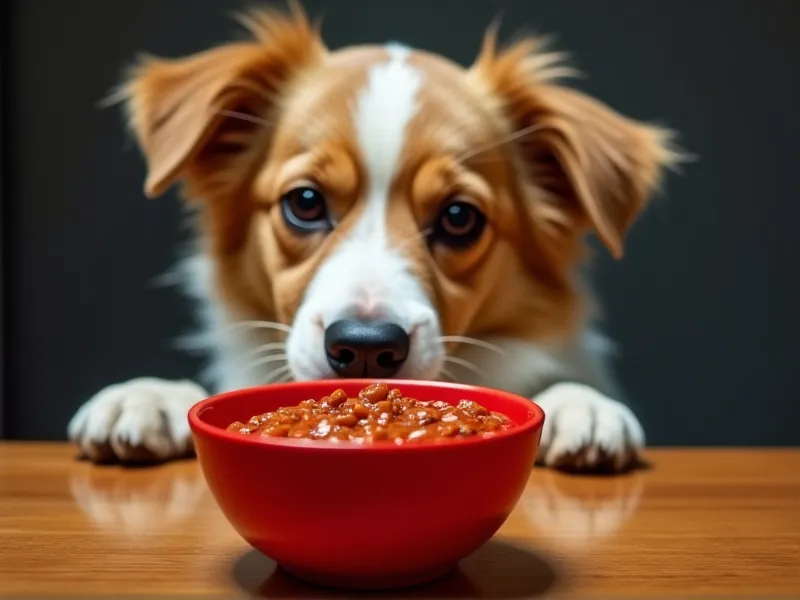
Table of Contents
- Can Dogs Eat Chili? The Short Answer
- Potential “Benefits” of Chili for Dogs (With Big Caveats)
- The Risks of Feeding Chili to Dogs: Why It’s Usually a Bad Idea
- If You Insist: How Much Chili Is “Safe” for Dogs?
- Healthier Alternatives to Chili for Your Pup
- FAQ: Common Questions About Dogs and Chili
- Conclusion: Prioritize Safety Over Sharing
Can Dogs Eat Chili? The Short Answer
Chili is generally not recommended for dogs. While a tiny, accidental bite of plain, unspiced chili might not harm your pup, most chili recipes include ingredients that are toxic, irritating, or dangerous to dogs. From spicy peppers to onions and garlic, the risks of feeding chili often far outweigh any potential benefits. Let’s break down why.
Potential “Benefits” of Chili for Dogs (With Big Caveats)
At first glance, chili might seem like it has some nutritional upside. After all, it’s often packed with protein, beans, and veggies—all things that sound healthy, right? Let’s explore the theoretical benefits, but with major asterisks.
1. Protein (If Lean and Unseasoned)
Many chili recipes use ground beef, turkey, or chicken as a base. Lean, cooked meat is a great source of protein for dogs, which supports muscle health, energy, and immune function. However, chili meat is almost always seasoned with salt, pepper, onions, or garlic—all of which are problematic (more on that later).
2. Fiber from Beans (In Small, Plain Portions)
Beans like kidney, black, or pinto beans are common in chili and are rich in fiber, which aids digestion. Plain, cooked beans (without added salt, sugar, or spices) can be a healthy treat for dogs in moderation. But in chili, beans are often mixed with spices, tomato sauce (which may have sugar), or fatty meat—turning a potentially safe food into a risky one.
3. Potassium and Vitamins from Veggies
Some chili recipes include bell peppers, tomatoes, or carrots (though not all). These veggies are safe for dogs and provide vitamins A, C, and potassium, which support eye health, immunity, and heart function. Again, the catch: these veggies are rarely the star of chili—they’re usually overshadowed by spicy peppers, onions, or garlic.
The bottom line: Any “benefits” of chili rely on the dish being stripped of all seasonings, toxic ingredients, and added sugars. At that point, it’s not really “chili”—it’s just plain meat, beans, and veggies. And there are safer ways to feed your dog those nutrients!
The Risks of Feeding Chili to Dogs: Why It’s Usually a Bad Idea
Now, let’s get to the real concern: the risks. Most chili recipes include one or more of these harmful ingredients, which can cause mild discomfort or severe health issues.
1. Toxic Ingredients: Onions and Garlic
Onions, garlic, leeks, and chives are part of the Allium family, and they’re toxic to dogs in all forms—raw, cooked, powdered, or dehydrated. Even small amounts can damage a dog’s red blood cells, leading to hemolytic anemia (a condition where red blood cells burst, reducing oxygen flow). Symptoms include weakness, lethargy, pale gums, and dark urine.
Unfortunately, onion and garlic powder are extremely common in chili seasoning mixes. A single spoonful of chili could contain enough to harm a small dog.
2. Capsaicin: The “Heat” That Hurts
Chili peppers (like jalapeños, cayenne, or chili powder) contain capsaicin, the compound that makes food spicy. Dogs have far fewer taste buds than humans, but they do feel the burn of capsaicin—on their tongues, in their throats, and even in their digestive tracts.
Capsaicin can cause:
- Burning sensations in the mouth and throat
- Excessive drooling, pawing at the face, or vomiting
- Diarrhea or abdominal pain
- In severe cases, inflammation of the digestive tract or difficulty breathing (rare, but possible with large amounts).
3. Added Sugar and Salt
Many chili recipes include tomato sauce, ketchup, or brown sugar to balance the heat. Added sugars can lead to obesity, dental issues, or diabetes in dogs. Excess salt (from seasoning or processed beans) can cause sodium ion poisoning, with symptoms like vomiting, diarrhea, tremors, or even seizures.
4. Choking Hazards
Large chunks of meat, whole beans, or tough veggies in chili can pose a choking risk, especially for small dogs or those who gulp their food. Beans can also expand in a dog’s stomach, leading to bloating (a life-threatening condition in some breeds).
5. Fatty Meat and Digestive Upset
Ground beef in chili is often high in fat. Fatty foods can trigger pancreatitis in dogs—a painful inflammation of the pancreas that requires emergency vet care. Symptoms include vomiting, diarrhea, loss of appetite, and abdominal pain.
If You Insist: How Much Chili Is “Safe” for Dogs?
Let’s be real: Accidents happen. Maybe your dog snuck a lick of chili off your plate, or you’re tempted to share a tiny bite. Here’s what to know:
The safest “amount” is none.
Chili is not a nutritionally necessary food for dogs, and the risks are too high to justify feeding it intentionally.
If Your Dog Ate Chili: What to Do
If your dog accidentally ate a small amount of chili (e.g., a spoonful), monitor them for symptoms like:
- Vomiting or diarrhea
- Lethargy or weakness
- Pawing at the face (sign of burning)
- Pale gums or dark urine (signs of anemia from onions/garlic).
If they ate chili with onions, garlic, or large amounts of capsaicin, call your vet immediately. Even a small amount of onion powder can be toxic to small dogs.
The “Hypothetical” Safe Chili (But Why Bother?)
If you really wanted to make a “dog-safe chili” (though we don’t recommend it), it would need to be:
- Made with lean, unseasoned meat (no salt, pepper, or spices)
- No onions, garlic, or chili peppers
- Plain, cooked beans (no added sugar or salt)
- No tomato sauce (or only a tiny bit of unsweetened, low-sodium tomato paste)
- Served in a very small portion (e.g., 1–2 teaspoons for a small dog, 1 tablespoon for a large dog).
But again—this is just plain meat and beans. Why not feed your dog that directly, without the hassle?
Healthier Alternatives to Chili for Your Pup
Instead of sharing chili, treat your dog to these safe, nutrient-packed alternatives that deliver the same benefits (protein, fiber, vitamins) without the risks:
1. Plain Cooked Meat
Lean chicken, turkey, or beef (boiled or baked, no salt/spices) is a great source of protein. Serve a small chunk as a treat or mix into their regular food.
2. Cooked Beans (Plain!)
Plain, cooked black beans, kidney beans, or lentils (rinsed to remove excess starch) are high in fiber and protein. Serve 1–2 tablespoons (depending on your dog’s size) as an occasional topping.
3. Sweet Potatoes
Baked or boiled sweet potatoes are rich in fiber, potassium, and vitamin A. They’re a tasty, low-calorie treat that most dogs love.
4. Carrots or Green Beans
Raw or cooked carrots (crunchy and good for teeth!) or green beans (high in fiber, low in calories) make great snacks.
5. Pumpkin (Plain, Canned)
Unsweetened, plain pumpkin (not pie filling!) is packed with fiber and helps soothe upset stomachs. Serve 1–2 teaspoons for small dogs, 1–2 tablespoons for large dogs.
FAQ: Common Questions About Dogs and Chili
Q: My dog ate a bite of my chili—should I panic?
A: Panic isn’t helpful, but monitor them closely. If the chili had onions, garlic, or chili peppers, call your vet. If it was plain (no spices/toxins) and a tiny bite, they’ll likely be fine, but watch for stomach upset.
Q: Can dogs have chili peppers (like jalapeños) alone?
A: No. Chili peppers contain capsaicin, which irritates dogs’ mouths and digestive tracts. Even a small pepper can cause vomiting or diarrhea.
Q: Is chili powder safe for dogs?
A: No. Chili powder often contains onion and garlic powder, which are toxic. Even pure chili powder has capsaicin, which is harmful.
Q: What if my chili has no onions or garlic—can my dog have it then?
A: Maybe a tiny taste, but it’s still not recommended. Chili is often high in salt, sugar, or fat, and capsaicin from peppers can still cause upset.
Q: Are beans in chili bad for dogs?
A: Plain, cooked beans are safe, but in chili, they’re usually mixed with spices, sugar, or fatty meat—making the whole dish risky.
Conclusion: Prioritize Safety Over Sharing
While it’s tempting to share your favorite chili with your pup, the risks (toxic onions/garlic, capsaicin irritation, choking hazards) make it a poor choice. Instead, opt for safe alternatives like plain meat, beans, or veggies that deliver the same nutrients without the danger.
Remember: When it comes to your dog’s diet, “better safe than sorry” is always the rule. If you’re ever unsure about a food, consult your vet—they’ll help you make the best choice for your furry friend.
Here’s to many more cozy meals with your pup… just keep the chili to yourself!
References
- American Society for the Prevention of Cruelty to Animals (ASPCA). Toxic and Non-Toxic Plants: Onion. aspca.org/pet-care/animal-poison-control/toxic-and-non-toxic-plants/onion
- American Kennel Club (AKC). Can Dogs Eat Chili Peppers? akc.org/expert-advice/food-and-nutrition/can-dogs-eat-chili-peppers
- VCA Animal Hospitals. Onion Toxicity in Dogs. vcahospitals.com/know-your-pet/onion-toxicity-in-dogs
- PetMD. Can Dogs Eat Beans? petmd.com/dog/nutrition/can-dogs-eat-beans