· 8 min read
Can Dogs Eat Raw Chicken? Benefits, Risks, and Safe Guidelines for Pet Parents
Picture this: You’re dicing raw chicken for tonight’s stir-fry, and your dog—tail wagging, nose twitching—plants themselves right at your feet. Those big, hopeful eyes seem to say, “C’mon, just a tiny piece?” It’s a moment every pet parent has faced. Raw chicken is a staple in many human diets, but is it safe to share with our furry friends?
The debate over raw feeding for dogs has raged for years. Advocates argue it’s “natural,” mimicking what dogs’ wild ancestors ate. But veterinarians and health experts often caution against it, citing serious risks. So, can dogs eat raw chicken? Let’s cut through the noise, weigh the pros and cons, and give you the facts to keep your pup healthy and happy.
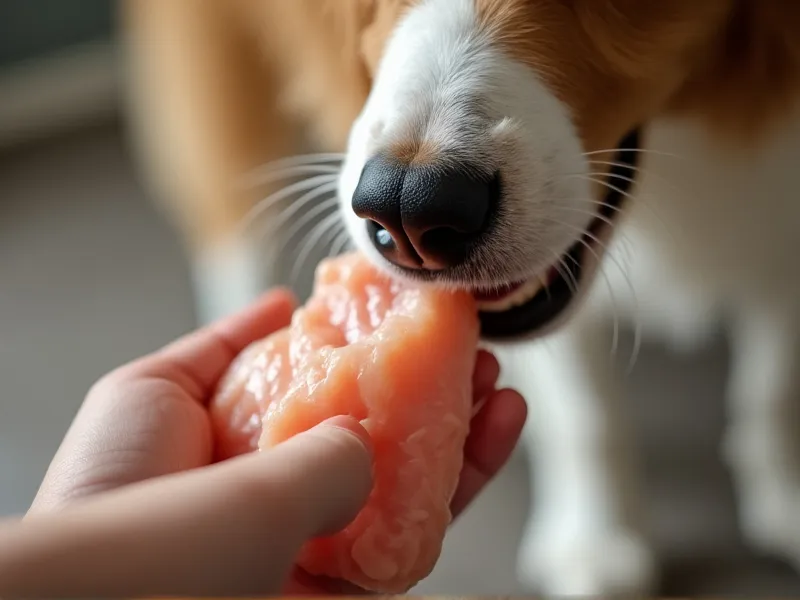
Table of Contents
- Can Dogs Eat Raw Chicken? The Short Answer
- Potential Benefits of Raw Chicken for Dogs
- The Risks of Feeding Raw Chicken to Dogs (Why Vets Warn Against It)
- If You Choose to Feed Raw Chicken: Safety Guidelines
- Healthier Alternatives to Raw Chicken
- FAQ: Your Raw Chicken Questions Answered
- Conclusion: Prioritizing Your Dog’s Safety
Can Dogs Eat Raw Chicken? The Short Answer
No, raw chicken is not recommended for dogs. While some raw feeding enthusiasts claim it’s beneficial, the risks—like bacterial infections, choking hazards, and nutrient imbalances—far outweigh the potential upsides. Most veterinarians, including the American Veterinary Medical Association (AVMA), advise against feeding raw meat to pets due to health concerns for both dogs and their human families.
That said, the topic isn’t black and white. Some dogs may eat raw chicken without immediate issues, but the danger lies in hidden threats (like bacteria or bones) that could lead to severe illness or injury. Let’s break down why raw chicken is risky, and what you need to know if you’re considering it.
Potential Benefits of Raw Chicken for Dogs
Before diving into the risks, let’s acknowledge why some pet parents consider raw chicken. Proponents of “raw feeding” (or BARF diets: Biologically Appropriate Raw Food) argue that raw meat aligns with a dog’s evolutionary diet, offering:
1. High-Quality Protein
Chicken is a lean, complete protein, meaning it contains all the essential amino acids dogs need for muscle growth, tissue repair, and energy. Raw chicken retains these amino acids, which are sometimes damaged by high-heat cooking.
2. Essential Nutrients
Raw chicken is rich in vitamins and minerals, including:
- B vitamins (B6, B12): Support brain function and energy metabolism.
- Iron and zinc: Aid in red blood cell production and immune health.
- Selenium: An antioxidant that protects cells from damage.
- Omega-3 fatty acids: Found in higher amounts in organic or free-range chicken, supporting skin, coat, and joint health.
3. Improved Digestibility (for Some Dogs)
Some dogs with sensitive stomachs may digest raw proteins more easily than cooked ones, though this varies widely. Proponents claim raw diets reduce allergies or skin issues, but there’s limited scientific evidence to back this up.
Important note: These benefits are not unique to raw chicken. Cooked chicken offers the same nutrients—without the risks. So while raw chicken can provide nutrition, it’s not the only (or safest) way to get it.
The Risks of Feeding Raw Chicken to Dogs (Why Vets Warn Against It)
The AVMA, FDA, and Centers for Disease Control and Prevention (CDC) all caution against raw meat for pets. Here’s why:
1. Bacterial Contamination: A Threat to Dogs and Humans
Raw chicken is a common carrier of harmful bacteria like Salmonella and Campylobacter. According to the FDA’s 2023 report, 15% of raw pet foods tested positive for Salmonella, and 34% for Listeria.
- For dogs: Infections can cause vomiting, diarrhea (sometimes bloody), fever, lethargy, or dehydration. In severe cases, bacteria can enter the bloodstream (sepsis) or damage organs. Puppies, senior dogs, and those with chronic illnesses (like kidney disease) are most at risk.
- For humans: Dogs can carry bacteria on their paws or in their feces, spreading it to people. The CDC warns that children, pregnant people, and immunocompromised individuals are especially vulnerable to “zoonotic” (animal-to-human) infections from raw pet food.
2. Chicken Bones: A Hidden Choking Hazard
Raw chicken bones—even small ones from wings, drumsticks, or necks—are dangerous. Unlike cooked bones (which splinter), raw bones can still:
- Choke your dog: Small bones can get stuck in the throat.
- Cause blockages: Bones can lodge in the esophagus, stomach, or intestines, requiring surgery to remove.
- Perforate organs: Sharp edges can tear the digestive tract, leading to life-threatening infections.
3. Parasites
Raw chicken may contain parasites like Toxoplasma gondii (which causes toxoplasmosis) or tapeworms. These can infect dogs and, in some cases, humans. For example, Toxoplasma is especially risky for pregnant women, as it can harm the fetus.
4. Unbalanced Diets
Feeding raw chicken as a main food source (without supplements) leads to nutrient deficiencies. Dogs need calcium, phosphorus, vitamins (like A and D), and fatty acids—all of which raw chicken alone can’t provide. Over time, this causes stunted growth (in puppies), weak bones, or organ damage.
If You Choose to Feed Raw Chicken: Safety Guidelines
If you’re set on raw feeding (despite veterinary advice), consult a board-certified veterinary nutritionist first to create a balanced diet. Then, follow these strict precautions to minimize risks:
1. Source Human-Grade Chicken
Buy chicken labeled “human-grade” (meant for people, not just pets). Avoid meat from factory farms, which may have higher bacteria levels. Free-range or organic options may be safer, but they’re not bacteria-proof.
2. Handle with Extreme Care
- Wash everything: Use hot, soapy water to clean counters, cutting boards, and utensils after touching raw chicken. Disinfect surfaces with a bleach solution (1 tablespoon bleach per gallon of water).
- Keep it cold: Store raw chicken in the fridge or freezer, and thaw it in the fridge (not on the counter) to prevent bacterial growth.
- Wash your hands: Scrub hands for 20 seconds after handling raw chicken or your dog’s food bowl.
3. Remove All Bones
Even “soft” raw bones (like necks) pose risks. Debone chicken completely before feeding.
4. Limit Portions
Raw chicken should be a small treat, not a meal. Aim for no more than 10-15% of your dog’s daily calories. For a 50-pound dog, that’s about 1-2 ounces of raw chicken per day (depending on activity level).
5. Monitor Your Dog Closely
Watch for signs of illness: vomiting, diarrhea, loss of appetite, or lethargy. If you notice these, contact your vet immediately.
6. Keep It Balanced
Add supplements (like calcium powder, fish oil, or multivitamins) to prevent deficiencies. A veterinary nutritionist can recommend exact amounts.
Healthier Alternatives to Raw Chicken
Cooked chicken is the safest, most nutritious alternative. Cooking kills bacteria and makes chicken easier to digest. Here’s how to serve it:
1. Plain, Cooked Chicken
- Boil, bake, or grill: No seasoning, oil, or sauces. Avoid garlic, onion, or salt—these are toxic to dogs.
- Shred or dice: Serve in small pieces to prevent choking.
- Use as a topper: Mix with kibble, veggies (carrots, green beans), or rice for a balanced meal.
2. Other Lean Proteins
If your dog loves chicken, try these safe alternatives:
- Turkey: Similar to chicken, low in fat.
- Salmon: Cooked, boneless salmon is rich in omega-3s (great for skin/coat).
- Lean beef: Ground beef or steak (cooked, no bones).
3. Commercial Dog Foods with Chicken
High-quality kibble or wet food with chicken as the first ingredient is a convenient, balanced option. Look for brands certified by the Association of American Feed Control Officials (AAFCO), which ensures the food meets nutritional standards.
FAQ: Your Raw Chicken Questions Answered
Q: My dog stole a piece of raw chicken off the counter! Should I panic?
A: Probably not, but monitor them closely. Most dogs will be fine, but watch for vomiting, diarrhea, or lethargy over the next 24-48 hours. If symptoms appear, call your vet.
Q: Are raw chicken necks safe for dogs to chew?
A: No. Even raw necks can break into sharp pieces or cause blockages. Stick to rubber chew toys instead.
Q: Can puppies eat raw chicken?
A: Puppies have weaker immune systems and need balanced nutrition for growth. Raw chicken is riskier for them—opt for cooked chicken or puppy-formulated food instead.
Q: Is raw chicken better than kibble?
A: No. High-quality kibble is designed to be nutritionally complete and safe. Raw diets require careful planning to avoid deficiencies and bacteria, making them harder to get right.
Q: My friend feeds their dog a raw diet and they’re healthy. Why can’t I?
A: Every dog is different, and some may tolerate raw food without issues. However, the risk of long-term health problems (like infections or nutrient gaps) is still present. It’s not worth gambling with your dog’s safety.
Conclusion: Prioritizing Your Dog’s Safety
The question “can dogs eat raw chicken?” doesn’t have a one-size-fits-all answer, but the evidence leans heavily toward caution. While raw chicken offers some nutrients, the risks of bacterial illness, choking, and parasites make it an unnecessary gamble.
For most pet parents, cooked chicken is the best choice—it’s safe, nutritious, and easy to prepare. If you’re considering a raw diet, work with a veterinary nutritionist to ensure it’s balanced and safe.
At the end of the day, your dog’s health depends on informed choices. When in doubt, consult your vet—they know your dog’s unique needs and can help you make the best decision.
Here’s to happy, healthy pups (and fewer stressful raw chicken dilemmas)!
References:
- American Veterinary Medical Association (AVMA). (2022). Raw Pet Food. avma.org/resources/pet-owners/nutrition/raw-pet-food
- U.S. Food and Drug Administration (FDA). (2023). Raw Pet Food: A Risky Choice for Pets and People. fda.gov/animal-veterinary/animal-health-literacy/raw-pet-food-risky-choice-pets-and-people
- Centers for Disease Control and Prevention (CDC). (2021). Zoonotic Diseases from Raw Pet Food. cdc.gov/healthypets/pets/pet-food-safety.html
- World Small Animal Veterinary Association (WSAVA). (2020). Global Nutrition Guidelines. wsava.org/guidelines/global-nutrition-guidelines