· 11 min read
Can Dogs Eat Chicken Poop? The Surprising Truth Every Pet Parent Should Know
Picture this: You’re outside enjoying a quiet morning, coffee in hand, when your dog suddenly darts toward the chicken coop. Before you can yell “no!”, they’re chowing down on something unidentifiable… until you realize: it’s chicken poop. Cue the cringe, the frantic cleanup, and the all-too-common question: “Is this going to make my dog sick?”
If you’re a dog parent with backyard chickens (or even just a curious pet owner), you’ve probably wondered whether chicken poop is safe for your pup. After all, dogs are notorious for eating weird things—from socks to grass to, yes, feces. But is chicken poop just another harmless (if gross) snack, or is it a hidden health hazard?
In this post, we’ll break down the facts: the short answer to whether dogs can eat chicken poop, the potential (and very limited) “benefits,” the real risks you need to watch for, and healthier alternatives to keep your dog happy and healthy. Let’s dive in.
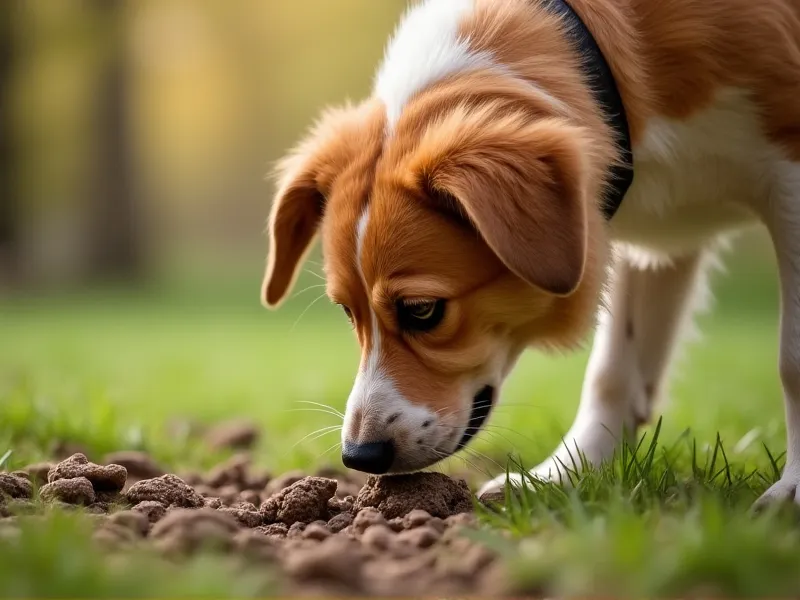
Table of Contents
- The Short Answer: Can Dogs Eat Chicken Poop?
- Potential “Benefits” (Yes, There Are a Few—But Let’s Be Real)
- The Risks: Why Chicken Poop Isn’t a Superfood
- How Much Chicken Poop Is Safe? (Hint: Probably None)
- Healthier Alternatives to Satisfy Their Cravings
- FAQ: Your Burning Questions Answered
- Conclusion: Prioritize Safety Over Curiosity
- References
## The Short Answer: Can Dogs Eat Chicken Poop?
Let’s cut to the chase: Dogs can technically eat chicken poop without dropping dead on the spot, but that doesn’t mean it’s safe or recommended.
Chicken feces isn’t toxic to dogs, but it’s far from a “healthy” snack. Think of it like junk food for dogs: it might not kill them, but it offers little nutritional value and comes with a long list of risks. In most cases, the downsides (like stomach upset, parasites, or infections) far outweigh any minor “benefits.”
## Potential “Benefits” (Yes, There Are a Few—But Let’s Be Real)
Before we panic, let’s acknowledge the elephant in the room: Why would a dog eat chicken poop, anyway? Could there be any upside?
In the wild, some animals (including canines) eat feces to survive. For example, mother dogs lick their puppies’ poop to clean the den, and wolves might eat feces to recycle nutrients or hide traces of their presence. For domestic dogs, chicken poop might seem appealing for a few (very limited) reasons:
1. Trace Nutrients (But Not Enough to Matter)
Chicken poop is, well, the waste product of a chicken’s diet. If the chickens are fed a nutrient-rich diet (think grains, seeds, or even leftover veggies), their feces might contain tiny amounts of undigested fiber, potassium, or B vitamins.
But here’s the catch: These nutrients are minuscule. A dog would need to eat a lot of chicken poop to get any meaningful benefit—and by then, the risks would far outweigh the gains. Your dog’s regular kibble or fresh food diet already provides all the fiber, potassium, and vitamins they need.
2. Fiber (But It’s Not the Good Kind)
Chicken poop does contain fiber, thanks to undigested plant matter from the chicken’s diet. Fiber is important for dogs’ digestion, but this is not the way to get it. The fiber in chicken poop is unregulated, potentially mixed with bacteria, and paired with other gross stuff (like feathers or bedding). It’s like choosing to eat a moldy salad instead of a fresh one—why bother?
The Bottom Line on “Benefits”
In short: There’s no nutritional reason to let your dog eat chicken poop. Any “benefits” are negligible, and there are plenty of safer ways to boost their fiber, potassium, or vitamins.
## The Risks: Why Chicken Poop Isn’t a Superfood
Now, let’s get to the important part: the risks. While chicken poop isn’t toxic, it’s a breeding ground for bacteria, parasites, and other nasties that can make your dog (and even you!) sick. Here’s what you need to watch out for:
1. Bacterial Infections: Salmonella, E. Coli, and More
Chickens are known carriers of bacteria like Salmonella and E. coli, which live in their digestive tracts and end up in their feces. When your dog eats chicken poop, they ingest these bacteria—putting them at risk for gastrointestinal (GI) upset, diarrhea, vomiting, or even more serious infections.
- Salmonella: Symptoms in dogs include diarrhea (sometimes bloody), fever, lethargy, and loss of appetite. In severe cases, it can spread to the bloodstream and cause sepsis.
- E. coli: While most strains are harmless, some (like E. coli O157:H7) produce toxins that cause vomiting, diarrhea, and abdominal pain.
Worse, dogs can pass these bacteria to humans through their saliva or feces. So if your dog licks you after eating chicken poop, you could get sick too. The CDC warns that pets are a common source of Salmonella transmission to humans—so this isn’t just a dog problem; it’s a family problem.
2. Parasites: Worms, Coccidia, and Beyond
Chicken poop is a hotbed for parasites. Chickens can carry internal parasites like coccidia (a single-celled organism that causes diarrhea), roundworms, or tapeworms. When your dog eats the poop, these parasites can infect them, leading to:
- Diarrhea (sometimes with blood or mucus)
- Weight loss
- Lethargy
- Abdominal pain
Puppies, senior dogs, or dogs with weak immune systems are especially at risk. Even if your dog is on a dewormer, some parasites (like coccidia) aren’t always covered by standard medications.
3. Stomach Upset: Even Without Pathogens
Even if the chicken poop is “clean” (no bacteria or parasites), it’s still a foreign substance to your dog’s gut. The sudden introduction of undigested chicken feed, feathers, or bedding can irritate their stomach, leading to:
- Vomiting
- Diarrhea
- Gas
- Loss of appetite
For dogs with sensitive stomachs (like those with IBS or food allergies), this irritation can be severe and long-lasting.
4. Choking Hazards: Hidden Bits in the Poop
Chicken poop isn’t just “poop”—it can contain bits of undigested chicken feed, eggshell fragments, straw, or even small stones from the coop. These hard or sharp pieces can get stuck in your dog’s throat, causing choking, or damage their digestive tract (like tears or blockages).
Puppies, with their smaller throats, are at higher risk here. Even adult dogs could struggle with larger debris.
5. Excess Sugar: From Chicken Treats or Feed
Many chicken owners feed their flock treats like scratch grains, corn, or even fruit (like watermelon rinds). These sugary snacks end up in the chicken’s poop, making it a sweet (but dangerous) temptation for dogs.
Too much sugar can lead to obesity, dental decay, or even diabetes in dogs. And since chicken poop is unregulated, you have no idea how much sugar your dog is ingesting—making it a hidden calorie bomb.
The Bottom Line on Risks
Chicken poop is a cocktail of bacteria, parasites, and potential choking hazards. Even a small amount can cause stomach upset, and repeated exposure raises the risk of serious infections. It’s just not worth it.
## How Much Chicken Poop Is Safe? (Hint: Probably None)
So, if your dog snuck a quick nibble of chicken poop while you weren’t looking, should you panic? Probably not—occasional, small amounts are unlikely to cause severe harm, especially for healthy adult dogs. But “safe” is a stretch.
The truth is: There’s no “recommended” amount of chicken poop for dogs. The best policy is to prevent them from eating it altogether.
If your dog does eat chicken poop:
- Monitor them for 24–48 hours for symptoms like diarrhea, vomiting, lethargy, or loss of appetite.
- If they show any signs of illness, contact your vet immediately.
- Clean up the coop regularly to reduce temptation (more on that later!).
## Healthier Alternatives to Satisfy Their Cravings
Dogs eat weird things for a reason—sometimes it’s boredom, curiosity, or even a subconscious nutrient craving. If your dog is fixated on chicken poop, try these safer alternatives to redirect their attention:
1. For Fiber: Plain Pumpkin (Canned or Cooked)
Instead of letting them get fiber from chicken poop, offer plain, unsweetened pumpkin. Pumpkin is rich in soluble fiber, which supports healthy digestion and can even firm up loose stools. Serve 1–2 tablespoons (depending on your dog’s size) mixed into their food.
2. For Potassium: Mashed Banana
Bananas are a natural source of potassium, plus vitamins B6 and C. Mash a small slice (1–2 inches for small dogs, ½ banana for large dogs) and mix it into their meals or offer it as a treat. Just go easy—bananas are high in sugar, so limit to once or twice a week.
3. For Protein: Cooked Chicken Breast
If your dog is drawn to the “chicken” part of chicken poop, skip the middleman and offer cooked, unseasoned chicken breast. It’s a lean protein source that’s safe, delicious, and packed with nutrients like iron and zinc. Serve 1–3 ounces (depending on size) as an occasional treat.
4. For Crunch: Carrot Sticks or Apple Slices
Dogs love crunchy snacks, and raw carrot sticks or apple slices (without seeds) are perfect. They’re low in calories, high in fiber, and help clean teeth. Plus, they’ll keep your dog busy—distracting them from the chicken coop.
5. For Boredom: Interactive Toys or Puzzle Feeders
Sometimes dogs eat weird things out of boredom. Keep their minds busy with puzzle feeders, chew toys (like Kongs stuffed with peanut butter), or daily walks. A tired, stimulated dog is less likely to seek out “snacks” from the chicken coop.
6. For Nutrient Gaps: High-Quality Dog Food
If your dog is eating poop because their diet is lacking, upgrade their food. Look for a high-quality kibble or fresh diet with real meat, whole grains, and added vitamins (like B vitamins and zinc). Consult your vet to rule out deficiencies (e.g., low stomach acid or enzyme issues) that might be driving the behavior.
Bonus Tip: Secure the Chicken Coop
Prevention is key! Fence off the chicken coop with a low barrier (dogs can’t jump over 2–3 feet) or use chicken wire to block access. Clean the coop daily to remove fresh poop, and keep your dog supervised when they’re outside.
## FAQ: Your Burning Questions Answered
Q: Why does my dog eat chicken poop, anyway?
A: Dogs eat feces (a behavior called coprophagia) for many reasons:
- Instinct: In the wild, mother dogs eat puppies’ feces to clean the den, and wolves might eat feces to hide their scent from predators.
- Boredom: A understimulated dog may turn to poop as a “toy” or distraction.
- Nutrient gaps: If their diet lacks vitamins (like B12), enzymes, or fiber, they might seek it out elsewhere.
- Curiosity: Let’s face it—dogs are weird, and sometimes they just want to taste new things!
Q: Is chicken poop more dangerous than other animal poop?
A: It depends on the animal, but chicken poop does carry unique risks. Chickens live in close quarters, so their feces often has higher levels of bacteria (like Salmonella) than, say, cow or horse poop. Plus, chicken coops can harbor parasites like coccidia, which are especially harmful to dogs.
Q: My dog ate chicken poop and now has diarrhea. What should I do?
A: Start by withholding food for 12–24 hours (but keep water available) to let their stomach rest. After that, offer a bland diet (boiled chicken and rice) in small portions. If diarrhea lasts more than 24 hours, or if you see blood, lethargy, or vomiting, contact your vet—they may need antibiotics or parasite treatment.
Q: Can puppies eat chicken poop?
A: Puppies have weaker immune systems and smaller digestive tracts, so chicken poop is riskier for them. Puppies are also more likely to get parasites (like coccidia), which can cause severe diarrhea and dehydration. Keep puppies away from chicken coops entirely until they’re older and fully vaccinated/dewormed.
## Conclusion: Prioritize Safety Over Curiosity
At the end of the day, the question “can dogs eat chicken poop?” has a simple answer: They can, but they shouldn’t. While it might not be toxic, chicken poop is a breeding ground for bacteria, parasites, and choking hazards—with zero nutritional upside.
If your dog sneaks a bite, don’t panic—just monitor them for symptoms. But the best approach is prevention: secure the chicken coop, keep your yard clean, and offer healthy alternatives to satisfy their cravings. And if your dog is obsessed with poop-eating, talk to your vet—they can rule out underlying issues like nutrient deficiencies or boredom.
Your dog’s health (and your peace of mind) are worth the extra effort. Here’s to a poop-free snack time!
- American Society for the Prevention of Cruelty to Animals (ASPCA). “Dog Nutrition: What’s Best for Your Pet.” aspca.org
- American Veterinary Medical Association (AVMA). “Zoonotic Diseases: What You Need to Know.” avma.org
- VCA Hospitals. “Coprophagia in Dogs.” vcahospitals.com
- Centers for Disease Control and Prevention (CDC). “Salmonella and Pets.” cdc.gov
- Journal of Veterinary Behavior. “Coprophagia in Dogs: A Review of Causes and Management.” (2019).
Disclaimer: This article is for informational purposes only and not a substitute for professional veterinary advice. Always consult your vet with questions about your dog’s diet or health.