· 8 min read
Can Dogs Eat Chicken Livers Raw? The Surprising Truth About This Nutrient-Packed Treat
It’s a familiar scene: You’re prepping dinner, and as you rinse a package of chicken livers, your dog appears at your feet—tail thumping, nose quivering, eyes locked on the raw meat. “They look so eager,” you think. “Livers are super healthy, right? Maybe this is a natural, nutrient-dense snack?” But then doubt creeps in: Is raw chicken liver safe for dogs?
If you’ve ever wondered whether to share that raw liver with your pup, you’re not alone. Chicken livers are a staple in many “whole food” or raw diets for dogs, lauded for their vitamins and minerals. But raw meat—especially poultry—comes with risks, too. In this post, we’ll break down the facts: the benefits of chicken livers, the dangers of feeding them raw, how to safely incorporate them into your dog’s diet, and healthier alternatives. Let’s dive in!
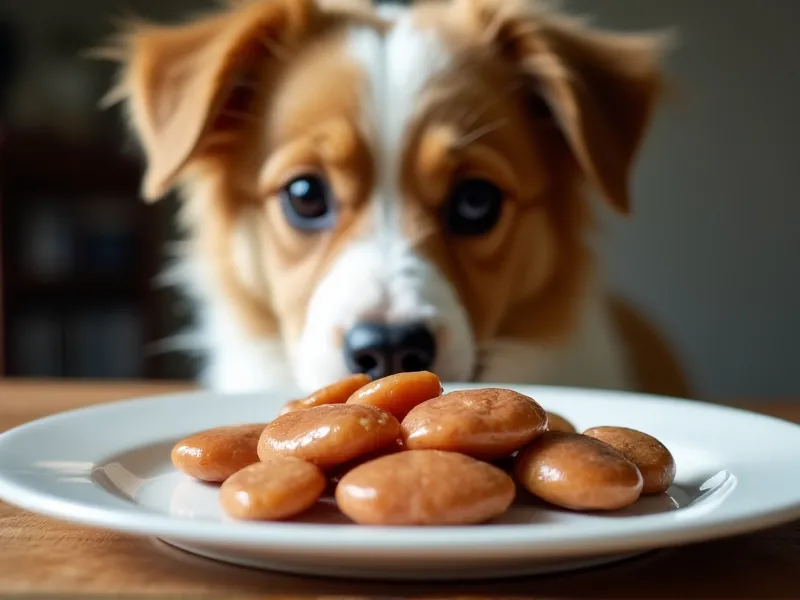
Table of Contents
- Can Dogs Eat Raw Chicken Livers? The Short Answer
- The Benefits of Chicken Livers for Dogs: Why They’re a Nutrient Powerhouse
- The Risks of Feeding Raw Chicken Livers to Dogs
- Safe Feeding Guidelines: How Much (and How) to Offer
- Healthier Alternatives to Raw Chicken Livers
- FAQ: Your Raw Chicken Liver Questions Answered
- Conclusion: Prioritize Safety and Moderation
- References
Can Dogs Eat Raw Chicken Livers? The Short Answer
No, raw chicken livers are not recommended for dogs. While chicken livers are incredibly nutrient-dense (we’ll get to that!), raw poultry—including livers—poses significant health risks. The primary concerns are bacterial contamination (like Salmonella or E. coli) and the potential for nutrient imbalances (such as vitamin A toxicity). Cooked chicken livers, on the other hand, are generally safe in moderation and offer all the same benefits without the risks.
Think of it this way: Livers are like a “superfood” for dogs, but raw preparation is like leaving the wrapper on—you’re missing out on the good stuff while inviting unnecessary danger. Let’s unpack why.
The Benefits of Chicken Livers for Dogs: Why They’re a Nutrient Powerhouse
Before we dive into the risks, let’s celebrate why chicken livers are so popular among pet parents. Nature packed these small organs with a laundry list of vitamins, minerals, and other nutrients that support your dog’s overall health. Here’s what makes them a standout:
🌟 Key Nutrients in Chicken Livers
- Vitamin A: Critical for eye health, skin and coat vitality, and immune function. A single ounce of chicken liver contains over 10,000 IU of vitamin A—more than a dog’s daily requirement (though this is a double-edged sword, as we’ll see later).
- B Vitamins: Rich in B12 (supports nerve function and red blood cells), folate (aids cell repair), and riboflavin (boosts energy metabolism). These are especially important for senior dogs or those with anemia.
- Iron: Essential for healthy blood cells and oxygen transport. Iron deficiency can lead to fatigue, weakness, and poor growth in puppies.
- Zinc: Supports immune health, wound healing, and thyroid function.
- Protein: A complete protein source, with all the amino acids dogs need for muscle maintenance and growth.
For dogs on commercial kibble diets, which sometimes lack fresh, whole-food nutrients, a small serving of cooked chicken liver can act as a “nutrient boost.” Think of it as a multivitamin in meat form!
The Risks of Feeding Raw Chicken Livers to Dogs
Now, let’s address the elephant in the room: Why is raw chicken liver a bad idea? While the nutrients are impressive, raw preparation introduces avoidable dangers. Here’s what you need to know:
🦠 Bacterial Contamination: Salmonella, E. Coli, and More
Raw chicken—including livers—is a common carrier of harmful bacteria like Salmonella and E. coli. According to the FDA, these pathogens can make dogs sick (symptoms include vomiting, diarrhea, lethargy, and fever) and spread to humans via contact with your dog’s saliva or feces (a risk known as zoonosis).
Dogs have stronger stomach acids than humans, which helps them tolerate some bacteria, but they’re not immune. Puppies, senior dogs, or those with weakened immune systems (e.g., due to illness or medication) are especially vulnerable. Even healthy dogs can become carriers, passing bacteria to family members—including children, the elderly, or immunocompromised individuals.
🚫 Vitamin A Toxicity: Too Much of a Good Thing
Chicken livers are extremely high in vitamin A, and unlike water-soluble vitamins (like B vitamins), vitamin A is fat-soluble. This means excess amounts build up in the liver over time, leading to hypervitaminosis A—a serious condition.
Symptoms of vitamin A toxicity include:
- Joint pain or stiffness (due to bone and cartilage damage)
- Loss of appetite
- Vomiting or diarrhea
- Lethargy
- Dry, flaky skin
While this is rare, it’s more likely if dogs eat raw liver frequently or in large portions. Even cooked liver can cause issues if overfed, but raw liver is often fed more casually (e.g., as an unmeasured “treat”), increasing the risk.
🤢 Digestive Upset
Raw meat—livers included—can be hard on some dogs’ stomachs, especially if they’re not used to it. Sudden introduction of raw liver may lead to diarrhea, gas, or vomiting, even in healthy dogs.
🐶 Choking Hazard
Whole or large pieces of raw liver can pose a choking risk, especially for small breeds or dogs who gulp their food. Raw liver is soft but can still get stuck in the throat if not chopped properly.
Safe Feeding Guidelines: How Much (and How) to Offer
If raw is off the table, can dogs have cooked chicken livers? Absolutely—when fed correctly! Here’s how to safely incorporate this nutrient-dense treat into your dog’s diet:
✅ Always Cook the Liver
Cooking eliminates harmful bacteria like Salmonella and E. coli. Simply boil, bake, or steam the liver (no added oils, salt, garlic, or onions—these are toxic to dogs!). Avoid frying, as excess fat can cause pancreatitis.
✅ Portion Control is Key
Even cooked liver should be a treat, not a meal. Aim for:
- Small dogs (under 20 lbs): 1–2 teaspoons, 2–3 times per week.
- Medium dogs (20–50 lbs): 1–2 tablespoons, 2–3 times per week.
- Large dogs (50+ lbs): 2–3 tablespoons, 2–3 times per week.
A good rule of thumb: Liver should make up no more than 5–10% of your dog’s total daily calories. Overfeeding can still lead to vitamin A toxicity, so stick to these guidelines!
✅ Prep for Safety
- Chop into small pieces: This reduces choking risk, especially for small breeds.
- Cool before serving: Hot liver can burn your dog’s mouth.
- Avoid seasoning: Garlic, onions, salt, and spices are harmful to dogs. Plain, cooked liver is best.
✅ Introduce Slowly
If your dog has never had liver before, start with a tiny amount (e.g., ¼ teaspoon for small dogs) and monitor for 24–48 hours. If they tolerate it, gradually increase to the recommended portion.
Healthier Alternatives to Raw Chicken Livers
If you’re hesitant to feed liver at all, or your dog needs a lower-vitamin-A option, here are some safe, nutrient-rich alternatives:
🥩 Cooked Chicken Livers (The Best Alternative!)
We can’t强调 this enough: Cooked liver is the gold standard. It retains all the nutrients of raw liver but eliminates bacterial risks. It’s the easiest swap!
🥩 Other Cooked Organ Meats
- Beef liver: Slightly lower in vitamin A than chicken liver (but still nutrient-dense).
- Turkey liver: Similar to chicken liver but with a milder flavor.
- Kidney or heart: These are lower in vitamin A but still rich in B vitamins and protein.
🥦 Veggie Treats (Low-Calorie Options)
For dogs watching their weight or prone to vitamin A sensitivity, veggies like:
- Carrots (crunchy, low-calorie, and high in beta-carotene, which converts to vitamin A safely)
- Green beans (fiber-rich and low in calories)
- Blueberries (antioxidant-packed and sweet!)
These make great training treats or snacks.
FAQ: Your Raw Chicken Liver Questions Answered
Q: Can puppies eat raw chicken livers?
A: Puppies have developing immune systems and delicate stomachs, so raw liver is even riskier for them. Stick to cooked liver in tiny portions (e.g., ½ teaspoon for toy breeds) after 8–10 weeks of age, and consult your vet first.
Q: How often can I feed my dog cooked chicken liver?
A: 2–3 times per week at most. Daily feeding increases the risk of vitamin A buildup.
Q: My dog accidentally ate raw chicken liver—should I panic?
A: If it’s a small amount (e.g., a bite), monitor them for 24–48 hours for vomiting, diarrhea, or lethargy. If they show symptoms, or if they ate a large portion, contact your vet. Most dogs will be fine, but it’s better to be cautious.
Q: Are there dogs who should avoid chicken liver entirely?
A: Dogs with liver disease, vitamin A sensitivity, or a history of pancreatitis should avoid liver. Always check with your vet first if your dog has health issues.
Q: Is freeze-dried chicken liver safe?
A: Freeze-dried liver is a safer alternative to raw, as the freeze-drying process kills some bacteria. However, it’s still high in vitamin A, so feed sparingly (follow the package’s serving guidelines).
Conclusion: Prioritize Safety and Moderation
Chicken livers are a nutrient-dense superfood for dogs, but raw preparation introduces unnecessary risks—from bacterial infections to vitamin A toxicity. The good news? Cooked chicken liver lets your dog enjoy all the benefits without the dangers.
As with any new food, moderation is key. A small, cooked portion 2–3 times per week can boost your dog’s nutrient intake, but it should never replace their balanced, commercial diet. And when in doubt, consult your vet—they know your dog’s unique health needs best.
So next time your dog begs for a bite of liver, skip the raw and reach for the cooked. Their tail (and their health) will thank you!
References
- American Veterinary Medical Association (AVMA). (2022). Raw Pet Food. avma.org/resources/pet-owners/nutrition/raw-pet-food
- U.S. Food and Drug Administration (FDA). (2023). Raw Pet Foods: A Risk to You and Your Pet. fda.gov/animal-veterinary/animal-health-literacy/raw-pet-foods
- Tufts University Cummings School of Veterinary Medicine. (2021). Nutrition Notes: Organ Meats for Dogs and Cats. tuftscvm.org/news/ nutrition-notes-organ-meats-for-dogs-and-cats
- Cornell University College of Veterinary Medicine. (2020). Vitamin A Toxicity in Dogs. cornell.edu