· 9 min read
Can Dogs Eat Chex Mix? A Pet Parent’s Guide to Crunchy Snacks & Pup Safety
It’s movie night, and you’re settled in with a bowl of Chex Mix—salty, crunchy, and packed with that addictive mix of cereal, pretzels, and nuts. Beside you, your dog, Bella, plops down, tail thumping, nose twitching, and gives you that “I’ll love you forever if you share” stare. You pause. Is that snack safe for your pup? Can dogs eat Chex Mix, or is that innocent-looking crunch hiding hidden dangers?
If you’ve ever asked yourself this question, you’re not alone. As pet parents, we want to spoil our dogs, but we also need to keep them healthy. In this guide, we’ll break down everything you need to know about Chex Mix and dogs—from what’s in the snack to the risks, potential benefits (yes, there are a few), and safer alternatives to satisfy your pup’s crunch craving.
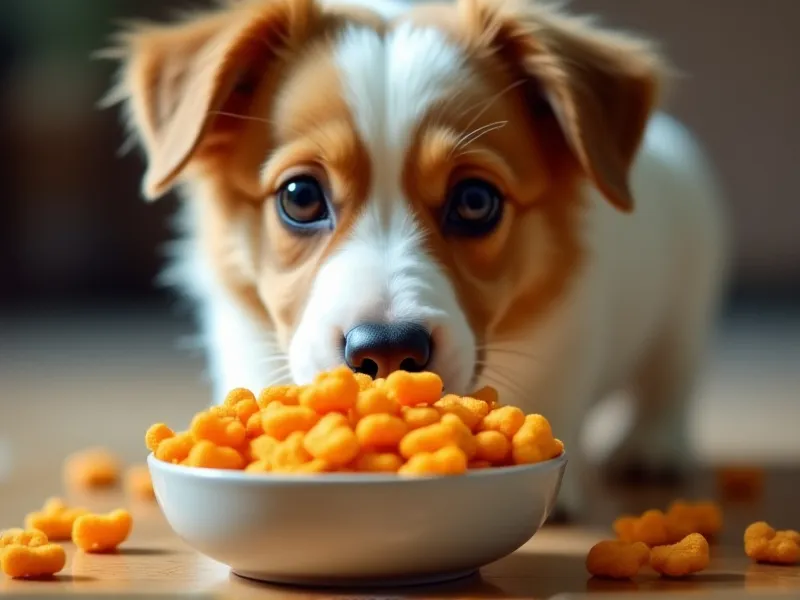
Table of Contents
- Can Dogs Eat Chex Mix? The Short Answer
- What’s Actually in Chex Mix?
- Potential Benefits: Are There Any Upsides?
- The Risks: Why Chex Mix Isn’t Ideal for Dogs
- Safe Serving Guidelines (If You Must Share)
- Healthier Alternatives to Chex Mix
- FAQ: Your Chex Mix & Dog Questions Answered
- Conclusion: Crunch Responsibly
- References
Can Dogs Eat Chex Mix? The Short Answer
Let’s cut to the chase: Most dogs can technically eat a tiny, one-time bite of plain Chex Mix without immediate harm, but it’s not a recommended treat.
Here’s why: Chex Mix is designed for human taste buds, not canine nutrition. Most varieties are high in salt, sugar, and artificial additives, and some contain choking hazards (like nuts) or even toxic ingredients (like chocolate). While a single Chex cereal piece or pretzel might not hurt your dog, regular or large servings could lead to serious health issues.
What’s Actually in Chex Mix?
To understand why Chex Mix is iffy for dogs, let’s break down its ingredients. The classic mix varies by flavor, but here’s what you’ll typically find:
Base Ingredients:
- Chex Cereal: Usually wheat, rice, or corn Chex. These are made from grains (sometimes whole grains) and are low in fat but often contain added salt.
- Pretzels: Small, salty, crunchy knots made from flour, water, and salt.
- Crackers: Mini saltine-like crackers or rye chips, often seasoned with extra salt or spices.
- Nuts: Peanuts, almonds, or (rarely) cashews are common. Some “party mixes” even include macadamia nuts (a red flag—more on that later!).
- Seasonings: Salt, sugar, garlic powder, onion powder, paprika, or artificial flavors (like “sour cream & onion” or “cheddar”).
- Add-Ins: Some varieties include chocolate chips, dried fruit, or sesame sticks.
Key Ingredients to Watch For:
Not all components are created equal. Let’s flag the ones that matter most for dogs:
- Salt: The biggest concern. A 1-cup serving of Original Chex Mix has ~290 mg of sodium—more than a small dog’s entire daily recommended limit (100–200 mg for toy breeds!).
- Sugar: Many flavored mixes (like “Honey Nut” or “Cinnamon”) add sugar, which dogs don’t need.
- Nuts: Hard, small, and often high in fat. Macadamia nuts are toxic to dogs, while almonds and peanuts can cause choking or digestive upset.
- Chocolate: Found in “chocolate lovers’” mixes—chocolate contains theobromine, which is poisonous to dogs.
Potential Benefits: Are There Any Upsides?
Before we dive into the risks, let’s acknowledge the tiny silver linings. In very specific, plain varieties, Chex Mix might offer a smidgen of nutritional value:
1. Fiber (from Whole Grains)
If your Chex Mix uses whole-grain Chex (e.g., whole wheat or brown rice Chex), it may contain fiber. Fiber aids digestion in dogs, but the amount in a single Chex piece is minimal—you’d get far more fiber from a carrot or apple slice (healthier, dog-safe alternatives!).
2. Potassium (from Grains)
Grains like rice and wheat contain small amounts of potassium, an electrolyte that supports heart and muscle function. Again, the quantity here is negligible compared to dog-safe foods like bananas or sweet potatoes.
3. Low Fat (in Plain Varieties)
Chex cereal and pretzels are low in fat, which is good for dogs prone to pancreatitis. But this “benefit” is overshadowed by the high salt content.
Bottom line: Any “benefits” are minor and easily outweighed by the risks. Chex Mix is not a nutritionally valuable treat for dogs.
The Risks: Why Chex Mix Isn’t Ideal for Dogs
Now, let’s get serious. The risks of feeding Chex Mix to dogs far outweigh the perks. Here’s what to watch out for:
1. Too Much Salt: A Recipe for Salt Poisoning
Dogs need only a tiny amount of sodium (salt) to stay healthy—about 100–200 mg per day for small breeds, 200–300 mg for medium breeds, and 300–400 mg for large breeds.
A single cup of Original Chex Mix has 290 mg of sodium—that’s more than a Chihuahua’s entire daily limit! Excess salt can lead to:
- Dehydration: Extreme thirst, dry gums, or lethargy.
- Upset Stomach: Vomiting or diarrhea.
- Salt Poisoning (Hypernatremia): In severe cases, high sodium levels can cause brain swelling, seizures, or even death. Symptoms include confusion, tremors, or coma.
2. Sugar: Empty Calories & Long-Term Risks
Many Chex Mix flavors (like “Honey BBQ” or “Cinnamon Toast”) add sugar or honey. Dogs don’t process sugar well, and regular intake can lead to:
- Obesity: Extra calories from sugar contribute to weight gain, which raises the risk of diabetes, joint pain, and heart disease.
- Dental Issues: Sugar feeds harmful bacteria in your dog’s mouth, leading to cavities or gum disease.
3. Choking Hazards: Small, Hard Pieces
Chex Mix is crunchy—and that crunch can be dangerous. Small, hard pieces like pretzel sticks, nut fragments, or even cereal bits can get stuck in a dog’s throat, especially:
- Small breeds (e.g., Yorkies, Chihuahuas) with tiny airways.
- Puppies who haven’t learned to chew slowly.
- Dogs who gulp food (we’re looking at you, Labradors!).
Choking is a medical emergency—if your dog starts pawing at their mouth, gagging, or struggling to breathe, call your vet immediately.
4. Artificial Additives: BHA, BHT, and More
To keep Chex Mix fresh, manufacturers often add preservatives like BHA (butylated hydroxyanisole) and BHT (butylated hydroxytoluene). The FDA deems these “safe” for humans in small doses, but studies in animals have linked high levels to:
- Liver and kidney damage.
- Increased cancer risk.
While the amount in Chex Mix is small, regular exposure (e.g., sharing your snack every night) could add up over time.
5. Allergies or Sensitivities
Some dogs are allergic to grains (like wheat in Chex cereal) or nuts. Symptoms of an allergic reaction include itching, red skin, ear infections, or digestive upset (vomiting/diarrhea).
6. Toxic Ingredients: Chocolate & Macadamia Nuts
Watch out for “specialty” Chex Mixes! Varieties like “Chocolate Chex Mix” or “Holiday Party Mix” may include:
- Chocolate: Even a few chocolate chips can poison dogs. Dark chocolate is the most dangerous, but milk chocolate is risky too. Symptoms include vomiting, diarrhea, rapid heart rate, or seizures.
- Macadamia Nuts: These cause weakness, tremors, and hyperthermia in dogs—even small amounts are toxic.
Safe Serving Guidelines (If You Must Share)
Let’s say you’re in a pinch, and your dog is begging for a bite. Here’s how to minimize risk:
Step 1: Choose the Plainest Mix Possible
Avoid flavored varieties (sour cream & onion, cheddar, honey BBQ). Stick to Original Chex Mix (no nuts, chocolate, or extra seasonings).
Step 2: Check for Red Flags
Pick out any nuts, chocolate, or large/hard pieces (like thick pretzel sticks). Only keep the Chex cereal and small, soft pretzels.
Step 3: Serve Tiny Portions
- Small dogs (under 20 lbs): 1–2 Chex cereal pieces or 1 mini pretzel.
- Medium dogs (20–50 lbs): 2–3 Chex pieces and 1–2 mini pretzels.
- Large dogs (50+ lbs): 3–4 Chex pieces and 2–3 mini pretzels.
Never serve more than once a week, and monitor your dog for 24 hours afterward. If they vomit, diarrhea, or seem lethargic, contact your vet.
Healthier Alternatives to Chex Mix
Instead of sharing your Chex Mix, treat your dog to these safe, crunchy snacks they’ll love:
1. Plain Chex Cereal (Unsalted)
Skip the mix and grab a handful of plain, unsalted rice or corn Chex. These are low in sugar, fat, and sodium—perfect for a light crunch.
2. Carrot Sticks
Crunchy, low-calorie, and packed with fiber and vitamin A. Most dogs go crazy for raw carrots!
3. Air-Popped Popcorn (No Butter/Salt)
A light, fun treat—just avoid unpopped kernels (choking hazard).
4. Apple Slices (No Seeds/Core)
Sweet, crunchy, and full of antioxidants. Remove the core and seeds first (seeds contain trace cyanide).
5. Blueberries
Tiny, sweet, and loaded with vitamins. Great for training or a low-calorie snack.
6. Dog-Safe Peanut Butter on Rice Cakes
Spread a thin layer of xylitol-free peanut butter on a plain rice cake for a protein-packed crunch.
FAQ: Your Chex Mix & Dog Questions Answered
Q: My dog ate a whole bowl of Chex Mix! What should I do?
A: Stay calm, but act fast. If the mix contained chocolate, macadamia nuts, or large amounts of salt, call your vet or an emergency animal clinic immediately. For plain mixes, monitor for symptoms of salt poisoning (thirst, vomiting, lethargy) and offer fresh water. If symptoms appear, seek help.
Q: Is Chex Mix better than chips or cookies for dogs?
A: It’s a low bar—chips and cookies are worse (higher in fat and sugar). But Chex Mix still isn’t “good” for dogs. Stick to dog-specific treats.
Q: Can puppies eat Chex Mix?
A: Puppies have sensitive stomachs and smaller airways, so it’s riskier. Skip it—opt for puppy-safe treats like plain yogurt or small pieces of cooked chicken.
Q: My dog has diabetes. Can they have Chex Mix?
A: No. The sugar and carbs in Chex Mix can spike blood sugar levels. Ask your vet for diabetic-friendly treats instead.
Conclusion: Crunch Responsibly
At the end of the day, Chex Mix is a human snack—not a dog treat. While a tiny bite might not hurt, it’s full of ingredients that can harm your pup over time.
Your dog’s health is worth more than a moment of “aww” from sharing your snack. Stick to dog-safe alternatives like carrots, apples, or plain Chex cereal, and when in doubt, ask your vet. They know your dog’s unique needs (age, weight, health conditions) and can recommend the best treats.
So next movie night, keep the Chex Mix for yourself—and pass Max a carrot stick instead. He’ll wag his tail just as hard, and you’ll both sleep better knowing he’s safe.
References
- American Society for the Prevention of Cruelty to Animals (ASPCA). “Toxic and Non-Toxic Plants & Foods.” aspca.org
- PetMD. “Sodium Poisoning in Dogs.” petmd.com
- American Kennel Club (AKC). “Human Foods Dogs Can and Can’t Eat.” akc.org
- VCA Hospitals. “Foods Toxic to Dogs.” vcahospitals.com
- FDA. “BHA and BHT in Food: What You Need to Know.” fda.gov