· 9 min read
Can Dogs Eat Cherry Ice Cream? The Sweet Truth Pet Parents Need to Know
It’s a sweltering summer afternoon, and you’re savoring a cold, creamy bowl of cherry ice cream. Suddenly, you feel a wet nose nuzzling your hand, followed by those big, pleading eyes—your dog, begging for a taste. You pause: Can dogs eat cherry ice cream? Is that sweet, fruity treat safe for your furry friend, or is it a recipe for disaster?
If you’ve ever asked yourself this question, you’re not alone. As pet parents, we want to share life’s little joys with our pups, but when it comes to human food, “safe” and “tasty” don’t always go hand in hand. In this guide, we’ll break down the facts: the potential benefits (yes, there are a few), the very real risks, and whether that spoonful of cherry ice cream is worth sharing. Spoiler: The answer might surprise you.
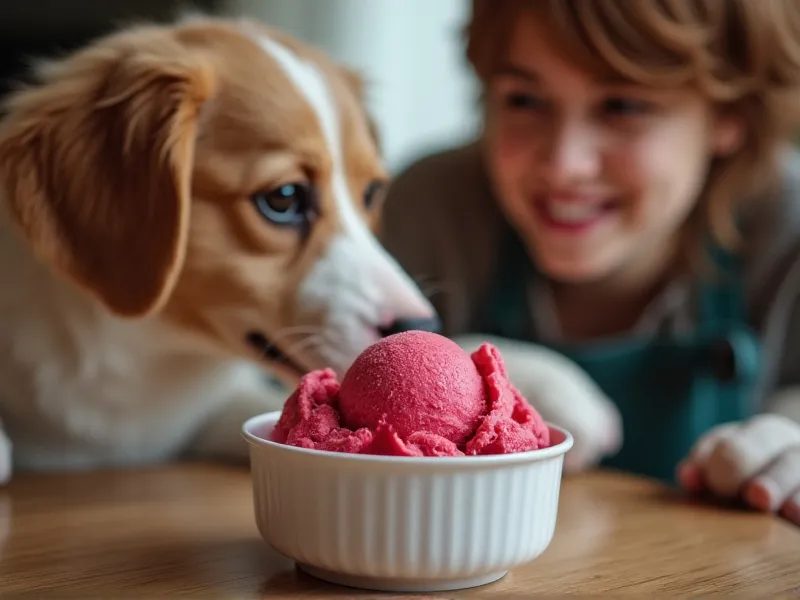
Table of Contents
- Can Dogs Eat Cherry Ice Cream? The Short Answer
- Potential “Benefits” of Cherry Ice Cream (Spoiler: They’re Minimal)
- The Risks of Cherry Ice Cream for Dogs: Why It’s Often a Bad Idea
- How Much Cherry Ice Cream Is “Safe” for Dogs? (If Any)
- Healthier Alternatives to Cherry Ice Cream for Dogs
- FAQ: Your Cherry Ice Cream Questions, Answered
- Conclusion: Prioritize Your Dog’s Health Over the “Aww” Factor
- References
Can Dogs Eat Cherry Ice Cream? The Short Answer
Let’s cut to the chase: Cherry ice cream is not recommended for dogs. While a tiny, accidental lick (without cherry pits!) is unlikely to harm most healthy adult dogs, it’s far from a safe or beneficial treat. Here’s why: Cherry ice cream combines two problematic ingredients for dogs—cherries (which have hidden risks) and ice cream (high in sugar and dairy, which dogs struggle to digest).
To be clear: Dogs don’t need ice cream of any kind. Their bodies are designed to thrive on a balanced, species-appropriate diet, and human treats like cherry ice cream often do more harm than good. Let’s dig into the details.
Potential “Benefits” of Cherry Ice Cream (Spoiler: They’re Minimal)
Before we dive into the risks, let’s acknowledge the elephant in the room: Cherries themselves can offer small nutritional perks—if served correctly (i.e., pitted, fresh, and in moderation). But when mixed into ice cream, those benefits are overshadowed by the downsides. Here’s what cherries bring to the table:
1. Fiber for Digestion
Fresh cherries (without pits) contain dietary fiber, which helps support healthy digestion in dogs. A small amount of fiber can aid in regulating bowel movements—but ice cream is low in fiber and high in sugar, which cancels out this benefit.
2. Antioxidants and Vitamins
Cherries are rich in antioxidants like anthocyanins (which give them their red color) and vitamins A and C. Antioxidants help fight inflammation, and vitamin C supports immune health. However, dogs produce their own vitamin C, so they don’t need extra from food. Plus, the tiny amount of cherries in ice cream isn’t enough to make a meaningful difference.
3. Potassium for Heart Health
Cherries also contain potassium, a mineral that helps regulate blood pressure and heart function. Again, this is a plus—but ice cream’s high sugar and fat content far outweigh any potassium benefits for your dog.
The bottom line: Any nutritional upside from cherries is negligible in cherry ice cream. The “benefits” are so minimal that they’re not worth the risks.
The Risks of Cherry Ice Cream for Dogs: Why It’s Often a Bad Idea
Now, let’s talk about the real concerns. Cherry ice cream poses several risks to dogs, from mild discomfort to life-threatening emergencies. Here’s what you need to watch for:
1. Sugar Overload: Obesity, Diabetes, and Dental Issues
Most commercial cherry ice creams are loaded with added sugar—sometimes 15-20 grams per serving! Dogs’ bodies aren’t equipped to handle large amounts of sugar. Over time, regular sugar intake can lead to:
- Obesity: Extra calories from sugar quickly add up, increasing your dog’s risk of joint pain, heart disease, and other obesity-related issues.
- Diabetes: Chronic high sugar intake can impair insulin production, leading to canine diabetes (a serious, lifelong condition).
- Dental decay: Sugar feeds harmful bacteria in your dog’s mouth, causing plaque, tartar, and cavities.
Even “low-sugar” or “sugar-free” ice creams can be dangerous. Many use xylitol, an artificial sweetener that’s extremely toxic to dogs (even small amounts can cause seizures, liver failure, or death). Always check the label—if xylitol is listed, keep it far from your pup!
2. Lactose Intolerance: Stomach Upset Galore
Dogs are not natural dairy drinkers. Unlike humans, most dogs lose the ability to digest lactose (the sugar in milk) as they mature. This means ice cream—made with cow’s milk—can cause:
- Diarrhea
- Bloating
- Gas
- Stomach cramps
Puppies may tolerate small amounts of lactose, but adult dogs often struggle. Symptoms can range from mild (a gassy evening) to severe (dehydrating diarrhea).
3. Cherry Pits: A Hidden Toxic Hazard
Here’s the scariest risk: Cherry pits contain cyanide. Cyanide is a poison that can interfere with oxygen transport in the body, leading to organ failure or death. While a single pit is unlikely to kill a large dog, it can cause serious illness, especially in small breeds or puppies.
Even if the ice cream is “pitted,” there’s a risk of stray pit fragments (cherry pits are hard and can break during processing). Swallowing a pit can also cause a choking hazard or blockage in your dog’s digestive tract (which may require surgery to remove).
4. Choking on Frozen Chunks
Ice cream is cold and creamy, but when frozen, it can form hard chunks. If your dog gobbles down a big bite, they could choke or injure their teeth. Small dogs are especially at risk of choking on frozen treats.
How Much Cherry Ice Cream Is “Safe” for Dogs? (If Any)
The safest answer? None. Cherry ice cream offers no nutritional value and comes with too many risks. But we get it—accidents happen, or maybe you’re tempted to share a tiny taste on a hot day. If you must give your dog a lick (we don’t recommend it), follow these rules:
- Check the label first: Ensure there’s no xylitol, artificial sweeteners, or added chocolate (chocolate is toxic to dogs!).
- No pits, ever: Make sure the ice cream has no cherry pits or fragments. Even a small piece can be dangerous.
- Stick to a “lick,” not a scoop: A tiny taste (the size of your thumbnail) is all. No bowls, no bites—just a quick lick.
- Monitor for reactions: Watch for diarrhea, vomiting, gas, or lethargy for 24 hours after. If you notice any symptoms, call your vet.
Pro tip: If your dog has a sensitive stomach, is overweight, has diabetes, or is a puppy/senior, skip the ice cream entirely. These groups are more vulnerable to sugar, lactose, and choking risks.
Healthier Alternatives to Cherry Ice Cream for Dogs
Want to treat your dog to a cold, refreshing snack without the risks? Try these dog-safe alternatives—they’re just as tasty (to your pup!) and way better for their health:
1. Frozen Banana Slices
Bananas are naturally sweet, high in potassium, and easy to digest. Slice a ripe banana, freeze it, and serve as a “ice cream” substitute. Bonus: Bananas contain fiber to keep your dog full and happy.
2. Blueberry Yogurt Drops
Mix plain, unsweetened Greek yogurt (low in lactose) with fresh blueberries (antioxidant-rich!), spoon into ice cube trays, and freeze. These bite-sized treats are perfect for hot days and gentle on tummies.
3. Homemade “Cherry” Dog Ice Cream (Safe Version!)
Craving that cherry flavor? Make your own dog-safe version!
Ingredients:
- ½ cup fresh, pitted cherries (no pits!)
- 1 cup unsweetened coconut milk (lactose-free) or goat’s milk (easier to digest than cow’s milk)
- 1 tablespoon plain, unsweetened peanut butter (no xylitol!)
Instructions:
Blend cherries, milk, and peanut butter until smooth. Pour into a bowl or ice cube tray and freeze for 2-3 hours. Serve a small scoop—your dog will love the fruity, creamy taste!
4. Frozen Watermelon Chunks
Watermelon is 92% water, making it the ultimate hydrating treat for summer. Remove the rind (it’s hard to digest), freeze chunks, and serve. It’s low in calories, high in vitamins A and C, and dogs go crazy for it!
5. Pumpkin “Nice Cream”
Blend frozen pumpkin puree (unsweetened, no spices) with a splash of water or unsweetened yogurt, then freeze. Pumpkin is rich in fiber and beta-carotene, which supports eye health.
FAQ: Your Cherry Ice Cream Questions, Answered
Q: Can dogs eat cherry-flavored ice cream (without real cherries)?
A: No. Artificial cherry flavoring often contains additives, preservatives, or high sugar that’s still bad for dogs. Stick to natural, dog-safe flavors instead.
Q: My dog ate a cherry pit from my ice cream! What do I do?
A: Stay calm, but act fast. Cherry pits contain cyanide, and while one pit may not kill a large dog, it can cause poisoning. Call your vet immediately. Symptoms of cyanide poisoning include difficulty breathing, bright red gums, seizures, or collapse—if you see these, go to the emergency vet.
Q: Are there any “dog-safe” cherry ice creams sold in stores?
A: Some pet brands make “dog ice cream” (e.g., Puppy Scoops), but read the label carefully. Many still contain sugar or dairy. Your best bet is to make your own using the recipe above!
Q: Can puppies have cherry ice cream?
A: Puppies have sensitive tummies and are more likely to be lactose intolerant. Plus, their small size makes them more at risk of choking or cyanide poisoning from pits. Skip it—opt for frozen banana slices instead.
Conclusion: Prioritize Your Dog’s Health Over the “Aww” Factor
Sharing a treat with your dog is one of life’s little joys, but cherry ice cream isn’t worth the risk. The sugar, lactose, and cherry pits make it a recipe for stomach upset, obesity, or worse. Instead, reach for dog-safe alternatives like frozen bananas, blueberry yogurt drops, or homemade cherry “ice cream” (without the harmful stuff).
When in doubt, always consult your vet before introducing new treats—they know your dog’s health history and can give personalized advice. After all, a happy dog is a healthy dog, and nothing beats seeing those tail wags when you hand them a safe, tasty snack.
Stay cool, and keep those ice cream bowls (and cherry pits!) out of paw’s reach. Your dog will thank you.
References
- American Kennel Club (AKC). “Can Dogs Eat Cherries?” akc.org/expert-advice/food-and-nutrition/can-dogs-eat-cherries
- ASPCA. “Toxic and Non-Toxic Plants: Cherry.” aspca.org/pet-care/animal-poison-control/toxic-and-non-toxic-plants/cherry
- PetMD. “Lactose Intolerance in Dogs.” petmd.com/dog/nutrition/can-dogs-eat-ice-cream
- VCA Animal Hospitals. “Xylitol Toxicity in Dogs.” vcahospitals.com/know-your-pet/xylitol-toxicity-in-dogs
- The Humane Society of the United States. “Safe Treats for Dogs.” humanesociety.org/resources/safe-treats-dogs