· 9 min read
Can Dogs Eat Cheerios? Safety, Benefits, Risks & Guidelines for Pet Parents
It’s 8 a.m. on a lazy weekend. You’re cozied up with a bowl of Cheerios, milk sloshing gently, when you feel a pair of eyes burning into you. You glance down to find your dog—tail thumping, nose twitching, ears perked—staring at your cereal like it’s the most exciting thing since their last walk. “Just one tiny O?” you think. “What harm could it do?”
If you’ve ever asked yourself, “Can dogs eat Cheerios?” you’re not alone. Pet parents often share small bites of their food with their furry friends, but it’s crucial to know what’s safe (and what’s not) before those puppy eyes win you over. In this post, we’ll break down everything you need to know: from whether Cheerios are safe for dogs to the benefits, risks, and healthier alternatives. Let’s dive in!
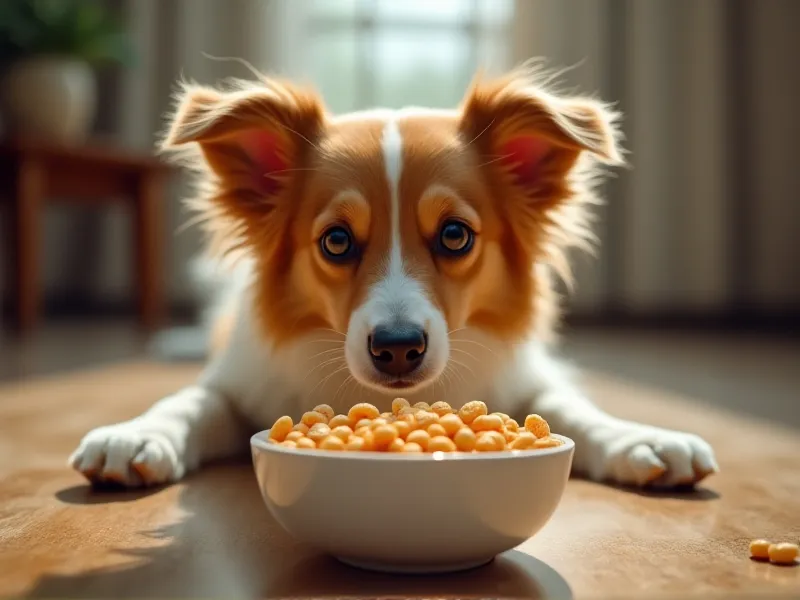
Table of Contents
- Can Dogs Eat Cheerios? The Short Answer
- What Are Cheerios, Anyway?
- Potential Benefits of Cheerios for Dogs
- Risks to Watch Out For
- How Much Cheerios Can Dogs Safely Eat?
- Healthier Alternatives to Cheerios
- FAQ: Your Cheerios and Dogs Questions Answered
- Conclusion: Moderation is Key
Can Dogs Eat Cheerios? The Short Answer
Yes, plain, unflavored Cheerios are generally safe for dogs to eat in small, occasional amounts. They’re low in calories, made with whole grains, and free from toxic ingredients like xylitol (a sugar substitute that’s deadly to dogs). However, “safe” doesn’t mean “nutritious” or “ideal.” Cheerios should never replace your dog’s balanced, species-appropriate food, and flavored varieties (like Honey Nut or Cinnamon Toast Crunch) can pose risks due to added sugar, artificial flavors, or other additives.
What Are Cheerios, Anyway?
First, let’s get back to basics. Cheerios are a popular breakfast cereal made by General Mills, first introduced in 1941. The original flavor is made with whole grain oats, corn starch, sugar, salt, and a few added vitamins and minerals (like iron and B vitamins). Over the years, the brand has expanded to include dozens of flavors, from Honey Nut and Apple Cinnamon to Chocolate Peanut Butter and Frosted.
For dogs, the only variety we’re focusing on here is original, plain Cheerios. Flavored versions often contain extra sugar, artificial colors, or flavorings that can be harmful to dogs, so we’ll steer clear of those.
Potential Benefits of Cheerios for Dogs
While Cheerios aren’t a “superfood” for dogs, they do offer a few minor benefits when given as an occasional treat:
1. Whole Grains for Energy & Fiber
Original Cheerios are made with whole grain oats, which provide complex carbohydrates. These digest slowly, giving your dog a steady source of energy. Oats are also rich in dietary fiber, which supports healthy digestion by promoting regular bowel movements and feeding beneficial gut bacteria. For dogs with mild constipation, a small handful of plain Cheerios might even help get things moving (though always check with your vet first!).
2. Essential Vitamins & Minerals
Cheerios are fortified with nutrients like:
- Iron: Important for red blood cell health and oxygen transport.
- B Vitamins (Thiamine, Riboflavin, Niacin): Support energy metabolism, brain function, and a healthy coat.
- Potassium: An electrolyte that helps regulate heart rate, muscle function, and fluid balance.
While these nutrients are beneficial, remember: your dog’s regular food is already formulated to meet their daily needs. Cheerios are just a tiny bonus, not a replacement.
3. Low-Calorie Treat Option
At just 1 calorie per Cheerio (for original), they’re a low-calorie treat choice for dogs on a weight management plan. Compared to high-fat commercial treats (which can have 20+ calories each), a few Cheerios are a guilt-free way to reward your pup during training or snuggle time.
Risks to Watch Out For
Even with those small benefits, Cheerios come with risks—especially if overfed or if you choose the wrong variety. Here’s what to watch for:
1. Added Sugar: The Biggest Concern
While original Cheerios are low in sugar (about 1 gram per 1-cup serving), that adds up quickly if you’re not careful. Dogs don’t need sugar in their diet, and excessive sugar intake can lead to:
- Obesity: Extra calories from sugar contribute to weight gain, which raises the risk of diabetes, joint pain, and heart disease.
- Dental Issues: Sugar feeds harmful bacteria in your dog’s mouth, leading to plaque, tartar, and cavities.
- Energy Spikes and Crashes: Just like in humans, sugar can make dogs hyperactive, followed by a slump.
Flavored Cheerios are even worse: Honey Nut Cheerios, for example, have 9 grams of sugar per cup—nearly 10 times more than original! That’s a huge red flag for dogs.
2. Choking Hazard for Small Dogs
The small, round “O” shape of Cheerios can pose a choking risk for small breeds or puppies. If your dog is a “gulp-and-go” eater, a Cheerio might get stuck in their throat, leading to coughing, gagging, or difficulty breathing. Always supervise your dog when giving them Cheerios, and break them into smaller pieces if you have a tiny pup (like a Chihuahua or Yorkie).
3. Stomach Upset from Overindulgence
Dogs have sensitive digestive systems, and sudden changes in diet (even from a few extra Cheerios) can cause diarrhea, vomiting, or gas. This is especially true for dogs who aren’t used to grains or who have sensitive stomachs.
4. Gluten Sensitivity (Rare, but Possible)
While oats are naturally gluten-free, some Cheerios are processed in facilities that also handle wheat, barley, or rye. This can lead to cross-contamination with gluten. Most dogs tolerate gluten just fine, but a small percentage may have gluten sensitivity or allergies, leading to skin irritation, itching, or digestive upset. If your dog has a known gluten allergy, skip the Cheerios altogether.
How Much Cheerios Can Dogs Safely Eat?
The golden rule here is moderation. Cheerios should make up no more than 10% of your dog’s daily calorie intake—and even that’s a stretch, since they’re not nutritionally dense.
To put it in perspective:
- Small dogs (under 20 lbs): 2–3 plain Cheerios per day (about 2–3 calories).
- Medium dogs (20–50 lbs): 5–7 Cheerios per day (5–7 calories).
- Large dogs (50+ lbs): 8–10 Cheerios per day (8–10 calories).
Think of it this way: A Chihuahua’s daily calorie needs are around 200–300 calories, so 3 Cheerios (3 calories) is negligible. A Great Dane, on the other hand, needs 1,500–2,500 calories daily, so 10 Cheerios (10 calories) is still a tiny fraction of their diet.
Pro Tip: Mix a few Cheerios into your dog’s regular food as a “topper” to add texture, or use them as training treats. They’re lightweight, easy to carry, and most dogs find the crunch satisfying!
Healthier Alternatives to Cheerios
If you want to treat your dog but skip the sugar and empty calories of Cheerios, try these nutrient-packed alternatives instead:
1. Plain, Cooked Oats
Skip the processed cereal and go straight to the source! Plain, cooked oats (no sugar, milk, or salt) are a fantastic treat for dogs. They’re higher in fiber and nutrients than Cheerios and easier to digest. Mix a spoonful into your dog’s food or serve as a warm snack on a cold day.
2. Fresh Fruits (No Seeds/Pits!)
Fruits like blueberries, strawberries, apple slices (no seeds!), and bananas are low in calories, high in vitamins, and naturally sweet. Blueberries, for example, are loaded with antioxidants that support immune health. Just avoid grapes, raisins, cherries, or citrus, which can be toxic to dogs.
3. Crunchy Veggies
Carrot sticks, cucumber slices, or green beans make great low-calorie, crunchy treats. They’re high in fiber and vitamins (like vitamin A in carrots) and help clean your dog’s teeth as they chew. Most dogs love the crunch—plus, they’re way cheaper than Cheerios!
4. Commercial Dog Treats
Look for high-quality dog treats made with whole-food ingredients (like chicken, sweet potato, or salmon) and no added sugar, artificial preservatives, or fillers. Brands like Zuke’s, Blue Buffalo, or Wellness offer great options tailored to dogs’ nutritional needs.
FAQ: Your Cheerios and Dogs Questions Answered
Q: Can dogs eat Honey Nut Cheerios?
A: No, it’s best to avoid Honey Nut Cheerios. They contain significantly more sugar (9 grams per cup vs. 1 gram in original) and added honey, which can lead to obesity, dental issues, or stomach upset. Some flavored Cheerios may also contain artificial flavors or colors, which aren’t safe for dogs.
Q: My dog ate a whole box of Cheerios! Should I panic?
A: Probably not, but monitor them closely. A box of Cheerios is high in fiber and sugar, which could cause diarrhea, vomiting, or bloating. If your dog is lethargic, vomiting repeatedly, or has severe diarrhea, contact your vet immediately. For small dogs, a whole box might be more concerning due to choking or intestinal blockage risk.
Q: Are Cheerios a good training treat?
A: They can be! Plain Cheerios are small, low-calorie, and easy to carry, making them a decent option for training. However, many dogs find them less motivating than meat-based treats (like freeze-dried chicken). If your dog isn’t excited by Cheerios, opt for a higher-value treat during training sessions.
Q: Can dogs with diabetes eat Cheerios?
A: Consult your vet first. While original Cheerios are low in sugar, they still contain carbohydrates that can spike blood sugar levels. Dogs with diabetes need strict blood sugar control, so even small amounts of sugar might be risky. Your vet can help you choose safe, low-carb treats instead.
Q: Are gluten-free Cheerios safe for dogs?
A: Yes, gluten-free Cheerios (made with certified gluten-free oats) are safe for dogs—especially those with gluten sensitivity. Just check the label to ensure they’re free from added sugar or artificial ingredients.
Conclusion: Moderation is Key
So, can dogs eat Cheerios? Yes, in small, occasional amounts of plain, unflavored Cheerios. They’re not toxic, and they offer minor benefits like fiber and B vitamins. But they’re no substitute for a balanced dog food, and flavored varieties are best avoided due to added sugar and additives.
When in doubt, stick to healthier alternatives like fresh fruits, veggies, or cooked oats. And as always, if you have questions about your dog’s diet—whether it’s Cheerios or anything else—consult your vet. They know your dog’s unique needs (age, weight, health conditions) and can guide you toward the best choices.
At the end of the day, sharing a tiny handful of Cheerios with your pup on a lazy morning is harmless—just don’t make it a daily habit. Your dog will love you just as much for a carrot stick or a belly rub, and their body will thank you for it!
Sources:
- American Kennel Club (AKC). “Can Dogs Eat Oats?” akc.org
- PetMD. “Human Foods Dogs Can and Can’t Eat.” petmd.com
- General Mills. “Original Cheerios Ingredients.” cheerios.com
- American College of Veterinary Nutrition (ACVN). “Nutrition for Dogs.” acvn.org
- FDA. “Xylitol: A Sweetener That is Toxic to Pets.” fda.gov